The Benefits of Heirloom vs. Hybrid Plant Varieties for Home Gardening
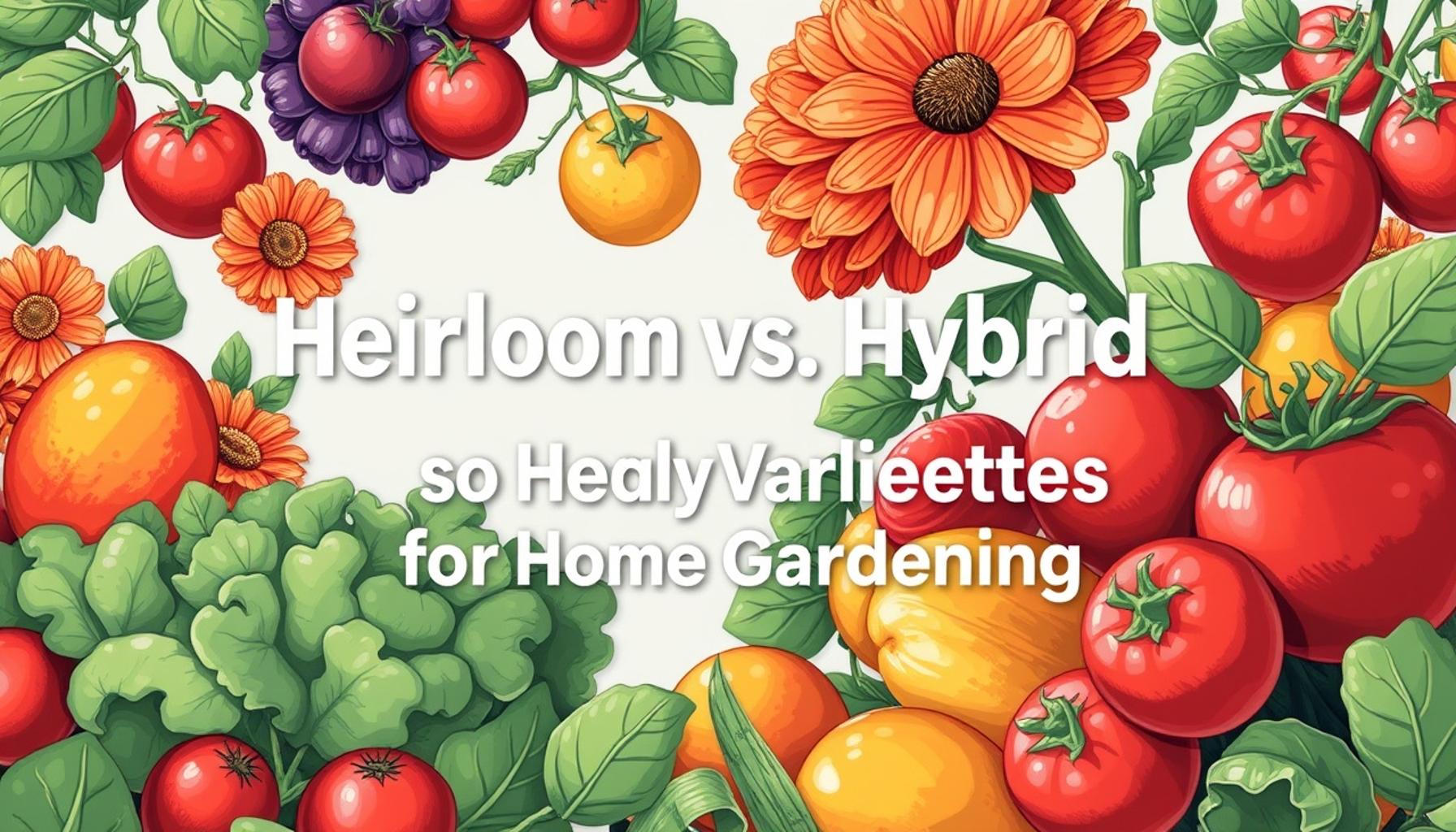
Understanding Heirloom and Hybrid Plant Varieties
The choice between heirloom and hybrid plant varieties can shape the success of your home gardening endeavors, especially in the diverse climates of the United States. This decision goes beyond mere aesthetics; it delves into the very essence of gardening philosophy and desired outcomes.
Delving into Heirloom Varieties
Heirloom varieties boast a rich tapestry of flavors and traditions, earning their place in the hearts of many gardening enthusiasts. These open-pollinated plants, having been bred over generations, carry with them stories of agricultural heritage. For instance, varieties like the Brandywine tomato or the Green Zebra tomato are not only famous for their fantastic taste but also for their unique, artisan quality that can be hard to find in store-bought produce. Heirlooms tend to fluctuate in size, color, and taste, which makes harvesting a flavorful treasure hunt.
One defining factor of heirloom plants is the ability to save seeds from the previous year’s harvest. This aspect encourages sustainability, allowing gardeners to cultivate their favorite varieties year after year, preserving the genetic diversity vital for long-term agricultural resilience. Furthermore, growing heirlooms can spark a sense of community among gardeners, as many enthusiasts share seeds and stories, fostering a rich exchange of cultural history.
The Appeal of Hybrid Varieties
In contrast, hybrid varieties emerge as a testament to modern agricultural innovation. These plants are selectively bred to enhance specific traits, catering to today’s gardening demands. Home gardeners often appreciate hybrids for their uniform growth and rapid harvest cycles, making them ideal for those looking to maximize productivity in limited spaces.
For example, the Sweet 100 cherry tomato is a popular hybrid that produces a prolific amount of small, sweet fruits in a short time frame, making it perfect for busy gardeners eager for quick results. Additionally, hybrids often exhibit greater resistance to diseases and pests, a crucial consideration given the increasing challenges posed by climate change and invasive species.
Furthermore, hybrid varieties are often engineered to thrive in particular climatic conditions. This attribute can significantly enhance the gardening experience, especially for those who live in regions with unpredictable weather. For instance, heat-tolerant hybrids can be a game-changer for gardeners in the southern United States, allowing them to cultivate crops that would otherwise succumb to summer heat.
Conclusion
Ultimately, the choice between heirloom and hybrid varieties stems from personal gardening goals and philosophies. Those who cherish tradition and flavor may find heirlooms appealing, while those focused on productivity and resilience may lean toward hybrids. Both categories offer a world of discovery and potential for enriching your home garden. By weighing the unique advantages of each type, you can cultivate a garden tailored to your specific tastes and the challenges posed by your local environment. With informed research, you’re set to explore the vibrant realm of plants that can enhance your gardening experience, nourish your family, and perhaps even connect you with a wider community of passionate gardeners.
DISCOVER MORE: Click here to learn about natural pest control
Exploring the Advantages of Heirloom Plant Varieties
For many home gardeners, the allure of heirloom varieties lies not only in their unique characteristics but also in the profound connection they forge with gardening history. As open-pollinated plants, heirlooms are celebrated for their ability to pass down traits through generations, enriching both the soil and the gardener’s experience. A deeper dive into the benefits of growing heirloom plants will unveil a tapestry of advantages that extend beyond mere aesthetics.
Flavor and Nutritional Diversity
One of the most compelling reasons to choose heirloom varieties is their unparalleled flavor. Unlike hybrids that often prioritize shelf life and uniformity, heirlooms are cultivated for their distinct taste. Many gardeners describe heirloom tomatoes, peppers, and squash as possessing a richness and full-bodied flavor that simply can’t be found in commercial hybrids. This focus on flavor contributes to a greater culinary experience, inspiring home chefs to create meals that highlight the unique profiles of their homegrown produce.
In addition, heirloom crops often offer greater nutritional diversity. A wide variety of colors and shapes not only gratifies the eye but also suggests a range of nutrients. Research suggests that diverse diets, which include multiple fruits and vegetables, can support overall health. By cultivating heirloom varieties in their gardens, home gardeners can enhance both their meals and their nutritional intake.
Environmental Sustainability
Heirloom gardening promotes sustainability in several key ways. First and foremost, the ability to save seeds from each season allows gardeners to cultivate their favorite varieties year after year. This practice conserves not only resources but also the genetic diversity crucial for resilient food systems. In times when biodiversity is threatened by climate change and large-scale farming practices, maintaining a diverse garden can act as a safeguard for future generations.
Moreover, heirloom plants generally require fewer chemical inputs, as they are often well-adapted to local environments. Gardeners who choose heirlooms may find that these plants thrive with less intervention, embodying a more organic approach to cultivation. This can resonate with environmentally conscious individuals looking to minimize their ecological footprint in the battle against climate change.
Community Engagement and Historical Connection
Growing heirloom varieties also invites a deeper sense of community engagement. Many heirlooms have fascinating stories tied to local cultures and histories, creating an opportunity for gardeners to connect with these narratives. Seed exchanges and local gardening clubs thrive in connections formed around heirloom plants, facilitating the sharing of seeds and gardening techniques. This rich interaction fosters a growing community, rooted in tradition and mutual support.
- Culinary experimentation: Heirlooms encourage creativity in the kitchen with their unique flavors.
- Seed saving: The ability to save seeds fosters sustainability.
- Connection to history: Each heirloom has a story, linking gardeners to the past.
- Environmental adaptability: Heirlooms may require fewer chemicals and better adapt to local conditions.
With so many compelling reasons, it becomes clear why heirloom varieties hold a special place in the hearts of home gardeners. The journey of growing these plants leads not only to productive gardens but also to enriching experiences that celebrate both nature and humanity.
| Category | Key Features |
|---|---|
| Heirloom Varieties | These plants are openly pollinated and pass down traits through generations, ensuring unique flavors and diversity. |
| Resilience | Heirlooms often exhibit greater adaptability to local conditions, which can lead to higher yields in home gardens. |
| Hybrid Varieties | Designed for commercial success, hybrids often offer uniformity in growth and disease resistance, making them a popular choice among gardeners seeking convenience. |
| Consistent Quality | Hybrids can produce consistent results, leading to a more reliable harvest, especially for beginner gardeners. |
In the world of home gardening, the choice between heirloom and hybrid plant varieties opens a fascinating dialogue on biodiversity versus specialization. Heirloom varieties, cherished for their rich flavors and historical significance, often need an adept gardener to appreciate their quirks and rewards. Meanwhile, hybrids, with their scientific backing and tailored breeding, often promise a hassle-free experience, appealing to novice gardeners looking for reliability. Understanding what each type brings to your garden is essential in cultivating not just plants but a thriving ecosystem where innovation and tradition coexist harmoniously.This enriching comparison invites further exploration into the multifaceted world of gardening, encouraging enthusiasts to delve deeper into the nuances of each variety’s ecological impact and flavor profiles, revealing that there’s much more than meets the eye in the vibrant realm of plant variety.
LEARN MORE: Click here for essential pest control tips
Understanding the Advantages of Hybrid Plant Varieties
While heirloom varieties resonate with many gardeners due to their historical and environmental significance, hybrid plants bring a set of advantages that cannot be dismissed. These varieties, created through controlled pollination between different plant lines, are designed to enhance specific traits such as disease resistance and yield efficiency. Delving into the benefits of hybrid plants reveals practical contributions to home gardening that cater to contemporary needs.
Enhanced Disease Resistance
A major advantage of hybrid plants is their enhanced disease resistance. Breeders often select parent plants with known resistance to common pests and diseases, resulting in offspring that can withstand many of the challenges faced in home gardens. For instance, hybrid tomatoes are often bred to resist blight, a constraining fungal disease that can decimate crops. By opting for hybrids, gardeners can enjoy flourishing gardens with fewer setbacks, making these plants an ideal choice for beginners or those in regions prone to specific agricultural challenges.
Higher Yields and Consistency
Another noteworthy benefit of hybrid varieties is their ability to provide higher yields. These plants are specifically developed to produce more fruit or flowers per square foot, ensuring maximum productivity, which is especially advantageous for urban gardeners or those with limited space. For example, hybrid peppers often yield more fruit than their heirloom counterparts, a consideration for families looking to optimize their harvest.
Additionally, hybrids offer consistency in both appearance and maturation time. Gardeners know precisely what to expect when they plant a hybrid variety, as the uniformity in size and color can be a delightful aspect, especially for those involved in farmer’s markets or shows where aesthetic appeal matters. The reliable growth cycle of hybrids, often early to mid-season, ensures that gardeners can plan around harvest times with greater accuracy.
Adaptability to Varied Climates
Hybrid varieties are often bred to thrive in a range of climates, making them an excellent choice for gardeners in the diverse regions of the United States. For instance, some hybrids are developed to perform well in hotter Southern climates, while others are tailored for Northern regions with cooler temperatures. This adaptability can be a game-changer for those who may struggle with selecting the right crops for their local environment.
- Disease resistance: Hybrid plants often withstand pests and diseases better than heirlooms.
- Increased yields: Higher productivity is a significant benefit for space-constrained gardeners.
- Uniformity: Consistency in appearance and harvest timing aids in planning and presentation.
- Climate adaptability: Hybrids can thrive in various climates, fitting a broader range of gardening scenarios.
While the discussion between heirloom and hybrid varieties often stirs passionate debates, it ultimately comes down to the individual gardener’s needs, preferences, and goals. By understanding the unique benefits each variety offers, home gardeners can make informed choices that enhance their gardening experience and optimize their harvests. As gardening evolves, embracing both heirloom and hybrid varieties might pave the way for a more fruitful and enjoyable journey in cultivating homegrown produce.
DISCOVER MORE: Click here for essential soil testing tips
Conclusion: Making Informed Choices for Your Garden
In the ongoing debate of heirloom vs. hybrid plant varieties, each option brings distinct benefits that cater to different gardening philosophies and practical needs. Heirloom varieties, with their rich histories and flavor profiles, offer an organic connection to past agricultural practices and biodiversity. They encourage self-sustainability and the preservation of traits that have delighted gardeners for generations. On the other hand, hybrid varieties provide crucial advantages in today’s fast-paced gardening environment, including disease resistance, higher yields, and adaptability to varied climates. Their ability to produce uniform crops with consistent quality is a boon for both novice and experienced gardeners alike.
Ultimately, the choice between heirloom and hybrid plants hinges on individual gardener preferences, available resources, and specific gardening goals. Considerations such as space constraints, climate conditions, and pest presence can lean one toward hybrids, while a passion for flavor diversity and traditional cultivation may draw one to heirlooms. By taking the time to evaluate the unique attributes of both varieties, home gardeners can create a producing garden that reflects their values while also meeting their harvest needs. Whether you consciously choose to cultivate heirloom tomatoes or hybrid zucchinis, the real reward lies in the satisfaction of nurturing plants and savoring the rewards of your labor. Explore both realms and allow the synergy between tradition and innovation to enhance your gardening journey.