Natural Pest Control for Home Gardens A Beginners Guide to Success
The Joy and Challenges of Gardening
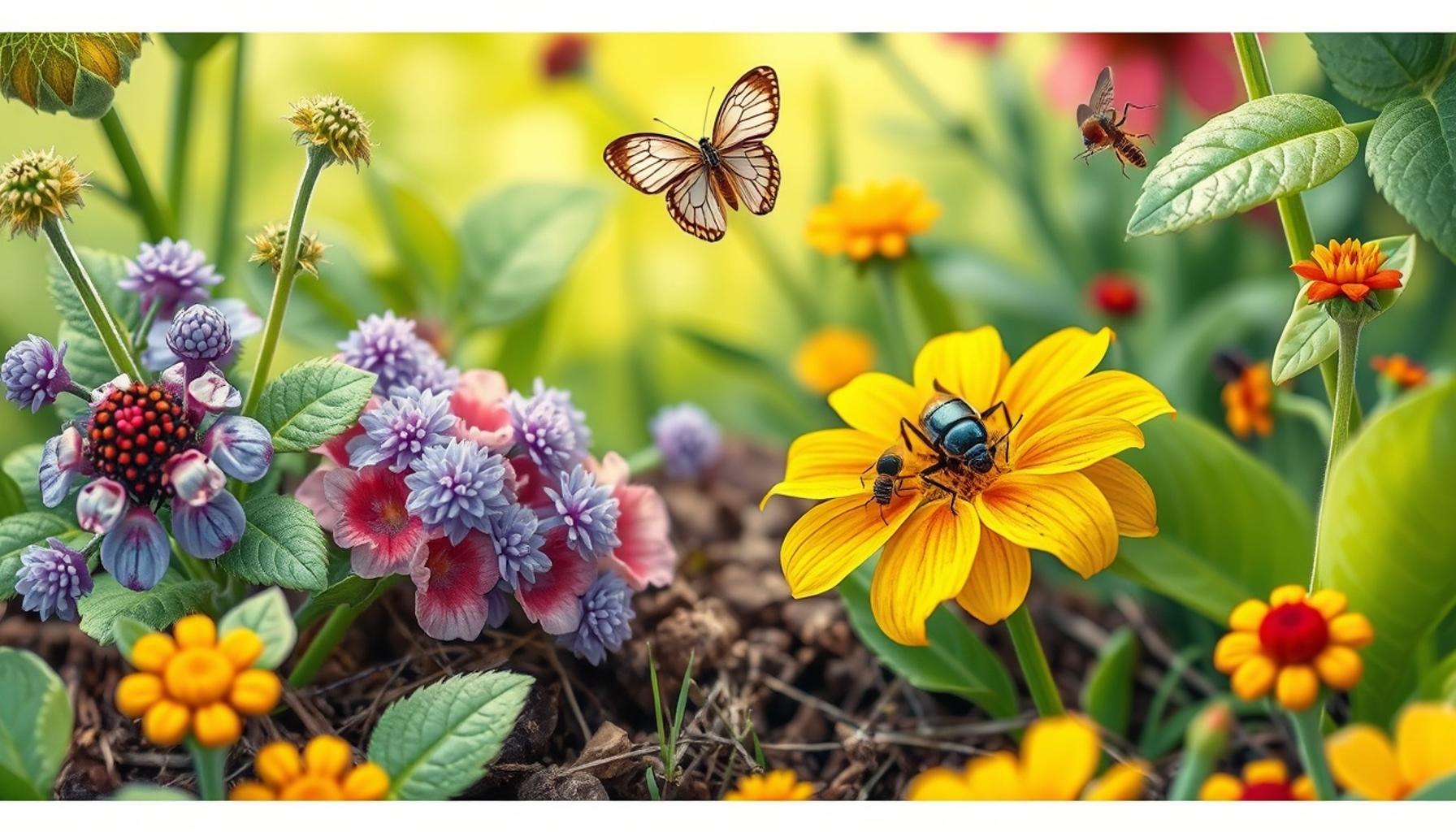
For budding gardeners, cultivating a thriving garden is a rewarding journey filled with both beauty and challenges. One common hurdle is managing the various pests that can potentially damage your plants. Understanding how to handle these unwelcome guests using natural pest control methods can significantly enhance your gardening experience. These methods not only prioritize the health of your plants and the environment, but they also help to foster a balanced and thriving ecosystem within your garden.
The Rise of Natural Solutions
In recent years, there has been a growing trend towards sustainable living, with many new gardeners actively seeking alternatives to harsh chemical pesticides. This shift is due to a greater awareness of the environmental impact of chemicals and the desire to protect beneficial organisms like bees and butterflies. Natural pest control solutions are often simpler, more cost-effective, and readily available, making them particularly appealing to beginners. Furthermore, employing these strategies helps to ensure the long-term health and productivity of your garden.
Top 5 Natural Pest Control Methods for Home Gardeners
Here, we will delve into the Top 5 natural pest control methods specifically tailored for home gardeners. These strategies are user-friendly, cost-effective, and proven to contribute to a flourishing garden.
- Companion Planting: This involves growing plants that naturally deter pests near vulnerable crops. For example, marigolds are known for repelling nematodes, while basil can keep flies and mosquitoes at bay.
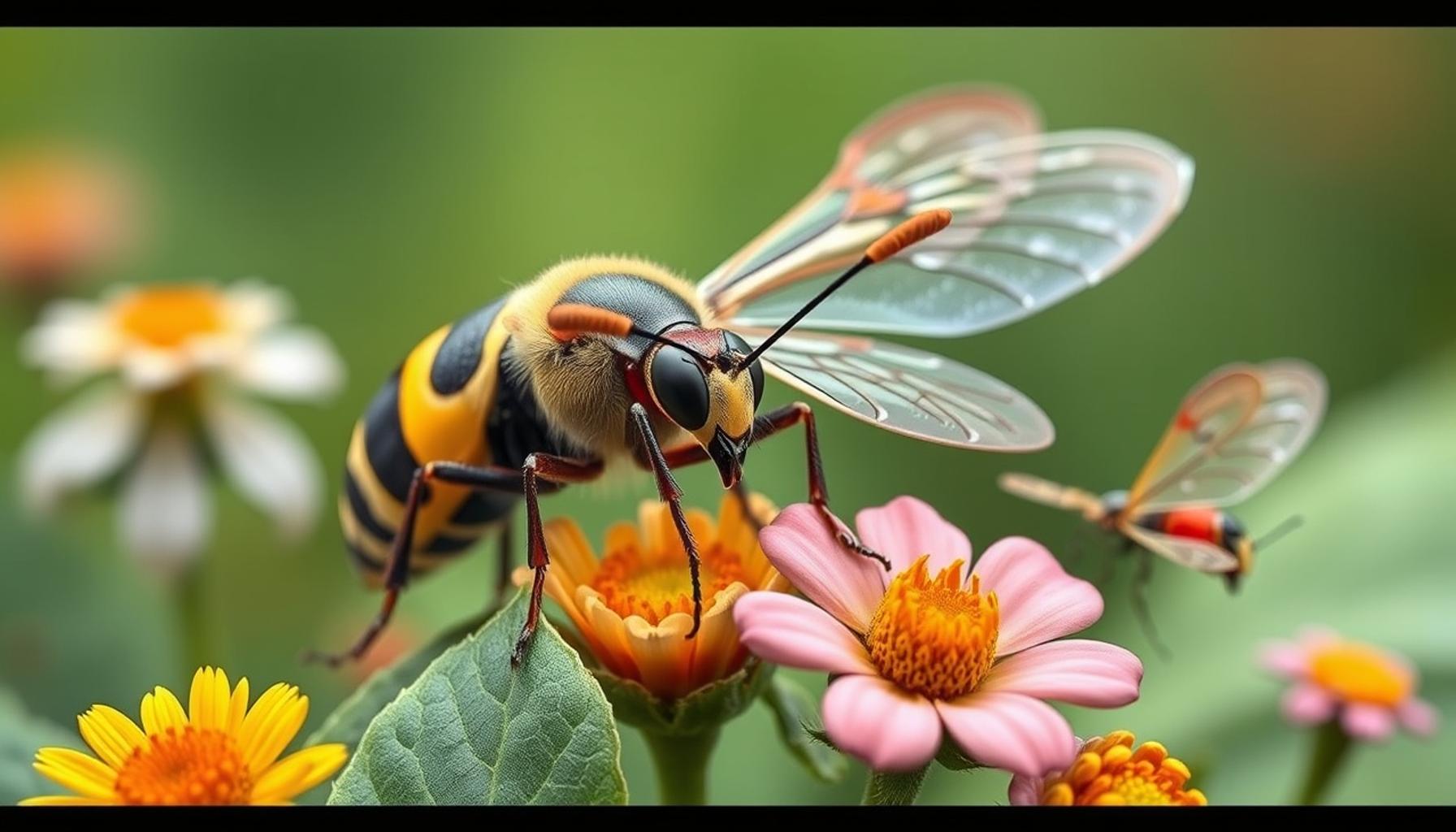
- Introduction of Beneficial Insects: Encouraging or introducing insects like ladybugs and predatory wasps can naturally control pest populations. Ladybugs, for instance, feed on aphids and other harmful insects, offering your plants much-needed protection.
- Homemade Sprays: Solutions made from ingredients like garlic, chili peppers, or neem oil are effective at deterring pests. These sprays can be easily made at home and applied directly to affected plants.
- Physical Barriers: Using nets, floating row covers, or cloches helps prevent pests from reaching your plants. These barriers are particularly effective against birds and larger insects while still allowing sunlight and rain to nourish the plants.
- Maintain Healthy Soil: Strong, resilient plants are less susceptible to pest attacks. By regularly adding organic matter such as compost and ensuring efficient drainage, you can maintain robust plant health, making them less attractive to pests.
- Safe for Pets and Humans: DE is non-toxic, making it a safe choice for family gardens.
- Protect Beneficial Insects: While applying DE, be cautious to avoid areas with pollinators and helpful insects, as it can affect them, too.
- Spot Testing: Before widespread use, test the oil on a small part of the plant to guard against adverse reactions.
- Eco-Friendly: Biodegradable properties make neem oil a sustainable choice.
- Pest Deterrence: Growing carrots with onions can ward off carrot flies.
- Flavor Enhancement: Rosemary planted near beans can enrich their taste.
- Non-Toxic: This solution is safe for use on edible crops.
- Timing is Key: Apply in the early morning or late evening to minimize harm to helpful insects.
- Plant Choices: Incorporate dill, fennel, and yarrow to draw predatory insects.
- Water Sources: Consider adding shallow dishes of water to help sustain these natural predators.
</ul
Top 5 Natural Pest Control Methods for Home Gardeners: A Beginner’s Guide
Welcome to the wonderful world of home gardening! If you’re just starting, you might be thrilled by the idea of growing your own vegetables, herbs, or flowers. However, the sight of pests threatening your plants can be daunting. Fear not! There’s a plethora of natural pest control methods you can employ to safeguard your garden—and they won’t require harsh chemicals. Below, we’ll delve into the top five methods, organizing them from least to most effective. Together, these tricks can transform your gardening experience, promoting a healthy environment while keeping those pesky invaders at bay.
5. Diatomaceous Earth
Diatomaceous earth (DE) is a versatile, organic powder made from fossilized aquatic organisms known as diatoms. This eco-friendly insecticide is notably effective against soft-bodied insects such as slugs, aphids, and spiders. The microscopic, sharp edges of DE particles cut through the protective exoskeleton of insects, causing them to dehydrate and perish.
Application is simple: sprinkle a fine layer of DE around the base of your plants. It’s crucial, however, to reapply after it rains or when you water your garden, as these activities can diminish its effectiveness. Always wear a mask while handling DE to avoid irritation from inhaling the dust.
4. Neem Oil
Derived from the seeds of the neem tree, neem oil is valued for its insect-repelling properties. It interrupts the biological processes of many common pests, such as aphids, whiteflies, and spider mites, disrupting their growth, feeding, and reproduction cycles. This makes it a preventive as well as a curative solution for pest control.
For using neem oil, dilute it with water as per the product instructions and spray it on your plants. For best results, use it regularly before pest problems escalate. Its natural antifungal properties also help protect plants from diseases.
3. Companion Planting
Companion planting is a method where gardeners grow specific plants together to gain mutual benefits. This technique not only aids in repelling pests but also promotes healthy plant growth and enhances flavor. For example, marigolds are excellent companions as they deter aphids and nematodes, whereas basil repels flies and can enhance the flavor of tomatoes when planted nearby.
To maximize the benefits of companion planting, research which plant combinations are favorable in deterring your garden’s most persistent pests. This approach boosts biodiversity and can result in a vibrant and resilient garden.
2. Homemade Insecticidal Soap
Homemade insecticidal soap is a straightforward, effective tool for managing soft-bodied insects like aphids, mealybugs, and whiteflies. Easily crafted by mixing a tablespoon of liquid soap with a quart of water, this solution suffocates pests upon contact.
Spray the mixture directly on affected plants, ensuring to test it on a small area first to prevent any potential leaf damage. Consistent reapplication every few days is necessary until control is achieved. Avoid spraying during peak sunlight hours to protect beneficial insects and sensitive plants.
1. Attracting Beneficial Insects
The most effective method of natural pest control is fostering an environment that welcomes beneficial insects. These allies include ladybugs, lacewings, and predatory wasps, which naturally keep harmful pests like aphids and caterpillars in check.
To attract these beneficial insects, plant an array of nectar-rich flowers and native plants that provide both habitat and sustenance. Additionally, avoid pesticides that can repel these garden friends. Including a small water source can further support their habitat requirements.
By implementing these methods, you’ll not only protect your garden but also cultivate a thriving ecosystem. The beauty of natural pest control lies in its sustainable approach, allowing you to savor the fruits of your labor while maintaining a harmonious balance with nature. Happy gardening!
| Category | Details |
|---|---|
| Companion Planting | This method involves planting different kinds of plants in proximity for mutual benefits, such as repelling pests or attracting beneficial insects. For example, planting marigolds near tomatoes can deter nematodes and other pests. |
| Neem Oil | Derived from the seeds of the neem tree, neem oil acts as a natural pesticide. It disrupts the lifecycle of insects and helps control a variety of pests, including aphids and spider mites, without harming beneficial insects when used correctly. |
| Diatomaceous Earth | A natural powdery substance made from fossilized algae, diatomaceous earth is effective against soft-bodied insects. When sprinkled in the garden, it dehydrates and kills pests like slugs and beetles, while being safe for plants and pets. |
| Homemade Insecticidal Soap | A simple homemade solution using liquid soap mixed with water can effectively control aphids, mites, and whiteflies. Just ensure to use pure soap without additives, as chemical ingredients can be harmful to your plants. |
Frequently Asked Questions about Natural Pest Control Methods
What are natural pest control methods?
Natural pest control methods involve using techniques that do not rely on synthetic chemicals to manage and deter pests. These methods include using companion planting, attracting beneficial insects, making use of natural predators, and applying natural homemade sprays made from ingredients like garlic or neem oil. The aim is to maintain a healthy balance in your garden’s ecosystem.
How can I attract beneficial insects to my garden?
Attracting beneficial insects is a great way to control pest populations naturally. You can do this by planting a variety of flowers and plants that provide nectar and pollen, such as daisies, sunflowers, and dill. Beneficial insects like ladybugs and lacewings are drawn to these plants. Additionally, providing shelter and water sources can encourage these helpful insects to set up home in your garden.
Is companion planting effective in repelling pests?
Yes, companion planting is an effective and well-known method of natural pest control. Certain combinations of plants can help repel pests. For example, planting marigolds near tomatoes can deter nematodes, while basil planted nearby can repel aphids. These plants either release chemical signals that pests dislike, or they attract beneficial predators that will feed on the pests.
Can homemade sprays really work against garden pests?
Homemade sprays can be quite effective when used properly. Some popular options include garlic spray, which repels many insects, and neem oil spray, which disrupts the life cycle of insects. These sprays need to be applied consistently and strategically to achieve the best results. It’s also important to test a small area first to ensure the spray doesn’t harm your plants.
Are there any drawbacks to using natural pest control methods?
While natural pest control methods are generally safer and more environmentally friendly, they may not always provide immediate results. It can take time for beneficial insect populations to establish themselves and for companion plants to have their full effect. Additionally, the effectiveness of homemade sprays can vary depending on the specific pest and conditions in your garden. However, with patience and persistence, natural methods can be incredibly effective and sustainable.
Conclusion
The journey into natural pest control is both rewarding and practical for home gardeners looking to protect their plants while safeguarding the environment. Throughout this guide, we explored various methods that beginners can easily implement without harming beneficial insects, pets, or the surrounding ecosystem. From understanding the importance of companion planting and creating a habitat for beneficial insects, to making homemade repellents and practicing crop rotation, each technique offers unique advantages.
Companion planting remains a top method, as it naturally deters pests while encouraging plant growth through symbiotic relationships. Beneficial insects are invaluable allies, reducing pest populations naturally. Introducing insects like ladybugs and praying mantises can make a significant difference in pest management. Moreover, homemade sprays and repellents provide an economical and safe alternative to chemical pesticides. These can be easily concocted with everyday kitchen ingredients, ensuring a non-toxic environment for your family and plants.
Another critical strategy is physical barriers, such as floating row covers and nets, which offer straightforward physical protection against larger pests. Lastly, the concept of crop rotation enhances soil health and breaks the life cycle of soil-borne pests, helping maintain a balanced garden ecosystem.
As you cultivate your garden, remember that a sustainable approach to pest control not only yields healthy plants but also contributes to a thriving ecosystem. By using these natural methods, not only do you grow your gardening skills, but you also partake in a larger movement towards environmentally responsible and sustainable agriculture. Embrace these strategies, and enjoy a lush, vibrant garden free from the toxins of chemical pesticides, setting a strong foundation for all your gardening endeavors.