Menu

Top Edible Plant Varieties for Beginners Grow Herbs Veggies at Home

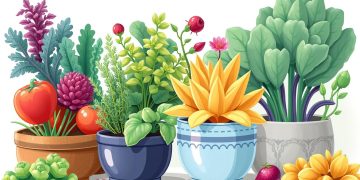
Discover the joy of home gardening with easy-to-grow herbs and vegetables perfect for beginners. Learn about low-maintenance plant varieties that thrive in small spaces, ensuring a bountiful harvest even for novice gardeners. Start your sustainable journey with simple, rewarding choices that enhance both your meals and lifestyle.

Discover Indoor Plant Varieties Best Picks for Small Spaces

Discover the best indoor plants perfect for small spaces, focusing on low-maintenance varieties ideal for beginners. Learn how to create a thriving green sanctuary at home with easy tips on plant care, lighting, and optimal placement, ensuring lush greenery even in compact living areas.

Container Gardening: Best Plant Varieties for Limited Space and Easy Maintenance

Discover the joys of container gardening, an ideal solution for limited spaces. This method allows you to grow herbs, compact vegetables, and vibrant flowers with ease and minimal maintenance. Learn about the best plant varieties suitable for small areas and the essential tips for nurturing a thriving garden right at home.

Understanding the Role of Soil Types in Selecting Plant Varieties for Beginners

Discover the essential connection between soil types and plant selection for beginner gardeners. Understanding soil characteristics, such as texture, pH levels, and nutrient content, enables informed decisions for thriving gardens. Embrace these insights to cultivate a successful and sustainable gardening experience tailored to your unique soil environment.

The Benefits of Heirloom vs. Hybrid Plant Varieties for Home Gardening

Discover the unique advantages of heirloom and hybrid plant varieties for home gardening. Heirlooms offer rich flavors and sustainability benefits, while hybrids provide enhanced disease resistance and higher yields. Understanding these differences helps gardeners tailor their choices to enhance productivity and connect with gardening traditions.

Seasonal Plant Varieties: How to Plan Your Garden Year-Round

Discover how to enhance your garden year-round with seasonal plant varieties. Embrace continuous blooms, maximize harvests, and support local wildlife by strategically planning your plant selections for each season. Transform your outdoor space into a vibrant, sustainable ecosystem that thrives through every month of the year.

Choosing the Right Plant Varieties for Small Spaces: A Beginner’s Guide

Explore urban gardening by selecting the right plant varieties for small spaces. Consider factors like size, sunlight, and growth habits to maximize your garden’s potential. Opt for compact vegetables, herbs, and vibrant flowers to create a thriving, sustainable oasis that enhances both aesthetics and your culinary experience.

Pollinator-Friendly Plant Varieties: Attracting Beneficial Insects to Your Home Garden

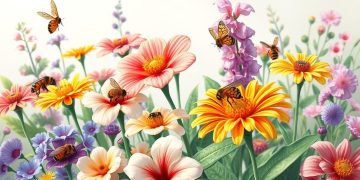
Discover how to enhance your home garden by incorporating pollinator-friendly plant varieties that attract beneficial insects like bees and butterflies. These plants not only boost pollination and biodiversity but also create a vibrant and sustainable environment, enriching both your garden's beauty and its ecological health.

Exploring Native Plant Varieties: Enhancing Biodiversity in Your Home Garden

Discover the transformative benefits of native plant varieties for enhancing biodiversity in your home garden. These resilient species support local wildlife, require less maintenance, and promote ecological balance, making your outdoor space a vibrant sanctuary for pollinators and beneficial insects. Embrace sustainability through nature's own flora.

Understanding Disease-Resistant Plant Varieties: A Guide for New Gardeners

Discover the transformative benefits of disease-resistant plant varieties for new gardeners. These specially bred plants reduce maintenance, improve yields, and promote environmental sustainability. By choosing the right varieties and employing companion planting techniques, gardeners can create thriving, resilient ecosystems that flourish with minimal disease-related challenges.