Dwarf Vegetable Varieties for Pot Cultivation: Ideal for Beginners
Exploring the Benefits of Dwarf Vegetables
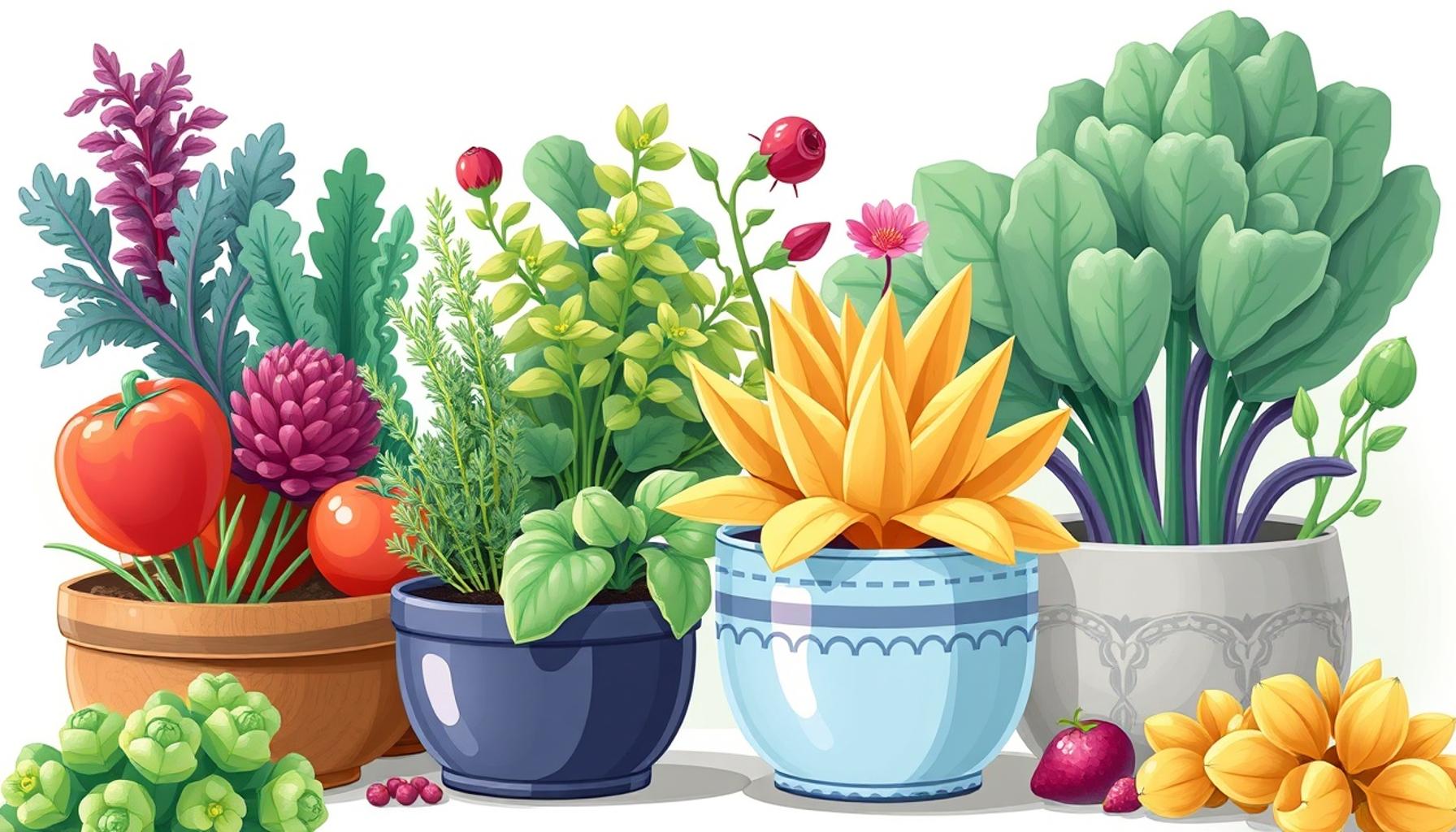
For those with a passion for gardening yet constrained by space, dwarf vegetable varieties emerge as an optimal gardening solution. These miniatures not only adapt well to confined areas such as pots and small garden beds, but they also enable urban dwellers to enjoy the timeless joy of growing their own food, making them an excellent choice for beginners. The appeal of dwarf vegetables lies not just in their size, but in their remarkable adaptability and productivity.
Why Choose Dwarf Vegetables?
There are several compelling reasons for selecting dwarf varieties over their larger counterparts:
- Space-saving – Whether your gardening area is a cozy balcony or a small patio, dwarf vegetables can fit seamlessly into your space. They thrive beautifully in containers, allowing you to cultivate a garden virtually anywhere.
- Easy to manage – With their compact stature, dwarf vegetables require less care and maintenance. This user-friendly nature makes them an ideal choice for novice gardeners who may feel overwhelmed by the demands of larger plants.
- Faster yields – Many dwarf varieties not only grow in a limited footprint but also reach maturity more quickly than their larger relatives. This means you can enjoy the fruits of your labor in a shorter time frame, boosting your gardening confidence.
A Plethora of Dwarf Varieties
The world of dwarf vegetables is vast and varied. Packed with flavor and nutrition, these small wonders can elevate your culinary experiences without demanding significant space. Some popular dwarf vegetable options include:
- Tom Thumb Peas – Perfect for gardeners with short growing seasons, these sweet, crisp peas are easy to pick and delicious in salads or as a fresh snack. Their compact plants make them an appealing choice for any small garden.
- Spinach Krinkel – This variety features attractive crinkled leaves, offering not just visual appeal but also a tender, flavorful addition to salads or sautés. Spinach is a nutrient powerhouse that thrives in cooler weather, making it ideal for spring and fall planting.
- Bush Beans – Known for their high productivity, bush beans are low-maintenance and easy to harvest. Varieties like “Provider” or “Top Crop” proudly produce bountiful yields, making them perfect for first-time gardeners looking to enjoy a continuous supply of fresh beans throughout the summer.
Embarking on Your Dwarf Vegetable Journey
To maximize your success with dwarf vegetable gardening, selecting the right varieties suited to your climate is crucial. For instance, those residing in the southern United States can take advantage of longer growing seasons, allowing them to experiment with a wider range of plants. Conversely, northern gardeners may focus on frost-resistant dwarf varieties to extend their growing period.
Whether you are cultivating in a traditional garden or embracing container gardening, with the right selection of dwarf vegetable varieties, even beginners can enjoy the satisfying experience of harvesting homegrown produce. Dive into this vibrant aspect of gardening today and discover the joy of nurturing these compact yet extraordinary plants!
DISCOVER MORE: Click here to learn about creating an efficient watering schedule
Getting Started with Dwarf Vegetable Varieties
As you embark on your gardening journey, dwarf vegetable varieties stand out as excellent choices for novice gardeners eager to cultivate their own fresh produce. These compact plants come with a wealth of benefits that make them particularly appealing for pot cultivation. One of the most enticing features is their ability to thrive in small spaces, transforming any balcony, patio, or windowsill into a private vegetable garden.
The Advantages of Growing Dwarf Vegetables
Embracing dwarf varieties not only simplifies the gardening process but also enhances the overall experience. Here are some key advantages:
- Versatility – Dwarf vegetable varieties can be grown in a variety of containers, from traditional pots to vertical garden setups. This flexibility allows you to maximize available space, enabling you to create your own mini garden in confined areas.
- Lower Maintenance – Because of their smaller size, dwarf vegetables often require less water and nutrients than full-sized varieties. This makes them easier to care for and a great fit for busy beginners who may not have ample time for intensive gardening.
- Extended Growing Seasons – Many dwarf varieties are bred to withstand diverse weather conditions. By selecting the right types, you can even extend your growing season. For instance, you can sow frost-tolerant dwarf peas in early spring and enjoy a bountiful harvest before summer heat arrives.
Choosing the Right Containers
When pot cultivation is your chosen method of growing dwarf vegetables, selecting the right container is essential. Opt for pots that have adequate drainage holes to prevent waterlogging, which can stress plants and lead to root rot. Additionally, the size of your container should complement the specific needs of the vegetable varieties you choose. For example, a 5-gallon pot is perfect for nurturing dwarf tomatoes, while smaller options will suffice for herbs like basil or parsley.
Popular Dwarf Vegetable Varieties for Beginners
Beginners can find joy in growing a plethora of dwarf vegetable options. Here’s a glimpse at some of the most popular varieties well-suited for pot cultivation:
- Patio Princess Tomatoes – An ideal tomato variety for container gardening, Patio Princess produces juicy fruit and thrives in pots with minimal care.
- Dwarf Blue Curled Kale – This nutrient-rich kale not only looks stunning with its tightly curled leaves but is also easy to grow and provides a continuous harvest.
- Little Marvel Corn – Perfect for small spaces, this dwarf corn variety produces sweet, miniature ears that are a delightful addition to any meal.
With these beginner-friendly varieties, the journey of growing your own food becomes not only achievable but immensely rewarding. As you cultivate dwarf vegetables in pots, you’ll soon discover a fulfilling connection to nature while enjoying the benefits of homegrown produce.
| Advantage | Details |
|---|---|
| Space Efficiency | Dwarf vegetable varieties require significantly less space, making them perfect for pot cultivation even in small urban gardens. |
| Easier Maintenance | These varieties are typically hardier and require less care than their larger counterparts, making them ideal for beginners who may lack extensive gardening experience. |
Dwarf varieties of vegetables offer unique benefits suited for modest living spaces and novice gardeners. By selecting these compact plants, beginners can cultivate a colorful assortment of produce without needing a sprawling garden. Plants such as dwarf tomatoes, peppers, and carrots thrive in pots, providing excellent yields without overwhelming space or resources.Moreover, the resilience of dwarf vegetables can save beginners both time and frustration. They are generally less prone to disease and pests, easing the learning curve associated with gardening. This makes for a gratifying and rewarding experience right from the start. Each successful harvest can inspire further cultivation efforts and curiosity about other plants and gardening techniques. As interest grows, so does the potential to explore even larger varieties or expand into other forms of gardening, reinforcing the joy and productivity that this hobby can offer.
DISCOVER MORE: Click here to learn about the importance of healthy soil
Creating the Perfect Environment for Your Dwarf Vegetables
While dwarf vegetable varieties are known for their ease of cultivation, providing them with a nurturing environment is essential for robust growth and plentiful yields. Understanding the specific requirements of these plants can significantly impact your success as a beginner gardener.
Sunlight Requirements
Most dwarf vegetables flourish with at least 6 to 8 hours of sunlight each day. Strategic placement of your pots is vital for achieving optimal lighting conditions. If you’re gardening on a balcony or patio, consider the trajectory of the sun throughout the day and position your containers accordingly. If natural light is limited, using grow lights can simulate sunlight and ensure your plants get the energy they need for growth.
Soil and Fertilization Tips
Choosing the right soil mix is equally important for your dwarf vegetable varieties. Quality potting soil typically provides a well-balanced structure, offering both drainage and moisture retention. Look for soil that is rich in organic matter, promoting healthy root development and encouraging earthworms and beneficial microbes. Additionally, during the growing season, providing a balanced liquid fertilizer every few weeks can support vegetable growth. As a rule of thumb, follow the manufacturer’s recommendations for dilution to prevent over-fertilization.
Watering Wisely
The watering needs of dwarf vegetables largely depend on the size of the pot, the type of plant, and environmental factors such as temperature and humidity. A good practice is to regularly check the soil moisture by inserting your finger into the soil; if it feels dry an inch below the surface, it’s time to water. Remember that consistent moisture is key, but avoid creating soggy conditions that can lead to root rot. Consider using pots with a self-watering feature or adding moisture-retaining crystals to your potting mix for an added layer of convenience.
Pest Management Strategies
Even in small spaces, pest issues can arise, but managing them is simpler with dwarf vegetables. The first line of defense is to maintain good hygiene by removing any dead plant material and keeping your gardening area clean. Companion planting can also deter pests; for instance, planting marigolds alongside your dwarf vegetables can help ward off aphids. If you encounter a pest problem, organic insecticidal soap or neem oil can effectively help control infestations without harming your plants.
Harvesting Tips for Maximum Yield
Harvesting dwarf vegetables at the right time not only enhances flavor but also encourages further growth. For many varieties, picking vegetables while they are still young and tender results in a crisp, delectable taste. Regular harvesting can stimulate the plant to produce more fruits or leaves, leading to an extended growing season. Always use clean, sharp scissors or shears to prevent any damage during the harvesting process.
By creating a nurturing environment tailored to the specific needs of your dwarf vegetable varieties and following these guidelines, you’ll find that pot cultivation can be a truly rewarding experience. The blend of horticultural care and the satisfaction of watching your plants thrive sets the stage for a fulfilling connection to the art of gardening.
DON’T MISS OUT: Click here to discover essential tips
Conclusion: Embracing the Joy of Dwarf Vegetable Gardening
In conclusion, embracing dwarf vegetable varieties for pot cultivation offers an excellent opportunity for beginners to dive into the world of gardening. Their compact size and ease of care make them perfect candidates for those limited by space or just starting their horticultural journey. By understanding the basics of providing the right sunlight, soil, water, and pest management, novice gardeners can cultivate vibrant and productive plants right on their balconies, patios, or countertops.
The continual engagement in such an endeavor not only enhances your gardening skills but also brings the joy of harvesting fresh, home-grown vegetables. As you experiment with different varieties, consider incorporating seasonal crops that can thrive in your specific environment, such as dwarf carrots, peppers, and lettuce. This allows for a dynamic gardening experience while fostering a connection to the food you consume.
As each growing season unfolds, take time to observe the unique challenges and triumphs that come with cultivating these delightful plants. The learning curve is part of the fun and can be incredibly fulfilling. With consistent practice and a little patience, you’ll find that pot cultivation with dwarf vegetables isn’t just a hobby—it’s an enriching way to experience the wonders of nature right at your fingertips. Start small, stay curious, and watch your garden flourish!