Discover Indoor Plant Varieties Best Picks for Small Spaces
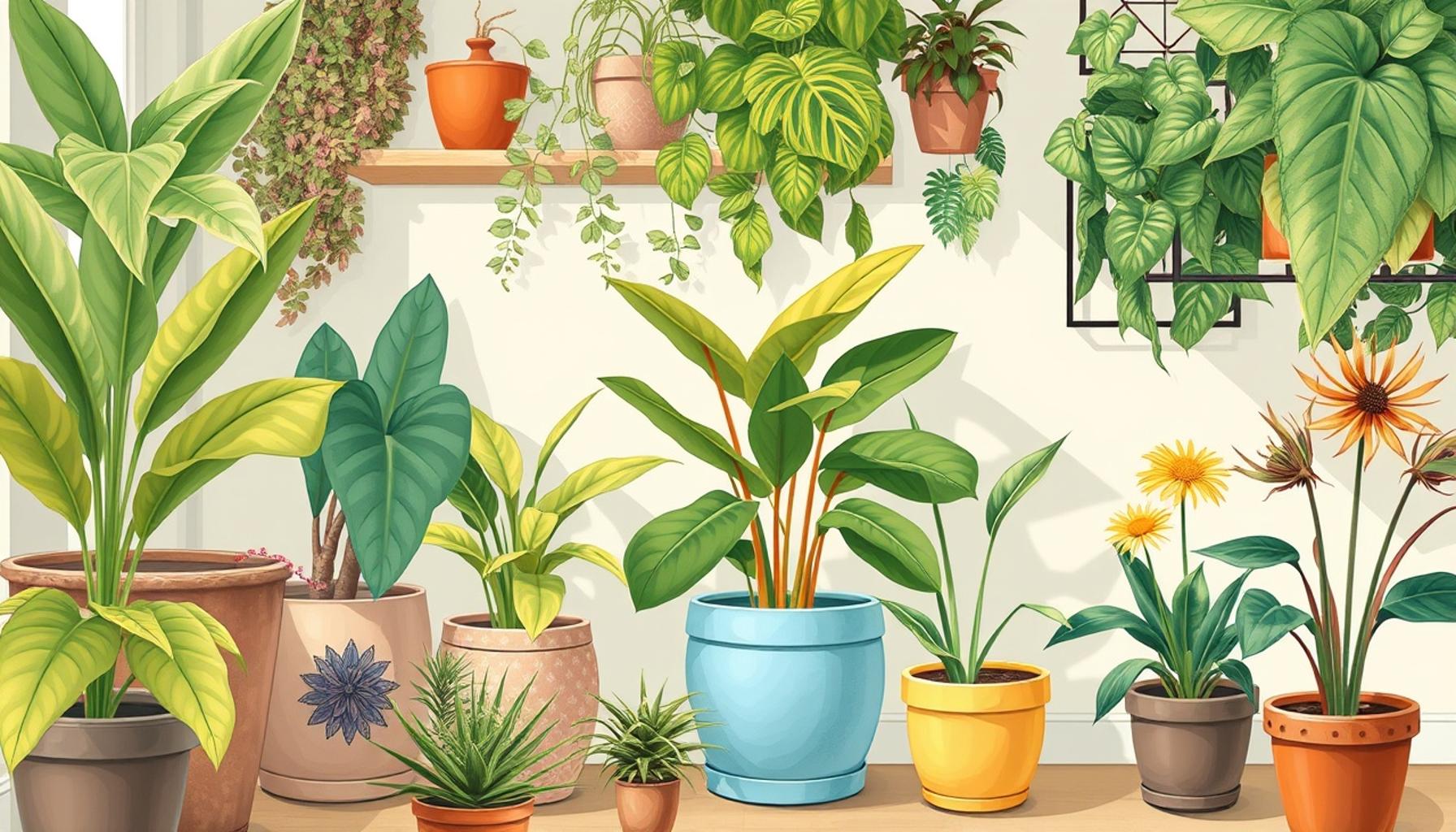
In a world where urban living often means limited square footage, bringing the beauty of nature indoors has become a delightful necessity. Indoor plants not only enhance the aesthetic appeal of small spaces, but they also improve air quality and boost mental well-being. For beginners in gardening, choosing the right types of plants can feel overwhelming, especially when working with limited area.
This article aims to guide you through the fascinating world of indoor plants, specifically focusing on varieties that thrive in compact environments. Here are a few key points we will cover:
- Benefits of indoor plants for small spaces
- Care requirements for beginners
- Top 5 indoor plants ideal for minimal space
By the end, you’ll have the knowledge needed to make informed choices and bring greenery into your home without feeling cramped. Let’s explore the best picks that will fit perfectly in your cozy corners!
Top 5 Indoor Plants: How to Choose the Best for Small Spaces
As urban living spaces shrink and the desire for a touch of nature indoors grows, the selection of indoor plants becomes an art as much as a science. Picking the right greenery is crucial not just for aesthetic appeal but also for its positive effects on air quality and mental well-being. Each plant offers a different aesthetic and functional advantage that can enhance the coziness and ambiance of your home. In the following sections, we will detail the top five indoor plants that are ideal for small spaces, arranged from least to most favorable in terms of overall suitability and ease of care.
5. Snake Plant (Sansevieria)
The Snake Plant, often referred to as mother-in-law’s tongue, stands out due to its rugged resilience and statuesque form. This makes it an excellent choice for beginners or forgetful plant parents. Its leaves rise vertically and come in various shades of green, accented with yellow edges or marbled patterns, making it both a striking visual addition and a space-efficient choice that demands minimal floor or shelf surface.
Functionally, the Snake Plant is also known for its unique ability to convert CO2 into oxygen, even during the nighttime, which isn’t common among most plants. This makes it a preferred choice for bedrooms where it can contribute to a good night’s sleep. To ensure your Snake Plant thrives, place it in indirect light, and water it only when the top layer of soil feels dry. While it can withstand low light, it truly flourishes in bright, indirect lighting, making it versatile for various room settings.
4. Peace Lily (Spathiphyllum)
The Peace Lily, celebrated for its lush, dark green leaves and beautiful white spathes that resemble flowers, brings a touch of serenity and grace to any small space. Its compact size allows it to fit neatly on side tables or bookshelves, making it both a decorative and functional piece in your home.
What makes the Peace Lily particularly appealing is its air-purifying prowess, as it effectively removes toxins like formaldehyde, benzene, and ammonia from the air. This contributes positively to indoor air quality, especially important in enclosed spaces. To care for a Peace Lily, ensure that its soil remains slightly moist; it doesn’t appreciate being too dry nor overly wet. Watch for drooping leaves, a clear indicator that your plant may need water or a repositioning for better light access. These lilies are quite adaptable, thriving in low to medium, indirect light environments.
3. Pothos (Epipremnum aureum)
Pothos, often called the “devil’s ivy,” is widely cherished among houseplant enthusiasts for its beauty and easygoing nature. This plant is highly forgiving, making it perfect for those who may lack a green thumb or live in less than ideal lighting conditions. Its heart-shaped leaves come in a variety of patterns and shades, from bright green to golden and variegated, allowing for aesthetic diversity.
Besides its appealing visuals, the Pothos is versatile in where it can be placed: hang it gracefully in a basket, let it cascade down a bookshelf, or climb up a trellis. Its robust nature allows it to tolerate both low and bright, indirect light. However, for lush growth and vibrant foliage, bright, indirect light is recommended. Watering should be consistent but cautious; allow the soil to dry out between watering sessions to prevent root rot. Fast-growing, this plant can eventually dominate its space, so be prepared for periodic pruning and propagation tasks.
2. ZZ Plant (Zamioculcas zamiifolia)
For those seeking minimal maintenance, the ZZ Plant is a prime candidate. With glossy, dark green leaves, the ZZ Plant adds an elegant touch to any room. Its remarkable tolerance for neglect makes it a fantastic option for busy individuals or those new to plant care. This plant can endure low light and irregular watering, thriving even in less favorable conditions.
A unique feature of the ZZ Plant is its ability to store water in its rhizomes, akin to small bulbs, which allows it to withstand drought-like conditions. It’s essentially a set-it-and-forget-it plant that, due to its durable nature, has a strong resistance to pests and diseases. For optimal care, place your ZZ Plant in indirect light and water only when the soil is completely dry. Overwatering is one of the few things that can harm it, so caution is advised.
1. Spider Plant (Chlorophytum comosum)
Securing the top spot on our list is the Spider Plant, renowned for its arching leaves and distinctive spider-like offshoots called “pups.” Ideal for small areas, they can adapt to various placements, from hanging baskets to desktop displays. In addition to their visual appeal, Spider Plants are well-regarded for their air-purifying abilities, helping to maintain healthy indoor air quality.
Spider Plants are particularly adept in removing pollutants such as carbon monoxide and xylene from the air, making them a healthy choice for urban environments. When caring for a Spider Plant, bright, indirect light is preferable, although they are adaptable to lower light conditions. They appreciate being watered regularly, but their soil should dry out slightly between waterings to avoid root rot.
To sum up, selecting the right indoor plants for limited spaces involves understanding both their care requirements and their contribution to enhancing your living environment. Consider factors such as lighting, watering needs, and the aesthetic you wish to achieve. With a thoughtful approach, these plants can transform even the smallest home into a lush, green sanctuary.
When it comes to selecting the right indoor plants for small spaces, understanding the advantages of different categories is crucial. Below is an HTML formatted table that outlines various categories of indoor plants along with key characteristics and benefits that can significantly enhance your decision-making process.
| Plant Type | Great Features |
|---|---|
| Succulents | Low maintenance, drought-resistant, and come in various shapes and sizes, making them perfect for small spaces. |
| Fern Varieties | Air-purifying qualities and lush foliage add greenery without taking up much room. |
| Herbs | Functional and aromatic, they can enhance culinary experiences while fitting into smaller containers. |
| Compact Flowering Plants | Adds color and vibrancy, great for creating focal points without overwhelming your space. |
This table categorizes plants based on their attributes and benefits, which can simplify your selection process when choosing plants for small spaces. By considering the characteristics of each type, you can make informed decisions that cater to your personal style and environmental conditions. For instance, succulents are not only stylish but also thrive on minimal care, making them ideal for busy individuals or those new to plant care. Ferns, on the other hand, can significantly improve indoor air quality, providing a health benefit alongside their aesthetic appeal. Herbs can serve dual purposes, enhancing your cooking while adding greenery, perfect for anyone who enjoys culinary adventures. Lastly, compact flowering plants can bring a splash of color and joy to your environment without taking up significant real estate in small spaces. Incorporating this knowledge will empower you to create a thriving indoor garden that is both functional and beautiful.
Frequently Asked Questions about Indoor Plants for Small Spaces
How do I choose the right indoor plant for a small space?
When selecting an indoor plant for a small space, consider both the available light and the plant’s growth habits. For low-light areas, choose plants like the snake plant or pothos, which thrive in such conditions. If you have more light, a peace lily or spider plant might do well. Additionally, look for plants that remain compact, such as succulents or small ferns, to avoid overcrowding your space.
What are the best low-maintenance indoor plants for small apartments?
For hassle-free greenery, opt for low-maintenance plants such as the ZZ plant, which requires minimal watering and can tolerate low light. The snake plant is another excellent choice as it can thrive in various light conditions and doesn’t need frequent watering. Both of these plants are ideal for busy individuals or those who are new to plant care.
How can I make a small space look bigger with indoor plants?
To create an illusion of spaciousness with plants, utilize vertical space by hanging plants or using wall-mounted planters. Opt for plants with trailing vines like ivy or heartleaf philodendron, which can cascade downwards and draw the eye upward. Additionally, incorporating lighter-colored pots and placing taller plants in corners can help open up the room.
Conclusion: Embracing Indoor Plant Varieties for Small Spaces
Embarking on the journey of selecting the best indoor plants for small spaces requires thoughtful consideration and understanding. As we explored throughout this article, choosing the right plants involves assessing factors like available light, maintenance needs, and growth habits. For beginners venturing into the realm of indoor gardening, this can seem daunting, but armed with the right knowledge, it becomes an enriching experience.
Among the top contenders for small spaces are plants like the Snake Plant, which thrives in low light and requires minimal care. The Pothos, with its trailing vines, offers an elegant touch without demanding too much attention. If you’re seeking something unique, the Zebra Haworthia is small yet striking, perfectly suited for constrained spaces. The Peace Lily adds a touch of sophistication while purifying the air, and the Spider Plant not only fares well in various conditions but also contributes to a healthier environment.
Choosing the right indoor plants can transform your living space into a vibrant oasis, even in the smallest of apartments. It enriches your environment, improves air quality, and provides the satisfaction of nurturing life. As we have highlighted, the key is to start with easy-to-care-for plants and gradually expand your collection as you gain confidence and experience.
Remember, the world of indoor gardening is vast and rewarding. With the insights provided, you are well on your way to creating a lush, green corner that suits your space and lifestyle. By embracing these manageable yet beautiful plant varieties, you can enhance your home environment and foster a love for gardening that will grow alongside your thriving plants.