Exploring Low-Maintenance Plant Varieties for Gardening Beginners
Understanding Low-Maintenance Plants
Gardening can be an incredibly gratifying pursuit, especially for individuals seeking a deeper connection with the natural world around them. However, the prospect of maintaining a garden often leaves beginners feeling daunted by the potential time and energy required. Fortunately, the garden world offers a variety of low-maintenance plant varieties specifically designed to alleviate these concerns.
By selecting the right plants, novice gardeners can create lush, thriving landscapes with minimal effort. These plants typically possess certain key characteristics that make them suitable for low-maintenance gardening:
- Drought-resistant: These plants are particularly suited for areas where rainfall is unpredictable or limited. Examples include succulents and native grasses that can thrive with infrequent watering.
- Pest-resistant: Varieties that repel harmful insects can significantly diminish the need for chemical pest control. For instance, marigolds are known to deter nematodes and aphids, making them an excellent choice for beginners.
- Perennial varieties: By planting perennials, gardeners enable their garden to flourish year after year without the hassle of replanting every season. Species like daylilies and peonies are perfect examples of vibrant perennials.
Examples of Low-Maintenance Plants
Choosing the right types of plants can instill a sense of confidence in new gardeners while encouraging exploration and enjoyment. Some popular low-maintenance plant options ideal for those just starting their gardening journeys include:
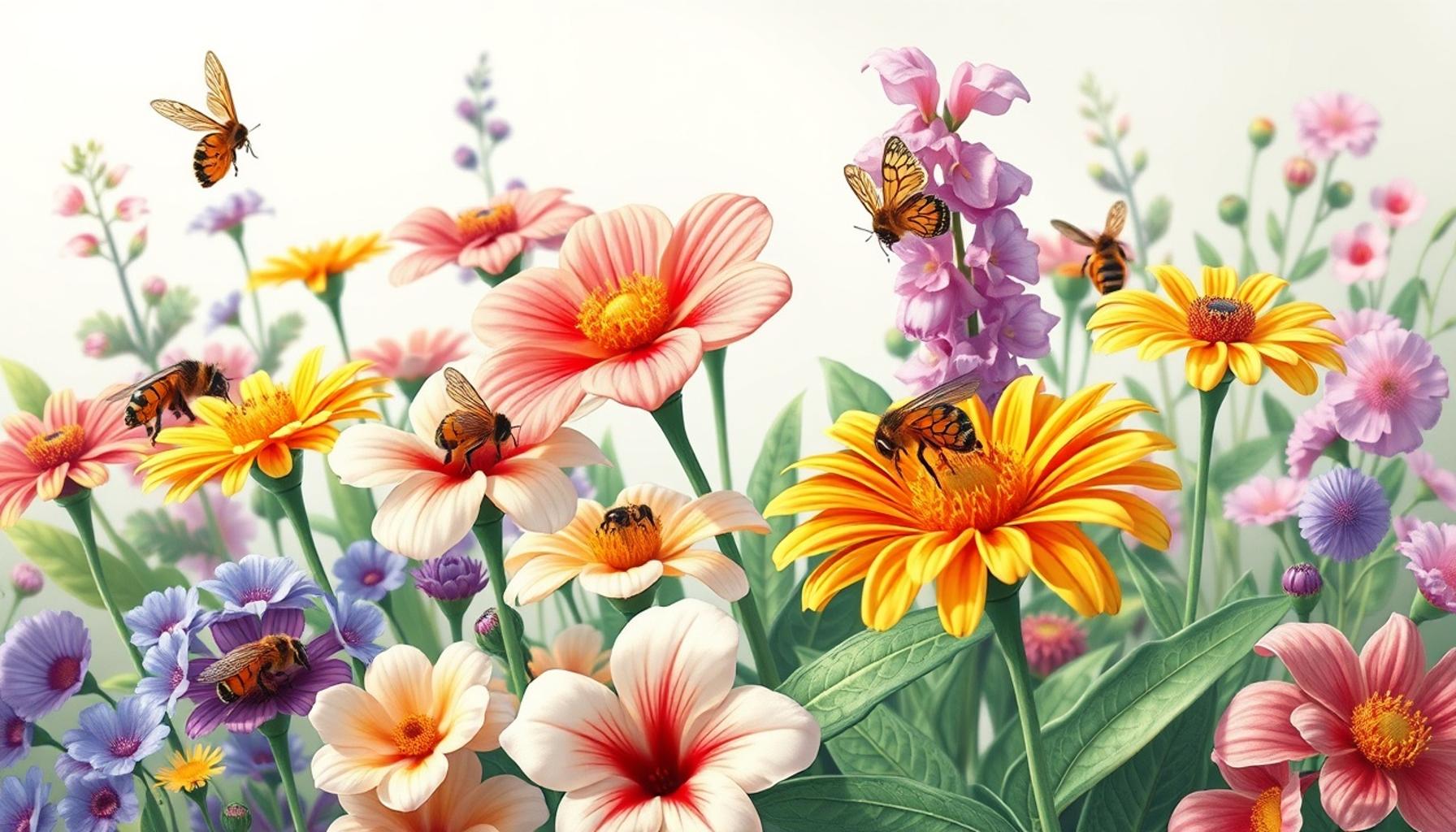
- Lavender: This delightful herb not only emits a calming fragrance but also thrives in drought conditions. It’s an excellent addition to any garden and can attract beneficial pollinators such as bees.
- Hostas: Renowned for their lush foliage, hostas are perfect for shaded areas in the garden. They require little care and can dramatically enhance the visual appeal of darker corners.
- Echinacea: Also known as coneflower, echinacea is a stunning perennial that attracts a variety of pollinators, ensuring a lively and vibrant garden. Not only are they striking in appearance, but they also thrive with minimal intervention.
By putting effort into selecting low-maintenance plant varieties, new gardeners can transform their spaces into beautiful oases without feeling burdened. This thoughtful approach allows individuals to enjoy the benefits of gardening while building a lasting appreciation for nature. With the right plants, beginners can cultivate not just their gardens but also a rewarding hobby that offers both beauty and tranquility.
DON’T MISS: Click here to learn effective pest control strategies
Why Choose Low-Maintenance Plants?
For gardening beginners, the journey can often feel overwhelming with the myriad of choices available. This is where low-maintenance plants stand out, serving as the perfect gateway into the world of gardening. One of the principal reasons to opt for these varieties is their ability to thrive in various conditions, minimizing the time spent on upkeep. Instead of facing the frustration of wilted leaves or invasive weeds, novices can focus on enjoying the beauty of their growing garden.
Key Benefits of Low-Maintenance Plant Varieties
Low-maintenance plants offer numerous advantages for beginner gardeners, making them an appealing choice. Understanding these benefits can inspire new gardeners to dive into the green world with confidence. Here are several key reasons that highlight their appeal:
- Time-Saving: With less need for regular watering, pruning, and fertilizing, beginners can spend more time enjoying their green spaces rather than struggling to maintain them.
- Cost-Effective: Fewer inputs mean lower expenses. Using drought-resistant and pest-resistant plants can significantly reduce the need for fertilizers, water, and pest control products.
- Environmental Benefits: Many low-maintenance plants are native species that support local ecosystems. By planting them, gardeners contribute to biodiversity while minimizing water usage.
- Year-Round Appeal: Low-maintenance plants often include diverse varieties that offer seasonal interest, ensuring the garden remains visually striking throughout the year without constant replanting.
Choosing the Right Location
The success of a low-maintenance garden extends beyond the selection of plants. The placement of these varieties is equally as important. Understanding your garden’s sun and shade patterns can help ensure that your selected plants thrive in their designated spaces. For instance, lavender flourishes in sunny spots, while vibrant hostas do exceptionally well in shaded areas. By matching plants to their ideal environments, beginner gardeners can significantly reduce the need for adjustments after planting.
Gardening novices must also consider soil quality, which can dramatically affect plant health. Conducting a simple soil test can provide critical information on pH levels and nutrient content, guiding beginners in choosing plants that will perform well in specific conditions. With this knowledge, aspiring green thumbs can ensure their gardens are not only low-maintenance but are also thriving ecosystems that showcase beauty and resilience.
In conclusion, embracing low-maintenance plant varieties opens up a world of possibilities for beginner gardeners. With their many benefits, including reduced upkeep and environmental advantages, these plants allow novices to cultivate a beautiful and rewarding garden experience without the stress of extensive maintenance. By making informed choices and understanding their gardens better, individuals can embark on a fulfilling gardening adventure that nurtures both their spaces and their spirits.
| Plant Variety | Key Attributes |
|---|---|
| Succulents | Require minimal watering; ideal for beginners. |
| Ornamental Grasses | Drought-resistant; low maintenance throughout seasons. |
| Perennials | Return each year with little intervention. |
| Herbs (e.g., Rosemary, Thyme) | Useful in cooking; thrive in various conditions. |
The world of gardening can be incredibly rewarding, especially for beginners who are eager to cultivate their green thumbs without the burden of extensive upkeep. Choosing low-maintenance plant varieties allows new gardeners to enjoy a thriving garden while spending less time worrying about their care. Succulents, for instance, are not only beautiful, but they also store water in their leaves, making them incredibly resilient in dry environments. These hardy plants thrive on neglect, requiring only occasional watering, making them a fantastic choice for busy individuals.Ornamental grasses, on the other hand, add texture and movement to gardens, flourishing without much attention. They excel in various soil types and conditions, providing seasonal interest with their graceful form.Furthermore, perennials represent another excellent option for beginner gardeners. Once established in the garden, these plants return year after year, allowing novices to enjoy consistent blooms without needing to replant annually. Lastly, incorporating herbs such as rosemary and thyme not only enhances your culinary endeavors but also adds a touch of fragrance and beauty to your garden without demanding excessive maintenance. These plants are often highly adaptable, thriving in pots or garden beds with minimal fuss. Each of these low-maintenance varieties can help gardeners build confidence as they embark on their horticultural journey.
DISCOVER MORE: Click here to learn effective pest control strategies
Popular Low-Maintenance Plant Varieties
When it comes to low-maintenance gardening, certain plant varieties have emerged as favorites among beginners for their resilience and ease of care. Here is a selection of popular low-maintenance plants that not only beautify your garden but also allow you to cultivate a vibrant outdoor space with minimal effort:
- Succulents: These hardy plants are a staple in low-maintenance gardens. Succulents like Aloe Vera or Sedum require minimal watering, thriving in dry conditions. Their unique shapes and colors make them aesthetically pleasing, while their endurance sharply reduces the risk of wilting.
- Perennial Flowers: Plants such as Daylilies and Black-Eyed Susans return yearly without needing to be replanted. They are drought-resistant and thrive in various soil types, providing beautiful blooms with very little maintenance.
- Ornamental Grasses: Varieties like Blue Fescue and Maiden Grass not only add texture and movement to gardens but also require little grooming. Their drought resistance makes them ideal for less frequent water needs.
- Herbs: Culinary herbs such as Thyme, Oregano, and Rosemary are perfect for beginners. These plants can be grown in pots or directly in the ground, are low-maintenance, and provide fresh ingredients for cooking.
- Ground Covers: Consider Creeping Thyme or Ajuga as low-maintenance options for filling in bare patches of garden. These ground covers suppress weeds and require minimal upkeep, while their dense foliage enhances the garden’s visual density.
Watering and Soil Considerations
An understanding of watering and soil needs is critical to the success of a low-maintenance garden. While low-maintenance plants are designed to be resilient, they still need some basic care, especially during their establishment period. A thoughtful watering schedule can make all the difference. For most low-maintenance plants, a deep soak once a week is preferable to shallow watering, ensuring that roots can develop adequately.
Additionally, the right type of soil can further enhance the health and resilience of your plants. Using a mixture of native soil with organic matter, like compost, can improve drainage and provide essential nutrients. This approach not only fosters growth but also increases moisture retention, reducing the frequency of watering. For areas prone to drought, employing mulching techniques can help to keep soil temperature stable and minimize water evaporation.
Understanding Seasonal Care
While low-maintenance does not equate to no-maintenance, understanding seasonal care is essential for keeping your garden healthy. For many low-maintenance varieties, some light seasonal tasks can enhance their lifespan and beauty. During spring, a gentle pruning or deadheading of perennial flowers encourages new growth while also keeping them tidy. In the fall, applying a layer of mulch can protect roots from freezing temperatures.
Moreover, being aware of the specific growth patterns and seasonal needs of low-maintenance plants can arm you with valuable knowledge. For instance, many ornamental grasses look best when cut back in early spring, while certain flowering perennials thrive when divided every few years. Engaging in these light tasks ensures that your garden remains a vibrant sanctuary while allowing you to appreciate the relaxed approach to gardening that low-maintenance plants embrace.
LEARN MORE: Click here to dive deeper
Conclusion
In summary, exploring low-maintenance plant varieties opens up a world of possibilities for gardening beginners eager to create a vibrant, inviting outdoor space without the burden of extensive upkeep. The selection of resilient plants, including succulents, perennial flowers, and culinary herbs, demonstrates that beauty in gardening can thrive alongside simplicity. By choosing the right species, understanding soil needs, and employing smart watering practices, novice gardeners can cultivate flourishing landscapes that require minimal intervention.
Moreover, recognizing the importance of seasonal care ensures that your garden remains healthy and visually appealing throughout the year. Engaging in light maintenance tasks during key seasons significantly enhances the longevity and aesthetic qualities of low-maintenance plant varieties. As you embark on your gardening journey, consider documenting your experiences and observations—this process can deepen your understanding and appreciation of nature while reinforcing your newfound skills.
Ultimately, low-maintenance gardening serves as an inviting entry point for those looking to connect with nature, foster creativity, and enjoy the therapeutic benefits of working with plants. With the right attitude and knowledge, anyone can achieve a stunning garden that not only enhances their home but also brings joy and tranquility to their daily lives. So grab your gardening tools, explore the incredible array of low-maintenance options available, and transform your outdoor space into a personal oasis of beauty and serenity.