Exploring Native Plant Varieties: Enhancing Biodiversity in Your Home Garden
Enhancing Your Garden with Native Plants
Imagine a garden buzzing with life, where the vibrant colors of native flowers intertwine with the fluttering wings of pollinators. By incorporating native plant varieties, you can create an ecosystem that not only beautifies your space but also supports local wildlife. This article delves into how native plants can significantly enhance biodiversity in your home garden.
Benefits of Native Plants:
- Less Maintenance: Native plants are highly adapted to local soil and climate conditions, which means they typically require less water, fertilizer, and pesticides compared to non-native species. For instance, plants like Goldenrod (Solidago spp.) can thrive with minimal intervention, alleviating the gardener’s burden of frequent upkeep.
- Attract Pollinators: Native species are essential for attracting local pollinators such as bees, butterflies, and hummingbirds. For example, the Milkweed, a crucial food source for Monarch butterflies, not only adds beauty to gardens but also plays a vital role in sustaining these important insects.
- Support Local Ecosystems: Native plants provide essential habitats and food for various local wildlife, aiding in the creation of a balanced ecosystem. Bird species like the American Goldfinch can thrive on seeds from native plants such as Thistles, benefiting from their presence for both food and nesting materials.
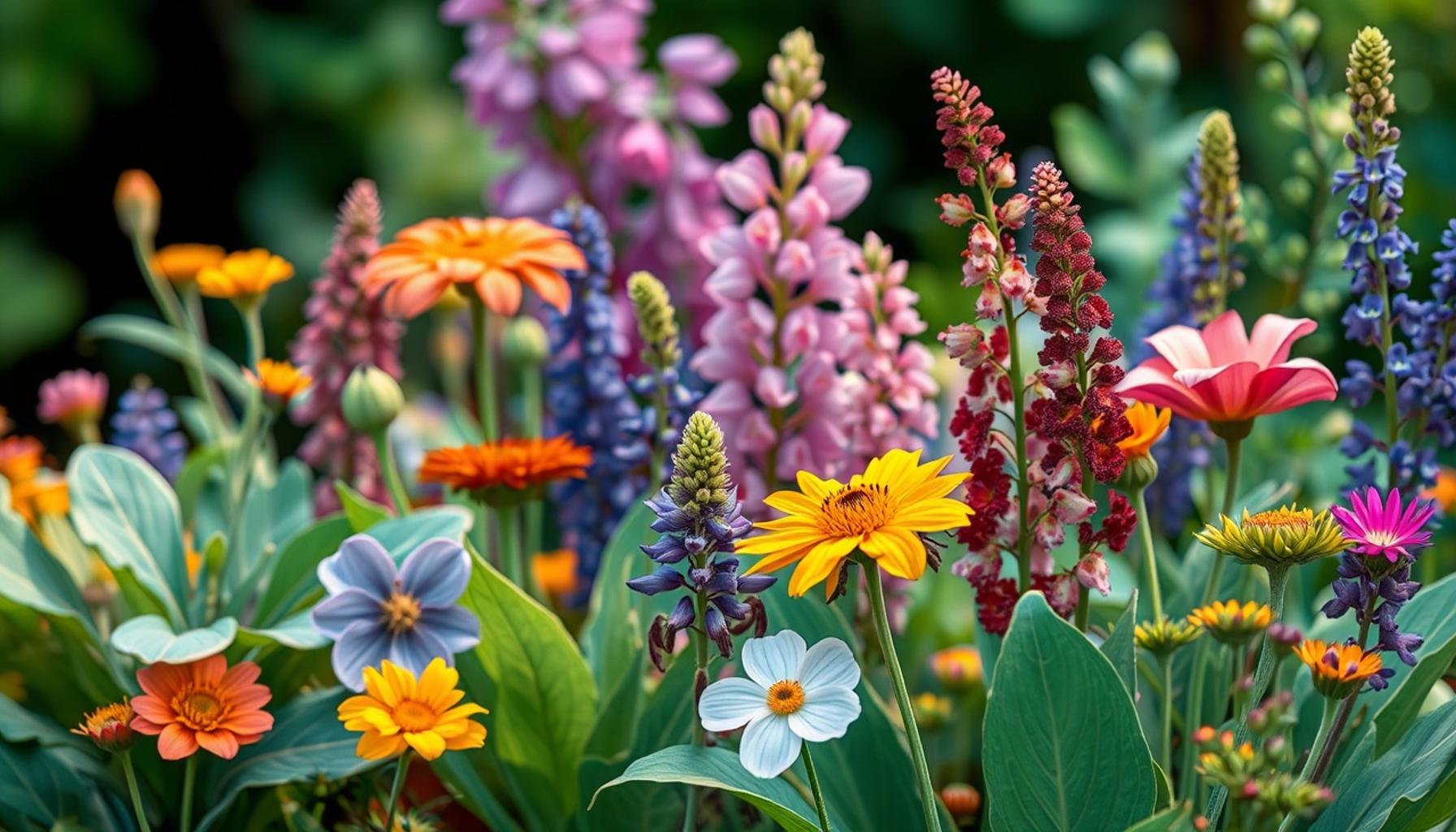
For gardeners in the United States, each region boasts a unique array of native plants that reflect and restore its ecological identity. Consider incorporating species like the Purple Coneflower (Echinacea purpurea), known for its striking purple petals and resilience, or the Black-eyed Susan (Rudbeckia hirta), a cheerful yellow flower that thrives in various conditions. The Butterfly Milkweed (Asclepias tuberosa) not only adds vibrant color but also serves as a larval food source for monarchs, in turn helping to combat their declining populations.
Moreover, planting native species can significantly reduce the need for watering and chemical inputs, making them a sustainable choice as climate change alters weather patterns. For example, the Eastern Redbud (Cercis canadensis) showcases stunning pink blossoms in the spring while adapting brilliantly to local rainfall levels, thereby conserving resources.
Join the movement towards a sustainable garden by exploring the variety and beauty of native plants. Consider visiting local native plant nurseries or botanical gardens to learn more about which species thrive in your area. Discover how these natural wonders can transform your backyard into a thriving habitat not just for yourself, but for the local wildlife as well. Embracing native plants is not only a step towards beautifying your garden; it is a meaningful contribution to the earth’s biodiversity and ecological health.
DISCOVER MORE: Click here to learn about essential irrigation tips
Diverse Native Plant Options for Your Garden
When it comes to enhancing biodiversity in your home garden, the variety of native plants available to you is astounding. These species not only bring uniqueness and beauty but also play a pivotal role in fostering local wildlife populations. Below are some popular categories of native plants that can thrive in different regions of the United States, along with their benefits.
- Wildflowers: Incorporating a selection of native wildflowers, such as Black-eyed Susans (Rudbeckia hirta) and Coreopsis (Coreopsis spp.), can create stunning displays of color while attracting pollinators like bees and butterflies. These plants bloom with resilience, enduring various weather conditions, and can support vibrant insect populations.
- Shrubs: Native shrubs such as the New Jersey Tea (Ceanothus americanus) and Serviceberry (Amelanchier spp.) not only beautify your garden but also provide essential food sources for birds and other wildlife. Their berries attract birds, while their blossoms offer nectar for pollinators, creating a dynamic food web.
- Grasses: Ornamental grasses like Little Bluestem (Schizachyrium scoparium) and Prairie Dropseed (Sporobolus heterolepis) add texture and movement to your garden. Grasses are native to many areas and often require less water and care, making them suitable for sustainable gardening practices.
- Ground Covers: Consider planting native ground covers such as Creeping Thyme (Thymus serpyllum) or Wild Strawberry (Fragaria vesca) to fill in bare spots while attracting beneficial insects. These hardy plants not only enhance soil health but also minimize weed growth, reducing the need for chemical herbicides.
In every geographical region across the U.S., special emphasis should be placed on selecting species that are indigenous to your locale. For example, in the Northeast, the vibrant Purple Coneflower (Echinacea purpurea) can withstand drought conditions while luring essential pollinators. Meanwhile, Western regions might find the drought-resistant hearty California Poppy (Eschscholzia californica) an appealing choice. Engaging with local horticultural societies or botanical gardens can help you discover an even broader spectrum of native plant choices suited to your unique local ecosystem.
The commitment to using native plants also aligns well with ecological gardening practices, which emphasize working with nature rather than against it. Native plants are inherently resistant to local pests, thus often reducing the need for pesticides. This not only protects your garden but also supports the health of the surrounding environment by preventing harmful chemicals from leaching into local waterways. Embracing this principle is a stepping stone towards creating a balanced and sustainable garden.
As you explore the endless possibilities offered by native plants, take the time to observe the wildlife that frequents these natural wonders. From the flutter of butterfly wings to the chirping of nesting birds, your garden will transform into a rich habitat, demonstrating how native plant varieties can significantly enhance biodiversity in your home garden.
Exploring Native Plant Varieties: Enhancing Biodiversity in Your Home Garden
As you delve deeper into the world of native plants and their vital role in enhancing biodiversity within your home garden, it becomes evident that these plants do much more than beautify your landscape. They create sanctuaries for local wildlife, including pollinators, birds, and beneficial insects. By planting a variety of native species, you can foster a thriving ecosystem right in your backyard.
One of the most compelling reasons to embrace native plant varieties is their adaptability to local climates and soils. Native plants have evolved alongside local fauna, meaning they require less water and fewer nutrients than their non-native counterparts. This not only decreases maintenance but also supports sustainability in your gardening practices.
Additionally, planting native species can significantly reduce the need for chemical fertilizers and pesticides, promoting a healthier environment both for your family and for the ecosystem at large. You will find that many native plants are naturally resistant to local pests and diseases, further enhancing their appeal.
Moreover, native plants contribute to soil health and can help prevent erosion with their extensive root systems. They enhance the soil structure by improving its composition and moisture retention, which in turn supports a more diverse range of plant life.
As you consider transforming your garden into a native plant haven, take into account the seasonal benefits these plants offer. Many native species provide continuous blooms throughout the seasons, ensuring that your garden is not only visually appealing but also a source of food and habitat for wildlife year-round.
| Advantage | Impact |
|---|---|
| Enhanced Ecosystem | Supports local wildlife by providing essential habitats and food sources. |
| Low Maintenance | Reduced water and nutrient needs lead to less effort and resource expenditure for gardeners. |
In summary, incorporating native plant varieties into your home garden is not just an aesthetic choice; it’s a transformative step towards nurturing local biodiversity and fostering ecological balance. As you explore these rich, diverse plants, consider how your gardening practices can lead to a healthier environment for both your community and the planet.
DISCOVER MORE: Click here for expert gardening tools advice
Creating a Thriving Habitat: Benefits of Native Plants
Beyond the aesthetic allure that native plants bring to your garden, these species also provide critical ecological functions that support local ecosystems. By incorporating native plant varieties, you contribute significantly to enhancing biodiversity, enriching wildlife populations, and maintaining a balanced environment around your home.
One of the most significant advantages of native plants is their ability to support local pollinators. Bees, butterflies, and other pollinators are crucial for the reproduction of many plants, including a vast number of crops. According to the U.S. Department of Agriculture, nearly 75% of all flowering plants depend on pollinators to produce fruits and seeds. By planting native species adapted to your area, you not only create a vibrant atmosphere but also offer a well-suited food source and habitat for these essential creatures.
Moreover, native plants are crucial for soil health. They tend to have deeper and more extensive root systems than non-native varieties, which help retain moisture and nutrients in the soil. This natural process reduces soil erosion and allows for better water infiltration, ultimately supporting a healthier garden ecosystem. As Ryan Martin, a horticulturist at the University of Florida’s Institute of Food and Agricultural Sciences, points out, “Healthy soil acts as a living system that is better equipped to support plant life and resist pest pressure.”
Another notable point is that using native plants can decrease your garden’s water requirements. Many native species are adapted to local rainfall patterns and can thrive in drought conditions, reducing the need for supplemental watering. For instance, the Switchgrass (Panicum virgatum), native to much of North America, is known for its drought resistance while providing shelter and food for birds and insects. This characteristic is particularly advantageous in arid regions, where water conservation is increasingly vital.
Enriching Biodiversity with Companions
Creating a diverse planting palette that includes a variety of plant types encourages interaction among different species, leading to greater biodiversity. Layering your garden with a mix of flowers, grasses, trees, and shrubs not only provides habitat but also ensures that wildlife has continuous access to food throughout the seasons. For example, planting a mix of Joe Pye Weed (Eutrochium purpureum) and Goldenrods (Solidago spp.) can ensure a succession of blooms, offering nectar sources from late summer into fall, benefiting pollinators and other wildlife.
Additionally, native plants often encourage beneficial relationships with local wildlife. Many bird species utilize native plants as nesting sites and rely on their seeds and fruits as food. For instance, the Eastern Red Cedar (Juniperus virginiana) is known to provide dense cover for birds while offering berries that attract various species. This interconnectedness fosters a thriving garden ecosystem, where each plant and animal plays an essential role.
In your quest to enhance biodiversity in your home garden, consider using native plants as part of a holistic approach that links your outdoor space with the surrounding environment. By observing how each species interacts within this rich tapestry of life, you can truly appreciate the vital role that native plants play in creating vibrant, sustainable landscapes.
DISCOVER MORE: Click here to learn about compost’s benefits for your garden
Conclusion: Embracing Native Plants for a Sustainable Future
In conclusion, embracing native plant varieties in your home garden is not merely an aesthetic choice; it is a profound investment in the health of our environment. As demonstrated throughout this article, these plants form the backbone of local ecosystems, enriching biodiversity, supporting pollinator populations, and maintaining soil health. By selecting native plants, you foster a natural habitat that thrives on the principles of sustainability, adaptability, and resilience.
The benefits extend beyond individual gardens; they impact entire communities and contribute to the ecological balance crucial for our planet’s well-being. With native species, you can significantly reduce water requirements and pesticide use while simultaneously attracting a diverse array of wildlife, from pollinators to birds. The more we cultivate local flora, the more interconnected our landscapes become, promoting a blooming tapestry of life that is vital for future generations.
Taking the first step is simple; whether you plant a single butterfly bush or establish a native plant garden, every effort counts towards a larger goal of fostering biodiversity. Studies indicate that well-designed native landscapes can increase insect populations, improve water quality, and combat soil erosion. As you delve deeper into the world of native plants, you will discover an enriching experience that connects you to nature and reaffirms our shared responsibility for environmental stewardship.
As you embark on this journey, let your garden serve as a miniature ecosystem, a vibrant canvas that showcases the beauty and utility of native plants while enhancing the fabric of local biodiversity. Transform your outdoor space into a sustainable sanctuary, where every plant contributes to a flourishing environment. The call to action is clear: start exploring, planting, and nurturing native varieties in your home garden today.