Varieties of Succulent Plants: How to Start a Collection of Cacti and Succulents at Home
Discovering the World of Succulents
Succulent plants have taken center stage in the realm of houseplants, offering a unique blend of beauty and low maintenance. With their plump leaves and striking forms, these plants bring a touch of the desert to any home. Whether you’re a seasoned gardener or a curious beginner, starting a collection of cacti and succulents is an exciting adventure that promises both beauty and resilience.
Why Collect Succulents?
There are countless reasons to fall in love with succulents, including:
- Variety: Succulents come in numerous shapes, sizes, and colors. For example, the Haworthia is known for its rosette shape and unique serrated leaves, while the Sedum species boast dazzling clusters of tiny flowers. From the vibrant hues of Echeveria to the striking, twisted forms of Agave, there is a succulent for everyone.
- Low Maintenance: They require minimal water and care, making them ideal for busy lifestyles. Most succulents thrive on bright, indirect light and need watering only once every few weeks, depending on the season. This resilience means they can be perfect for those who travel frequently or have hectic schedules.
- Air Quality: Many succulents improve indoor air quality. Not only do they beautify spaces, but they also contribute to a healthier environment by filtering toxins from the air. For instance, the Aloe Vera plant is known for its ability to purify the air while doubling as a soothing remedy for minor cuts and burns.
From the spiky allure of a barrel cactus to the whimsical beauty of a jade plant, the possibilities are endless. These hardy plants can thrive in various environments, whether your home has ample sunlight or limited space, making them an excellent choice for apartment dwellers and suburban homes alike.
Getting Started
Creating your own collection can be as simple or as intricate as you wish. Consider these initial steps:
- Research local varieties suited for your climate. In the U.S., some of the most popular succulents include Agave, Jade, and Sempervivum, which can thrive even in outdoor gardens in certain regions.
- Choose the right pots and soil for drainage. Succulents dislike sitting in water, so opt for pots with drainage holes and use a mix designed specifically for cacti or succulents to ensure optimal growth.
- Learn about light requirements for each species. While many succulents prefer bright, indirect sunlight, some varieties, like the Christmas cactus, thrive in lower light conditions. Observing these nuances can greatly impact the health and longevity of your plants.
With just a bit of knowledge and the right tools, you can cultivate your personal oasis right at home. Dive into the world of succulents and discover the joy in caring for these remarkable plants. As you nurture your collection, you may find yourself becoming part of a broader community of succulent enthusiasts, sharing tips, experiences, and even trades! The journey of growing succulents leads not only to beautiful interiors but to deeper connections with nature and fellow plant lovers.
DIVE DEEPER: Click here to discover the pros and cons
Understanding the Diverse Varieties of Succulents
Before diving into the collecting process, it is essential to understand the diverse varieties of succulent plants that exist. Succulents encompass a wide range of species, categorized primarily by their unique characteristics, including leaf shape, coloration, and growth patterns. Among the most well-known families are Cactaceae, which includes cacti, and Crassulaceae, the family to which many popular succulents belong. Each group offers distinct varieties that can suit various decorating styles and personal tastes.
Popular Types of Succulents
Here are a few popular types of succulents you might consider including in your collection:
- Echeveria: Known for their rosette shape and vibrant colors, Echeverias are a favorite among succulent enthusiasts. These plants thrive in bright light and come in numerous varieties, each offering unique leaf shapes and hues.
- Haworthia: Haworthia species are smaller succulents characterized by their thick, fleshy leaves often arranged in rosettes. They tend to have unique textures, with some varieties displaying stunning stripes or bumps. They are perfect for low-light conditions.
- Agave: Not only are Agaves striking with their architectural form, but some species also produce stunning flower spikes. They are more suited for outdoor gardens in warmer climates; however, smaller varieties can also be cultivated indoors.
- Sempervivum: Also known as hens and chicks, Sempervivum can withstand cold temperatures and are excellent for outdoor rock gardens. Their ability to form clumps makes them particularly appealing for creating lush arrangements.
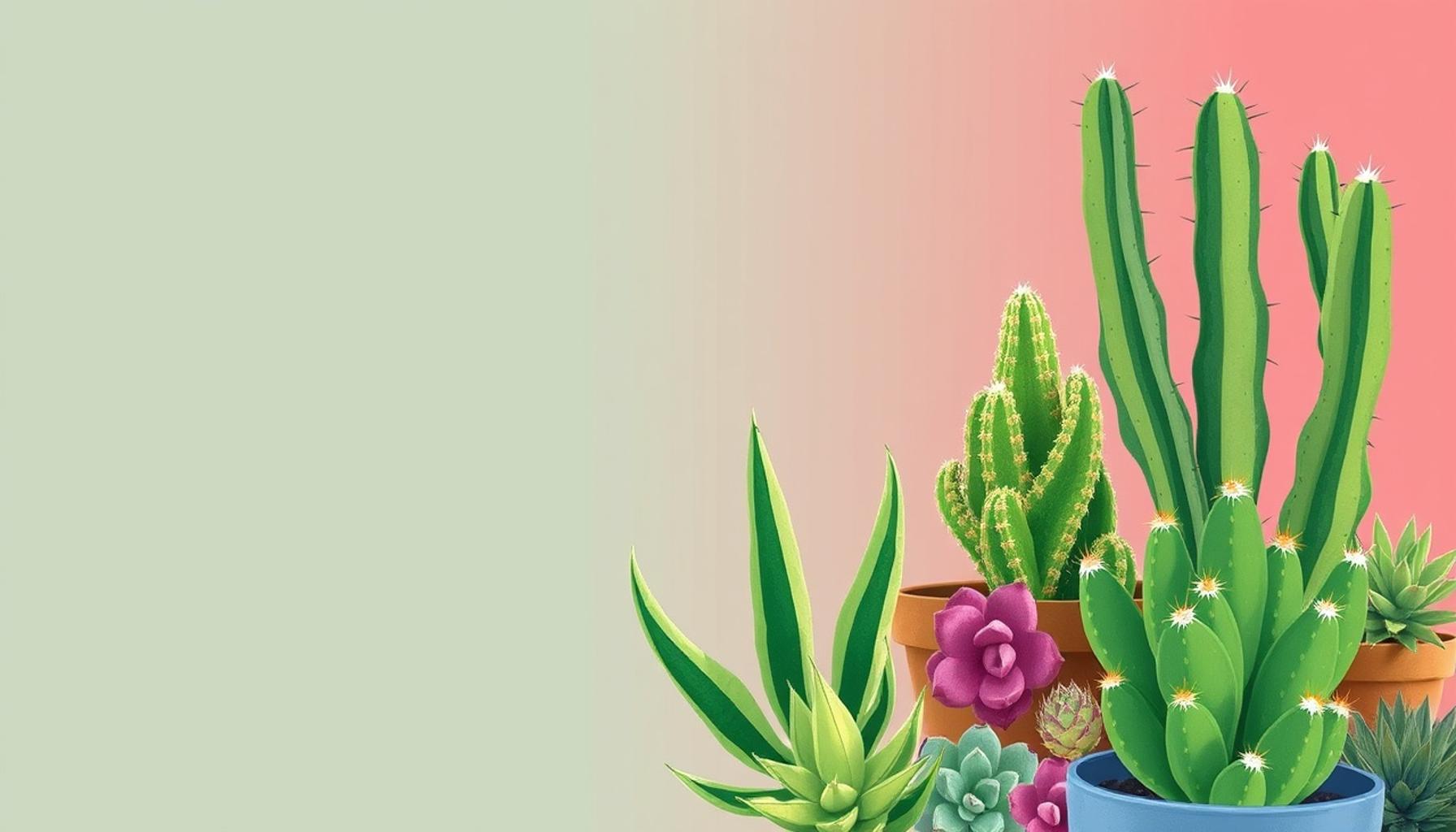
- Cacti: The most recognized succulents, cacti come in various shapes and sizes, from small, round barrel cacti to tall, tree-like saguaro cacti. Each species has unique adaptations, such as spines and thickened stems, to survive in harsh environments.
Investing time in learning about each of these succulent varieties can enhance your appreciation and care for them. Many beginners are often drawn to the more visually striking specimens such as Echeveria or colorful varieties of cacti, but experimenting with lesser-known species can yield surprising rewards in terms of aesthetics and growth habits.
Where to Find Succulent Varieties
Once you’re familiar with the types of succulents you want, the next stage is sourcing them. Local nurseries, garden centers, and plant specialty stores are excellent places to start as they often carry a diverse selection suited for the climate. Online plant shops also offer a vast range of unique varieties, enabling you to explore species that may not be available locally. Engaging in local plant swaps or visiting garden shows can also connect you to fellow enthusiasts and rare finds.
As you begin your succulent collection, remember that each plant comes with its own set of care instructions. Understanding their specific needs lays the groundwork for a thriving indoor or outdoor display. With a little patience and exploration, starting a collection can quickly transform into a passionate hobby that rounds out your love for greenery.
Varieties of Succulent Plants can transform any space into a vibrant oasis. From the striking geometric shapes of Haworthia to the bold hues of echeveria, each type of succulent brings its unique flair. These plants are not just visually appealing; they are also remarkably adaptable, allowing gardeners and indoor plant enthusiasts to explore a wide array of species suited for different environments. With their ability to store water, succulents require less frequent watering, making them perfect for busy individuals or those just beginning their plant journey.
Notably, cacti form a distinct subgroup within succulents, characterized by their spines and often intricate flowering patterns. Common varieties like the Bunny Ear Cactus and Barrel Cactus exhibit lush colors and textures, providing endless possibilities for creative arrangements. When selecting succulents for your collection, consider starting with hardy varieties that promise efficient growth even in less than ideal conditions, such as the Jade Plant or Senecio, known for their resilience.
| Succulent Type | Key Features |
|---|---|
| Haworthia | Small rosettes with striking markings. |
| Echeveria | Colorful rosettes perfect for arrangement. |
| Jade Plant | Symbol of good luck, hardy and easy to grow. |
| Senecio | Unique shapes and colors, drought-resistant. |
Starting a collection also involves understanding the right care routines for cacti and succulents. They thrive in well-draining soil and require ample sunlight to flourish. Regular pruning and potting will enhance their growth, allowing you to create dynamic displays that bring life to your home. For those looking to expand their knowledge further, consider joining online communities or local plant clubs, where you can share experiences and learn thoroughly about varieties of succulent plants. By nurturing your collection, you not only embrace nature but also discover the joys of plant care.
DISCOVER MORE: Click here to learn about the benefits of mulching</p
Creating the Perfect Environment for Your Succulents
Once you’re acquainted with the myriad of succulent varieties available, it’s time to focus on providing them with a nurturing environment that promotes healthy growth. Succulents are incredibly adaptable, but they do have specific care requirements that vary across different species. Creating the right conditions ensures your collection flourishes and remains vibrant.
Light Requirements
One of the first aspects to consider is light exposure. Most succulents thrive in bright, indirect sunlight. A south or west-facing window is often ideal, as it can provide the intensity these plants need without burning their leaves. However, individual species may vary; for instance, Echeverias will appreciate more sunlight compared to Haworthias, which can adapt to lower light conditions. If natural light is limited, consider investing in grow lights specially designed to replicate sunlight. This addition can help your collection maintain its vibrancy even in darker months.
Soil and Drainage
The choice of potting soil is crucial for the health of your succulents. A well-draining potting mix is essential to avoid root rot, which is one of the most common issues faced by succulent owners. Consider using a cactus mix or enhancing regular potting soil with materials like perlite or coarse sand to improve drainage. The goal is to create an environment where excess water can escape quickly, allowing roots to dry out between waterings. Always choose pots with drainage holes to facilitate this drainage.
Watering Practices
Understanding correct watering techniques is key to successful succulent care. Generally, succulents prefer to be watered thoroughly but infrequently; waiting until the soil is completely dry is vital before re-watering. Seasonal changes often dictate how often you should be watering—during the growing season (spring and summer), you may find yourself watering your plants more frequently than in the dormant winter months. A simple rule of thumb is to adopt a “soak and dry” approach: soak the soil completely, then allow it to dry out entirely before the next watering. Overwatering can lead to various issues, including mold and root rot.
Temperature and Humidity Preferences
Most succulents thrive in warm, dry conditions. They prefer average household temperatures, ranging between 60°F to 80°F (15°C to 27°C). In colder months, if temperatures drop below 50°F (10°C), it may be wise to bring outdoor specimens inside to protect them from frost. Humidity is another factor; succulents generally prefer low humidity levels, making them perfect for homes in drier climates. A humidity level of around 30% to 50% is ideal.
Fertilizing Your Collection
Though succulents don’t require extensive fertilization, they can benefit from it during their growing seasons. A diluted, balanced fertilizer every four to six weeks in spring and summer can encourage robust growth and vibrant colors. Look for fertilizers specifically formulated for cacti and succulents to ensure you’re providing essential nutrients without overwhelming the plants.
By understanding and addressing these important environmental factors, you will set the stage for a thriving succulent collection. It’s not just about choosing the right plants; it’s about creating a mini ecosystem that can sustain and enhance their beauty over time. The more you learn about these fascinating varieties, the more rewarding your experience will become, transforming your home into a lush haven of greenery.
DISCOVER MORE: Click here to learn about water-saving techniques
Conclusion: Cultivating Your Unique Haven of Succulents
Starting a collection of cacti and succulents at home can be a deeply fulfilling and enriching experience. With a vast array of varieties available, including popular types like Aloe Vera and Jade Plants, the opportunity for personalization is plentiful. As you embark on this journey, remember that knowledge is your greatest ally. Understanding each plant’s specific needs, from light and watering to soil and fertilization, is crucial in ensuring their longevity and vibrancy.
Equipping your home with the right environment—a perfect mix of sunlight, proper drainage, and appropriate temperatures—creates a sanctuary for these resilient beauties. Exploring different species not only adds diversity to your collection but also enhances your appreciation for nature’s ingenuity. Moreover, as you care for your plants, you may discover a sense of peace and mindfulness that comes from nurturing living things.
Consider joining online communities or local clubs focused on succulents and cacti, where you can exchange tips, share your collection, and gain insights from experienced enthusiasts. Whether you are a novice or an expert, this growing passion connects you to a broader conversation about biodiversity and gardening in urban settings.
In conclusion, cultivating a collection of succulents at home is more than just a hobby; it’s an opportunity to explore creativity, engage with nature, and foster a deeper connection to the world around you. So grab your potting supplies, pick your favorite varieties, and let your collection flourish, transforming your living space into a charming garden oasis.