Comparison of Manual vs. Electric Tools for Home Gardening
The Choice Between Manual and Electric Gardening Tools
Home gardening has transformed remarkably in recent years, offering enthusiasts an expansive selection of tools and techniques to explore. As gardeners embark on this journey, they often grapple with the critical decision between manual and electric tools. This choice can be daunting, but understanding the key differences can pave the way for more effective and enjoyable gardening practices.
Both tool types come with their own set of advantages, catering to various preferences and gardening styles. When contemplating which avenue to pursue, consider the following factors:
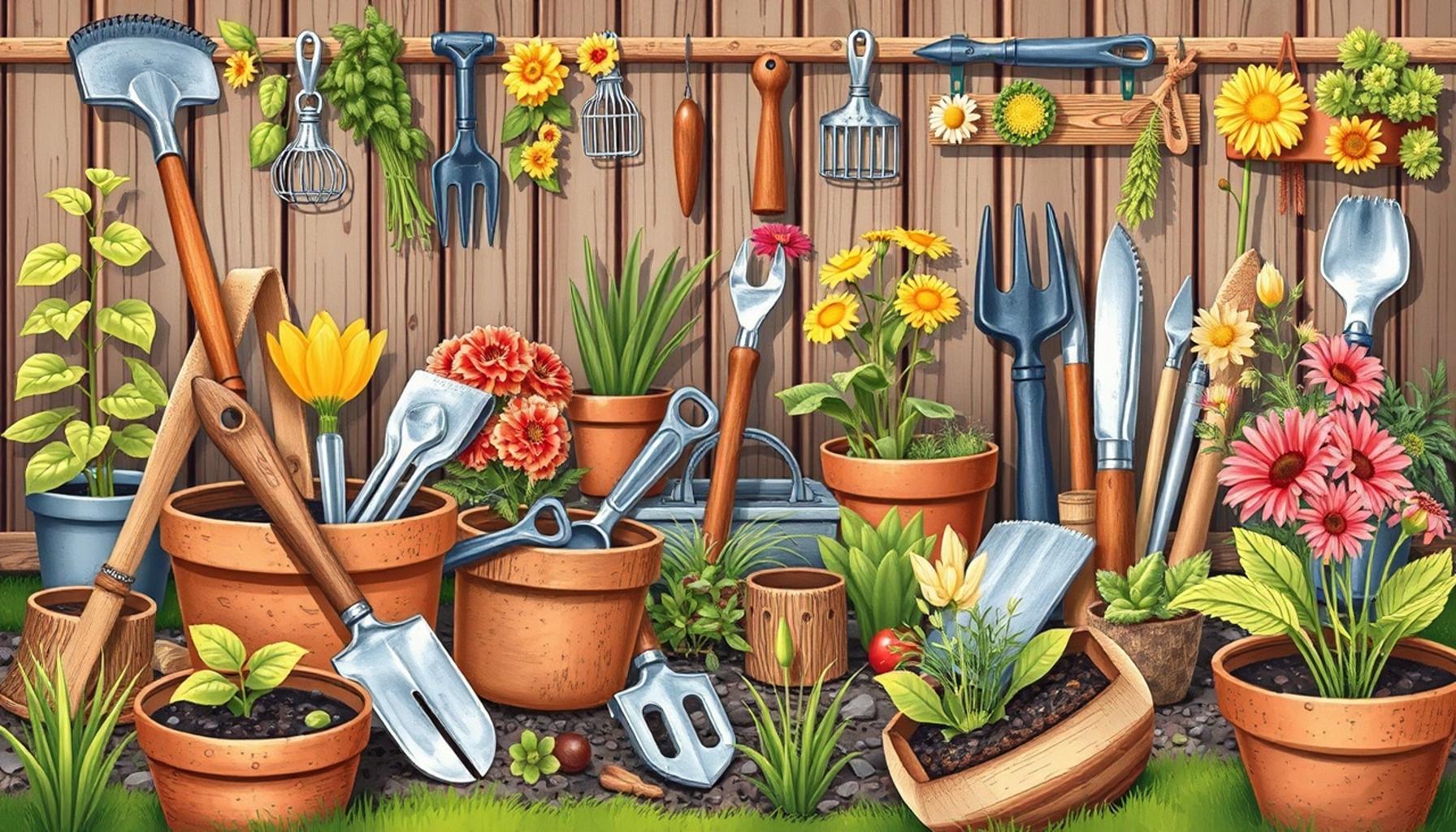
- Manual tools: These tools, such as trowels, pruners, and hand rakes, are celebrated for their simplicity and ease of use. They allow for greater tactile connection with the soil and plants, fostering a more intimate gardening experience. For instance, hand tools enable gardeners to dig carefully around delicate roots, minimizing distress to the plants.
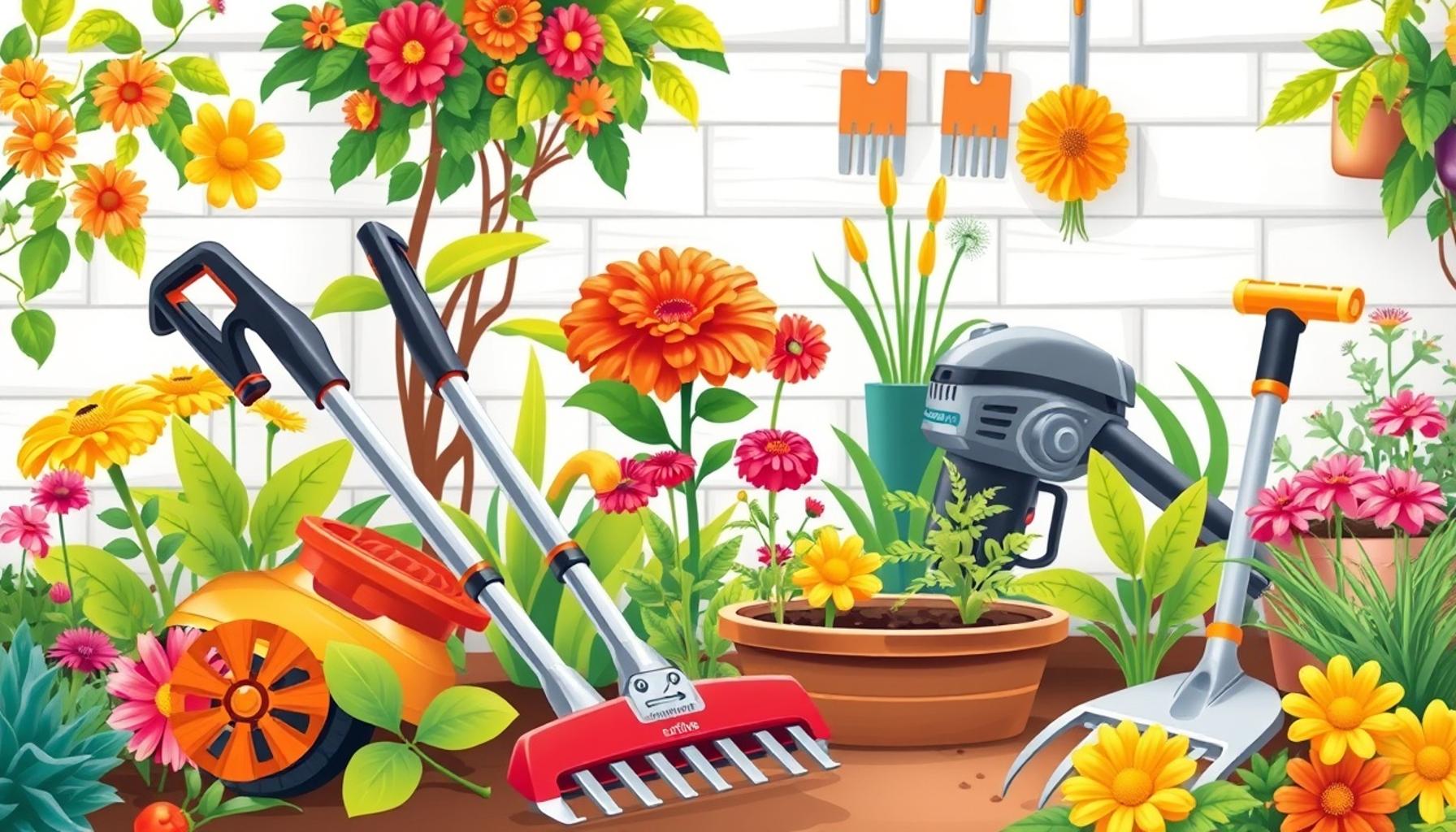
- Electric tools: On the other hand, electric tools, including tillers, hedge trimmers, and lawnmowers, boast powerful capabilities ideal for larger tasks. They can significantly reduce labor and time, making them a favorite among gardeners managing extensive plots. For example, an electric tiller can break ground much faster than a manual fork, making the initial preparation of a vegetable garden efficient.
- Sustainability: One of the key advantages of manual tools is their sustainability. These tools require no batteries or electricity, making them environmentally friendly. This is particularly appealing to eco-conscious gardeners who prioritize minimizing their carbon footprint.
- Efficiency: Electric tools shine in terms of efficiency, cutting down the time required for extensive gardening projects. For instance, using an electric mower can dramatically reduce the time spent maintaining a lawn each week, allowing more time for relaxation or further gardening activities.
Diving deeper into your gardening hobbies will help clarify your tool preferences. Whether you’re nurturing delicate flowers in a flower bed, growing an array of vegetables, or maintaining a sprawling lawn, the right tools can transform your experience. Gardeners can also take advantage of hybrid models that combine features of both manual and electric tools, offering versatility and adaptability.
As we explore the features, pros, and cons of both manual and electric tools in upcoming sections, you’ll gain insights into what may be the best fit for your gardening goals and personal style. Understanding these nuances can unlock your potential in the garden, fostering growth not only in your plants but also in your gardening skills.
DISCOVER MORE: Click here to learn about native plants
Examining Manual Tools: Simplicity Meets Tradition
When delving into the world of gardening, manual tools have long been the backbone of home gardening practices. These tools encompass everything from simple hand trowels and pruners to larger instruments like hoes and rakes. At their core, manual tools are designed for simplicity and ease of use, allowing gardeners to engage directly with the earth. For many, this tactile interaction not only fosters a connection with nature but also enhances the overall gardening experience.
One of the standout features of manual tools is their ability to offer precise control. Gardeners can wield a hand trowel to excavate soil around tender seedlings, carefully avoiding disruption of nearby roots. Such precision is often crucial for achieving the best outcomes in small garden plots or raised beds. Additionally, manual tools are typically lightweight, making them accessible for gardeners of all ages and skill levels.
Another appealing aspect of manual gardening tools is their affordability. Most hand tools are available at a lower price point compared to their electric counterparts, providing an economical option for beginners who are just starting to cultivate their green thumbs. Furthermore, because they require no batteries or charging, manual tools can be used whenever inspiration strikes, without concern for power availability.
The Role of Electric Tools: Powering Productivity
On the flip side, electric gardening tools have transformed the way many individuals approach larger gardening tasks. With machines like electric tillers, hedge trimmers, and weeders, gardeners can significantly streamline labor-intensive jobs. For instance, an electric tiller can prepare soil for planting in a fraction of the time it takes to do so by hand. This efficiency is particularly valuable for those managing larger gardens or maintaining expansive lawns.
Moreover, electric tools often come equipped with advanced features such as adjustable speed settings, allowing users to customize their gardening experience. A cordless electric hedge trimmer, for example, can effectively shape and maintain hedges without the hassle of maneuvering a cord around garden beds, offering more freedom of movement.
However, it’s essential to recognize the potential downsides of using electric tools. Dependence on electricity means that users must ensure their tools are charged and ready for use, which can be an inconvenience, particularly in remote areas. Additionally, electric tools tend to be more expensive and may require more maintenance and care than simple manual tools.
Considerations for Choosing Your Tools
As you weigh the benefits of manual versus electric tools, consider these key factors:
- Size of your garden: Larger plots may benefit from the speed and efficiency of electric tools, while smaller gardens might thrive with manual options.
- Personal physical comfort: If you have physical limitations or health concerns, electric tools may provide a viable solution to reduce strain during gardening tasks.
- Environmental impact: Manual tools are eco-friendly and can be a great choice for gardeners looking to minimize their environmental footprint.
Ultimately, the decision between manual and electric tools comes down to personal preference and specific gardening needs. By carefully considering the benefits of each type, gardeners can equip themselves with the right tools to cultivate not just their plants, but also their skills and satisfaction in gardening.
Comparison of Manual vs. Electric Tools for Home Gardening
| Category | Advantages |
|---|---|
| Manual Tools | Environmentally Friendly – They do not require electricity or batteries. |
| Cost-Effective | Less initial investment and no ongoing power costs. |
| Electric Tools | Time-Saving – Often quicker to complete tasks compared to manual options. |
| Ergonomic Benefits | Less physical strain, making gardening accessible to a broader audience. |
When evaluating the comparison of manual vs. electric tools for home gardening, it becomes clear that each category has distinct advantages that can appeal to different types of gardeners. Manual tools, often lauded for their eco-friendliness and low maintenance, foster a hands-on gardening approach that can enhance physical fitness and connection with plants. On the other hand, electric tools cater to efficiency and ease, ideal for those with larger gardens or limited physical strength, allowing them to reap the rewards of gardening without the added labor. In this evolving garden landscape, understanding the nuances and specific benefits of both tools is essential for any gardener looking to optimize their gardening experience, leading to a more fruitful yield. Investigating this topic further could uncover insights into the best tools suited for individual gardening styles and ability levels.
DISCOVER MORE: Click here to explore the perfect tools for small space gardening
Finding the Balance: The Synergy of Manual and Electric Tools
As gardeners dive deeper into their horticultural journeys, the choice between manual and electric tools doesn’t always have to be an either/or scenario. Many seasoned gardeners find that a hybrid approach can maximize efficiency and enjoyment. By combining both types of tools, they can leverage the unique advantages of each to effectively tackle a variety of gardening tasks.
For example, while an electric tiller can prepare soil quickly, a manual garden fork allows for meticulous aeration in small corners. This blending of tools can help maintain the health of the garden while accommodating various soil types and layouts. A study by the National Gardening Association found that nearly 60% of gardeners utilize both manual and electric tools, suggesting a growing recognition of their complementary roles.
Cost-Benefit Analysis: More Than Just Price
Cost is often a significant factor when selecting gardening tools. While manual tools are generally less expensive, there are hidden costs associated with labor and fatigue, particularly for older gardeners. On average, a gardener using manual tools can expend up to 50% more energy on specific tasks than those using electric tools. This increased effort might not be obvious at first glance, but as gardening sessions extend into hotter months, the energy saved with electric tools can translate into longer, more productive days in the garden.
Moreover, electric tools might require an initial investment, but considering the longevity of maintenance and performance, they tend to provide value over time. For instance, many electric models come with warranties and service plans, a fact often overlooked by budget-conscious consumers. In contrast, while manual tools can last a lifetime with proper care, many gardeners may find themselves replacing cheaper models regularly due to wear and tear.
Noise and Vibration: Sensory Considerations
Another element worth considering is the sensory experience of gardening, which can dramatically impact enjoyment and productivity. Electric tools, especially older models, may produce considerable noise and vibration, which can be a nuisance for both the gardener and nearby neighbors. Thankfully, many modern electric tools have been designed with noise-reduction technology. However, they still do not match the peacefulness that comes with using manual tools.
This more holistic experience is significant for many gardeners, who cultivate not just plants but also a mindset of relaxation. A tranquil garden atmosphere can foster a stronger emotional connection to one’s gardening practice, which may ultimately lead to greater satisfaction with the work being done.
Adaptability and Innovation: The Future of Gardening Tools
The evolution of gardening tools continues to introduce innovative hybrids that blend both manual and electric features. For instance, some manufacturers now produce manual tools with ergonomic electric enhancements, such as powered pruners or seeders that require minimal physical exertion while still allowing the user to maintain that hands-on feel for their plants. This adaptability ensures that gardeners of all ages and abilities can engage with their passions while being mindful of the physical demands of gardening.
As technology progresses, it opens up new horizons in gardening that were unimaginable just a few decades ago. Electric tools are incorporating smart technology, with some featuring app connectivity that allows users to monitor soil conditions or track their battery life in real time—an attractive feature for tech-savvy gardeners.
By considering all these elements, it becomes evident that choosing between manual and electric gardening tools involves understanding not only one’s gardening style and needs but also the future trends shaping this essential hobby.
DISCOVER MORE: Click here to dive into natural pest control tips!
Conclusion: Navigating the Gardening Tool Landscape
As the gardening community evolves, the debate between manual and electric gardening tools has grown increasingly nuanced. While each type has its own unique advantages, it is clear that a combination can yield the best results for home gardening enthusiasts. The choice no longer rests solely on preference but rather on assessing specific gardening tasks, personal energy levels, and the overall experience one wishes to cultivate.
In summary, manual tools evoke a nostalgic and tranquil gardening atmosphere, which many find essential for connecting with nature. They often come at a lower upfront cost and grant users the satisfaction of achieving results through physical effort. Conversely, electric tools emerge as invaluable allies for efficiency, allowing homeowners to tackle more extensive projects or labor-intensive tasks with reduced strain and a quicker turnaround. They also introduce advancements in technology that can enhance the gardening experience, reflecting the way in which innovation can complement age-old practices.
Ultimately, the best approach lies in embracing the practicality of both worlds—a synergy that caters to individual gardening styles and needs. By exploring the hybrids emerging in the market and adapting tools to suit personal preferences, gardeners can not only improve their productivity but also enjoy a more fulfilling connection to their greenery.
As you continue your gardening journey, consider reevaluating your tool choices. Experimenting with various manual and electric gardening tools could not only enhance your gardening experience but also open up new dimensions of creativity in your home garden. Whether you’re tending to a small flower bed or managing a larger vegetable plot, a balanced approach can help you grow more than just plants—cultivating a passion for this rewarding hobby.