Understanding the Role of Soil Types in Selecting Plant Varieties for Beginners
Understanding Soil Types
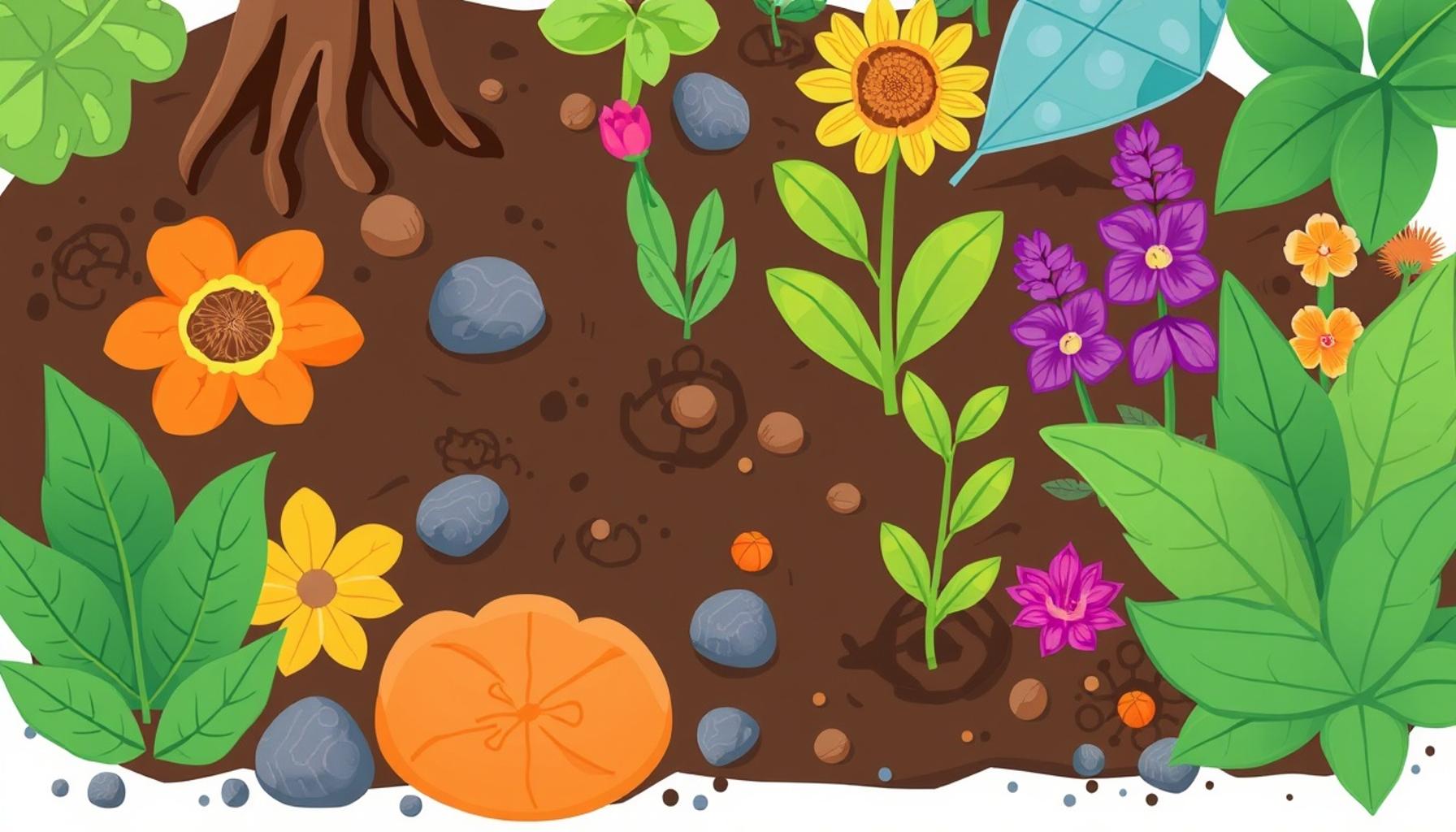
For anyone delving into the world of gardening, the first step to cultivating a successful garden lies in understanding soil types. Soil is not just dirt; it is a complex ecosystem that plays a critical role in the health and productivity of your plants. Each type of soil possesses distinct characteristics that can either enhance or hinder plant growth. Ignoring these characteristics could lead to frustration, as your beloved plants may struggle to thrive.
Soil Texture: The Foundation of Growth
Soil texture refers to the composition of soil particles, categorized mainly into three types: sandy, clayey, and loamy. Each type has a unique capacity for holding water and nutrients. Sandy soils, for instance, boast larger particles that drain quickly, making them less ideal for plants that require consistent moisture. On the other hand, clayey soils, composed of tiny particles that compact tightly, retain water effectively but can also become waterlogged, which may harm roots. Loamy soils, often considered the gardener’s best friend, are a balanced mix of sand, silt, and clay, making them fertile and capable of retaining moisture while allowing for good drainage.
The Importance of pH Levels
The pH level of your soil is another crucial aspect that determines which plants will flourish in your garden. Most plants prefer a slightly acidic to neutral pH range (around 6.0 to 7.0). However, some plants, such as azaleas and blueberries, thrive in more acidic soils. Conversely, plants like lavender prefer a more alkaline environment. Testing your soil’s pH can be easily done through kits available at garden centers and is an excellent starting point for selecting appropriate plant varieties.
Nutrient Content: Feeding Your Plants
Nutrient content is another vital factor. It encompasses the presence of primary nutrients such as nitrogen, phosphorus, and potassium, as well as secondary and micronutrients like magnesium and calcium. The availability of these nutrients can vary widely between soil types. For example, sandy soils might require frequent fertilization due to their quick drainage of nutrients, while clayey soils may need amendments to improve nutrient bioavailability.
Choosing the Right Plants
Understanding your soil type opens doors to selecting plants that are more likely to thrive in your garden. For instance, if you possess sandy soil, consider planting drought-tolerant species like sedums or lavender. These plants are not only resilient to dry conditions but also add aesthetic value. If you have tough clay soil, opt for moisture-loving varieties such as iris or hostas, which can flourish in such environments.
Practical Tips for Beginner Gardeners
As you embark on your gardening adventure, remember that assessing your soil is an ongoing process. Regular testing and amendment will ensure that you are providing the best conditions for your plants. Besides, implementing practices such as composting can improve soil health over time, leading to a more sustainable garden.
By equipping yourself with knowledge about your garden’s soil, you will not only reduce potential frustrations but also enhance your chances of creating a vibrant and thriving sanctuary. Embrace the science of soil, and you will be well on your way to enjoying a flourishing garden tailored to your environment.
DON’T MISS: Click here for expert gardening tools
Soil Composition and Its Impact on Plant Growth
To truly grasp the role of soil types in selecting plant varieties, beginners must familiarize themselves with what constitutes soil composition. This includes elements such as the ratio of sand, silt, and clay, which not only affects the structural integrity of the soil but also its ability to retain moisture and nutrients. Understanding these components can dramatically influence planting decisions and ultimately the success of your garden.
The Role of Organic Matter
Another critical factor in soil composition is the presence of organic matter. This is essentially decayed plant and animal material that enriches the soil, improving its texture, fertility, and moisture-retaining capabilities. Soils rich in organic matter tend to support a diverse range of plant life because they provide essential nutrients and foster beneficial microbial activity. As a beginning gardener, aiming for an ideal organic content in your soil can set a foundational stage for plant selection and growth.
Understanding Soil Drainage
One cannot underestimate the importance of soil drainage in choosing the right plants. Sandy soils drain well and do not retain water, making them suitable for drought-resistant varieties, while clay soils may lead to excess moisture retention, presenting risks such as root rot for less tolerant plants. Proper drainage also affects the accessibility of nutrients to plant roots. Incorporating materials like compost or peat moss can help to improve drainage in clay-heavy soils, enabling a broader selection of plants to thrive.
Identifying Soil Types Through Simple Tests
For beginners, determining your garden’s soil type can be conducted through simple DIY tests, enabling informed decisions on plant selection. Here are a few steps to identify your soil type:
- Jar Test: Mix a small amount of soil with water in a jar. Allow it to settle for 24 hours, observing the layers that form for sand, silt, and clay proportions.
- Feel Test: When moist, squeeze a handful of soil in your hand. Sandy soil will fall apart, clay will hold its shape, and loamy soil will form a loose ball.
- Observation: Take note of how quickly water drains after a heavy rain, which can give insight into your soil’s drainage capacity.
Planning for the Environment
As you navigate your options, consider local climate and conditions, which interact dynamically with soil types. For example, in the Southeastern United States, acidic red clay soil is common, often making it necessary to choose plants adapted to both high clay content and lower pH levels. Conversely, areas with sandy soil, such as coastal regions, tend to support a different array of drought-tolerant plants. By aligning your plant choices with both soil type and environmental considerations, you embrace a more holistic approach to gardening.
Ultimately, understanding soil composition, drainage, and organic content is crucial when selecting the right plant varieties. This knowledge empowers beginner gardeners to make smarter decisions that align with their unique gardening conditions, leading to a more fruitful and enjoyable gardening experience.
| Soil Type | Characteristics & Benefits |
|---|---|
| Sandy Soil | Allows for good drainage and warming in spring, suitable for crops like carrots and radishes. |
| Clay Soil | Rich in nutrients, retains moisture well, ideal for growing beans and potatoes. |
| Loamy Soil | Combination of sand, silt, and clay, offers optimal drainage and nutrient retention, perfect for a wide variety of plants. |
| Silty Soil | Smooth texture, retains moisture better than sandy soil, good for herbs and greens. |
| Peaty Soil | Contains organic material, excellent for moisture retention, beneficial for plants like blueberries. |
Understanding the diverse characteristics of various soil types is crucial for beginners in gardening and farming. For beginners, knowing how to assess and amend soil can significantly enhance their ability to select the appropriate plant varieties. For instance, sandier soils are often easier to work with and allow for quick drainage, making them suitable for root vegetables like carrots and radishes. In contrast, clay soils, while challenging due to their compactness, are nutrient-rich, providing an excellent foundation for productive crops such as beans and potatoes.Additionally, loamy soils are considered the gold standard—balancing drainage and nutrient retention, which supports a wide array of plants. Silty soils bring advantages as well, particularly in moisture retention, helping to cultivate herbs and leafy greens. Understanding these elements empowers beginners to not only choose the right plants but also to create thriving gardens that flourish according to the unique properties of their soil.
DON’T MISS: Click here for essential tips
Soil pH and Nutrient Availability
Beyond composition and drainage, soil pH plays a pivotal role in determining the availability of essential nutrients for plants. Soil pH ranges from acidic (below 7) to alkaline (above 7), affecting how well plants can absorb nutrients from the soil. Most garden plants thrive in slightly acidic to neutral soil (pH 6-7), but certain varieties, like blueberries and azaleas, prefer more acidic conditions. Beginners should consider testing soil pH using an affordable DIY soil pH kit available at garden centers, allowing for an informed selection of plants compatible with their soil’s characteristics.
Soil Fertility and Nutrient Content
The fertility of the soil encapsulates its capacity to provide vital nutrients necessary for plant growth. Essential macronutrients like nitrogen, phosphorus, and potassium, along with micronutrients such as iron and zinc, should be present in adequate amounts. Conducting a soil test can reveal nutrient levels and indicate whether your soil requires amendments. For instance, if a test shows low nitrogen levels, incorporating compost, aged manure, or specific fertilizers will elevate fertility, enabling a wider range of plant varieties to flourish. As a beginner, being conscious of these nutrient dynamics can dramatically improve your gardening results.
Choosing the Right Plants for Your Soil Type
Plant selection is inherently tied to the types of soil in your garden. Based on earlier assessments, it’s crucial to match plant varieties to your unique soil conditions. For example, if you have sandy soil, consider planting lavender, which thrives in quickly draining environments, while heavier clay soils might encourage choosing iris or daylilies, which often adapt well to those conditions. Taking into account aspects like soil moisture retention, drainage, and texture can help beginners make the right choices that not only lead to growth but also reduce maintenance in the long run.
Soil Microorganisms and Plant Health
Healthy soil is often buzzing with life, as microorganisms significantly impact plant health. Earthworms, fungi, and bacteria break down organic matter, releasing nutrients that plants can use. Their presence indicates good soil quality, essential for nutrient cycling. Encouraging these beneficial organisms can be achieved by maintaining organic matter well and avoiding broad-spectrum pesticides that may disrupt their populations. For beginners, understanding this critical system can open pathways to selecting sustainable plant varieties that coexist in harmony with the soil ecosystem.
Incorporating Cover Crops and Mulching
For beginners looking to improve soil conditions, cover crops provide an excellent solution. Planting species like clover or rye during the off-season enhances soil health by preventing erosion, enhancing organic matter, and fixing nitrogen levels. Additionally, mulching with organic materials around young plants can retain moisture and suppress weeds, contributing to overall healthier soil. By integrating these practices into your gardening routine, you create a more robust environment for the plant varieties you choose to cultivate.
In sum, comprehending aspects such as soil pH, fertility, microorganisms, and innovative practices allows beginner gardeners to make choices that directly benefit their plants and their overall gardening experience. By emphasizing these intricate soil characteristics, newcomers can engage in a more rewarding pursuit, leading to habits that nurture both plants and the soil from which they grow.
DISCOVER MORE: Click here to learn about the benefits of mulching</p
Conclusion: Embracing Soil Knowledge for Successful Gardening
In conclusion, gaining a deep understanding of soil types is a cornerstone of successful gardening, particularly for beginners. By exploring key factors such as soil pH, fertility, and the vibrant communities of microorganisms, budding gardeners can make informed decisions that resonate with their unique growing conditions. Recognizing how various soils influence nutrient availability and moisture retention paves the way for selecting plant varieties that will flourish rather than falter.
Moreover, the incorporation of practical methods like cover crops and mulching can enhance soil quality and create an ideal environment for growth. Beginners are encouraged to experiment and adapt their planting strategies based on diligent soil assessments and recognized preferences of their local flora. Understanding that every soil is a living ecosystem, rich with potential, can transform the gardening experience from daunting to rewarding. With this knowledge, novice gardeners not only improve their chances of a bountiful harvest but also contribute to thriving, sustainable ecosystems.
Ultimately, embracing the role of soil in gardening is not merely about choosing the right plants; it’s about cultivating a harmonious relationship with the earth. For those ready to dig deep into the world of gardening, the journey promises not just beautiful blooms and abundant fruits but a profound sense of connection to the natural world. Exploring your local soil types can unlock a treasure trove of possibilities—inviting you to discover the extraordinary potential awaiting beneath your feet.