Pollinator-Friendly Plant Varieties: Attracting Beneficial Insects to Your Home Garden
The Importance of Beneficial Insects
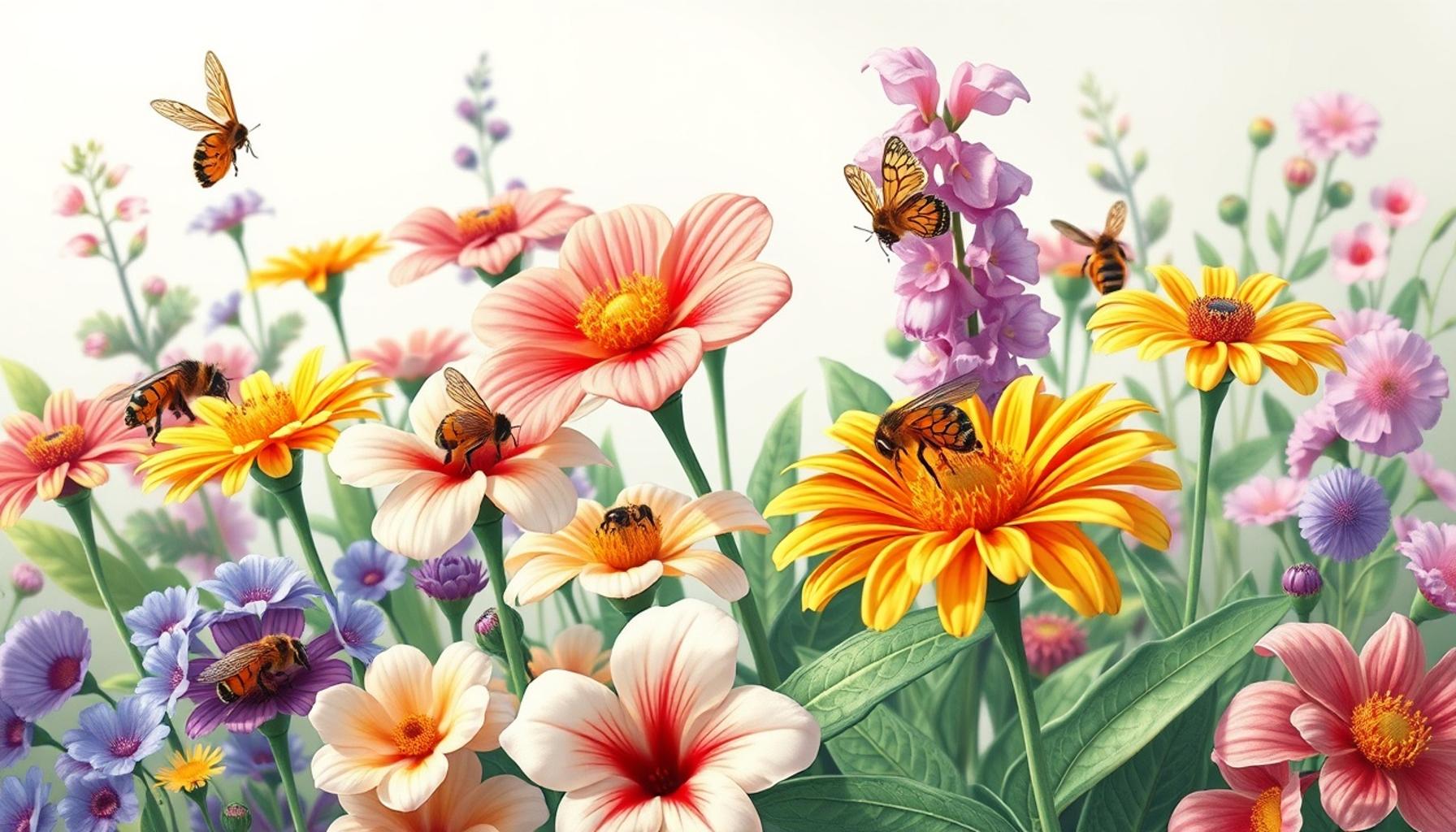
Creating a vibrant garden often goes beyond aesthetics; it’s about fostering a thriving ecosystem. One of the best ways to enhance your garden’s health is by introducing pollinator-friendly plant varieties. These plants are not just beautiful; they serve a crucial role in attracting essential insects like bees, butterflies, and hummingbirds. These creatures don’t just support vibrant life in your garden; they are pivotal in pollinating about one-third of the food we consume.
Why should you consider incorporating these varieties in your garden? Here are some compelling reasons:
- Increased Pollination: By welcoming more beneficial insects into your garden, you can achieve better pollination rates. This improved pollination translates into higher yields of fruits and vegetables. For instance, crops like tomatoes, peppers, and cucumbers depend on bees to transfer pollen effectively. Studies indicate that gardens with diverse native plants can see a 50% increase in yield.
- Biodiversity Boost: A diverse range of plants creates a balanced ecosystem, which can improve soil quality and boost overall garden resilience. Native fauna and flora co-evolved, resulting in natural symbiosis. More biodiversity attracts a range of beneficial insects that help control pests and improve soil productivity.
- Aesthetic Appeal: Beyond their ecological importance, pollinator-friendly plants come in various colors, shapes, and sizes, enhancing your garden’s visual charm. Imagine a space filled with the bright blooms of zinnias and the delicate petals of lavender—creating a delightful sanctuary that is both beautiful and functional.
Top Pollinator-Friendly Plant Varieties
In the United States, certain native plants are particularly effective at luring in pollinators. Examples include:
- Milkweed: Critically important for monarch butterflies, this plant not only provides nectar but also serves as a host for monarch larvae. By planting various species of milkweed, you encourage these iconic butterflies to lay eggs, contributing to their population recovery.
- Bee Balm: With its tubular flowers, bee balm attracts a plethora of bees, butterflies, and hummingbirds. This perennial blooming from summer to fall also features medicinal properties, making it a dual-purpose addition to your garden.
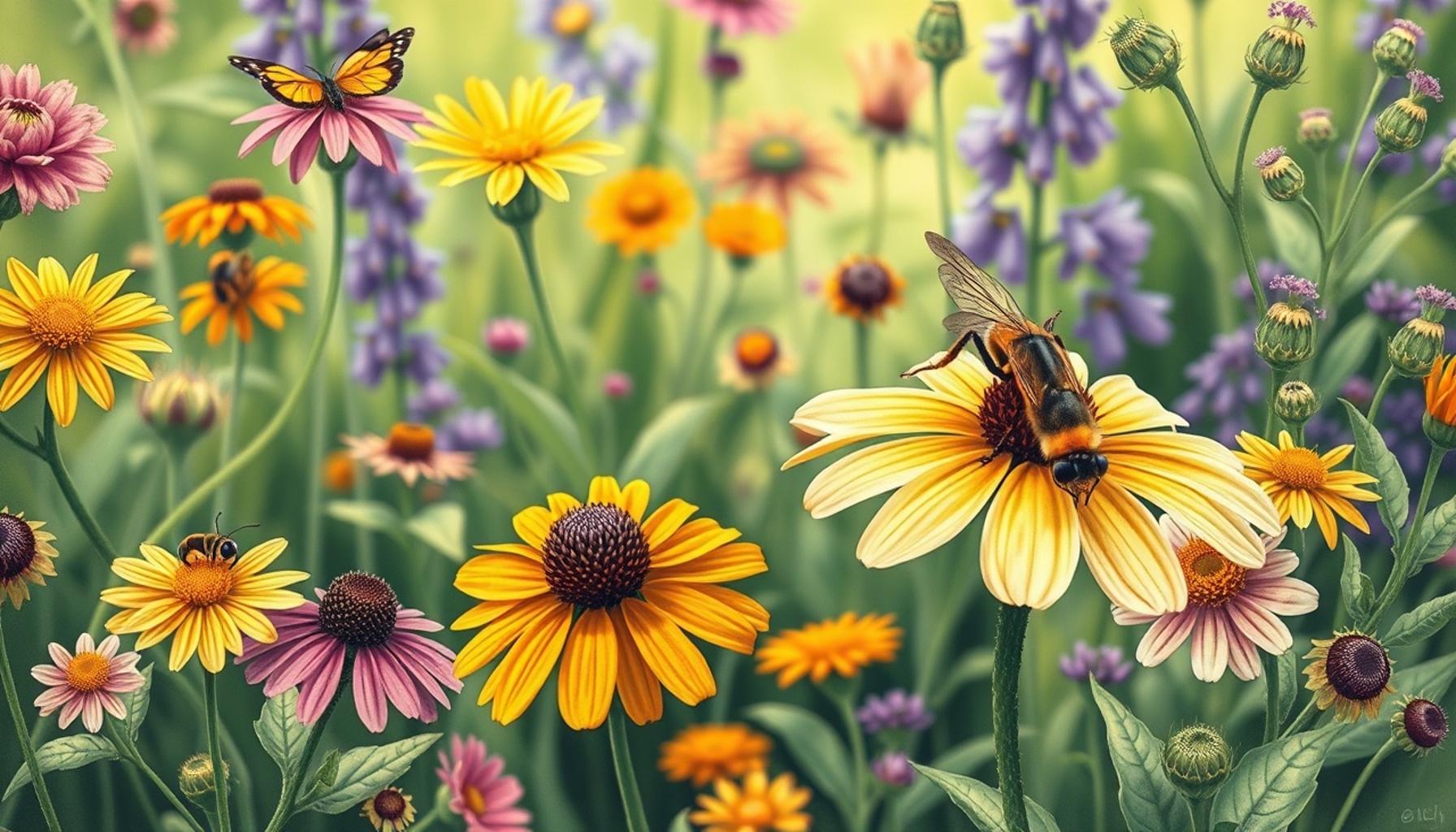
- Echinacea (Coneflower): A favorite among various pollinators, coneflowers are hardy and drought-resistant. Their vibrant pink and purple blooms not only feed pollinators but can also provide medicinal benefits for humans, acting as an immune booster.
By incorporating these plants into your home garden, you’ll not only support local wildlife but also contribute to a sustainable environment. A pollinator-friendly garden is an ecosystem service in action, offering a habitat for these essential insects while providing you with the beauty and bounty of nature. This article will delve into specific plant varieties that you can use to create a pollinator-friendly garden, enriching both your life and the lives of many beneficial insects.
DIVE DEEPER: Click here to learn about creating a solid soil layering strategy
Creating a Pollinator Paradise
Establishing a garden that attracts and supports beneficial insects, particularly pollinators, involves more than just planting a few flowers. A fundamental understanding of pollinator-friendly plant varieties is essential to designing a space that nurtures these essential creatures. Each plant species possesses distinctive features—such as bright colors, inviting scents, and abundant nectar—that serve as an irresistible invitation for pollinators to visit, thereby ensuring a thriving ecosystem.
A crucial element in fostering a pollinator-friendly garden is the blooming schedule of the plants. By carefully planning the selection of flora with staggered blooming periods, gardeners can create a continuous food supply for pollinators throughout the growing season. For example, among the earliest bloomers, crocuses and buttercups emerge in spring, providing food for bees waking from their winter dormancy. In contrast, fall-blooming plants like asters and goldenrod play a vital role in sustaining bees and other insects as they prepare for winter’s chill. This strategic timing can mean the difference between life and death for various pollinator species.
Choosing the Right Plant Types
When curating a pollinator garden, consider incorporating a mix of native and non-native species. Native plants, such as milkweed and coneflower, are particularly well-suited for local climates, requiring less oversight, water, and fertilizer once established. They contribute to the ecological balance and health of the area. Here are a few categories of plants that can make a significant impact:
- Annuals: With their vivid colors and abundant blooms, annuals like zinnias and cosmos not only captivate the eye but also serve as irresistible food sources for bees and butterflies. The frequent flowering of annuals encourages pollinators to linger, facilitating essential interactions that further support biodiversity within your backyard.
- Perennials: These plants offer durability and long-term benefits, with options like lavender and black-eyed Susans promising attractive blooms year after year. Perennials often serve as habitat and food sources for numerous beneficial insects, thereby enhancing the life cycle of pollinators in your garden.
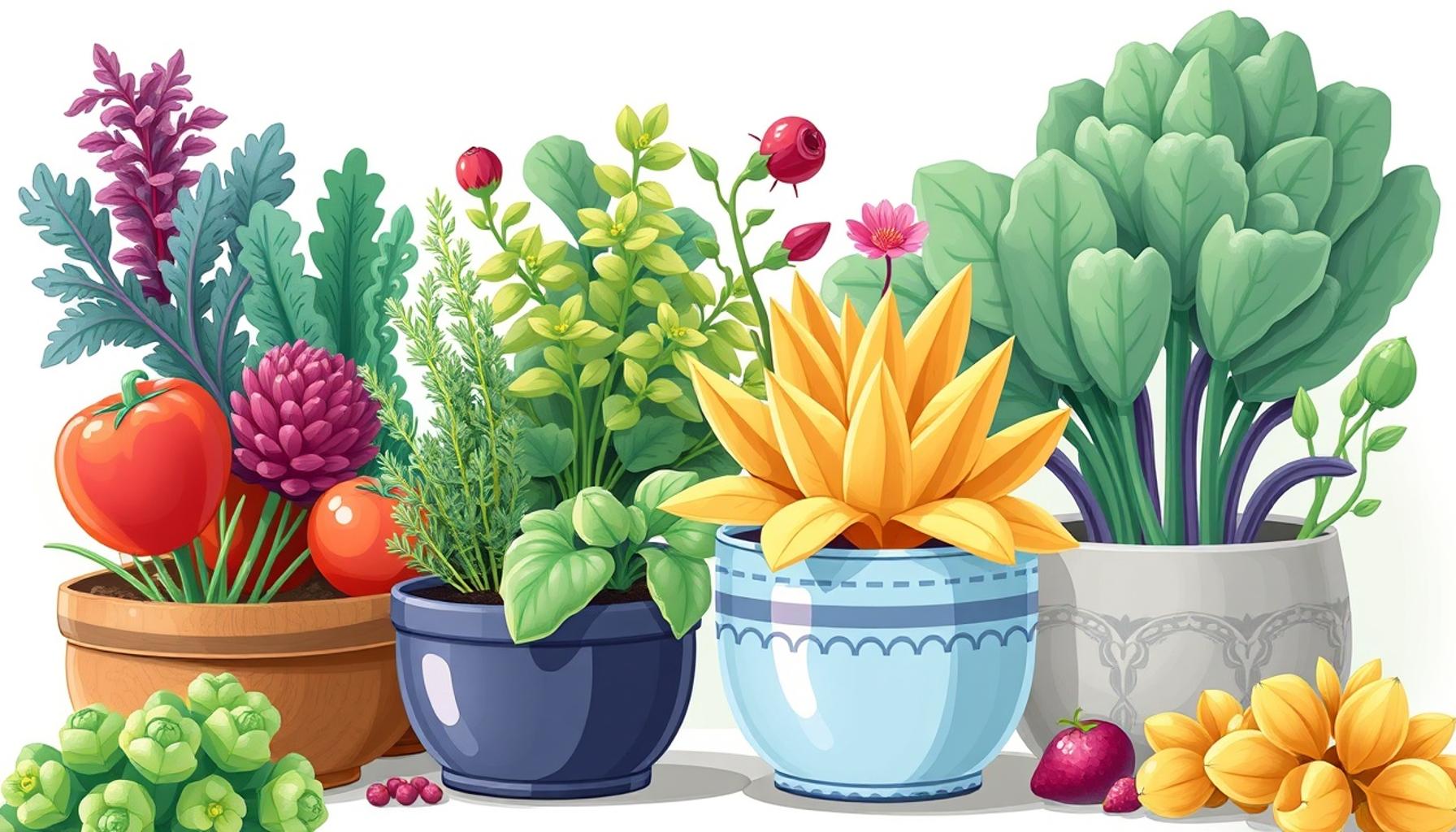
- Herbs: Many herbs, such as oregano, thyme, and basil, transition into natural insect magnets once they flower. Not only do they provide culinary delights in the kitchen, but they also play a critical role in supporting pollinators, who are drawn to their blooms.
In addition to nectar-rich blooms, it is important to select plants that produce pollen, as many pollinators, especially certain species of bees, rely heavily on this protein source. The inclusion of diverse plants that supply both nectar and pollen will create a more balanced ecosystem, contributing to the overall health of pollinator populations.
Ultimately, choosing to plant pollinator-friendly plant varieties is a proactive step toward safeguarding our ailing ecosystems. Sustainable gardening practices can reverse the decline in pollinator numbers, promoting biodiversity and environmental health. By cultivating a welcoming environment for these vital species, gardeners not only enhance the beauty of their own greenspaces but also contribute positively to the broader tapestry of life in their local ecosystems.
| Plant Variety | Advantages |
|---|---|
| Native Wildflowers | Diversity in Pollinators: Attract various beneficial insects like bees and butterflies. |
| Herbs (e.g., Basil, Mint) | Multi-Purpose Benefits: Provide culinary uses and essential habitats for pollinators. |
| Colorful Perennials (e.g., Coneflower, Bee Balm) | Seasonal Attraction: Provide blooms throughout the growing season, ensuring a steady food source. |
| Legumes (e.g., Clover, Beans) | Soil Health Improvement: Enhance soil nutrients while attracting a variety of pollinators. |
Incorporating pollinator-friendly plant varieties into your home garden is an initiative that not only nurtures the environment but also enriches your gardening experience. These plants, such as native wildflowers and colorful perennials, create a vibrant sanctuary for beneficial insects, promoting a thriving garden ecosystem. When you select plants like legumes, not only do you enhance the beauty of your garden, but you also foster soil health and engage in sustainable gardening practices. The seasonal blooms from these varieties provide essential resources for pollinators, ensuring that your garden remains a lively habitat year-round. This approach not only supports biodiversity but also contributes to the overall health of our planet. Explore the various enticing options available to transform your garden into a pollinator haven.
DISCOVER MORE: Click here for essential soil preparation tips
Creating Habitat and Sanctuary
While the selection of pollinator-friendly plant varieties is foundational for attracting beneficial insects, it is equally important to create an environment that fosters a diverse range of pollinator species. Beyond vibrant flowers, features such as shelter, wildlife-friendly materials, and natural elements can make your garden more inviting for these creatures. By understanding the habitat requirements of different pollinators, gardeners can effectively transform their yards into sanctuaries for wildlife.
Crafting Diverse Habitats
Providing a variety of habitats encourages various pollinators to thrive. Some key elements to consider include:
- Water Sources: Pollinators, like bees and butterflies, require water for hydration. Setting up a shallow birdbath, or a small pond can create a focal point in your garden that draws them in. Adding pebbles or aquatic plants will offer landing spots, making it easier for these insects to access water without the risk of drowning.
- Nesting Sites: Many pollinators, such as solitary bees, need safe places to nest and reproduce. Incorporating features like bee hotels can significantly boost local bee populations. Additionally, leaving some bare soil or decaying wood in a sunny spot will allow ground-nesting bees an ideal environment to thrive.
- Natural Mulches: Using organic mulches like straw or leaves not only retains soil moisture but also provides shelter for various insect species. This natural covering can boost the biodiversity of your garden, attracting beneficial insects that help control pests.
By intentionally designing spaces that mimic natural ecosystems, gardeners can ensure the survival of critical pollinator species. This holistic approach synergizes with selecting appropriate pollinator-friendly plant varieties to create an impressive balance of flora and fauna.
Encouraging Biodiversity with Native Plants
It’s essential to remember that while non-native plants can be beautiful and useful, native plants have evolved with local pollinators and provide tailored resources suited to their specific needs. Take for example, the Eastern Red Columbine (Aquilegia canadensis), which attracts hummingbirds and native bees alike, thriving in shady areas, while the Black-eyed Susan (Rudbeckia hirta) provides ample nectar through summer for butterfly species. Other native options include Wild Lupine, a host plant for the endangered Karner Blue Butterfly, and Golden Marguerite, which provides nourishment to a plethora of pollinators.
Additionally, incorporating plants that are less common in traditional gardens can promote local biodiversity. Consider adding plants like mountain mint or bee balm, known for both their distinctive aromas and the vibrant influx of pollinators they attract during their blooming periods.
Understanding the Importance of Plant Health
Moreover, the health of the plants you choose directly affects the well-being of the pollinator species they attract. Non-toxic and sustainably managed gardens, free from harsh pesticides, foster an environment that encourages beneficial insects. For instance, introducing natural predators like ladybugs can help control aphid populations, minimizing the need for chemical interventions. Maintaining soil health and utilizing compost can elevate plant vigor, ensuring that your chosen pollinator-friendly varieties shine and bloom abundantly.
By thoughtfully curating a mix of pollinator-friendly plant varieties, creating diverse habitats, and promoting native species, your garden can become a thriving hub of activity. This not only adds aesthetic value to your home but also plays an invaluable role in supporting the broader ecosystem, ultimately inviting pollinators and nature into your daily life.
DON’T MISS: Click here for expert gardening tools
Conclusion
In conclusion, embracing pollinator-friendly plant varieties is more than just a gardening trend—it’s a vital step towards fostering a sustainable ecosystem right in your backyard. By choosing plants that are naturally adapted to your local environment, such as native species, you can provide essential resources that support a wide variety of beneficial insects. This encourages not only the survival of these crucial pollinators but also boosts biodiversity within your garden.
Furthermore, creating a welcoming habitat that includes features like water sources, nesting sites, and natural mulches can significantly enhance your garden’s appeal to pollinators. Such intentional design mimics natural ecosystems and promotes healthy interactions between plants and wildlife. The role of plant health cannot be understated, as robust, chemical-free plants are more inviting to pollinators and can minimize the need for harmful pesticides.
As more people recognize the importance of these tiny yet mighty workers in our food system, the call to action becomes clear: cultivating gardens that prioritize pollinator needs is imperative for our environment’s future. By adding variety and sustainability to your gardening practices, not only do you beautify your space, but you also contribute to restoring the balance of nature. So, whether you’re a novice gardener or a seasoned horticulturist, let your garden serve as a sanctuary for pollinators. Explore the myriad of pollinator-friendly plant varieties available, and take the first step toward attracting these beneficial insects to your home garden.