Choosing the Right Plant Varieties for Small Spaces: A Beginner’s Guide
Understanding Urban Gardening
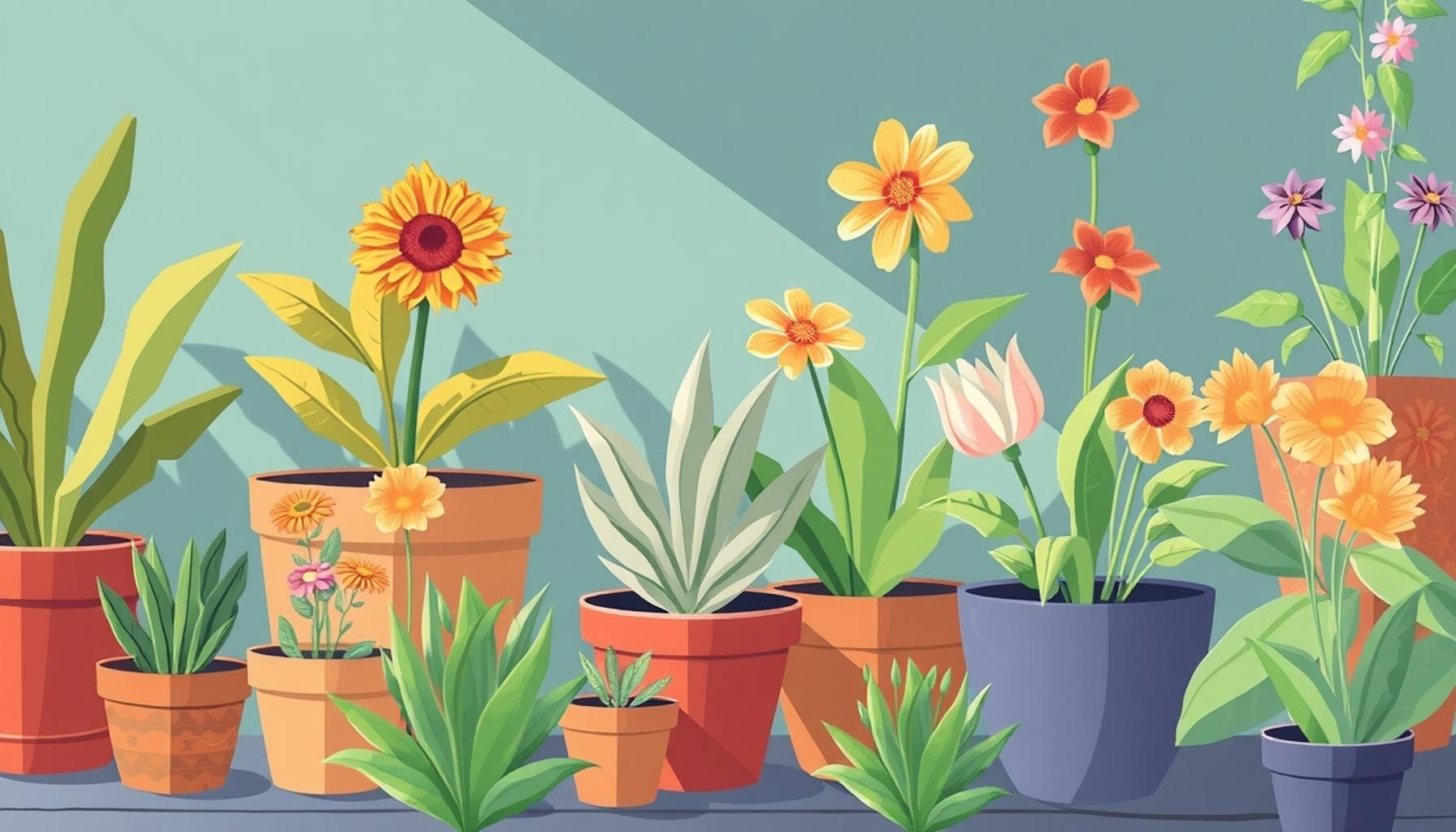
Urban gardening is not just a trend; it is a movement that reflects a growing awareness of sustainability, health, and the desire to reconnect with nature, particularly in bustling urban settings. Many city dwellers are turning their balconies, rooftops, and even kitchen counters into gardens, taking advantage of the myriad benefits that plants can provide. Beyond aesthetics, these green spaces can significantly improve air quality by filtering pollutants, absorbing carbon dioxide, and producing oxygen. Furthermore, growing your own produce can lead to healthier eating habits while reducing reliance on store-bought goods.
Factors to Consider When Choosing Urban Plants
When embarking on your urban gardening journey, it’s essential to choose your plants wisely. The following factors can greatly influence the success of your urban garden:
- Size of the Plant: Small spaces can benefit from compact varieties that thrive in limited soil volume. For instance, consider microgreens, which can be easily grown in shallow containers and provide a nutrient-rich addition to your meals.
- Growth Habit: Utilize vertical space by selecting vining plants like peas or cucumbers. These can be trained to climb trellises or fences, thereby maximizing your garden’s footprint.
- Light Requirements: Plants differ in their light needs; some thrive in full sun, while others prefer partial shade. For example, lettuce can do well in mid-range light, making it perfect for a window sill that does not receive direct sunlight all day.
Popular Plant Varieties for Urban Gardening
Understanding what types of plants are best suited for small spaces can be daunting. However, the options are as diverse as they are exciting:
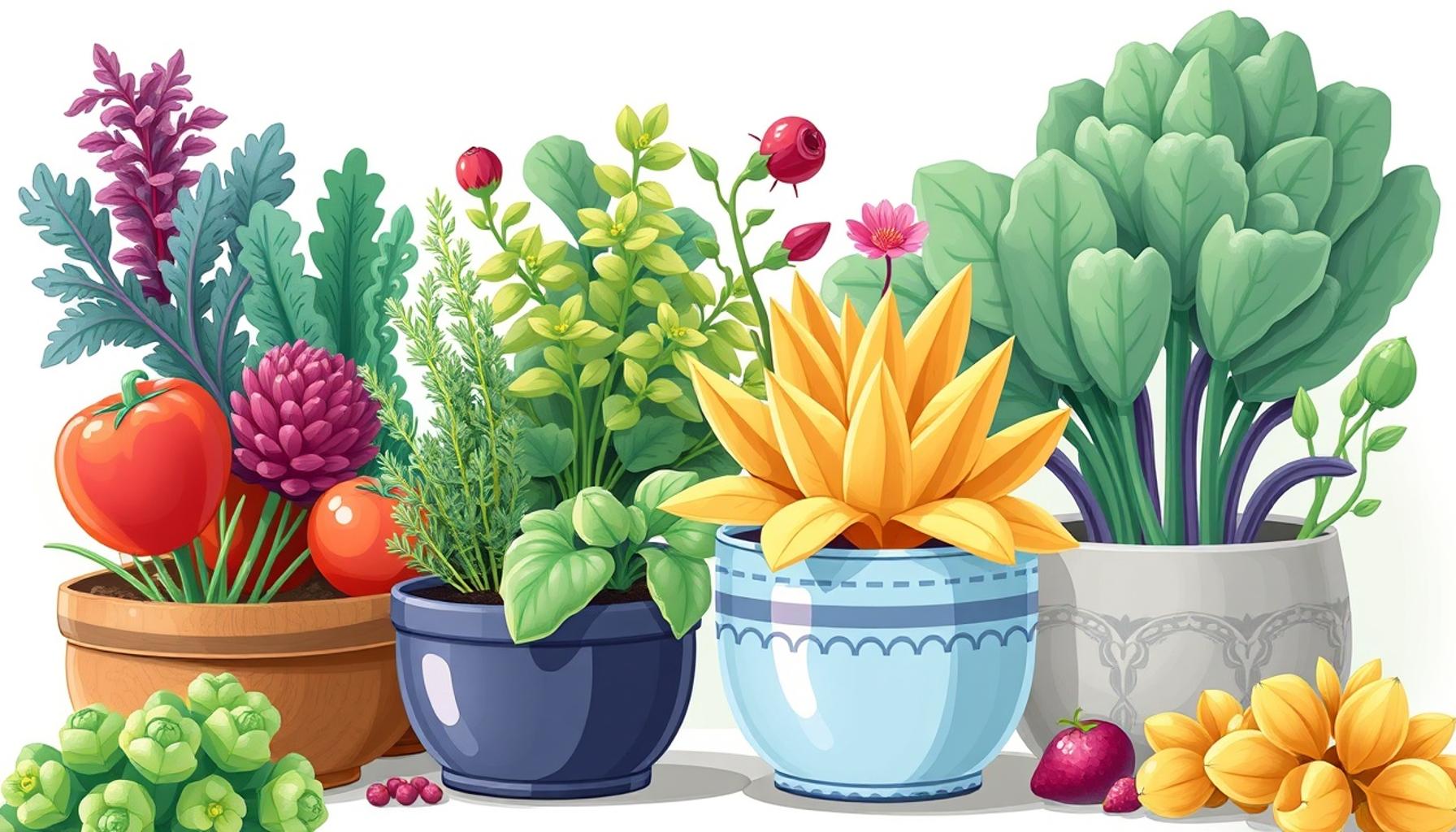
- Herbs: A touch of green on your kitchen counter can be delightful. Basil, cilantro, and rosemary are perfect candidates that can flourish in pots, providing fresh flavors to your cooking.
- Vegetable Plants: Dwarf varieties are a godsend for urban gardeners. While traditional tomatoes and peppers can take up a lot of space, compact types such as Tiny Tim tomatoes and Jingle Bell peppers will yield a bountiful harvest without overwhelming your small garden.
- Flowers: Brighten your patio or balcony with flowers that adapt well to smaller spaces. Pansies and marigolds not only bring color but are also beneficial for attracting pollinators, enhancing your entire garden ecosystem.
Creating Your Urban Sanctuary
The world of urban gardening offers endless possibilities for those willing to explore it. Your garden can become a sanctuary that provides more than just greenery; it fosters a connection to nature, encourages healthier living, and adds beauty to your surroundings. Through thoughtful selection of the right plant varieties, anyone can transform their small space into a vibrant, productive oasis. So, grab your pots, seeds, and trowels, and get ready to cultivate your very own urban retreat!
DISCOVER MORE: Click here to enhance your garden’s biodiversity
Assessing Your Space
Before diving into the exciting world of urban gardening, it’s crucial to take a step back and assess the space you have available. Understanding your unique environment will help you make informed decisions about which plant varieties will thrive in your small area. Here are some key aspects to consider:
- Available Space: Measure your gardening area to get a clear idea of how much room you have to work with. Whether you have a cozy balcony, a tiny courtyard, or the limited countertop in your kitchen, knowing the dimensions can help you select the right planters and the number of plants you can accommodate.
- Sunlight Exposure: Observe how sunlight interacts with your space throughout the day. Keeping track of how many hours of direct sunlight your small area receives can make a significant difference in your plant selection. Full sun lovers, like zucchini and basil, thrive with at least six hours of light daily, while shade-tolerant plants such as ferns and hostas are perfect for darker corners.
- Microclimates: Within your small garden, various microclimates may exist. Not all areas of your patio or balcony will provide the same conditions. Walls, fences, or even nearby structures can create warmer or cooler spots. Identifying these differences can guide you in selecting plants that are best suited for each specific zone.
Diverse Options for Limited Spaces
Once you have a clear understanding of your environment, the next step is to explore your options. Fortunately, there are a plethora of plants ideal for small-scale urban gardening:
- Compact Greenery: Small leafy greens such as spinach and arugula not only grow well in limited space, but they can also be harvested multiple times. You can trim them down and encourage new growth throughout the season.
- Container-Friendly Vegetables: Besides dwarf varieties of traditional vegetables, consider crops like radishes and baby carrots, which do not require deep soil and can flourish in shallow planters. These hardy options will make your urban garden both productive and manageable.
- Flowering Plants: Enhancing your space with fragrance and color can dramatically elevate your urban garden. Choose compact flowering plants like petunias and calibrachoa, which allow for vibrant blooms without taking up too much room. These flowers not only beautify your garden but also attract essential pollinators like bees and butterflies.
Choosing the right plant varieties for your small space can be an invigorating journey. By considering both your environment and the diverse options available, you can create a vibrant, fruitful urban garden that reflects your taste and enhances your living space. As you select plants, remember to consider each plant’s growth habits and maintenance requirements to ensure a successful gardening experience. The right choices can lead to a flourishing oasis, no matter how minimal your available area may be!
Essential Factors for Selecting Plants
When it comes to choosing the right plant varieties for small spaces, several essential factors come into play. Not only do you have to consider aesthetics, but also functionality and maintenance. First and foremost, assess the available sunlight in your area. Different plants require varying levels of light, so understanding whether your space is sunny, shady, or partially shaded can drastically narrow down your options. Another crucial factor is the size of your space. Vertical gardening techniques can be a game-changer. Utilizing wall-mounted planters or vertical structures maximizes planting space without overcrowding. Additionally, consider the growth habit of plants; opting for dwarf or compact species allows you to fit more variety in a limited area.Moreover, think about the climate and hardiness zone. Plants that thrive in your specific zone will have a greater chance of survival and flourishing. Researching and adhering to these guidelines is a significant step in creating a thriving garden in small spaces.Complementing your plant selections, the use of containers can offer versatility. Choose pots or raised beds that fit seamlessly into your environment, enhancing both beauty and accessibility. Ensure proper drainage and use quality soil to promote healthy root systems.Create a balanced mix of flowering plants and greenery, ensuring you have a blend of colors and textures throughout the year. This not only maintains visual interest but also attracts pollinators, adding life to your small sanctuary.Finally, don’t forget about maintenance! Select plants with varied care requirements to spread the workload or consider self-watering pots to mitigate the need for constant attention. By strategically selecting plants based on these critical factors, you can establish a vibrant and sustainable garden, even in the tiniest of spaces. Here’s a handy table outlining some excellent choices for small space gardening:
| Plant Type | Benefits |
|---|---|
| Herbs | Perfect for cooking; compact; fragrant. |
| Succulents | Low maintenance; diverse shapes; stylish. |
| Dwarf Fruit Trees | Space-efficient; fruitful; ornamental. |
| Flowering Vines | Maximize vertical space; vibrant visuals. |
Through thoughtful selection of plant varieties and clever space management techniques, your small space can transform into a flourishing and visually stunning garden, breathing life into even the tiniest corners of your home.
DIVE DEEPER: Click here for expert tips on natural pest control
Maximizing Vertical Space
In small spaces, every inch counts, and utilizing vertical space can make all the difference in creating a lush garden. Vertical gardening allows you to maximize your garden’s potential without consuming significant ground area. Here are some creative strategies:
- Vertical Planters: Consider installing tiered planters or vertical gardens that allow you to stack plants. Utilizing wall-mounted planters or hanging pots can help you cultivate a wide range of herbs and flowers while freeing up valuable floor space. Climbing plants like peas and beans thrive well in these setups, offering both beauty and productivity.
- Wall Gardens: Transform a dull wall into a green oasis with wall gardens. You can create pockets of soil to house various plants, creating stunning displays of greenery and allowing plants to grow upward. Succulents and small flowering plants are perfect for this kind of arrangement, providing a delightful view while requiring minimal maintenance.
- DIY Trellises: Build your own trellis to support climbing plants like tomatoes, cucumbers, and nasturtium. A simple wooden or metal trellis can elevate your plants above ground and make room for more varieties without sacrificing aesthetics. Plus, trellises are often replicas of art themselves, turning produce into a functional design feature.
Edible Landscaping
Integrating edible plants with ornamental ones allows you to enjoy a beautiful space while reaping the benefits of fresh produce right outside your door. This innovative approach, known as edible landscaping, provides both functionality and visual appeal. Here are some plant varieties to consider:
- Herbs: Herbs should be a staple in any small-space garden. Grow aromatic options like thyme, chives, and parsley in window boxes or small containers for easy access while cooking. Their compact growth habit makes them ideal companions alongside ornamental plants.
- Fruit Trees: Look for dwarf or patio varieties of fruit trees, such as apple, peach, or lemon, which can thrive in containers or small garden beds. These trees may not require vast amounts of space, yet they yield delicious fruits that elevate your culinary creations.
- Mixed Borders: Create mixed borders by combining colorful flowers with edible plants. Incorporate purple kale or swiss chard, which offer stunning visual features beyond their culinary uses. This blending of aesthetics and utility is the essence of edible landscaping.
Choosing the Right Varieties
As you navigate the choices available, it’s essential to prioritize harmony between plant types and growth habits. Select companion plants that complement each other, improving overall growth and discouraging pests. For instance, pairing marigolds with vegetables can deter harmful insects and promote healthy plants.
Furthermore, be mindful of plant height and spread. Taller plants should be positioned toward the back of your arrangement, with shorter varieties in the front to ensure each gets adequate sunlight. By carefully planning your layout, you can cultivate a flourishing garden that showcases a diversity of life, while maximizing the potential of your small space.
LEARN MORE: Click here for effective pest control tips
Conclusion
In conclusion, choosing the right plant varieties for small spaces is a delightful journey that combines creativity and practicality. As we have explored, vertical gardening, edible landscaping, and an understanding of plant compatibility are pivotal in ensuring your garden flourishes, even in constrained environments. By incorporating vertical planters and wall gardens, you can create lush, visually striking green spaces that make the most of every inch available. Meanwhile, edible plants like herbs and dwarf fruit trees not only enhance aesthetics but also cater to your culinary needs, bringing the farm-to-table experience closer to home.
As you embark on your gardening adventure, remember to experiment and observe how various plants interact with each other. Prioritize harmonious pairings like marigolds with vegetables and be mindful of plant heights for optimal sunlight exposure. Each choice you make contributes to a vibrant ecosystem that reflects your personality and ingenuity.
In the age of urban living, where spaces are becoming increasingly limited, the insights drawn from this beginner’s guide empower you to create a flourishing garden that celebrates nature’s beauty and bounty. So gather your pots, seeds, and tools, and let your small space transform into a breathtaking outdoor sanctuary that not only captivates the eyes but nourishes the soul. Happy gardening!