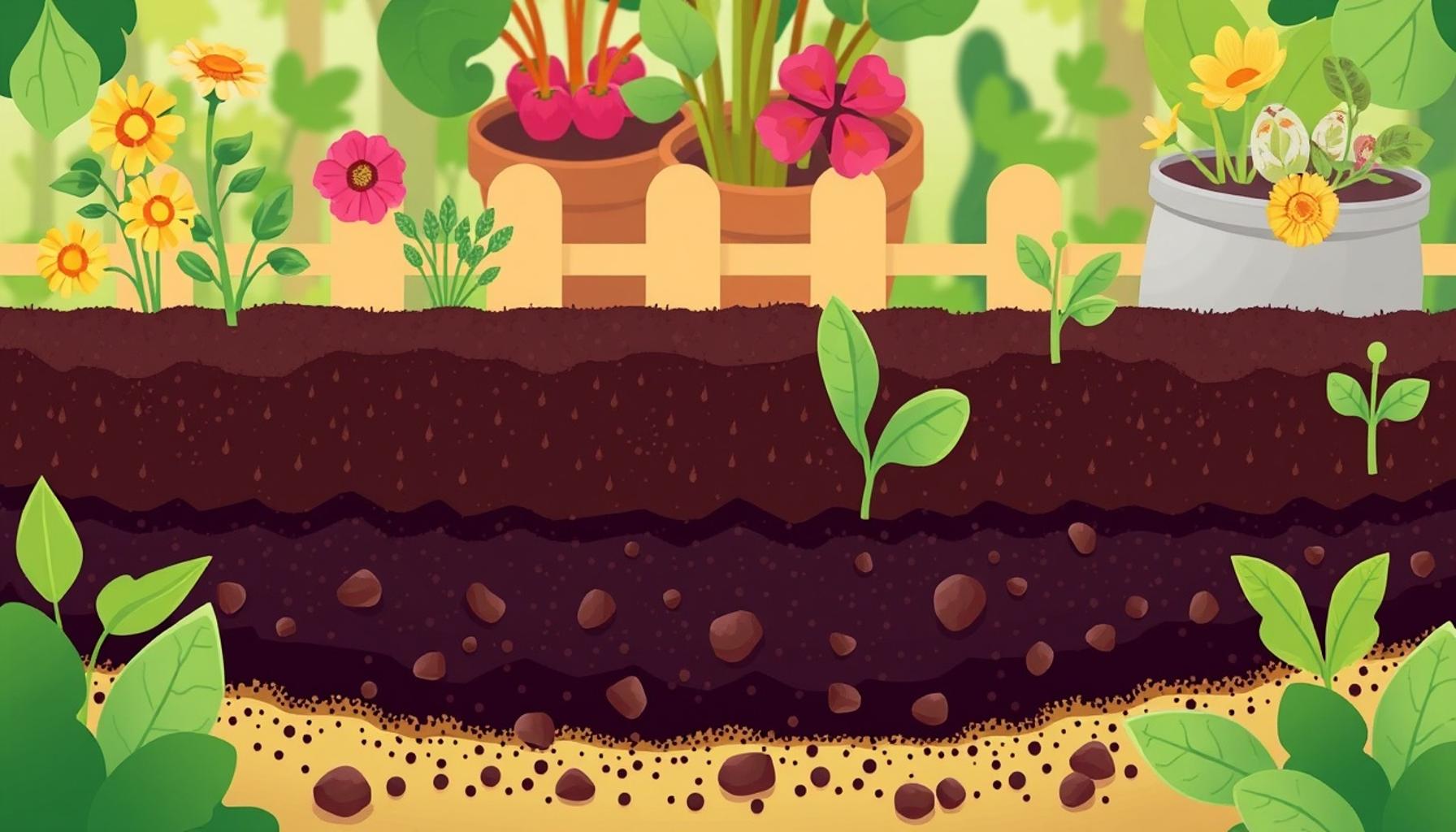
The Importance of Soil Testing: How to Prepare Your Garden Soil for Optimal Growth

Unlocking the Secrets Buried Beneath
Many gardeners overlook a critical component of successful gardening: soil health. Soil testing provides vital information, enabling you to cultivate an environment that fosters robust plant growth. With the right data in hand, you can customize your approach and maximize the potential of your garden.
Why is Soil Testing Essential?
- Nutrient Levels: Understanding what nutrients your soil contains or lacks is crucial for plant success. For instance, nitrogen, phosphorus, and potassium are the primary macronutrients essential for plant health. A soil testing kit can reveal not only the nutrient quantities but also whether they are in a form that plants can absorb. This knowledge allows you to amend your soil specifically, preventing the guesswork that leads to over-fertilization or deficiencies.
- pH Balance: The pH level of your soil can significantly affect plant health. Most vegetables thrive in slightly acidic to neutral pH (between 6.0 and 7.0). If your soil is too acidic or alkaline, essential nutrients may become unavailable to plants. For example, blueberries thrive in more acidic soils (pH 4.5 to 5.5), while asparagus prefers a more alkaline range (pH 7.0 to 8.0). Knowing your soil’s pH can help you select the right crops or amend the soil to create a better growing environment.
- Soil Composition: Assessing the texture and structure of your soil is vital for improving water retention and root development. Sandy soils drain quickly but do not retain nutrients well, while clay soils retain moisture but can become compacted. A balanced soil composition, which includes a mix of sand, silt, and clay, can create a healthier habitat for root systems, ensuring that water and nutrients are effectively available to plants.
By testing your soil, you’re not just ensuring your garden looks good; you’re making an informed investment in its future. Studies show that nutrient-deficient soil can lead to stunted growth and diminished yields, particularly in popular crops like tomatoes and peppers. For instance, a well-fertilised tomato plant can produce as many as 15 pounds of fruit in a season, whereas a plant deprived of essential nutrients may barely yield a couple of fruit.
Getting Started with Soil Testing
Soil testing is simple and cost-effective, paving the way for a flourishing garden. Consider these initial steps:
- Collect samples from various locations in your garden. This ensures a comprehensive understanding of your soil’s overall health. Aim for samples 6-8 inches deep, as this is where most plant roots are located.
- Choose a certified lab or local extension service for thorough analysis. Many universities offer soil testing services at a minimal fee, providing detailed reports and tailored recommendations to enhance your soil’s health.
- Review the results to tailor your soil amendment strategy. The report will outline nutrient levels, pH, and organic matter content, allowing you to make specific plans to amend your soil with compost, fertilizers, or soil conditioners.
With these insights, you’ll be equipped to nurture your garden effectively, paving the way for optimal growth and abundant harvests. By understanding and investing in your soil’s health, you unlock a world of possibilities for your gardening endeavors. So, dive deeper into the world of soil and unlock your garden’s full potential!
DISCOVER MORE: Click here to get started on your garden
Understanding Soil as the Foundation of Your Garden
Soil is often referred to as the unsung hero of the gardening world. It is more than just dirt; it is a complex ecosystem teeming with life that plays a vital role in the health of your plants. By conducting a soil test, you gain insights that can dramatically improve not just your garden’s appearance, but also its productivity.
The Key Components of Soil Health
To effectively nurture your garden, it is essential to understand the key components that contribute to soil health. The balance of nutrients, pH levels, organic matter, and soil structure are interlinked and influence one another. A thoughtful approach that considers these elements can lead to thriving plants and bountiful harvests.
- Nutrient Composition: Besides the prominent macronutrients like nitrogen, phosphorus, and potassium, micronutrients such as iron, magnesium, and calcium also play crucial roles in plant physiology. A soil testing kit won’t just reveal whether your soil is nutrient-rich, but will also indicate any imbalances that could impede plant growth. For example, if your soil is plentiful in potassium but deficient in nitrogen, your plants might exhibit poor growth even with proper watering. Therefore, addressing these specific nutrient needs is key.
- Organic Matter: Organic matter is indispensable for healthy soil. Composed of decomposed plant and animal materials, it improves soil structure, enhances its moisture-retention capabilities, and promotes microbial activity. Rich organic matter can bolster nutrient availability, improving the soil’s fertility dramatically. A soil test can gauge the organic content, guiding you on how much compost or organic mulch to add to your garden.
- Soil Microbiology: The microscopic organisms within your soil are indispensable allies in the garden. They help decompose organic matter, allowing nutrients to become accessible to plants. Certain tests can measure microbial activity, providing insight into your soil’s overall health. A higher microbial count often correlates with vigorous plant growth, so investing in soil health goes beyond just physical components.
By taking a closer look at the interaction between these components through soil testing, you empower yourself to create a stimulating environment for your plants. Understanding the intricacies of your soil not only enhances your gardening outcomes but also deepens your appreciation for the natural world.
Timing Your Soil Test
While it is essential to conduct soil tests, timing can greatly influence your findings. Ideally, plan your tests for late winter or early spring, before planting begins. This allows ample time to amend the soil adequately based on the results. Additionally, it’s prudent to test your soil every few years or after significant changes in your gardening practices, such as crop rotation or after heavy fertilization. Monitoring your soil helps ensure a consistent and thriving garden year after year.
Armed with knowledge from soil testing, you can cultivate a garden that not only flourishes but also becomes a sustainable ecosystem for years to come. The path to vibrant blooms and healthy produce starts beneath the surface, where every handful of soil holds the potential for garden greatness.
The Benefits of Soil Testing for Your Garden
Soil testing is not just a simple task; it is the first step toward creating a thriving garden ecosystem. Understanding the intricate details of your soil can significantly influence the types of plants you choose, the success of your garden, and the overall health of your landscape. Various elements contribute to this, and the following sections outline the critical benefits of soil testing.
1. Nutrient Management
Testing your soil provides critical information on essential nutrients present, such as nitrogen, phosphorus, and potassium. By knowing the levels of these nutrients, you can effectively determine what fertilizers or organic amendments are necessary for optimal plant growth. This proactive approach not only enhances plant performance but also ensures that you are not over-fertilizing, which can be detrimental to the environment.
2. pH Balance
The pH level of your soil plays a crucial role in nutrient availability. Certain plants thrive in acidic environments, while others prefer alkaline conditions. Soil testing enables you to make quick adjustments to the pH level, ensuring your plants receive the nutrients they require for robust growth. A well-balanced pH can improve microorganism activity, further aiding nutrient uptake.
3. Disease and Pest Management
Healthy soil fosters strong plants capable of resisting diseases and pests. A soil test can give you insights into any potential imbalance or deficiencies that may leave your plants vulnerable. Implementing results from the test can lead to corrective actions that strengthen plant immunity, ultimately reducing the need for chemical pest control methods.
4. Economic Efficiency
Investing in soil testing is a wise financial decision. Properly nourishing your soil reduces wasteful spending on excessive fertilizers and helps avoid costly plant failures due to neglect. By optimizing your garden’s output through informed decisions, you can yield higher-quality produce while spending less money.
5. Sustainable Practices
Regular soil testing supports sustainable gardening practices. By understanding your soil’s nutrient profile, you can work towards maintaining biodiversity. Encouraging organic matter decomposition and utilizing cover crops or green manures are just a few methods that can be employed in conjunction with test results. This creates a more resilient garden that adapts to changing environmental conditions.Incorporating soil testing into your gardening routine is not merely an option but a necessity for those seeking optimal growth. From encouraging healthy plants to ensuring economic efficiency and sustainable practices, soil testing can transform your gardening experience.
| Category | Description |
|---|---|
| Nutrient Management | Soil testing helps identify nutrient levels, allowing you to use fertilizers more effectively. |
| pH Balance | Adjusting pH promotes nutrient availability and supports healthier plant growth. |
| Disease Management | Healthy soil decreases the risk of plant diseases and pests, reducing reliance on chemicals. |
| Economic Efficiency | Investing in soil testing minimizes waste and maximizes garden output for better financial returns. |
| Sustainable Practices | Regular soil tests contribute to sustainable gardening through biodiversity and organic practices. |
EXPLORE MORE: Click here to discover top edible plant varieties for beginners
Amending Your Soil Based on Test Results
Once you’ve conducted a soil test and received your results, it’s time to act. The data obtained through testing provides a roadmap to achieving optimal soil health, which is fundamental to fostering robust plant growth. Understanding how to effectively amend your soil in response to your test results can transform an underperforming garden into a thriving one.
Adjusting Soil pH
The pH level of your soil significantly affects nutrient availability. Most plants thrive in a pH range of 6.0 to 7.5. If your soil test reveals an acidic pH (below 6.0), you may need to add lime, which can help raise the pH level. Conversely, if your soil is too alkaline (above 7.5), adding sulfur can be beneficial to lower the pH. Maintaining optimal pH levels not only enhances nutrient uptake but also promotes soil microbial activity, leading to a healthier garden ecosystem.
Fertilization Strategies
Your soil test results will inform which nutrients need to be supplemented. For instance, if your soil is lacking in nitrogen, you may consider adding organic fertilizers such as composted manure, or opting for synthetic nitrogen sources like urea or ammonium nitrate. Always remember to adjust the quantity based on the test recommendations, as over-fertilization can be detrimental, leading to nutrient runoff and environmental pollution. Regular soil testing can assist in fine-tuning your fertilization strategy, giving you a clearer picture of your garden’s nutrient needs year after year.
Enhancing Soil Structure with Organic Matter
Organic matter plays a crucial role in improving soil structure, aeration, and moisture retention. If your soil test indicates low organic content, incorporating compost, well-rotted manure, or cover crops can enhance its quality. Compost, in particular, is a gardener’s secret weapon as it introduces beneficial microorganisms and enhances nutrient absorption. Consider making your own compost at home using kitchen scraps and yard waste, which not only reduces landfill contributions but also creates nutrient-dense soil amendments.
Incorporating Cover Crops
Cover crops, or green manures, can enrich your garden while simultaneously protecting the soil during off-seasons. If your soil test indicates low nutrient levels, sowing cover crops such as clover or rye can improve soil fertility. These crops fix nitrogen from the air and return nutrients to the soil upon decomposition. Additionally, their extensive root systems can improve soil structure and prevent erosion. This practice can lead to healthier soil, providing a perennial boost to your garden’s vitality.
The Importance of Regular Monitoring
Soil health is not a one-time endeavor; it requires ongoing attention. Conducting follow-up soil tests every 2-3 years is crucial as it allows you to reassess nutrient levels, organic matter, and pH trends over time. This regular monitoring enables you to adapt your gardening practices based on current conditions, ensuring that your plants receive the optimal conditions they need to thrive.
By being proactive in adjusting and enhancing your soil based on test results, you set the foundation for a successful garden. Every effort you make towards understanding and improving your soil will not only yield healthier plants but will also contribute to a more sustainable gardening practice, safeguarding resources for future generations.
DISCOVER MORE: Click here to learn effective soil preparation techniques
Conclusion: Cultivating Success Through Soil Testing
In the grand tapestry of gardening, soil testing stands as a vital thread that can stitch together the success of your plant endeavors. As we’ve explored, understanding your soil’s unique composition—its pH, nutrient levels, and organic matter—transforms your gardening journey from guesswork into a strategic approach for optimal growth. By amending your soil based on comprehensive test results, you create an environment where plants can flourish, thrive, and produce bountiful harvests.
Implementing practices such as adjusting soil pH, utilizing targeted fertilization strategies, and enriching your soil with organic matter not only enhances plant vitality but also promotes a sustainable gardening ecosystem. Additionally, nurturing techniques like cover cropping empowers you to maintain soil health through seasonal variations, safeguarding against erosion while contributing to future fertility.
Staying vigilant through regular monitoring—conducting follow-up tests every 2-3 years—ensures that your gardening practices evolve alongside changes in your soil’s health. This proactive approach not only nurtures your immediate garden but also protects the environmental integrity of the broader landscape.
Ultimately, every gardener holds the potential to turn their patch of earth into a blossoming haven. By prioritizing soil testing and its subsequent amendments, you are investing in both the present and future resilience of your garden. As you embark on this enlightening journey, remember that the path to successful gardening begins beneath the surface. So dig in, test, and watch your garden thrive like never before!