Creating a Compost Layer: Enhancing Soil Fertility for Beginners
Understanding the Importance of Composting
Creating a healthy garden starts beneath the surface, in the very soil itself. Soil fertility is essential for vibrant plants, and one effective way to achieve this is through composting. By establishing a compost layer, beginners can significantly improve their soil’s quality while contributing to a sustainable environment. Composting not only aids in growing lush gardens but also plays a vital role in reducing waste and enhancing our ecosystem.
What is Compost?
Compost is a rich organic material created from decomposed plant and animal matter. This nutrient-dense substance serves as a natural fertilizer, providing numerous benefits for both gardens and the planet. Here are some key advantages:
- Enhanced Nutrient Content: Compost enriches soil with essential nutrients, promoting healthy growth. It contains vital elements such as nitrogen, phosphorus, and potassium, which are crucial for plants. For instance, vegetable gardeners often find that tomatoes and peppers yield larger fruits when cultivated in compost-amended soil.
- Improved Soil Structure: Compost helps retain moisture while improving aeration, making it easier for roots to penetrate. This aspect is particularly important in sandy or heavy clay soils, which can be either too dry or too compacted. Improved soil structure leads to better drainage and supports vibrant root development.
- Reduced Waste: Composting recycles kitchen scraps and yard waste, minimizing landfill contributions. The Environmental Protection Agency (EPA) estimates that food scraps and yard waste combined make up around 30% of what we throw away. By composting these materials, homeowners can significantly reduce their household waste while nurturing their gardens.
The Role of Beginners in Composting
For those just starting, creating a compost layer can seem daunting, but it doesn’t have to be. With a few simple steps, anyone can contribute to soil fertility and engage in this rewarding practice. Here are some key points to get started:
- Gather Materials: Collect organic materials such as fruits, vegetables, coffee grounds, eggshells, grass clippings, and yard waste. It’s essential to avoid non-biodegradable items, such as plastics or meat, which can disrupt the composting process.
- Choose a Bin: Select a compost bin or pile that suits your space and needs. There are many options, including pre-made bins, DIY solutions from pallets, or simply a dedicated corner of your yard. The location should ideally have good airflow and proper drainage.
- Maintain Your Compost: Turn the pile regularly to aerate it and mix materials, which helps speed up decomposition. Monitor moisture levels to ensure the compost remains damp but not soggy; the ideal consistency should resemble a wrung-out sponge.
Exploring the world of composting opens up a new avenue for growing healthy plants while fostering a more sustainable lifestyle. In addition to improving your garden, composting can improve local soil health, promote biodiversity, and even save money on fertilizers. Are you ready to dive deeper into the art of composting and unlock the secrets of enriching your soil sustainably? Start today and watch your gardening efforts flourish!
DIVE DEEPER: Click here to learn more
Getting Started with Your Compost Layer
Embarking on the journey of composting can be one of the most rewarding endeavors you can undertake as a beginner gardener. With just a few foundational elements, you can transform kitchen waste and yard debris into a rich, nourishing layer that combats low soil fertility. To create a compost layer successfully, it’s essential to understand the basics of composting and how to engage in this eco-friendly practice. Here’s what you need to know to get started.
Steps to Create Your Compost Layer
Creating a compost layer involves several straightforward steps that ensure your composting efforts yield a high-quality product. Following these basic steps will help you to efficiently convert organic materials into nutrient-rich compost.
- Identify Browns and Greens: Compost materials are generally categorized into “browns” and “greens.” Browns are carbon-rich materials like dried leaves, shredded paper, and straw, while greens include nitrogen-rich items such as fruit scraps, vegetable peels, and grass clippings. A proper balance of these two types is crucial, with a recommended ratio of 3 parts browns to 1 part greens.
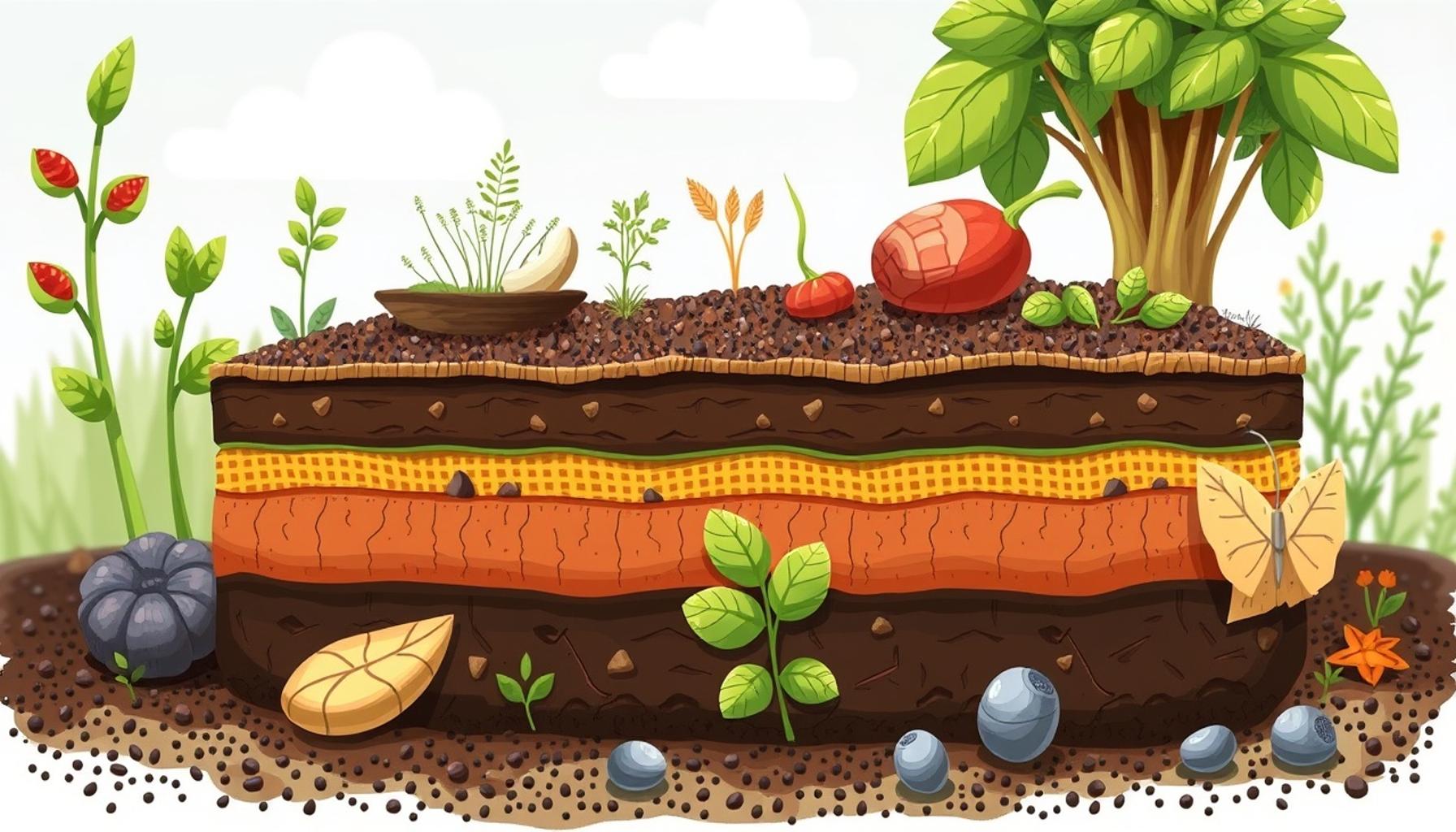
- Layering Technique: Begin by placing a layer of coarse materials like twigs or straw at the bottom of your compost bin to aid in drainage and aeration. Alternate layers of browns and greens, ensuring each layer is not too compacted. This layering technique promotes effective decomposition and helps maintain proper air flow.
- Watering Your Compost: The moisture level in your compost pile is vital for decomposition. Aim for a consistency akin to a damp sponge; too much water can lead to anaerobic conditions, while too little hinders the breakdown process. Water the layers lightly as you build your compost heap, but refrain from soaking it.
- Add Aeration: Turning your compost pile every few weeks encourages aerobic bacteria to thrive and speeds up decomposition. Use a pitchfork or shovel to mix the materials, ensuring you disturb the layers to expose everything to air. This step is crucial for producing high-quality compost in a timely manner.
These initial steps in creating your compost layer will set the foundation for a thriving garden. By patiently nurturing your compost, you will be rewarded in the long run with a sustainable source of soil fertility.
Common Mistakes to Avoid
While composting is relatively simple, beginners may encounter pitfalls that could hinder their progress. Here are some common mistakes to be cautious of:
- Overloading with Greens: Too many nitrogen-rich ingredients can lead to a smelly, soggy compost pile. Monitor the mix to keep the balance of browns and greens appropriate.
- Neglecting Aeration: Failing to turn the compost can lead to compaction and lack of airflow, resulting in a less effective breakdown of materials.
- Ignoring Temperature: Composting generates heat as microbes break down organic matter. A cold pile may indicate insufficient microbial activity, while an overheating pile can signal a lack of moisture or ventilation.
By steering clear of these common mistakes and carefully following the steps outlined, beginners can cultivate an enriching compost layer that will enhance soil fertility and contribute to a healthier garden. As you delve deeper into the art of composting, you’ll discover just how impactful this environmentally-friendly practice can be, setting the stage for a lush, bountiful garden for years to come.
| Advantages | Details |
|---|---|
| Improves Soil Structure | Composting enhances soil aeration and drainage while maintaining moisture, promoting better root growth. |
| Nutrient-Rich Environment | Adding compost provides essential nutrients, like nitrogen and phosphorus, vital for plant health and growth. |
Understanding the advantages of creating a compost layer is essential for beginners looking to enhance their gardening experience. One of the significant benefits is that composting improves soil structure. This natural process helps in creating a rich, loamy texture that aids in air circulation, ensuring roots have space to grow and access vital oxygen. Moreover, the addition of a compost layer creates a nutrient-rich environment that plants thrive in. When organic matter breaks down, it releases nitrogen, phosphorus, potassium, and various micronutrients that are not only beneficial but also essential for vibrant and robust plant growth. This not only leads to healthier plants but can also increase your garden’s yield, making the composting process a fundamentally rewarding gardening practice for beginners. By utilizing these advantages effectively, you’ll soon find that your gardening efforts yield richer results and a more sustainable practice, guiding you on the path toward a thriving and eco-friendly garden. Thus, investing your time in learning about composting will open the doors to a new world of gardening possibilities.
DISCOVER MORE: Click here for natural pest control tips
Maximizing the Benefits of Your Compost Layer
As you dive deeper into composting, it’s essential to understand how to maximize the benefits of your compost layer. This section will guide you through advanced techniques and tips that can turn your compost from a mere garden supplement into a powerhouse for enhancing soil fertility.
Understanding the Composting Process
The process of composting primarily relies on the activity of microorganisms that decompose organic materials. Understanding this process can help you tailor your composting approach. The decomposition takes place in several stages, starting with the thermophilic phase, where heat-loving bacteria thrive and quickly break down organic matter, followed by the mesophilic phase, which works at moderate temperatures. A well-managed compost pile can reach temperatures between 130°F to 160°F, effectively killing off pathogens and weed seeds. This is particularly crucial in ensuring you produce a safe and beneficial product for your garden.
Enhancing Microbial Activity
To truly enrich your compost layer, fostering a vibrant microbial community is key. Introducing “compost starters”—products that contain specific strains of beneficial microorganisms—can give your compost a boost. Additionally, incorporating well-aged compost or garden soil into your pile can introduce a diverse array of microbes. This biodiversity will expedite the decomposition process and improve the nutrient content of your finished compost.
Incorporating Additional Ingredients
For those looking to elevate their composting game, adding certain ingredients can provide extra benefits:
- Crushed Eggshells: These are an excellent source of calcium, which aids in plant root development. Simply rinse and crush them before adding to your compost heap.
- Coffee Grounds: Not only do they add nitrogen, but they also improve soil structure and moisture retention, making them a fantastic addition to your compost.
- Wood Ash: Providing potassium and lime, wood ash can help raise the pH of acidic compost, creating a neutral mix that many plants thrive in.
However, be cautious not to overdo it. The key to successful composting lies in balance and moderation. A small quantity of these enhancements can create a significant impact on soil fertility.
Utilizing Your Compost Layer Effectively
Once your compost is ready, knowing how to utilize it effectively can enhance its contributions to your garden. When applying compost, consider mixing it into your soil rather than placing it solely on the surface. This integration allows the nutrients to be more readily available to plant roots. A general guideline is to use about 2 to 4 inches of compost when amending your soil, especially in planting beds.
Where to Apply Your Compost
Understanding when and where to apply your compost can create optimal growing conditions for your plants. Here are a few key uses:
- New Garden Beds: Incorporating compost into new garden beds paves the way for strong plant growth, as it improves soil structure and fertility.
- Mulching: Spread a layer of finished compost around your plants as mulch. This not only suppresses weeds but also gradually feeds the soil as it breaks down even further.
- In Container Gardens: Mix compost with potting soil for container plants, providing them with a nutritious medium that retains moisture and supports healthy root development.
By enhancing your compost layer with these insights and techniques, you can significantly contribute to your plants’ growth and overall garden health. This sustainable practice not only empowers your gardening efforts but also enriches the environment, transforming waste into valuable resources.
DISCOVER MORE: Click here to learn about automated irrigation systems
Conclusion
In summary, creating a compost layer is not just a sustainable practice; it is a transformative approach to enhancing soil fertility for beginners and seasoned gardeners alike. By understanding the intricacies of the composting process—from the essential microbial activity to the careful balance of organic materials—you can significantly contribute to improved plant health and ecosystem diversity. Remember, the right ingredients can amplify the impact of your compost, introducing valuable nutrients that support robust growth and resilience in your garden.
Utilizing your compost effectively, whether in new garden beds, as mulch, or in container gardens, ensures that the benefits of your labor benefit your plants in the most efficient way possible. Each step you take towards incorporating compost not only enriches your soil but also helps reduce waste and promotes a healthier environment.
For those just beginning their composting journey, remember to stay curious and experiment with different techniques and additives. Gardening is an ongoing learning experience, and the knowledge gained through composting will undoubtedly enhance your overall gardening success. As you nurture your compost layer, you are, in essence, nurturing the future of your garden—turning kitchen scraps and yard waste into rich, fertile soil that will yield bountiful harvests for years to come.
As you embark on this rewarding journey, embrace the process and witness the incredible transformations both in your garden and the environment around you.