Essential Tools for Soil Preparation: A Beginner’s Guide to Starting Your Garden
Essential Tools and Techniques for Optimal Soil Preparation
Starting a garden can be an exciting yet daunting task, especially for beginners. One of the key factors to a thriving garden is proper soil preparation. With the right tools and techniques, you can transform your patch of earth into a fertile oasis that nurtures your plants and flowers beautifully. Proper soil preparation not only improves drainage, aeration, and nutrient availability but also sets the stage for healthy plant growth.
Understanding which tools are essential for soil preparation can significantly impact your gardening journey. Here are some fundamental tools that every aspiring gardener should consider:
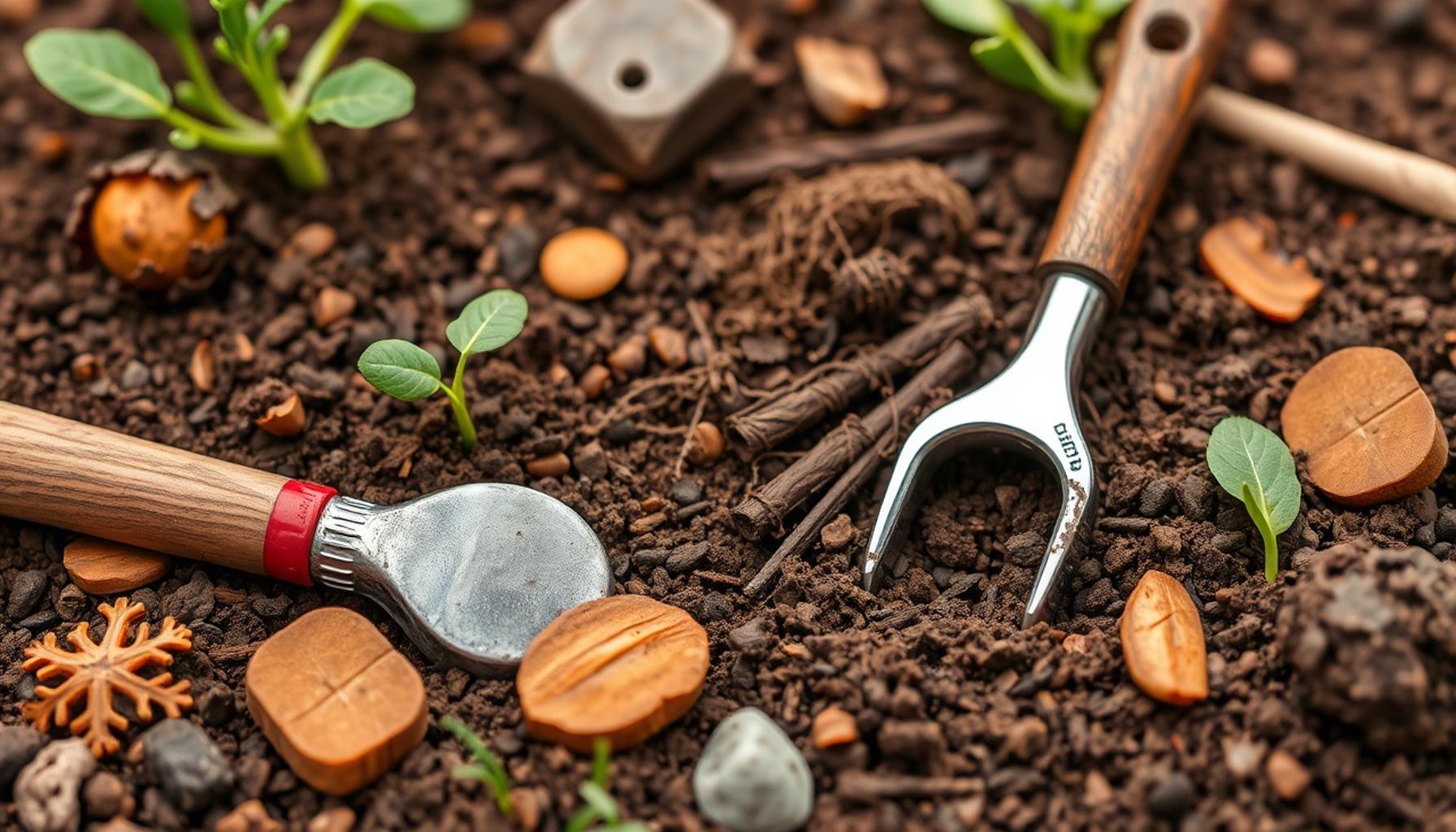
- Garden Fork – This tool is perfect for loosening compact soil and aerating it. The long, sharp tines can break up stubborn clumps, allowing water and nutrients to penetrate deeper.
- Tiller – An indispensable tool for larger gardens, the tiller is ideal for breaking up extensive areas of soil quickly and efficiently. By using a tiller, you can prepare your garden bed in a fraction of the time compared to using a spade.
- Hand Trowel – Essential for digging small holes and transplanting seedlings, a hand trowel is invaluable for pinpoint tasks. Whether you’re planting herbs in a container or moving delicate flowers, this tool makes precision easy.
- Soil Tester – Useful to determine pH and nutrient levels, a soil tester helps you understand the specific needs of your soil. Having this data allows you to amend your soil with the right fertilizers and organic materials, ensuring optimal growth for your plants.
Each of these tools plays a crucial role in enhancing soil health. By investing in the right equipment, you lay the groundwork for successful planting and healthier plants. For instance, understanding the pH levels in your soil can guide you in choosing the right amendments, whether you need to increase acidity for certain vegetables like blueberries or reduce it for others like asparagus.
Getting acquainted with soil preparation techniques might seem overwhelming at first. Start by removing any debris, rocks, or weeds from your gardening area, as these can compete with your plants for nutrients and water. Next, once you’ve chosen your tools, incorporate organic matter such as compost to enrich the soil. This practice not only improves fertility but also promotes microbial activity, vital for healthy plant growth.
With a bit of research and the right tools, you’ll find the process of soil preparation not only achievable but also rewarding. Ready to dig in? Let’s explore the must-have tools and techniques that every budding gardener needs to cultivate a thriving garden!
DISCOVER MORE: Click here for easy soil preparation techniques
Choosing the Right Tools for Successful Soil Preparation
When embarking on your gardening journey, understanding the essential tools for soil preparation is paramount. These tools not only facilitate the preparation process but also ensure that the soil is in peak condition for planting. Whether you are tending to a small flower bed or a larger vegetable garden, the right tools can make all the difference. Here’s a deeper look into some indispensable tools every beginner gardener should have in their arsenal:
- Spade – A classic gardening tool, the spade is essential for digging, edging, and lifting soil. Its flat blade allows you to create sharp borders around your garden bed, and it is also useful for turning over soil to help aerate it.
- Rake – Rakes are vital for leveling and smoothing out soil surfaces. After tilling, use a rake to break up any large clumps of soil and smooth out the bed for planting. It’s also effective for removing debris and stones that could hinder plant growth.
- Hoe – An invaluable tool for cultivating and weeding, the hoe allows you to break up the soil surface and eliminate any encroaching weeds. This minimizes competition for your plants and aids in soil aeration.
- Garden Gloves – While not a traditional tool, a good pair of gardening gloves protects your hands while working with soil and prevents cuts and scrapes from various gardening tasks. Choose gloves that offer flexibility and durability for the best experience.
Familiarizing yourself with these tools can significantly enhance your gardening efficiency. For example, utilizing a spade for turning compost into your soil not only adds nutrients but can also improve the soil’s texture. Each tool serves a specific purpose, and learning how to employ them effectively can help prevent overwhelming challenges during your gardening endeavor.
Before planting, consider the techniques that will prepare your soil optimally. Begin by determining the soil type in your garden. Is it sandy, clay-heavy, or loamy? Knowing this will help you amend the soil correctly and choose the right plants for your garden. A simple soil test can reveal the pH levels and nutrient content, guiding you in your amendments. For instance, sandy soils drain quickly and may need more organic matter to retain moisture, while heavy clay soils may benefit from sand and compost mixed in to improve drainage.
Once your tools are clean and ready to use, clearing the area of weeds, rocks, and debris is crucial. Not only does this create a clean slate for your garden, but it also allows you to see any soil issues that may need addressing. Following this, you can enrich the soil by integrating compost, which is an excellent way to boost nutrient content, improve moisture retention, and support a lively ecosystem of beneficial microbes essential for plant health.
Soil preparation is not merely an initial chore; it is a foundational practice that promotes healthy growth throughout the season. By selecting the right combination of tools and implementing effective preparation techniques, you pave the way for an abundant and flourishing garden.
Essential Tools for Soil Preparation: A Beginner’s Guide to Starting Your Garden
As you embark on your journey to create a lush garden, understanding the essential tools for soil preparation is vital for successful planting and growth. Soil preparation not only enhances the quality of your garden but also ensures that your plants thrive. Below, we delve deeper into the significance of having the right tools at your disposal and how they can make your gardening experience more enjoyable and productive.
| Category | Key Features |
|---|---|
| Trowel | Essential for digging and planting, it allows for precise control when working with soil. |
| Garden Fork | Ideal for loosening and aerating the soil, enhancing drainage and root growth. |
| Rake | Helps in leveling and breaking up clumps, making soil ready for planting. |
Each tool serves a specific purpose but contributes to a common goal: achieving rich, fertile soil that paves the way for a flourishing garden. Understanding how to use these tools correctly will save you time and frustration, leading to healthier plants and a bountiful harvest. By mastering soil preparation, you’re paving the way for gardening success that will continue for seasons to come.
DISCOVER MORE: Click here to learn about eco-friendly watering techniques
Additional Essential Tools for Soil Preparation
As you dive deeper into the realm of gardening, you’ll discover that several additional tools can elevate your soil preparation game. While the foundational tools discussed earlier are critical, exploring more specialized implements can enhance efficiency and effectiveness significantly.
- Tiller – A garden tiller is a powerful machine that can save hours of manual labor. It’s especially beneficial for larger garden plots, helping to break up compacted soil and integrate organic matter like compost and manure into the ground. Tillers come in various sizes, from small, portable models ideal for beginners to robust machines suited for seasoned gardeners. This tool can help you achieve a finely tilled seedbed, making it easier to plant seeds and seedlings.
- Hand Fork – A hand fork is indispensable for breaking up hard soil, aerating and loosening it in smaller areas. Perfect for tight spots where larger tools can’t reach, it helps to mix in nutrients directly into the earth. Use this tool to incorporate fertilizers or compost, ensuring optimal nutrient distribution for your plants.
- Soil Moisture Meter – Understanding your soil’s moisture level is essential for healthy plant growth. A soil moisture meter can help you gauge when to water your garden and avoid overwatering, which is a common mistake among beginners. This tool can help you maintain the right balance of moisture, supporting strong root development.
- Seed Preparation Tools – If you plan on starting your plants from seeds, consider investing in seed trays, seedling labels, and a bulb planter. These tools assist in organizing your planting efforts, ensuring that seeds are planted at the right depth and spaced appropriately. Keeping track of different seedlings with labels simplifies the gardening workflow, especially as your garden expands.
It’s worth considering that each of these tools serves a unique purpose, allowing for increased versatility in your gardening endeavors. For example, using a tiller before planting can help minimize weeds and improve soil structure, while a moisture meter can prevent the guesswork that often leads to under or over-watering.
Soil Amendments: Enhancing Soil Health
Equally important to your toolset will be your knowledge of soil amendments. No matter how fantastic your tools, the health of the soil largely determines the success of your garden. Consider these key amendments:
- Organic Matter – Adding organic matter, such as compost, well-rotted manure, or leaf mold, is crucial for improving soil texture, moisture retention, and nutrient availability. These materials create a vibrant ecosystem within the soil, fostering healthy root systems and thriving plant life.
- Mulch – A layer of mulch serves multiple purposes: it helps regulate soil temperature, retain moisture, suppress weeds, and add organic matter as it breaks down. Choose from a variety of materials, such as straw, bark, or grass clippings, to suit your garden’s aesthetic and functional needs.
- Soil Amendments for pH Adjustment – Depending on your initial soil test results, you may need to amend the pH level of your soil. Adding lime can raise pH levels for overly acidic soils, while sulfur is effective for lowering pH in alkaline soils. Adjusting the pH can help create the ideal growing conditions for your selected plants.
Understanding these amendments and knowing how and when to apply them will not only enhance soil quality but also contribute to the long-term health of your garden. With the right tools and knowledge, preparing your soil becomes an engaging, rewarding experience that lays the groundwork for a bountiful harvest.
DISCOVER MORE: Click here for expert gardening tips!
Conclusion: Preparing for Gardening Success
In conclusion, embarking on your gardening journey requires a solid understanding of the essential tools for soil preparation. Each tool plays a distinct role in transforming your soil into a thriving foundation for plants. From hand tools like trowels and hand forks to more advanced options like tillers and moisture meters, having the right implements on hand can drastically improve your productivity and success. Additionally, incorporating soil amendments such as organic matter, mulch, and pH adjusters will elevate your soil quality, creating an optimal environment for plant growth.
As a beginner, this guide serves not just as a checklist but as an invitation to explore and experiment with gardening techniques. Recognizing the interplay between soil health and successful plant cultivation is vital; after all, healthy soil promotes fruitful gardens. By investing time and resources into understanding the unique needs of your soil and utilizing the proper tools, you set the stage for a rewarding gardening experience.
Remember, gardening is a journey of continual learning and improvement. As you gain hands-on experience, you’ll discover which tools work best for your specific environment and gardening goals. So roll up your sleeves, gather your essential tools, and get ready to cultivate your garden with enthusiasm and knowledge—the fruits of your labor await!