Root Vegetable Varieties: Growing Beets, Carrots, and Radishes at Home
Exploring Root Vegetables: A Gardener’s Delight
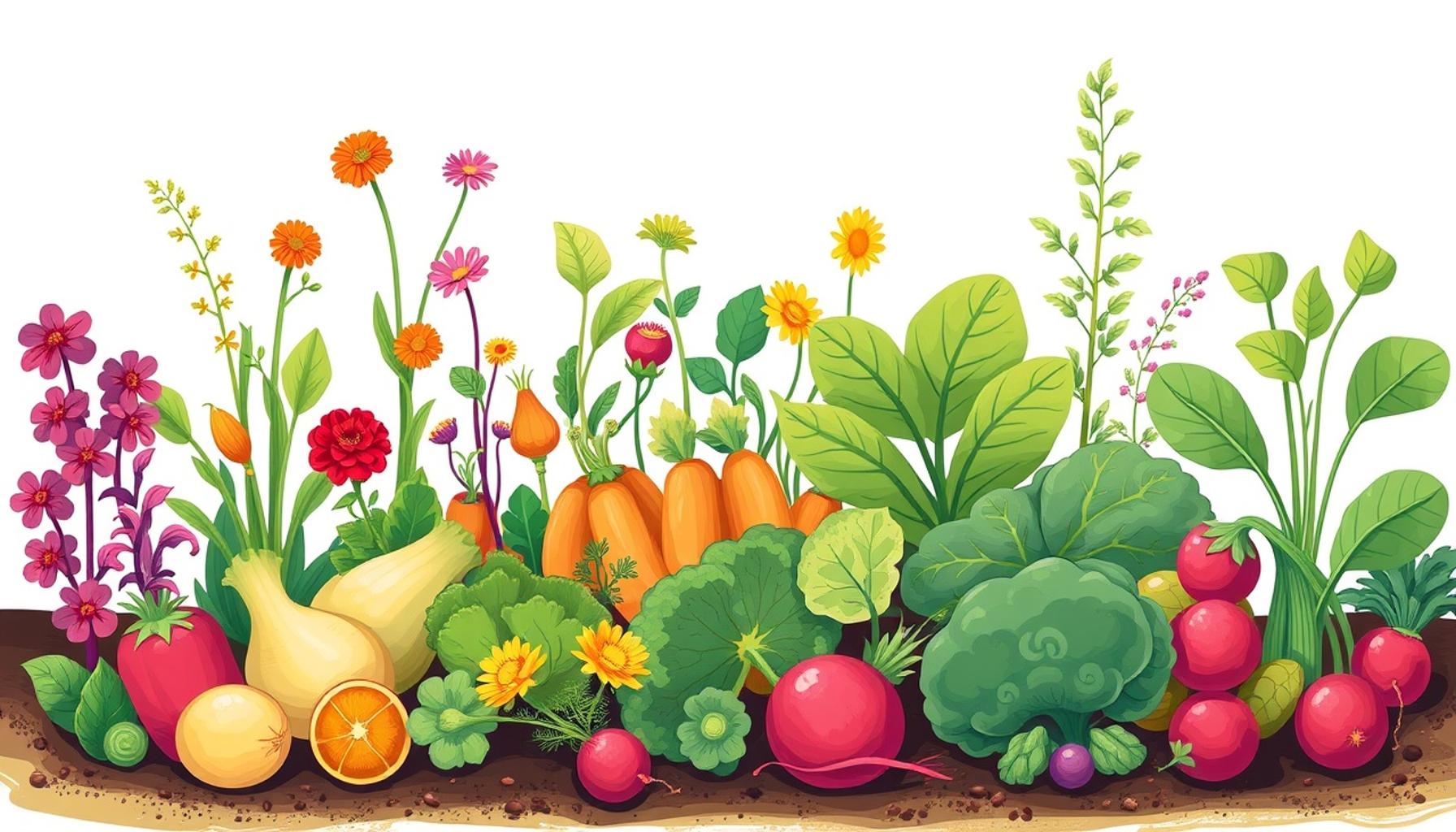
Root vegetables like beets, carrots, and radishes are not only essentials in a well-rounded diet but also provide immense joy and satisfaction when grown in home gardens. These vegetables thrive beneath the soil, making the act of harvesting a mini adventure that rewards both patience and hard work. Each variety comes with its distinct taste profile and nutritional benefits, transforming any garden into a vibrant and healthy space.
First and foremost, let’s delve deeper into beets. These ruby-colored gems are packed with folate, which is crucial for DNA synthesis and repair, making them particularly beneficial for pregnant women. Additionally, beets boast a rich array of antioxidants that can combat inflammation and promote heart health. In the kitchen, they can be used in diverse culinary creations: from a hearty roast, where their natural sugars caramelize, to being pickled for a zesty addition to sandwiches. For a refreshing drink, beet juice can be combined with apples or ginger for a colorful and nutrient-dense beverage.
Carrots are another fascinating root vegetable, famed not just for their crunch but for an impressive variety of colors — ranging from bright orange, which is high in beta-carotene, to striking purple and yellow varieties. Beta-carotene is absorbed by the body and converted to vitamin A, essential for good vision, immune function, and skin health. Whether raw, steamed, or roasted, they are a versatile ingredient beloved by both children and adults alike. They can be blended into smoothies, grated into salads, or cooked into soups, showcasing their ability to enhance numerous dishes.
Radishes, on the other hand, provide a quick and spicy kick to any meal. These fast-growing vegetables are excellent for new gardeners since they can mature in as little as three weeks, making them a great option for impatient green thumbs. With their crisp texture and peppery flavor, they are perfect for adding to salads or serving alongside dips. They also make a stunning addition to any garden with their striking red, white, or purple skin.
Essential Gardening Considerations
While cultivating these root vegetables can be rewarding, it requires careful consideration of several factors. Understanding soil requirements is crucial, as root vegetables thrive in loose, well-drained soil that allows for easy growth and expansion. A pH level between 6.0 – 7.0 is typically ideal for these types of crops.
Choosing the right planting times is essential and varies based on your local climate. Most root vegetables can be planted in the spring for a summer harvest or in late summer for a fall harvest. Keeping track of first and last frost dates can guide when to sow seeds. It’s also important to know your local growing season to maximize yield.
Effective pest control methods are critical to protecting your harvest. Common culprits include aphids and beetles, which can be managed through organic strategies such as companion planting, using organic pesticides, or even introducing beneficial insects like ladybugs to the garden.
In conclusion, whether you are a novice gardener looking to delve into the world of root vegetables or an experienced cultivator seeking to diversify your harvest, understanding beets, carrots, and radishes will undoubtedly enhance your gardening journey. Get your hands dirty and enjoy the fruits of your labor, knowing that you are also contributing to a more sustainable lifestyle!
DISCOVER MORE: Click here to learn how to choose the right tools
Beets: Nutrient-Packed Garden Gems
When it comes to root vegetables, beets undoubtedly stand out for their vibrant color and diverse uses. This hardy vegetable can be grown in numerous varieties, including the classic red beet, golden beet, and even chioggia, a candy-striped heirloom. Each variety offers its unique flavor and culinary potential, making them a delightful choice for any home gardener.
One of the great things about growing beets at home is their versatility. Beets perform best in cool weather, so planting them in early spring or late summer will maximize their growth. They prefer soil that is rich in organic matter, allowing for easy root expansion. A planting depth of one to two inches is ideal, and with the right spacing of about three inches apart, gardeners can ensure that each beet has ample room to develop. Additionally, the greens of beet plants, often overlooked, are equally edible and nutritious, boasting high levels of vitamins A and C, as well as important minerals.
Carrots: Color and Crunch
Carrots are another delectable root vegetable that brings both color and crunch to the table. Available in a rich palette—from the traditional orange to unique varieties like purple, yellow, and white—carrots are a testament to gardening creativity. In addition to their eye-catching hues, they are rich in vitamin A, essential for visual health and immune function. Harvesting carrots can be a thrilling activity, as they often require gentle coaxing from the soil, revealing their bright colors and crisp texture.
For successful carrot cultivation, it’s vital to select the right variety for your soil type. Shorter varieties such as ‘Thumbelina’ are fantastic for sandy soils, while longer types like ‘Danvers’ or ‘Nantes’ are better suited to loamy, deeper beds. Ensure the seeds are sown at a depth of half an inch with spacing of about one to two inches apart. Consistent moisture is crucial, particularly during germination, as carrot seeds can take two to three weeks to sprout.
Radishes: The Quick and Spicy Option
Radishes are the ideal starter vegetable for any enthusiast venturing into the world of gardening. Their fast growth cycle—maturing in as little as three weeks—makes them rewarding for beginners and seasoned gardeners alike. Radiating in colors like red, white, and purple, radishes not only provide a spicy flavor to salads but also make an excellent choice for intercropping with slower-maturing crops to effectively utilize garden space.
For optimal growth, sow radish seeds directly into the garden bed, about half an inch deep and with a spacing of one to two inches apart. They thrive in cooler temperatures, making spring and fall the perfect planting seasons. Radishes enjoy well-drained soil and can become tough or woody if left in the ground too long. When harvested at the right time, these crunchy vegetables can add a refreshing kick to dishes and can even be pickled for a zesty side.
In conclusion, understanding the intricacies of growing beets, carrots, and radishes ensures a bounty of delicious produce to enjoy at home. As these vegetables burst from the soil upon harvest, they not only offer a nutritional boost but also a sense of accomplishment for every gardener, no matter their experience level.
| Variety | Advantages |
|---|---|
| Beets | High in vitamins and antioxidants; enhances the soil with nutrients. |
| Carrots | Rich in beta-carotene; can be stored for long periods. |
| Radishes | Fast-growing; excellent for succession planting and soil improvement. |
Growing root vegetables like beets, carrots, and radishes in your own garden provides numerous benefits. Firstly, these vegetables are not only delicious but also packed with essential nutrients that ensure a healthy diet. Each variety contributes its unique set of vitamins and minerals, making them a vital addition to any family meal.Beets, for instance, are known for their rich color, indicating a high antioxidant content. They are easy to grow and crucial for soil health, enriching it as they develop. Similarly, carrots are a fantastic source of fiber and other nutrients, making them an ideal choice for long-term storage.Radishes flourish quickly, allowing gardeners to reap rewards in a short period, and they serve as excellent companions in crop rotation practices. By cultivating these vegetables at home, you engage in a sustainable lifestyle that lowers grocery bills while enjoying fresher produce. Discovering the specific care needs and harvesting techniques can further enhance your gardening expertise and yield quality crops.
DIVE DEEPER: Click here to learn the best practices for soil preparation
Choosing the Right Varieties for Your Garden
When embarking on the journey of growing root vegetables like beets, carrots, and radishes, selecting the appropriate varieties is paramount to achieving a successful harvest. Various cultivar options cater to different climates, soil types, and culinary uses, further enhancing the home gardener’s experience. Let’s delve deeper into the specific selections that can thrive in diverse growing conditions and add flair to your home garden.
Heritage and Hybrid Varieties
Gardeners often find themselves at a crossroads between choosing heritage and hybrid varieties. Heritage beets such as ‘Detroit Dark Red’ or ‘Golden Beet’ maintain their traditional characteristics, allowing gardeners to savor the flavors that have stood the test of time. These robust varieties are typically less susceptible to pests and diseases, making them ideal for organic gardens. Hybrids, on the other hand, like ‘Kestrel’ and ‘Chioggia’, can offer faster growth rates, improved disease resistance, and uniformity—a boon for gardeners seeking consistent results.
Carrot enthusiasts will find that hybrids such as ‘Sugarsnax’ and ‘Coresweet’ boast superior sweetness and crunch, while heritage options like ‘Danvers 126’ provide a traditional flavor and reliable performance. It’s essential to experiment with both types to discover unique flavors that elevate the home-cooked experience.
Understanding Soil Requirements
The soil type in which you grow your root vegetables plays a pivotal role in determining their success. Beets thrive in loamy, well-drained soils with a pH ranging from 6.0 to 7.0. Incorporating compost or well-rotted manure can drastically enhance soil structure and fertility, fostering a conducive environment for root expansion. Similarly, carrots prefer loose soil with minimal stones, enabling the roots to grow straight and smooth.
Radishes, being quick producers, can adapt to less-than-ideal soil conditions but excel in nutrient-rich, well-draining substrates. Test your soil’s pH level and amend as needed to create a supportive habitat for your root vegetables. Using soil tests available at local gardening centers or through cooperative extension services can provide advice tailored to your specific region.
Harvesting Techniques and Timing
Successfully timing your harvest is as crucial as the planting process itself. Beets typically take 55 to 70 days to mature, depending on the variety. Harvesting when they reach about 1.5 to 2 inches in diameter ensures a tender, flavorful vegetable. Carrots, on the other hand, can be harvested once they reach their desired size, which usually occurs in about 70 to 80 days. Pull them gently from the soil to avoid snapping the roots, and consider leaving some in the ground to enjoy a sweeter taste as they develop further.
Radishes are the quickest root crop, ready to harvest in as little as three to four weeks. Their small size means they can be pulled at any stage of growth, but it’s crucial to harvest before they become oversized and overly spicy. To determine readiness, gently brush away the soil at the base to check their size, pulling them when they are no larger than a golf ball for optimal flavor.
Pest Management and Care
Growing root vegetables can come with challenges, particularly from pests and diseases. Aphids and wireworms can damage beets and carrots, while radishes may attract flea beetles. Implementing crop rotation and companion planting can deter these pests. Marigolds or garlic, planted alongside your root vegetables, can provide a natural deterrent to harmful insects.
Regular monitoring and maintaining proper watering routines will bolster plant health, further contributing to a successful harvest. Conducting routine checks and providing necessary care will go a long way in ensuring your garden remains vibrant and flourishing.
DISCOVER MORE: Click here for vital insights on water quality in your garden
Conclusion: Embrace the Bounty of Root Vegetables
In conclusion, the journey of growing beets, carrots, and radishes at home is a rewarding venture that allows gardeners to connect with nature while enjoying the fruits of their labor. By carefully choosing the right varieties—whether they be heritage or hybrid—you can cultivate a diverse range of flavors and textures that will enhance your culinary creations. Understanding soil requirements, timing your harvest, and employing pest management strategies play crucial roles in ensuring a bountiful yield.
As you develop your own home garden, consider exploring a variety of methods to optimize growth and flavor. Incorporating organic practices, such as crop rotation and companion planting, will bolster plant health and potentially yield a more fruitful harvest. Moreover, using local resources for soil testing and gardening advice can tailor your approach to suit regional conditions, ensuring that your plants thrive.
The appeal of growing root vegetables extends beyond their culinary uses; it also provides an opportunity for education and exploration in the world of gardening. Each variety offers unique traits that can inspire creativity in the kitchen while contributing to your self-sufficiency. Therefore, as you embark on your gardening journey, remain curious and willing to experiment. Who knows, you might discover a hidden gem—a variety that becomes a staple in your home cooking. Dig in, nurture your garden, and enjoy the delightful results of your hard work!