Strategies to Improve Soil Drainage Before Planting

Understanding Soil Drainage
Soil drainage plays a crucial role in the health and productivity of your garden. Poor drainage can lead to a host of problems, including root rot, nutrient deficiencies, and stunted plant growth. For gardeners and farmers alike, it’s essential to implement effective strategies to improve soil drainage before planting. This not only fosters a conducive environment for plants but also increases the overall yield of your crops.
Common Causes of Poor Drainage
Several factors may contribute to inadequate soil drainage, and understanding them is vital in crafting solutions:
- Soil Type: Different soils have distinct drainage characteristics. For instance, clay soils tend to retain moisture due to their fine particles, leading to water logging, while sandy soils drain quickly and often require more frequent watering. Loamy soil, regarded as the ideal type for gardens, combines the best of both worlds, providing good drainage along with moisture retention.
- Topography: The landscape of your garden plays a significant role in water drainage. Low-lying areas are prone to water pooling, especially after heavy rains. Understanding your land’s slope and contour can assist in designing adequate drainage systems such as swales or ditches.
- Compaction: Compaction of soil, often caused by heavy machinery or excessive foot traffic, creates a dense layer that inhibits water from percolating through the soil. Regularly aerating your soil can help mitigate compaction, especially in high-traffic areas.
Recognizing these elements is the first step to finding solutions that will optimize your planting area. For example, consider conducting a soil test to determine its composition and pH, which can inform your drainage strategy.
Benefits of Improved Drainage
Enhancing soil drainage offers numerous advantages that go beyond just managing excess water:
- Promotes healthy root development: Proper drainage allows roots to access oxygen and nutrients, promoting robust plant growth. In contrast, plants in waterlogged soils often suffer from root diseases, limiting their growth potential.
- Increases nutrient availability to plants: Well-drained soils prevent nutrient leaching during heavy rains, ensuring that essential minerals remain accessible to plants. This can significantly improve crop quality and yield.
- Reduces the risk of pests and diseases: Excess moisture creates favorable conditions for pests and fungal diseases. By improving drainage, gardeners can create an inhospitable environment for these threats, leading to healthier plants.
By addressing drainage issues proactively, you can create a thriving environment for your plants. Techniques such as adding organic matter, installing drainage tiles, or creating raised beds can drastically improve soil drainage. In this article, we will further explore various methods to ensure your soil is well-drained, setting the stage for a successful growing season. Whether you’re tending a small home garden or managing large agricultural fields, understanding and enhancing your soil drainage is vital to achieving optimal growth and yield.
EXPLORE MORE: Click here for the best indoor plants for small spaces
Effective Strategies for Enhancing Soil Drainage
Improving soil drainage is vital to creating an optimal growing environment for your plants. Implementing a strategy that addresses the core issues of poor drainage can lead to healthier plants and bountiful harvests. Here, we will explore several practical methods to enhance soil drainage before you begin planting.
Incorporating Organic Matter
One of the most straightforward and effective strategies to improve soil drainage is to incorporate organic matter. This includes compost, well-rotted manure, or leaf mold. Organic matter not only enhances the soil structure by improving aeration but also increases its ability to retain nutrients and moisture, creating a balanced environment for plant growth. As you add organic matter, the soil’s texture improves, allowing water to flow through more effectively while avoiding excessive compaction.
Building Raised Beds
If your soil drains poorly due to clay content or low-lying terrain, consider building raised beds. Elevating the planting area helps to facilitate drainage. Additionally, raised beds warm up faster in spring and can extend the growing season. When constructing these beds, make sure to use a mixture of soil that includes sand and organic material to ensure effective drainage. This not only provides an aesthetic appearance but is also a practical solution to ensure that the roots of your plants remain healthy.
Installing Drainage Tiles
For more severe drainage problems, especially in larger agricultural areas, the installation of drainage tiles can significantly improve the situation. These underground piping systems help redirect excess water away from the root zone, effectively lowering the water table. Drainage tiles work best when combined with a broader understanding of your land’s topography, allowing you to effectively channel water to areas where it can be safely dispersed.
Utilizing Soil Amendments
In addition to organic matter, consider using soil amendments like perlite, vermiculite, or sand to improve drainage in specified areas. Each of these materials works by increasing the soil’s porosity, allowing water to move freely without becoming trapped. A mix of these amendments not only aids in drainage but can also enhance the overall health of the soil, making it more habitable for plant roots.
Aeration Techniques
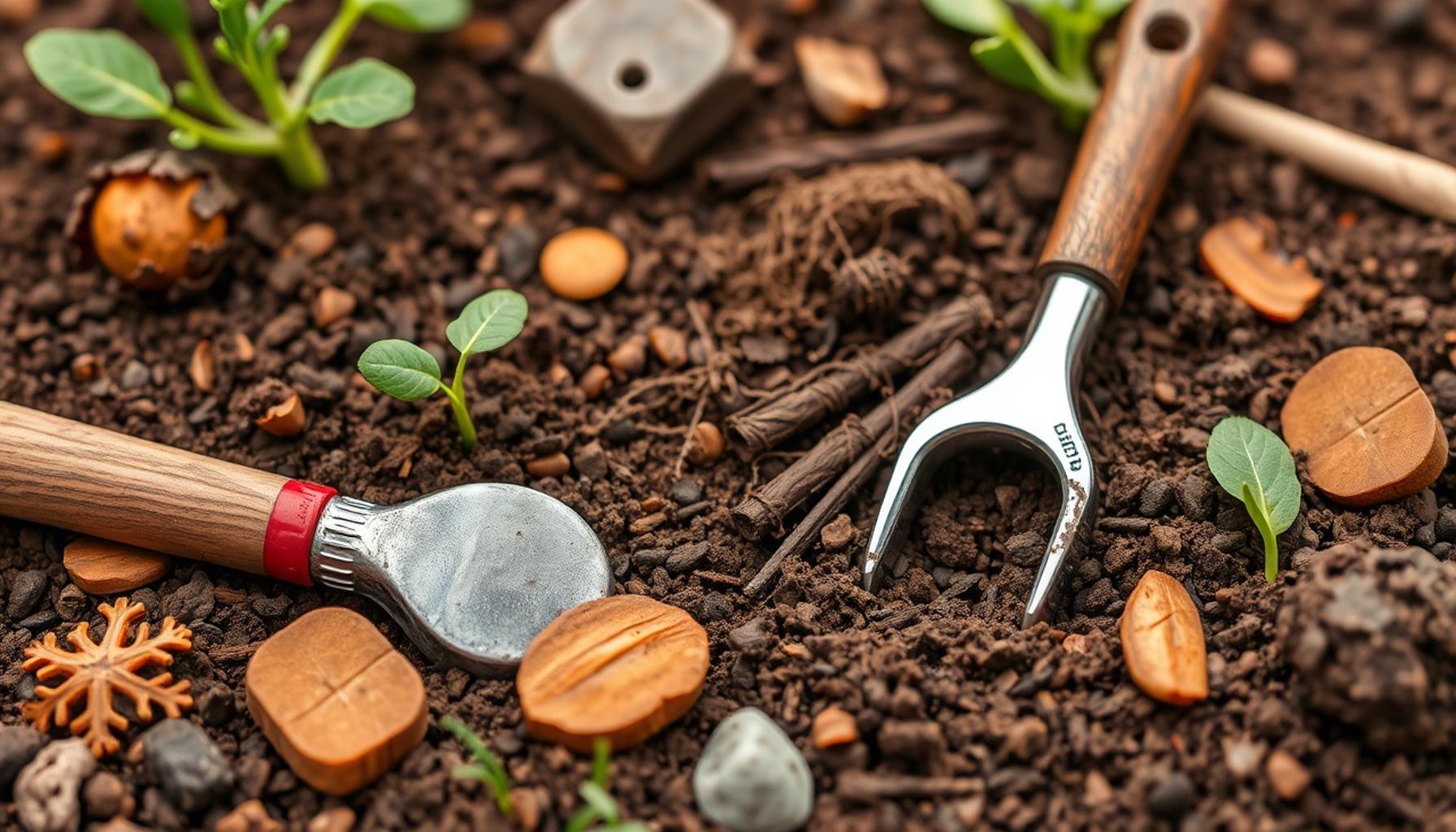
Compacted soil can be a significant barrier to effective drainage. Regular aeration practices can alleviate compaction and allow for better water infiltration. This can be done using a garden fork, a core aerator, or even a tiller, depending on the size of the area to be aerated. Aerating your soil before planting not only improves drainage but also enhances oxygen availability to the roots, creating a conducive environment for robust plant growth.
By implementing these strategies for improving soil drainage before planting, you set the stage for successful growth. Each technique can be tailored to your specific environment and challenges, ensuring that your plants receive the vital water and nutrients they need. The next section will delve deeper into additional strategies and best practices to consider in your gardening endeavors.
Strategies to Improve Soil Drainage Before Planting
Improving soil drainage is crucial for successful farming and gardening, as it allows roots to breathe and promotes healthy plant growth. One effective strategy is to incorporate organic matter into the soil. This can be achieved by adding compost, aged manure, or leaf mold. Organic matter enhances soil structure, increases pore space, and ultimately improves water retention and drainage. Moreover, the microbial activity stimulated by organic matter plays a significant role in nutrient availability for plants.
Another method worth considering is the installation of French drains or drainage tiles. These systems help redirect excess water away from planting areas, effectively reducing waterlogging. By strategically placing these drains in lower parts of the field, farmers can significantly alleviate drainage issues, ensuring that crops are less prone to root rot and other diseases associated with oversaturated soil.
Additionally, adjusting the soil pH can make a difference in drainage capabilities. Soils that are too acidic or alkaline may not drain well. Conducting regular soil tests and amending the pH with lime or sulfur can optimize soil conditions for better drainage.
Proper land grading is also essential. Ensuring that fields have a slight slope allows for natural water runoff, helping to prevent pool formation and improving overall drainage. By combining multiple strategies, farmers and gardeners can create a sustainable environment for crops, improving both yield and soil health.
| Category | Advantages |
|---|---|
| Organic Matter Addition | Enhances soil structure, increases pore space, and promotes nutrient availability. |
| French Drains | Redirects excess water, reducing waterlogging and preventing root diseases. |
| pH Adjustment | Optimizes soil conditions, improving drainage capabilities. |
| Proper Land Grading | Encourages natural water runoff, preventing pools and enhancing drainage. |
These strategies are not just advantageous; they represent a fundamental shift towards more sustainable agricultural practices, catering to modern farming needs while ensuring the health of the ecosystem. Adopting these practices can lead to improved crop yields and a more resilient landscape.
DISCOVER MORE: Click here for essential soil tips
Additional Effective Approaches to Enhance Soil Drainage
While the aforementioned strategies provide strong foundations for improving soil drainage, there are additional methods worth exploring. These approaches not only address immediate drainage concerns but also contribute to long-term soil health, making them essential considerations for any gardener or farmer aiming to cultivate robust plants.
Implementing Contour Farming
Contour farming involves plowing and planting across the slope of the land rather than up and down. This technique can significantly reduce soil erosion and improve water absorption. As water flows down a slope, it tends to accumulate in the furrows created by the contour method. This helps to provide a more even distribution of moisture, ultimately reducing the risk of waterlogging in low areas. Particularly effective in regions with rolling hills or mounds, contour farming harnesses natural water drainage patterns that enhance soil health.
Creating Swales and Berms
Constructing swales and berms is another effective technique for managing water drainage. Swales are shallow, broad channels that guide water away from areas prone to flooding, while berms are raised barriers that redirect water flow. Both can effectively regulate water movement across your garden or field, reducing the likelihood of pooling. Strategically placed swales can capture rainwater, allowing it to slowly infiltrate the soil over time, reducing runoff and enhancing soil moisture retention.
Implementing Cover Crops
Cover crops serve as an excellent means of improving soil structure and drainage. These crops, typically grown in the off-season, help to prevent soil compaction while their roots create channels for water to flow through. Additionally, cover crops can enhance organic matter content in the soil as they decompose. Varieties, such as clover or rye, can be sown in the fall and then tilled into the soil before planting, resulting in improved drainage conditions and increased nutrient availability for future crops.
Regular Maintenance of Soil pH Levels
Maintaining the correct soil pH can also indirectly support better drainage. Soil that is too acidic or alkaline can lead to compaction and diminished microbial activity, hindering water movement. Regular soil testing can help you understand your pH levels. If necessary, lime can be added to raise pH, while sulfur can be used to lower it. This proactive approach can improve overall soil health, fostering an environment that promotes drainage and robust root development.
Utilizing Mulching Techniques
Mulching serves several important purposes in gardening and agriculture, one of which is enhancing soil drainage. By applying a layer of organic material on top of your soil, you can regulate temperature, maintain moisture levels, and promote better water infiltration. Organic mulches, such as wood chips or straw, help to break down over time, contributing to soil structure while allowing air and moisture to penetrate easily. This practice not only helps with drainage but also minimizes weed growth, ultimately supporting plant health.
These diverse methods to improve soil drainage serve as practical tools for gardeners and farmers alike. By tailoring your approach to the specific needs of your soil and surrounding environment, you can create a more productive and sustainable agricultural system. Enhanced drainage leads not just to healthier plants, but also fosters the development of richer, more resilient soil ecosystems. In the next section, we will explore how to assess the effectiveness of these strategies and adapt them for ongoing success in your gardening or farming endeavors.
DISCOVER MORE: Click here to learn how to organize your gardening tools
Conclusion
In summary, effectively improving soil drainage before planting is crucial for cultivating healthy crops and flourishing gardens. The strategies discussed—from enhancing soil organic matter and employing contour farming to utilizing cover crops and implementing mulching techniques—illustrate the multifaceted approach necessary for managing drainage issues. Each method not only addresses immediate concerns but also promotes the long-term vitality of your soil.
Adopting a tailored combination of these strategies allows gardeners and farmers to work with the natural characteristics of their land instead of resisting them. For instance, while swales and berms can help redirect excessive water, periodic soil pH testing ensures that the soil remains conducive to nutrient uptake and microbial activity. Such practices create a balanced ecosystem, which facilitates both water management and overall soil health.
As climate patterns evolve and extreme weather becomes more common, understanding and implementing these drainage strategies will only grow in importance. By prioritizing the integrity of your soil today, you not only support a robust planting environment but also foster a more sustainable agricultural future. For the attentive farmer or gardener, investing time and effort into these methods translates into a thriving landscape that yields bountiful harvests year after year. So, take the plunge and explore these strategies to improve soil drainage, as each step brings you closer to a lush and productive planting season.