Top Tips for Amending Your Soil: Nutrients and Organic Matter for Beginner Gardeners

Unlock the Secrets of Healthy Soil
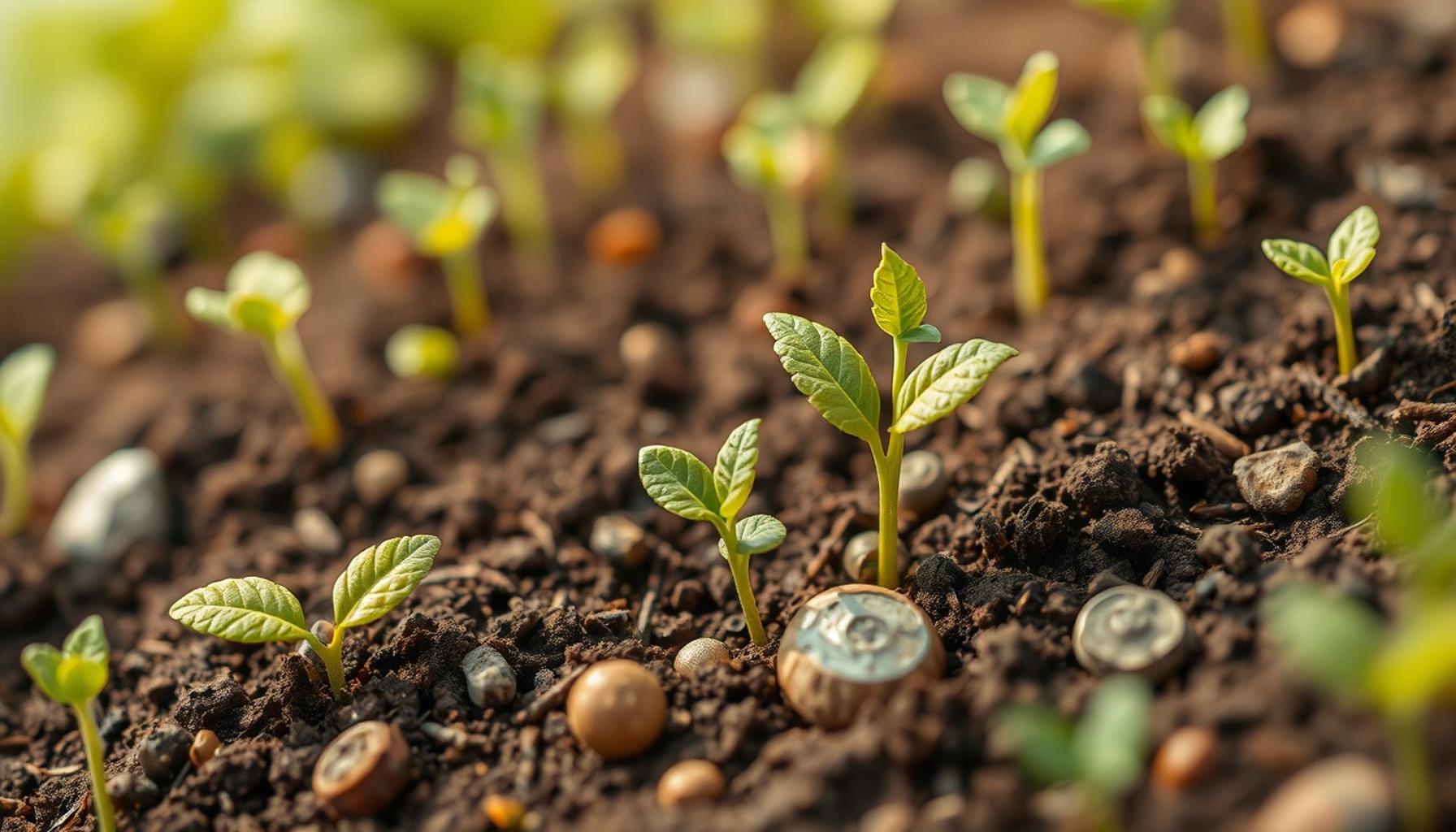
Every successful garden begins with the foundation of good soil. For beginner gardeners, understanding how to amend your soil is crucial to fostering a thriving environment for your plants. Soil is not just dirt; it’s a living ecosystem that requires careful attention to nutrients and organic matter. The health of your soil directly impacts plant vitality, and thus, a gardener’s focus should center on nurturing this dynamic foundation.
Why Soil Matters
Healthy soil contributes significantly to vibrant plant growth, resilience against pests, and better water retention. The characteristics that define healthy soil include:
- Balanced pH Levels – Soil pH affects nutrient availability; for instance, most vegetables prefer a slightly acidic to neutral pH range of 6.0 to 7.5. Regular soil testing ensures that amendments can be made when necessary.
- Organic Matter – This supports vital microbial activity, which in turn helps to break down organic materials into nutrients that plants can readily absorb. Well-structured soil with organic matter improves aeration and drainage.
- Nutrient-Rich – Essential nutrients like nitrogen, phosphorus, and potassium play a crucial role in plant health. Nutrient-rich soil promotes robust growth, flowering, and fruit production.
Getting Started with Amending Your Soil
Amending your soil might seem complex, but it doesn’t have to be. Start with a comprehensive assessment of your current soil condition; this will inform the amendments you’ll need. Some key amendments include:
- Compost – This organic material not only enhances fertility but also improves soil structure by adding texture. Compost can be homemade from kitchen scraps and yard waste, making it a sustainable option.
- Manure – A natural source of nutrients, well-aged manure from herbivores like cows, horses, or chickens can significantly boost soil fertility. However, it should be tested for potential pathogens and should age appropriately before use.
- Mulch – Acting as a protective layer on the soil surface, mulch helps retain moisture, suppresses weeds, and regulates soil temperature. Organic mulches like straw or wood chips break down over time, further enhancing soil quality.
By focusing on enriching your soil with the right nutrients and organic matter, you equip your garden for long-term success. Consider incorporating cover crops such as clover or rye during the off-season to add more organic matter and prevent erosion. With the right tips and techniques, anyone can cultivate a flourishing garden that yields bountiful results, transforming a simple plot of land into a vibrant ecosystem. As your plants thrive, you’ll witness firsthand the profound impact healthy soil has on your gardening endeavors, prompting you to explore even more about sustainable gardening practices.
LEARN MORE: Click here for essential gardening tips
Essential Amendments for Thriving Soil
As a beginner gardener, the journey to enriching your soil starts with understanding what amendments can best improve its quality. Each component plays a vital role in creating an ideal environment for plant growth. Here are some of the fundamental amendments you should consider to enhance both nutrients and organic matter in your soil:
- Compost: This powerhouse amendment should be a staple in your gardening routine. Compost is made from decomposed organic materials, including kitchen scraps, yard debris, and even shredded newspaper. It enriches soil fertility, improves moisture retention, and promotes beneficial microbial activity. Incorporating compost into your garden once or twice a year can lead to noticeably healthier plants. Aim for a compost mix that’s rich in both green materials (like grass clippings) and brown materials (like fallen leaves) to achieve a balanced nutrient profile.
- Peat Moss: Often used in potting mixes, peat moss helps to improve soil aeration and moisture retention. When added to garden beds, it creates a light, fluffy texture. However, consider the environmental impact of harvesting peat moss. Alternatives like coconut coir provide similar benefits while being more sustainable.
- Green Manure: This method involves planting cover crops, such as clover or vetch, which can be plowed back into the soil after their growth. These plants fix nitrogen levels and contribute organic matter when they decompose, ultimately enhancing soil structure and fertility. Using cover crops is especially beneficial during the off-season to prevent nutrient runoff and soil erosion.
- Lime: In regions where soil pH tends to be on the acidic side, lime serves as an effective amendment to increase alkalinity. It helps to balance the soil pH, allowing vital nutrients to become more accessible to plants. If your soil pH test indicates low alkalinity levels, consider spreading lime several months before planting.
- Bone Meal: A great source of phosphorus and calcium, bone meal supports root development and contributes to flowering and fruiting. It is particularly beneficial for new plants, making it an excellent amendment for those setting up a garden bed.
Incorporating these amendments into your gardening routine involves both timing and technique. Test your soil before amending; this analysis will provide insights into nutrient deficiencies and pH status. Following your tests, you can tailor your amendments to meet your garden’s specific needs. Regularly using organic matter enhances soil microbes, leading to better nutrient cycling and plant health. Remember, the road to a flourishing garden is paved with a commitment to nurturing the foundation—healthy soil.
Understanding Soil Amendments
Amending your soil is not merely about adding substances; it’s about enhancing the very foundation of your garden. Soil amendments aim to improve soil structure, fertility, and water retention, which are crucial for growing healthy plants. Beginner gardeners often overlook the importance of balancing nutrient levels, which can lead to frustrating results. Here are key elements to consider when amending your soil.
Choosing the Right Organic Matter
One of the most effective approaches for enhancing soil health is the incorporation of organic matter. Options such as compost, well-rotted manure, or leaf mold play a vital role in enriching your soil. Organic materials introduce that much-needed diversity of microorganisms, which supports plant health by breaking down nutrients and making them available for uptake. This can significantly reduce the need for synthetic fertilizers, promoting a more sustainable gardening practice.
Understanding Nutrients
When amending your soil, it’s crucial to gain insight into nutrient composition. The primary macronutrients your plants require are nitrogen (N), phosphorus (P), and potassium (K), commonly referred to as N-P-K. Each plays a different role: nitrogen supports lush foliage, phosphorus encourages root development and flowering, and potassium enhances overall plant health and resistance to diseases. Testing your soil’s nutrient levels will provide a clear pathway to identify deficiencies and amend accordingly.
Utilizing Cover Crops
Cover crops represent an innovative approach to soil amendment that can yield substantial benefits. Planting specific crops like clover or vetch during the off-season will naturally add nutrients back into the soil, suppress weeds, and prevent erosion. As they decompose, these plants enrich the soil with organic matter, creating a much more fertile growing environment for your main crops. Their role is crucial, particularly in beginner gardens, where soil health can dictate success.
Implementing a Regular Soil Amendment Routine
Consistency is key when it comes to soil amendment. Establish a routine to assess the condition of your soil at least once a year. This will allow you to adapt your amendment strategy according to your garden’s changing needs. Regular application of organic matter not only builds soil structure but also promotes an active ecosystem of beneficial microbes. Observe your plants—healthy growth typically indicates a well-amended and balanced soil environment.
| Category | Benefits of Soil Amendments |
|---|---|
| Improved Fertility | Enhanced nutrient availability promotes vibrant plant growth. |
| Better Water Retention | Organic matter ensures that soil remains moist during dry spells. |
Incorporating these elements will not only improve your soil’s structure and fertility but also instill a greater appreciation for the environmental balance essential in successful gardening. Exploring these strategies can turn any aspiring gardener into a knowledgeable and effective steward of their garden’s health.
DISCOVER MORE: Click here for eco-friendly watering techniques
Incorporating Sustainable Practices into Soil Amendment
As beginner gardeners delve deeper into the rich world of soil amendment, it’s essential to not only focus on specific amendments but also on sustainable gardening practices that can enhance the overall health of your soil. The way you manage your garden, from the plants you choose to how you treat your soil, can impact both the environment and your gardening success. Here are some sustainable practices to consider as you work on amending your soil:
- Mulching: Applying a layer of organic mulch, such as shredded leaves, straw, or wood chips, serves multiple purposes. It helps retain soil moisture, suppresses weeds, and, as it breaks down, adds nutrients along with organic matter to the soil. A layer of 2 to 4 inches can be particularly effective, and it can be replenished throughout the growing season. This practice not only benefits your plants but also reduces the need for supplemental watering—an eco-friendly choice.
- Companion Planting: Engage in the practice of pairing certain plants together in your garden. For instance, planting marigolds with tomatoes can help deter pests while enhancing soil fertility. Companion planting can naturally promote a healthy ecosystem in your garden, reducing the need for chemical interventions and providing a balanced nutrient intake for neighboring plants.
- Rotating Crops: Avoid planting the same crops in the same area year after year. Crop rotation prevents soil depletion and the buildup of pests and diseases. Different plants absorb different nutrients; rotating crops can replenish soil nutrients while giving specific amendments time to break down fully and enhance the soil’s richness.
- Using Organic Fertilizers: While synthetic fertilizers may provide quick results, consider using organic options like fish emulsion or seaweed extracts. These not only add nutrients but also benefit soil microbes and structure, promoting a healthier soil ecosystem. Organic fertilizers release their nutrients gradually, making them more available to your plants over time.
- Soil Testing and Monitoring: As you incorporate amendments and practices, continually monitor your soil health. Regular testing, available through local extension services, can guide your amendment strategies effectively. You may discover trends that dictate specific interventions, helping you maintain optimal soil conditions tailored to your plants’ needs.
By adopting these sustainable practices, beginner gardeners can create a more resilient soil structure that supports not just individual plants but the entire ecosystem of the garden. Healthy soil produces healthy plants, leading to better yields and a flourishing garden environment. Each step you take contributes to a more sustainable approach to gardening, allowing you to witness the transformative power of rich, organic soil. With a mix of patience, observation, and continued learning, you’ll find the ideal balance in enriching your garden’s soil over time.
DON’T MISS: Click here to discover eco-friendly watering techniques
Conclusion: Cultivating Rich Soil for Thriving Gardens
In the journey of gardening, understanding how to amend your soil effectively can transform your backyard into a flourishing oasis. By embracing the top tips for amending your soil, including incorporating essential nutrients and organic matter, you are setting the foundation for healthier plants and a more vibrant garden ecosystem. Remember that each type of soil presents unique challenges and opportunities, making thorough soil testing paramount to tailoring your amendment approach.
Utilizing organic amendments such as compost, manure, and green manures enriches your soil with vital nutrients, while sustainable practices like mulching and crop rotation not only enhance your garden’s productivity but also promote a balanced environment. As you integrate these techniques, keep in mind the importance of continual observation and adjustment; the soil is a living entity that requires attention and care to truly thrive.
Educating yourself further on organic gardening practices can provide you with deeper insights into enriching your soil sustainably. Consider joining local gardening clubs or community workshops to exchange knowledge with fellow enthusiasts. With patience and persistence, your efforts in amending your soil will yield not just a bountiful harvest, but also the joy of nurturing a living landscape. Explore the wonders of healthy soil, and witness how its benefits ripple through every season, fostering a garden that is as productive as it is enchanting.