Creating a Pest-Resistant Garden: Tips for New Home Gardeners
The Rewards of a Flourishing Garden
Starting a garden can be a rewarding and fulfilling experience, especially for new home gardeners. However, one of the biggest challenges they face is dealing with pests. Understanding how to create a pest-resistant garden not only protects plants but also enhances the overall health of your growing space. A gardener’s ability to create a harmonious environment directly affects the vibrancy and productivity of their garden.
Effective pest management is crucial for a thriving garden. By utilizing a variety of strategies, gardeners can cultivate a serene space that thrives even in the presence of pests. Here are some essential methods:
- Choosing Native Plants: Native plants are perfectly adapted to their local environment, making them more resilient to local pests and diseases. For instance, in the eastern United States, planting species such as Purple Coneflower or Black-eyed Susan not only beautifies the garden but also attracts pollinators that naturally keep pests at bay.
- Companion Planting: This age-old method involves planting two or more types of plants close to each other for mutual benefit. For example, marigolds are often planted with tomatoes because they release substances that repel aphids and nematodes while attracting pollinators that enhance tomato production.
- Healthy Soil: Fertile soil is the backbone of any garden. Amending your soil with organic matter like compost promotes strong root systems and healthy growth, making plants less susceptible to pest infestations. Consider conducting a soil test to identify nutrient deficiencies and amend accordingly.
Integrated Pest Management Approach
By employing integrated pest management (IPM) techniques, new gardeners can develop a comprehensive understanding of the ecosystem within their gardens. This holistic approach focuses on sustainable practices that protect crops without harming the environment. Key components of IPM include:
- Monitoring and Identifying: Regularly inspect your plants for signs of pest activity, such as chewed leaves or discoloration. Early identification can prevent a small problem from ballooning into a larger issue that may jeopardize your entire garden.
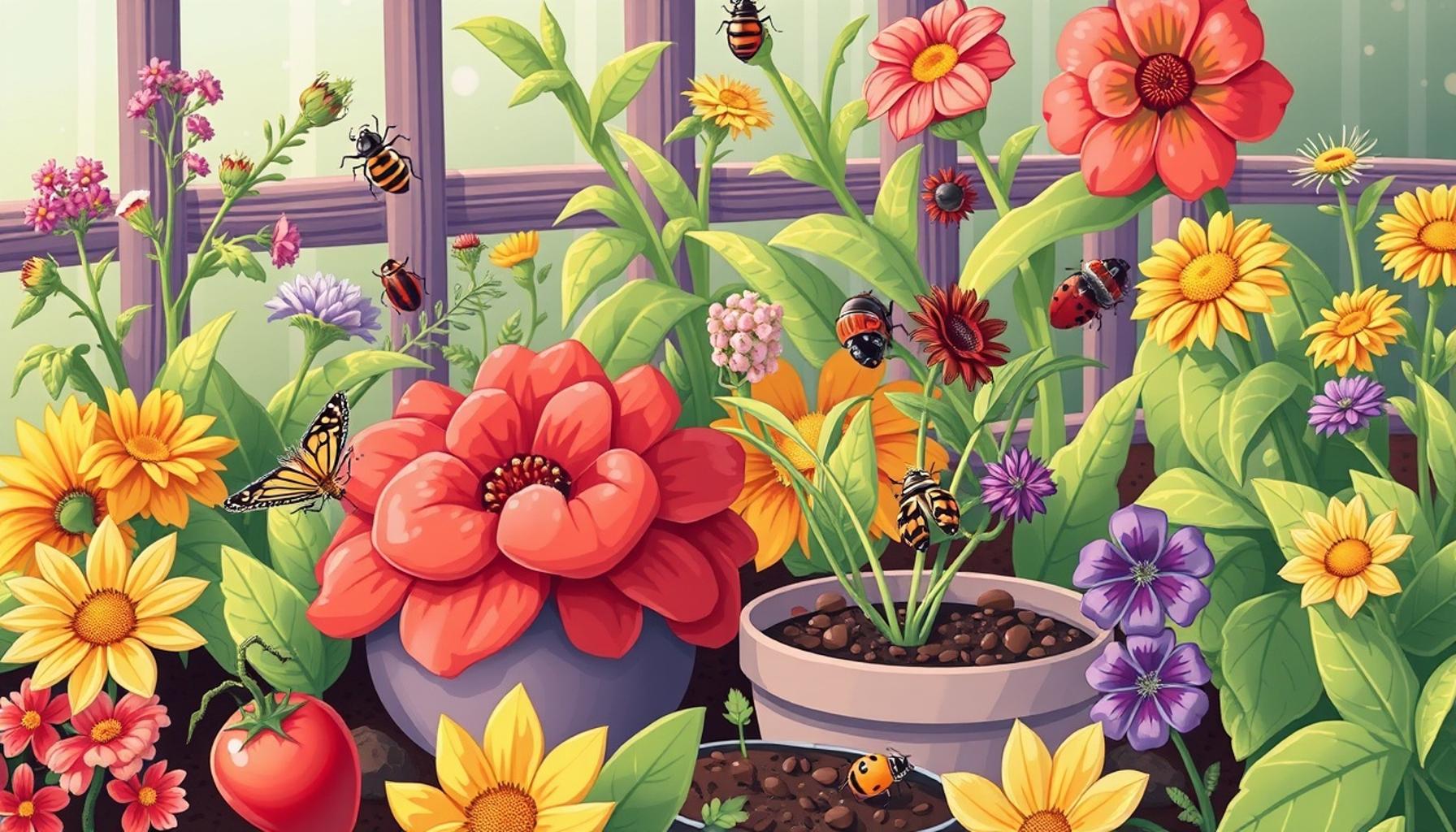
- Creating Habitats: Encourage beneficial wildlife such as ladybugs and birds that feed on harmful pests. Planting diverse species can provide shelter and food for these natural pest controllers, fostering a balanced ecosystem in your garden.
- Using Organic Solutions: Explore environmentally friendly pest control methods such as neem oil or insecticidal soap. These alternatives not only effectively manage pests but also minimize the impact on beneficial insects and the surrounding environment.
Incorporating these strategies cultivates an informed and attentive gardening approach that fosters resilience and sustainability. By gently navigating the challenges posed by garden pests, gardeners can discover a myriad of ways to foster a vibrant garden that flourishes despite pest challenges. Ultimately, this proactive stance makes the gardening journey not only enjoyable but also successful.
LEARN MORE: Click here for expert tips
Fundamentals of Pest Resistance
Creating a pest-resistant garden is not only about protecting your plants but also about embracing an ecosystem that thrives on biodiversity and resilience. Implementing smart preventative strategies can make a world of difference for new home gardeners seeking to minimize pest issues. Grasping the foundations of pest resistance is essential for establishing a healthy and productive garden.
One of the first steps in achieving a pest-resistant garden is understanding plant selection. Choosing plants that naturally resist pests can significantly reduce the need for chemical interventions. Here are some factors to consider when selecting your plants:
- Hardiness Zones: Select plants that are suited for your local climate and hardiness zone. This ensures that they can withstand local pests and diseases better than non-native varieties. For example, in areas like the Midwest, consider hardy plants like Bee Balm or Lavender that thrive in the region’s conditions.
- Resistant Varieties: Look for hybrids or cultivars specifically bred for disease and pest resistance. Many reputable nurseries offer options that not only enhance your garden’s aesthetic but also contribute to its overall health.
- Seasonal Choices: Incorporate a mix of early, mid, and late-season bloomers to ensure year-round habitat for beneficial insects, which can help keep the pest population in check.
The Power of Diversity
Another key aspect of creating a pest-resistant garden lies in plant diversity. By cultivating a variety of plants rather than monocultures, you can create a more balanced ecosystem. Here’s how you can leverage diversity in your garden:
- Interplanting: Combining plants with varying growth habits and nutrient needs can confuse and deter pests. For instance, growing beans alongside corn can naturally repel destructive insects while improving soil nitrogen levels.
- Flowering Plants: Include a range of flowering plants that bloom at different times to attract predatory insects, such as lacewings and parasitic wasps. These beneficial insects serve as natural pest controllers, reducing pest populations organically.
- Herbs and Edibles: Incorporating culinary herbs like Basil, Thyme, and Chives can repel certain pests while providing bountiful harvests. Many of these herbs release aromas that are disruptive to common garden nuisances.
By blending various plant species and promoting biodiversity, you can create a more resilient garden ecosystem. This strategy not only minimizes pest problems but also ensures that your garden remains vibrant and productive throughout the growing season. Embracing these principles of plant selection and diversity not only fortifies your garden against pests but enhances the overall beauty and ecological health of your outdoor space.
Creating a Pest-Resistant Garden: Tips for New Home Gardeners involves a blend of strategic planning and natural methods to ensure your plants thrive while minimizing pest invasions. As a new home gardener, understanding the fundamentals of pest management is vital for fostering a healthy garden environment. One of the key strategies is to select pest-resistant plants. Choosing native species can significantly reduce the likelihood of pest issues, as these plants have adapted to the local ecosystem and are less prone to infestations.
Additionally, incorporating companion planting can enhance your garden’s resilience. This practice involves planting compatible plants in proximity to one another, which can deter pests through natural means. For instance, marigolds are known to repel nematodes, while basil can help protect tomatoes from certain pests. Employing these methods not only nurtures your plants but also promotes a balanced ecosystem.
Another essential technique is to maintain a clean and tidy garden space. Regularly removing debris, such as fallen leaves and dead plants, can significantly diminish pest habitats. Creating physical barriers, such as row covers or insect nets, can also prevent pests from reaching your vulnerable plants.
Monitoring your garden for signs of pests is critical as well. Early detection allows for timely intervention, minimizing damage. Consider introducing beneficial insects, such as ladybugs or lacewings, which naturally control pest populations without harming your garden’s ecology.
Lastly, educating yourself about integrated pest management (IPM) practices can empower you as a gardener. IPM focuses on combining different management strategies and practices to control pests in an environmentally-sustainable way. This knowledge will not only help you in improving your gardening skills but also protect your plants for long-term success.
| Category 1 | Category 2 |
|---|---|
| Pest-Resistant Plants | Adapted to local ecosystems, minimizing pest infestations. |
| Companion Planting | Natural pest deterrents through harmonious plant relationships. |
DISCOVER: Click here to learn more about pest prevention
Natural Pest Control Methods
Beyond plant selection and biodiversity, effective natural pest control methods play a crucial role in cultivating a pest-resistant garden. Leveraging nature’s own mechanisms helps minimize reliance on chemical pesticides and promotes an environmentally friendly gardening approach. Here are several strategies you can employ:
- Companion Planting: This traditional practice involves pairing plants that mutually benefit each other. For instance, planting Marigolds among your vegetable crops can deter nematodes and insects while attracting beneficial pollinators. Additionally, the strong scent of marigolds masks the odors of nearby vegetables, making them less detectable to pests.
- Homemade Sprays: Consider using simple kitchen ingredients to create homemade pest deterrents. A mixture of water, soap, and a few drops of cooking oil can act as an effective insecticide against aphids and spider mites. Similarly, a garlic or hot pepper spray can repel a variety of pests while being harmless to plants.
- Beneficial Insects: Adding insects like ladybugs, lacewings, and predatory beetles to your garden can keep pest populations in check. These insects prey on common pests such as aphids and caterpillars. Many local gardening centers offer beneficial insects that can be introduced to your garden for immediate results.
Physical Barriers and Traps
Implementing physical barriers is another effective strategy for protecting your plants from unwanted pests. These measures help create a protective layer that prevents pests from reaching your plants:
- Row Covers: Lightweight garden fabric can be used as row covers to shield young plants from pests. This barrier allows sunlight and moisture to penetrate while keeping insects at bay. Just remember to remove row covers during flowering, as pollinators need access to the blooms.
- Netting: For fruit-bearing plants, bird netting can deter larger pests like birds and squirrels while ensuring your crops remain safe until harvest. This simple addition to your gardening arsenal can substantially increase your yield.
- Traps: Utilize traps, such as sticky traps or homemade traps for specific pests like slugs and snails. You can create a simple trap using a shallow dish filled with beer to lure these unwanted visitors away from your plants.
Soil Health and Maintenance
The foundation of a pest-resistant garden lies in healthy soil. Healthy plants start with nutrient-rich, well-aerated soil that supports strong root systems and overall plant vigor. Here are some techniques to maintain optimal soil health:
- Composting: Creating a compost pile with kitchen scraps and garden waste can provide essential nutrients to your soil. A rich compost not only adds organic matter but also helps maintain moisture levels, which is crucial for plant health.
- Crop Rotation: Rotate your crops annually to disrupt the life cycles of soil-borne pests and diseases. This practice reduces the prevalence of pests that target specific plants and minimizes the risk of soil nutrient depletion.
- Mulching: Add a layer of organic mulch around your plants to regulate soil temperature, suppress weeds, and retain moisture. Mulch can also provide habitat for beneficial organisms that contribute to pest management.
Integrating these natural pest control methods into your gardening routine can significantly enhance your garden’s resilience. By taking a proactive approach with physical barriers, beneficial insects, and soil health, new home gardeners can cultivate an outdoor space that thrives despite the inevitable challenges posed by pests.
DISCOVER MORE: Click here to learn about tool comparisons
Conclusion
Creating a pest-resistant garden is both an art and a science, essential for new home gardeners eager to foster a thriving green space. By adopting natural methods such as companion planting, utilizing beneficial insects, and enhancing soil health, you can build an ecosystem that not only protects your plants but also enriches your gardening experience. Increased biodiversity acts as a formidable defense against pests, reducing the need for harmful pesticides that can adversely affect both your garden and the environment.
Moreover, implementing physical barriers and traps is a proactive way to safeguard your plants from unwanted visitors, while practices like crop rotation and composting further contribute to a balanced and sustainable garden. Remember, gardening is a journey; experimentation and observation are key. Each garden is unique, and what works for one may not work for another. Therefore, take the time to observe your garden’s specific needs and adapt as necessary.
As you equip yourself with these strategies and insights, consider exploring further resources to expand your knowledge on organic gardening techniques. The world of gardening is vast, and continuous learning will not only improve your skills but also bring peace and satisfaction to your outdoor endeavors. Ultimately, by employing these methods, you can enjoy a beautiful, bountiful garden that thrives even in the face of nature’s challenges.