How to Attract Natural Predators to Control Pests in Your Garden

The Benefits of Embracing Natural Predators
Pest control in gardens often feels like an uphill battle. But what if there was a way to let nature do the work for you? Attracting natural predators to your garden can drastically reduce pest populations while fostering a healthier ecosystem.
The key to achieving a thriving garden lies in recognizing the balance between its inhabitants. Natural predators such as birds, beneficial insects, and even small mammals play a crucial role in maintaining this balance. With the right strategies in place, you can create an ecosystem where these allies flourish. Here are some compelling reasons to consider:
- Environmentally friendly: Attracting natural predators eliminates the need for chemical pesticides, which can harm beneficial insects, pollinators, and even soil health.
- Cost-effective: Relying on natural predators reduces the need for expensive pest control measures, saving you time and money in the long run.
- Supports biodiversity: Encouraging a diverse range of species enhances the overall health of your garden, making it more resilient to pests and diseases.
Identifying Natural Predators
Various natural predators are at your disposal, each contributing uniquely to pest control:
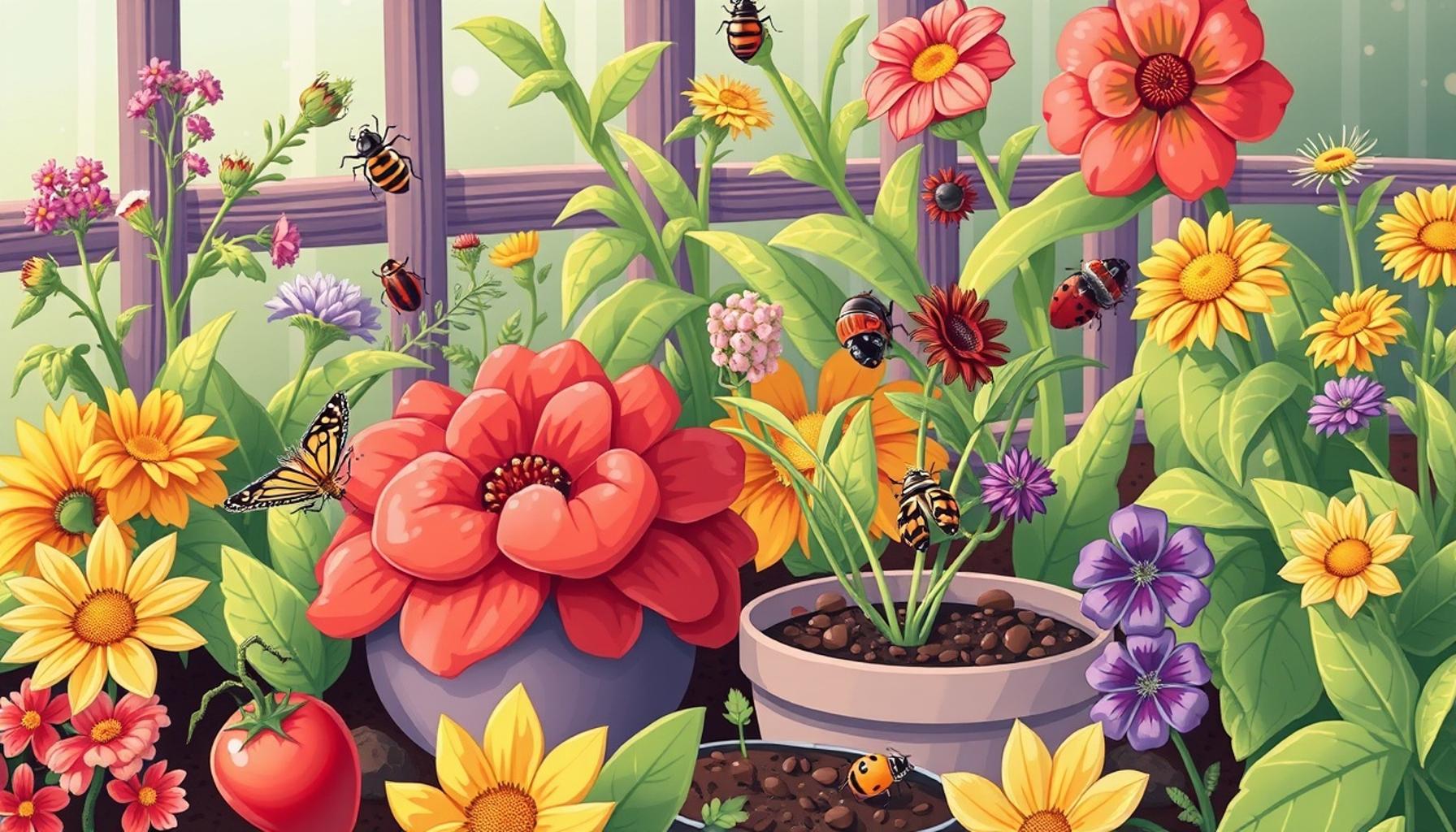
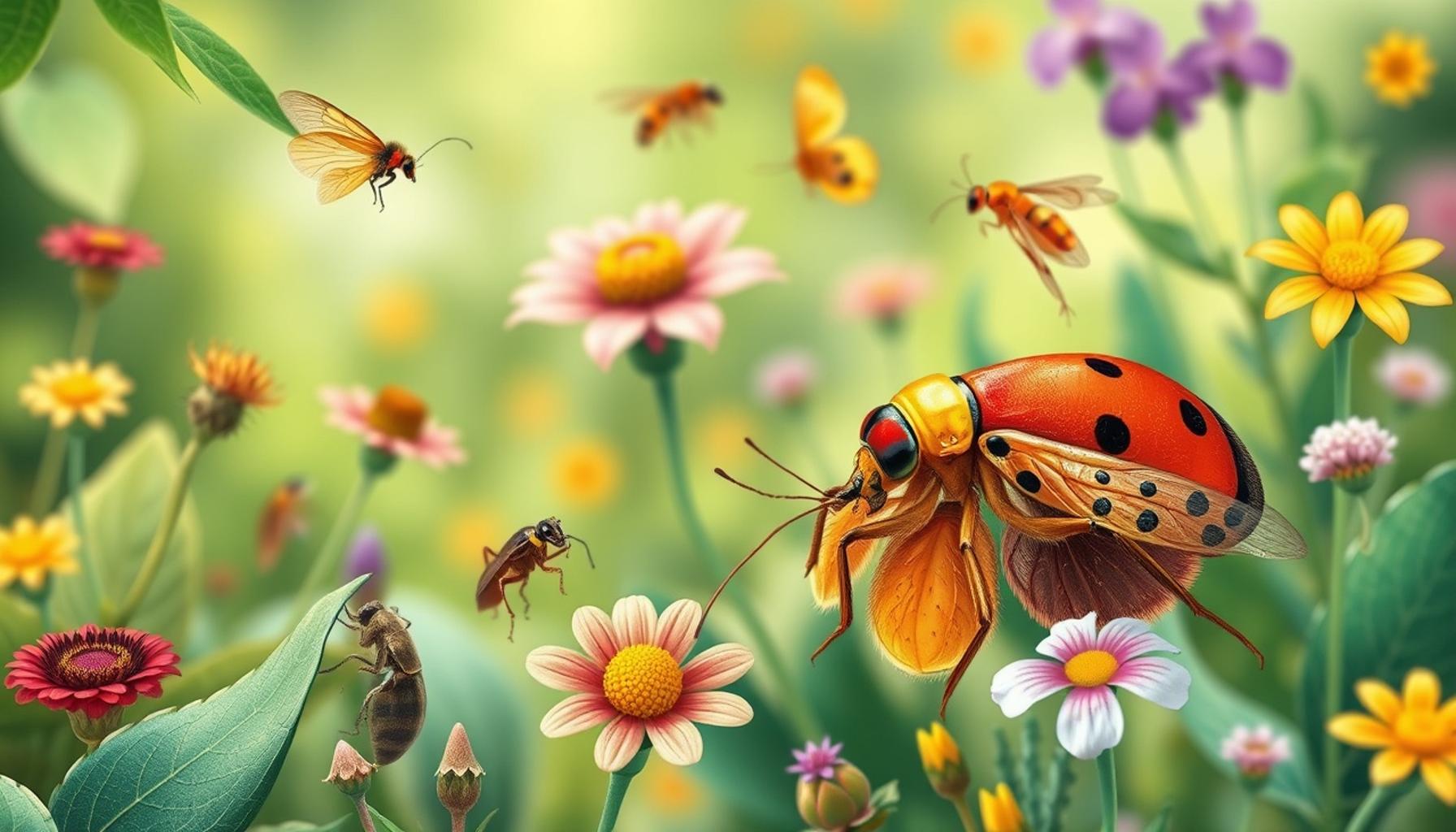
- Ladybugs: These charming beetles are efficient aphid hunters. A single ladybug can consume hundreds of aphids in its lifetime, making them invaluable allies.
- Birds: Versatile and omnivorous feeders, birds like blue jays and robins can tackle a range of pests from caterpillars to slugs. Installing birdhouses or birdbaths can encourage them to frequent your garden.
- Lizards: Species such as anoles and geckos not only catch insects but also contribute to pest management without disrupting the environmental balance.
Creating an inviting habitat for these predators requires careful planning. Introduce diverse plant species, native flowers, and shrubs that attract beneficial insects. Incorporate water sources, such as small ponds or birdbaths, to cater to birds and other wildlife. Provide shelter with rock piles or brush stacks to encourage lizard and insect habitation.
Moreover, understanding the life cycles of your garden’s predators will help you monitor their presence. For instance, planting nectar-rich flowers not only supports adult beneficial insects but is essential for their larvae as well. This embrace of diverse plant life fosters a garden that is not only aesthetically pleasing but also thriving with natural allies.
Ready to learn how to harness the power of nature in your fight against pests? Let’s dive deeper into actionable strategies that will transform your garden into a haven for natural allies. From selecting the right plants to creating habitats, your garden can evolve into an ecosystem that coexists harmoniously with nature.
DON’T MISS: Click here to discover eco-friendly watering techniques
Creating a Welcoming Environment for Natural Predators
To successfully attract natural predators to your garden, it’s essential to create an environment that is conducive to their survival and proliferation. This entails careful planning and a commitment to fostering biodiversity within your green space. Here are some critical strategies to consider:
- Plant Diversity: Incorporating a wide variety of plants not only brings beauty to your garden but also supports different species of beneficial insects and wildlife. Opt for a mix of flowering plants that bloom at various times of the year to ensure a consistent food source for natural predators throughout the growing season.
- Nectar and Pollen Sources: Many natural predators, such as ladybugs and lacewings, rely on nectar and pollen as a food source during their adult life stages. Plants like yarrow, dill, and asters are excellent choices, as they attract beneficial insects while providing them with nourishment.
- Native Plants: Utilizing native plants is a smart move as they are adapted to your local climate and soil. By planting species that are native to your area, you can encourage local wildlife to visit your garden. This can significantly increase the likelihood of attracting natural pest controllers, like native predatory wasps and beetles.
- Water Features: Natural predators need access to fresh water. Including elements like birdbaths, small ponds, or even shallow dishes filled with pebbles and water can turn your garden into a hotspot for birds and beneficial insects, enhancing the overall ecosystem.
- Providing Shelter: Natural predators require safe places to hide and breed. Incorporate elements such as brush piles, rock gardens, or log piles. These create shelter for lizards and ground beetles, while also promoting a balanced environment for various species.
In addition to these measures, keeping your garden healthy is vital. Avoid the extensive use of pesticides, which can kill not only harmful pests but also the beneficial predators you want to attract. Instead, manage pests using organic methods such as handpicking or introducing beneficial insects to keep the population in check.
Moreover, consider creating a pollinator garden. Pollinators help to bloom your plants, which in turn supports the ecosystem of natural predators. A vibrant garden filled with blooming flowers can serve as a critical habitat while also improving the overall landscape and health of your plants. Embracing plants that are attractive to pollinators can generate a cyclical environment that attracts predators by providing ample food sources.
As you cultivate a welcoming environment, don’t forget to observe and adapt. Take note of which plants attract specific predators and adjust your garden layout or species selection accordingly. By strategically planning your garden, you can create an inviting sanctuary for nature’s pest controllers.
Enhancing Your Garden Ecosystem
Attracting natural predators in your garden not only helps in controlling pest populations but also fosters a balanced ecosystem. The integration of diverse plant species can support various beneficial insects, which play crucial roles in maintaining the health of your garden. For instance, planting flowering herbs like basil and neem can provide a food source for pollinators and insectivores alike.
Utilizing habitats such as insect hotels or untidy corners in your garden can create refuge areas for beneficial wildlife. These habitats encourage the presence of predatory species such as ladybugs, lacewings, and birds, all known for their voracious appetite for garden pests. Incorporating native plants is also vital; they attract local predators and ensure they have a reliable food source year-round.
Creating a Favorable Environment
To maximize the effectiveness of these natural allies, avoid using chemical pesticides that can deter or kill beneficial organisms. Instead, embrace organic pest control methods. If necessary, opt for eco-friendly solutions that are less harmful to non-target species. Increasing moisture in your garden by using mulch or maintaining healthy soil adds to the appeal for predators by providing a hospitable environment.
| Category | Advantages |
|---|---|
| Diversity of Plants | Supports various beneficial insects |
| Natural Habitats | Encourages the presence of predators |
| Chemical-Free Maintenance | Promotes health of the ecosystem |
By implementing these strategies, you can not only attract natural predators but also contribute to a sustainable gardening practice that aligns with the growing demand for eco-friendly solutions. For greater success, try to create a native flora environment that minimizes pest outbreaks while enhancing the overall aesthetic of your garden.
LEARN MORE: Click here for essential gardening tips
Encouraging Natural Habitats in Your Garden
In addition to creating a welcoming environment, establishing natural habitats within your garden can significantly enhance the presence of beneficial predators. By mimicking the natural ecosystems found in your area, you can create small niches that attract a diverse array of wildlife. Consider these methods:
- Mulching Techniques: A layer of organic mulch not only retains moisture and improves soil health but also provides a habitat for many beneficial organisms. For instance, ground beetles often thrive under mulch, where they can hunt for pests such as slugs and caterpillars. By keeping your mulch organic, you prevent the introduction of harmful chemicals that could deter these helpful visitors.
- Building a Bug Hotel: Bug hotels are an exciting and functional way to attract beneficial insects. These structures can be built using materials such as bamboo, straw, and even wood wool. A well-constructed bug hotel provides shelter for solitary bees, ladybugs, and lacewings, offering them a safe place to stay and reproduce in your garden.
- Maintaining Undisturbed Areas: Allowing parts of your garden to remain wild or less manicured can foster habitats for many beneficial predators. Wildflower patches, untrimmed edges, or grass clippings can provide essential shelter for predatory insects and arachnids. By reducing the amount of disruption in these areas, you promote biodiversity, which serves as a natural mechanism for pest control.
- Encouraging Birds: Birds are excellent natural pest controllers. Installing bird feeders and birdhouses can turn your garden into an enticing habitat for insectivorous birds such as wrens, chickadees, and sparrows. Providing nesting materials like twigs, grass, and feathers can further invite avian helpers that will dine on caterpillars and other garden pests.
- Creating Host Plants: To invite specific natural predators like parasitic wasps, include host plants that cater to their lifecycle needs. For example, certain wasps seek out caterpillars to lay their eggs in, ultimately reducing pest populations. By understanding the preferences of the predators you aim to attract, you can cultivate a more conducive environment for them.
Understanding the connections between different organisms is key to designing your garden. For instance, while it may be tempting to remove all weeds, keep in mind that they provide food and habitat for a variety of beneficial insects. Plants like clovers and dandelions can serve as nectar sources and attract predators such as hoverflies, which prey on aphids.
Additionally, incorporating companion planting can establish a symbiotic relationship within your plantings. Pairing specific plants can deter common pests, thus indirectly reducing the need for pest control measures. For example, marigolds are known to repel nematodes, making them an excellent companion for tomatoes and peppers, while also attracting pollinators and beneficial insects.
Remember to observe any changes, noting which habitats draw the most predators, and adapt your approach accordingly. By carefully assessing the species that appear, you can continue to refine your garden practices for a productive and healthy ecosystem, ensuring that your garden thrives naturally without the over-reliance on chemical pest control methods.
DISCOVER MORE: Click here to enhance your garden’s biodiversity
Conclusion
Incorporating natural predators into your garden ecosystem presents a sustainable and harmonious approach to pest management. By creating inviting habitats, such as mulched areas, bug hotels, and preserved wild patches, you set the stage for beneficial organisms to flourish. As the interactions among plants, insects, and wildlife grow, you are not just attracting predators; you are fostering a biodiverse community that supports ecological balance.
Moreover, understanding the intricacies of your local ecosystem and employing techniques like companion planting demonstrates an innovative strategy for pest control. This symbiotic relationship can effectively suppress pest populations while enhancing the overall health of your garden. Beyond aesthetics, maintaining areas of undisturbed land encourages a thriving population of predatory insects and birds that play a critical role in natural pest control.
As you implement these practices, remain observant and flexible. Climate, plant varieties, and the presence of wildlife evolve continuously, necessitating a willingness to adapt your strategies. By doing so, not only will you cultivate a vibrant sanctuary for beneficial predators, but you will also be contributing to the larger effort of environmental conservation. Ultimately, your garden can transform into a beautiful example of how cooperation with nature results in greater resilience, productivity, and less reliance on harmful chemicals. Explore, experiment, and embrace this natural gardening philosophy, as it can lead to fruitful harvests and a richer gardening experience.