Sustainable Gardening: Choosing Eco-Friendly Tools for Beginners
The Importance of Sustainable Gardening
Sustainable gardening is more than a trend; it is a response to the pressing environmental challenges of our time. As climate change accelerates and biodiversity diminishes, adopting sustainable practices becomes imperative not only for the individual gardener but for communities as well. When you engage in sustainable gardening, you contribute to soil health, conserve water, and promote local ecosystems.
Choosing Eco-friendly Materials
A fundamental aspect of sustainable gardening is the selection of tools and materials that minimize harm to the environment. Tools made from recycled or renewable materials are ideal choices. For example, consider using hand tools crafted from recycled metals or plastic derived from post-consumer waste. Many manufacturers are now offering options that utilize repurposed materials, which can significantly reduce your carbon footprint.
Moreover, opting for tools made from durable materials ensures longevity. High-quality garden tools, such as stainless steel spades and pruners with robust wooden handles, not only withstand the rigors of gardening but also reduce the frequency of replacements. This choice is economically sound and decreases waste, aligning with the principles of sustainability.
Organic Practices and Non-Toxic Solutions
Moreover, embracing organic gardening practices is critical in sustainable gardening. Tools that support these methods, such as organic seeders, can help to ensure that your garden thrives without reliance on harmful chemicals. Look for products that are certified organic, which indicates they meet certain industry standards for sustainability and safety.
For pest control, explore non-toxic options that bolster your plants’ resilience against harmful insects. For instance, neem oil, a natural pesticide derived from the seeds of the neem tree, has proven effective in organic gardens. Additionally, techniques like companion planting can create a harmonious garden ecosystem that naturally deters pests.
Benefits of Eco-friendly Tools
Transitioning to eco-friendly gardening tools offers a myriad of benefits. Not only do they lessen environmental impact, but they also enhance the hands-on experience of gardening. Tools such as biodegradable seed trays, which break down in the soil over time, enrich it rather than contribute to landfill waste. Each item in your gardening toolkit can play a role in nurturing both your garden and the planet.
As we work toward a more sustainable future, making conscious choices in gardening can lead to greater ecological awareness and interconnectedness within your community. So, as you prepare to dig into your gardening adventure, remember that every choice you make is an investment in a greener, healthier earth.
DIVE DEEPER: Click here to discover pollinator-friendly plant varieties
Essential Eco-Friendly Tools for Your Sustainable Garden
As you embark on your sustainable gardening journey, choosing the right tools is crucial to foster an eco-friendly environment. For beginners, it can be overwhelming to sift through the myriad of gardening supplies available. However, understanding which tools align with sustainable practices can streamline your gardening efforts while being kind to the planet. Below are essential eco-friendly tools that every novice gardener should consider incorporating into their toolkit.
Hand Tools Versus Electric Tools
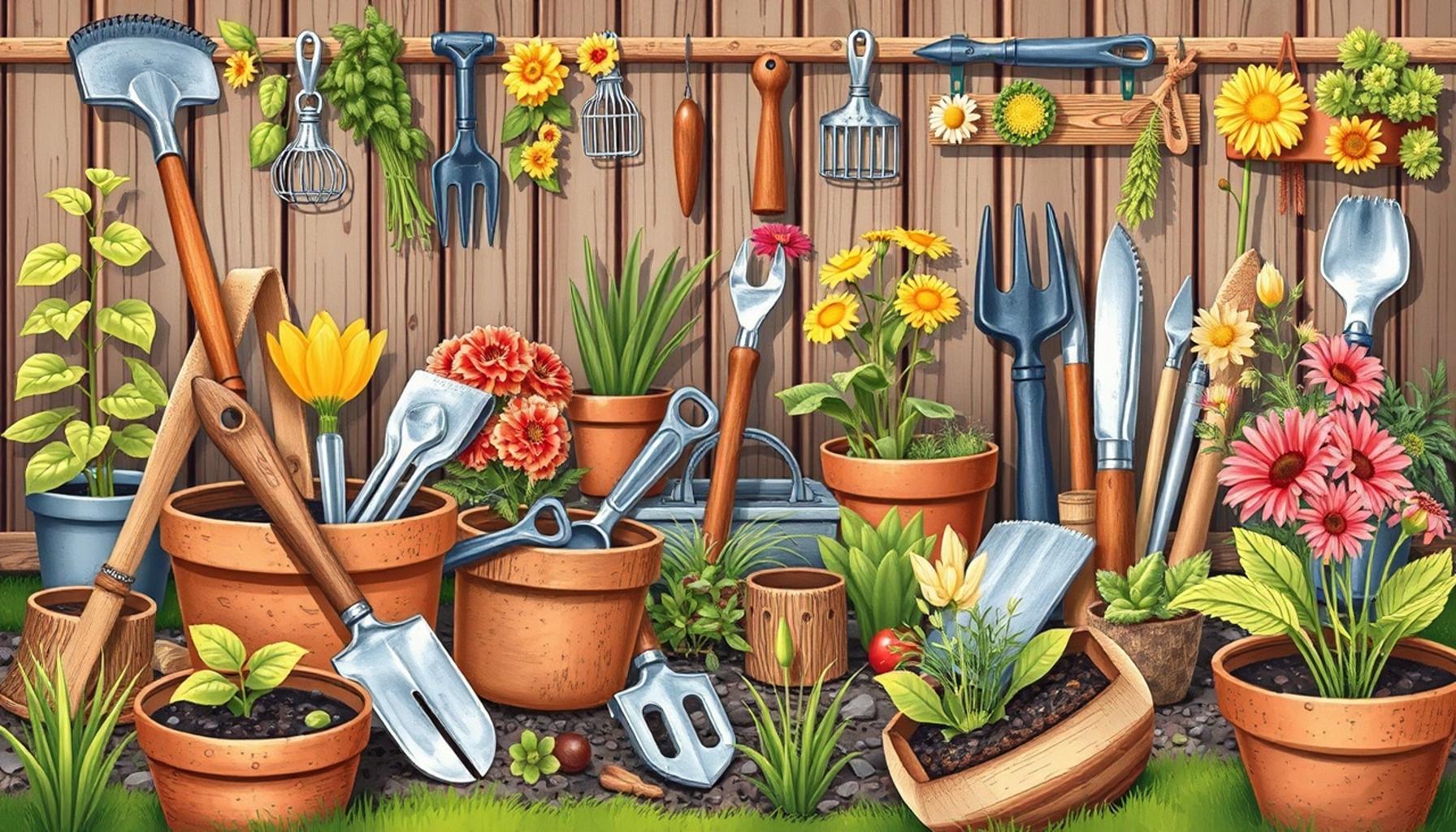
When it comes to hand tools, the advantages are manifold. Hand tools such as trowels, weeders, and cultivators made from sustainable materials like bamboo or recycled metals are ideal for novice gardeners. Not only do these tools require no electricity, reducing carbon emissions, but they also allow for greater control and precision when tending to your plants. The tactile connection provided by hand tools can enhance your gardening experience, making the work both enjoyable and fulfilling.
On the other hand, if you opt for electric tools, consider energy-efficient models with lower power consumption. Look for tools that are battery operated rather than those that run on fossil fuels—this not only reduces greenhouse gas emissions but also lessens noise pollution in your garden and neighborhood.
Essentials for Eco-Friendly Gardening
Here is a list of eco-friendly tools and materials that can help you build a sustainable garden:
- Compost Bin: Ideal for managing kitchen scraps and yard waste, a compost bin allows you to create nutrient-rich organic matter that feeds your plants.
- Rain Barrel: Collecting rainwater through a rain barrel helps conserve water and provides a natural irrigation source for your garden.
- Mulch: Organic mulches, such as shredded leaves or straw, reduce weeds, retain moisture, and improve soil health.
- Biodegradable Seedling Pots: These pots decompose in the soil, minimizing plastic use while promoting healthy root growth for your seedlings.
- Hand Tools: High-quality hand tools made from sustainably sourced materials can last for years, reducing the need for replacements.
Investing in Quality Over Quantity
As a beginner gardener, it may be tempting to purchase numerous tools that claim to make your gardening easier. However, investing in quality over quantity will yield benefits in the long run. This approach not only cuts down on unnecessary purchases but also encourages mindful gardening practices. Focus on obtaining a few indispensable tools that you can utilize efficiently throughout various gardening tasks.
By selecting eco-friendly tools and materials, you’re not just improving your gardening experience; you’re actively participating in a movement that aims to protect our environment. As you familiarize yourself with these tools, you’ll soon discover that sustainable gardening can be both rewarding and invigorating, proving that every effort counts in nurturing our precious planet.
| Eco-Friendly Tool Type | Advantages |
|---|---|
| Compost Bins | Transform kitchen scraps into nutrient-rich compost, enhancing soil health. |
| Hand Tools | Durable, non-plastic options like bamboo or steel reduce waste and improve gardening efficiency. |
| Rain Barrels | Conserve water and reduce utility bills by collecting rainwater for irrigation. |
| Solar-Powered Tools | Utilize renewable energy, minimizing carbon footprint while maintaining garden productivity. |
In the realm of sustainable gardening, eco-friendly tools are more than just a trend; they are a pivotal component for aspiring green thumbs. By choosing the right equipment, beginners not only contribute to a healthier planet but also enhance their gardening experiences. For instance, opting for compost bins allows users to create their own organic fertilizer, promoting soil health while reducing waste. Hand tools crafted from materials such as bamboo or recycled steel not only offer longevity but also diminish reliance on disposable plastic options.Furthermore, rain barrels are an excellent solution for those looking to conserve water, capturing precious rainwater for irrigation purposes. This not only lessens strain on the local water supply but can lead to significant savings on water bills. Lastly, the innovation of solar-powered tools provides a sustainable energy source for various gardening tasks, ultimately cutting down on greenhouse gas emissions. Embracing these tools can transform any garden into a vibrant symbol of sustainability and environmental responsibility.
DON’T MISS: Click here to learn how to enhance your garden’s pest control naturally
Maintaining Your Eco-Friendly Tools
Once you’ve selected your eco-friendly gardening tools, the next crucial step is ensuring their longevity through proper maintenance. Many beginners overlook this aspect, but taking care of your tools not only reduces waste but can also save you money in the long run.
Cleaning and Storage
Cleaning your tools after each use is essential to prevent rust and extend their life. For metal tools, ensure that you remove any soil and debris with water and a scrub brush, then dry thoroughly to avoid oxidation. For wooden handles, you can apply a light coat of mineral oil to prevent cracking and keep them looking great. Additionally, storing your tools in a dry, sheltered location will help protect them from the elements, further extending their usability.
Consider using a tool organizer made from sustainable materials for storage. A simple wall-mounted rack or a wooden shed can keep your tools organized and easily accessible while also reducing clutter in your gardening space.
Repurposing and Recycling
In the spirit of sustainable gardening, consider ways to repurpose tools that may no longer serve their original function. For example, old trowels can be transformed into garden art, and broken shovels can find new life as plant markers or decorative stakes. Creativity in repurposing not only minimizes waste but also adds a personal touch to your garden.
If tools are beyond repair, research local recycling programs that accept gardening equipment to ensure that metal and wood materials are correctly processed, reducing environmental impact. Many communities offer resources on recycling or upcycling options that can help you dispose of unwanted tools responsibly.
Encouraging Local Companies and Eco-Friendly Brands
Supporting local businesses and eco-friendly brands that prioritize sustainability in their practices is another way to contribute to the larger movement of mindful consumerism. Look for companies that produce tools using recycled materials or sustainable production methods. Purchasing from local artisans or small-scale manufacturers not only reduces your carbon footprint through shorter shipping distances but also encourages a thriving local economy.
Additionally, you can explore community-supported gardening initiatives or cooperative gardening tool sharing options, which can save costs while fostering community engagement. In cities across the United States, such as Portland and San Francisco, these initiatives help connect gardeners and facilitate access to eco-friendly gardening tools without the burden of ownership.
DIY Gardening Tools
For those with a knack for creativity or a desire to try their hand at DIY projects, crafting your own gardening tools can be a rewarding experience. Simple items like garden markers from repurposed materials or seed dispensers made from recycled plastic can seamlessly integrate into your sustainable garden while minimizing waste. There are numerous resources available online that provide step-by-step guidance for creating effective, eco-friendly tools tailored to your specific gardening needs.
As you navigate your gardening journey, remember that maintaining and thoughtfully selecting your tools is paramount. By prioritizing eco-friendly tools and practices, you’ll not only enhance your gardening experience but also contribute to the overall health of the planet—one garden at a time.
DON’T MISS: Click here to learn more
Conclusion
In the pursuit of sustainable gardening, the selection and maintenance of eco-friendly tools play an essential role. By opting for tools made from sustainable materials, repurposing old utensils, and supporting local artisans, beginners can significantly diminish their environmental impact while fostering a more resilient gardening practice. Engaging with community resources and initiatives not only enhances personal learning but also nurtures a sense of belonging and cooperation within your locality.
Moreover, caring for your tools extends their life, reduces waste, and ultimately saves money. Incorporating proper cleaning techniques and creative storage solutions is a simple yet effective approach to ensure that your investment in eco-friendly tools delivers lasting benefits. As you embark on your gardening journey, whether through DIY projects or the exploration of local recycling programs, remember that every small choice contributes to your garden’s ecological footprint.
As the global conversation around sustainability grows, becoming an informed consumer is more vital than ever. So, dive into the world of sustainable gardening, and let your choices reflect your commitment to nurturing not just your plants, but the planet as well. Every garden tells a story, and yours can be one of environmental stewardship and creativity, inspiring others to follow suit in this vital journey toward sustainability.