Varieties of Flowering Plants that Attract Pollinators for Home Gardens
The Importance of Pollinators in Our Ecosystem
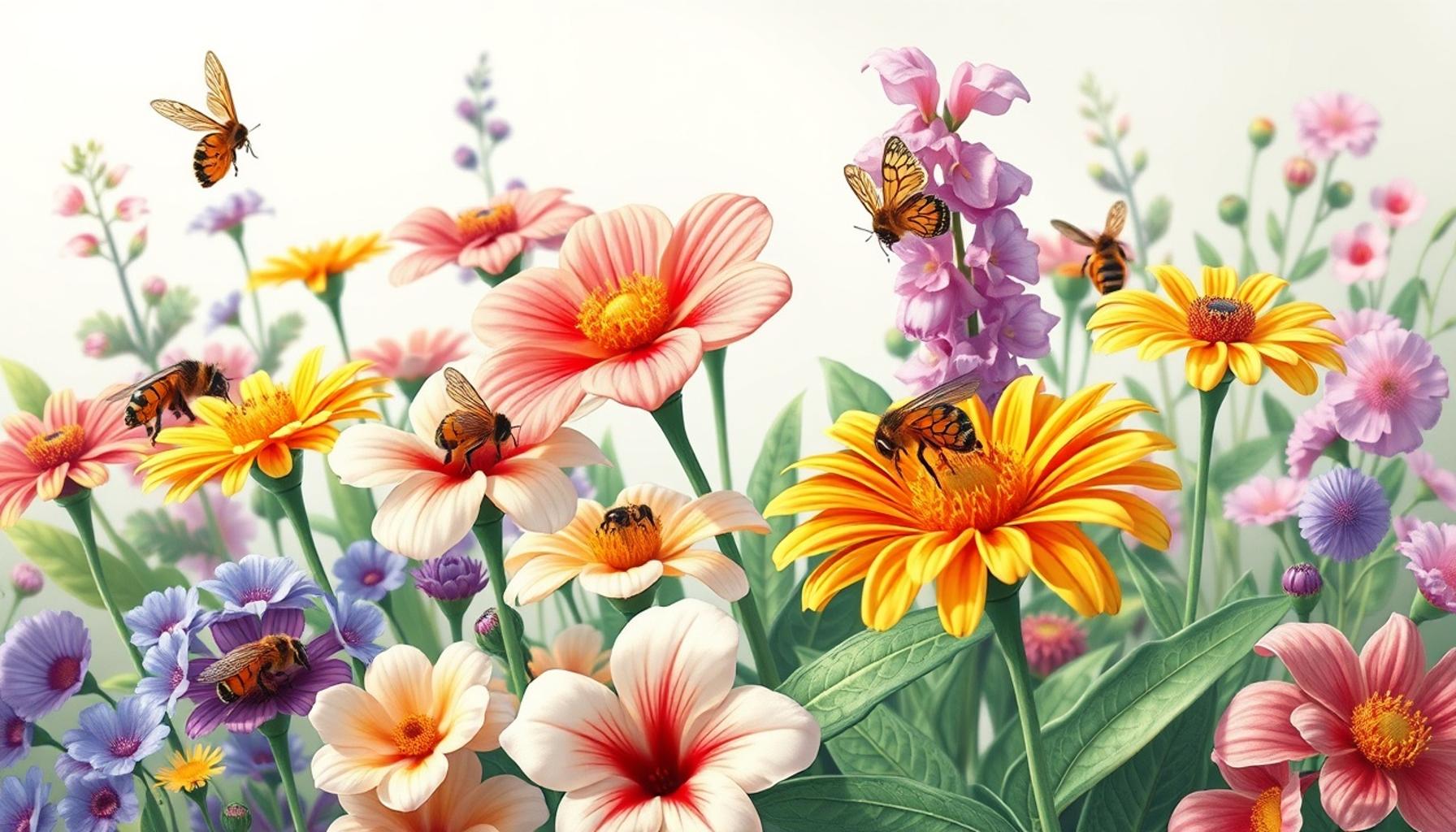
Creating a vibrant and thriving garden goes beyond aesthetics—it fosters a vital ecosystem. One of the most effective ways to enhance biodiversity in your home garden is through the introduction of flowering plants that attract pollinators. These plants not only bring color but also support the survival of bees, butterflies, and other essential pollinators. In turn, these insects play an invaluable role in the reproduction of many plants, leading to healthier landscapes and flourishing ecosystems.
Benefits of Attracting Pollinators
By designing your garden with pollinators in mind, you’re not just beautifying your space; you’re also realizing several far-reaching benefits:
- Increased Fruit and Vegetable Yield: Pollination dramatically improves the quality and quantity of your crops. For example, studies have shown that gardens with abundant pollinator activity can yield up to 50% more fruit compared to those without. Plants like tomatoes and cucumbers rely heavily on bees to transfer their pollen, resulting in larger and healthier produce.
- Enhanced Biodiversity: Introducing a variety of flowering species strengthens the overall resilience of your garden ecosystem. A diverse garden can support different species of pollinators, ensuring that if one population declines, others can still thrive.
- Aesthetic Appeal: Flowering plants add beauty, making your garden more enjoyable and inviting. Vibrant blooms can enhance the overall ambiance, turning your outdoor space into a serene sanctuary for you and a haven for pollinators.
Selecting the Right Plants
To cultivate a garden that attracts these vital insects, it’s key to select the right flowering plants that suit your local climate and conditions. Beyond just popular choices, consider native plants that are specifically adapted to your region. Native species often require less maintenance and provide the best resources for local pollinator populations. Here are some popular varieties to get you started:
- Lavender: Its fragrant blooms are a magnet for bees and add a delightful scent to your garden. This Mediterranean herb thrives in full sun and well-drained soil, making it an ideal choice for many U.S. gardens.
- Sunflowers: These bright and cheerful blooms not only bring bursts of yellow to your landscape but also attract various pollinators, including honeybees and butterflies. Sunflowers are easy to grow and can reach impressive heights, adding a dramatic flair to any garden.
- Milkweed: Essential for monarch butterflies, this plant serves as both a food source and a breeding ground. Planting milkweed supports the life cycle of these magnificent butterflies while enhancing biodiversity.
Exploring the different flowering plants available is an exciting journey that can transform your yard into a sanctuary for pollinators. Knowledge is power; understanding the needs of these insects enables you to create a flourishing habitat. Consider researching local gardening clubs or extension services for specific plant recommendations suited for your region. With dedication and careful planning, your home garden can become a thriving ecosystem that supports precious pollinators and enhances your outdoor experience.
DISCOVER MORE: Click here to learn about proper irrigation
Choosing the Best Flowering Plants for Pollinators
Attracting pollinators such as bees, butterflies, and hummingbirds to your garden not only enhances its beauty but also supports local biodiversity. However, creating a thriving pollinator-friendly garden goes beyond simply choosing the most vibrant flowers. To effectively support these essential creatures, gardeners must consider the blooming seasons, the specific needs of different pollinators, and the advantages of native plants.
Seasonal Blooming Plants
To ensure that pollinators find a reliable food source year-round, it is crucial to curate a diverse selection of flowering plants that bloom in various seasons. Here are some exceptional options to consider for each season:
- Spring: Start your garden with early bloomers such as Cherry Blossom trees and Crocus. These plants not only provide a early boost of nectar but also help revive pollinators emerging from their winter dormancy, making your yard a critical refuge during this transition.
- Summer: As the heat of summer sets in, plants like Bee Balm (Monarda) and Echinacea (Coneflowers) come into play. Bee Balm is particularly attractive to hummingbirds, while Coneflowers are favored by various bee species. Their vibrant colors and rich nectar help sustain pollinators through the active months.
- Fall: With the fall season approaching, plants such as Asters and Goldenrods ensure that pollinators have access to nourishment as they prepare for the colder months. These hardy flowers are crucial for late-season foragers and can help sustain pollinator populations as they head into winter.
Native Versus Non-Native Plants
While many flowering plants can attract pollinators, choosing native plants offers substantial advantages that can enhance your garden’s ecosystem. Native plants are inherently adapted to local soils, climates, and pest pressures, making them easier to maintain. Moreover, they provide essential food and habitat for local pollinators, which often rely on native flora for their lifecycles. Selecting native plants can create a flourishing environment that fosters biodiversity.
- Black-eyed Susan: This eye-catching flower not only enhances your landscape with its bright yellow petals but also attracts a wide array of bees and butterflies, making it a staple of many pollinator gardens.
- Purple Coneflower: Renowned for its striking pink petals and prominent central cones, this hardy perennial serves as a vital food source for pollinators during the summer months and is a favorite among gardeners.
- Wild Bluebell: The delicate blue blooms of this native flower appeal to bumblebees and other pollinators, while its unique texture brings an element of surprise to your garden design.
As you delve into creating your pollinator-friendly garden, consider visiting local nurseries or botanical gardens to discover plants that thrive in your specific region. Many local resources can provide valuable insights into the best native species for your climate and soil conditions. By prioritizing native plants, you not only bolster the health and beauty of your garden but also create a nourishing habitat for local pollinators. In doing so, you contribute to the larger effort of enhancing biodiversity and sustaining crucial ecosystems right in your backyard.
When considering the varieties of flowering plants that attract pollinators for home gardens, it is essential to understand the vital role these plants play in the ecosystem. Not only do they provide food and habitats for bees, butterflies, and other pollinators, but they also contribute to the overall health of your garden. Engaging these friendly creatures helps in the pollination process, enhancing fruit and vegetable yields.
Some of the most effective species include Lavender, known for its aromatic properties and ability to attract a diverse range of pollinators. Another excellent choice is Echinacea (Coneflower), which is not only stunning to look at but also remarkably resilient in varying climates. These plants often thrive in home garden settings and can provide bursts of color throughout the growing season.
Additionally, incorporating a variety of native plants can have significant benefits. Many native species have evolved alongside local pollinators, showing a higher efficacy in attracting them. For example, Milkweed is crucial for sustaining Monarch butterflies, while Goldenrod can provide nectar in the late summer when few other plants are blooming.
Furthermore, having a mix of plant heights and bloom times can create a year-round habitat for pollinators. Tall plants, like Sunflowers, offer a perch for flying insects, while low-lying flowers, such as Forget-Me-Nots, can attract ground-dwelling pollinators. Additions like ornamental herbs, including Basil and Thyme, can enhance your garden’s beauty while simultaneously attracting beneficial insects.
Remember, the more diverse the plant selection, the more inviting your garden will be for pollinators. Investing time in planning a varied garden landscape can lead to further discoveries in both gardening techniques and the fascinating life cycles of the many pollinators that benefit from your efforts.
DIVE DEEPER: Click here to learn more
Maximizing Attractiveness with Plant Characteristics
While choosing native and seasonal plants is essential for establishing a pollinator-friendly garden, understanding the characteristics that make certain flowers more appealing to these important creatures can further enhance your garden’s attractiveness. Features like flower shape, color, and scent all play a significant role in drawing pollinators to your yard.
Flower Shape and Structure
The structure of a flower significantly influences its ability to attract specific pollinators. For instance, tubular flowers such as Trumpet Vine (Campsis radicans) are particularly attractive to hummingbirds due to their long, narrow openings that accommodate the birds’ beaks. Similarly, Open-faced blooms, like those of daisies and sunflowers, provide easy access to nectar for a wide range of insects, making them ideal for butterflies and bees.
- Bee Balm (Monarda) showcases tubular flowers that are not only visually appealing but also rich in nectar, attracting both hummingbirds and native bees.
- Zinnia flowers are flat-topped, making them a convenient feeding ground for butterflies and other pollinators, including beneficial insects.
Color and Visual Attraction
The colors of flowers play a crucial role in attracting pollinators. Research shows that bees are particularly attracted to blue, purple, and yellow hues. Incorporating plants with these colors can enhance your garden’s appeal to these vital species. Here are some standout plants to consider:
- Blue Vervain (Verbena hastata) dazzles with its vibrant blue stalks and is adored by a variety of pollinators, including butterflies and bees. Significantly, it blooms from summer to fall, providing seasonal sustenance.
- Butterfly Bush (Buddleja) comes in shades of purple, pink, and white and emits a sweet fragrance that captivates butterflies and hummingbirds alike.
Scent and Nectar Production
The fragrance of flowers is another appealing feature for pollinators. Heavily-scented plants, like the Gardenia and Lavender, can attract not only pollinators but also beneficial insects such as ladybugs and lacewings, which naturally control pest populations. Consider adding aromatic plants to your garden to boost not only its fragrance but also its pollinator-friendly reputation:
- Bee Balm not only serves as a visual treat but also releases fragrant oils that are attractive to bees and butterflies, making it a multi-sensory addition to any garden.
- Thyme offers delicate flowers and a unique aroma that draws in various insects while enhancing your culinary endeavors.
By focusing on the morphology, color, and scent of your flowering plants, you can create a garden that is not only visually stunning but also functions as an essential habitat for pollinators. Furthermore, combining these characteristics can lead to a more integrated and effective approach to designing your pollinator garden. A harmonious blend of visually appealing and biodiverse plants will support the well-being of beneficial insects, ultimately leading to a thriving ecosystem right at home.
DIVE DEEPER: Click here for insight on soil preparation techniques
Conclusion: Embracing Pollinator-Friendly Diversity
Creating a thriving home garden that attracts pollinators is not only beneficial for the environment but also enhances the beauty and diversity of your outdoor space. By carefully selecting varieties of flowering plants with traits that appeal to these crucial species, you can build a vibrant ecosystem right in your backyard. Native plants, brightly colored blooms, fragrant flowers, and diverse structures all contribute to drawing in bees, butterflies, hummingbirds, and other essential pollinators.
As you embark on this journey, consider incorporating species such as Bee Balm, Zinnia, and Butterfly Bush, each offering unique contributions to the garden’s ecology. Remember that a blend of flower shapes, colors like blue and yellow, and enchanting scents will create a haven for pollinators while adding visual appeal. More than just aesthetics, your efforts can support local biodiversity, encourage crop pollination, and promote a healthier environment.
In this age of declining pollinator populations, your garden can serve as a refuge. Investing in your garden’s ecological and pollinator-friendly features not only enhances its enjoyment but also contributes positively to the world. Take the time to explore and experiment with different plant combinations, and enjoy the fascinating interactions between your flowering plants and the incredible pollinators that visit them. Let your home garden become a testament to the beauty of nature and an essential sanctuary for life’s most crucial partners.