Tips for Creating an Efficient Watering Schedule for Beginners

Understanding the Basics of Watering
Watering your plants might seem simple, but establishing an efficient watering schedule can be a game-changer for beginners. Not only does it promote healthy growth, but it also conserves water and saves you time. As you embark on your gardening journey, keep in mind these essential factors that can influence your watering practices:
- Plant Type: Different plants have varying water needs. For instance, succulents and cacti thrive in dry conditions and require minimal watering, while ferns and tropical plants prefer consistently moist soil. Understanding your plants’ specific requirements is crucial for their survival and flourishing.
- Soil Type: The soil you use affects how quickly water drains and how well it retains moisture. Clay soils tend to hold water longer, which can lead to overwatering if not monitored. In contrast, sandy soils drain quickly and may require more frequent watering. Loamy soils are ideal as they balance both retention and drainage.
- Weather Conditions: Seasonal weather fluctuations, temperature, and humidity levels can alter your watering schedule. During hot summer months, plants may need to be watered more frequently, while cooler fall and winter seasons often require less. Keep an eye on local weather forecasts and adjust your regimen accordingly.
Creating a watering schedule is about balance. Too little water can lead to wilting, while overwatering may cause roots to rot. Here’s what you should consider when designing your regimen:
- Timing: Water early in the morning or late in the evening to minimize evaporation. The cooler temperatures during these times allow plants to absorb moisture effectively, reducing water waste.
- Frequency: Assess how often your plants need water based on their needs. A general guideline is to check the top inch of soil—if it feels dry, it’s time to water. This practice encourages deep rooting and helps plants withstand drought conditions.
- Amount: Determine the right volume of water to provide for optimal growth. A good rule of thumb is to give plants an inch of water per week. This can be measured through rainfall or supplemental watering, ensuring even distribution across the garden beds.
As you delve deeper into your gardening practices, remember that consistency is key. Regularly reassessing your schedule allows for adjustments based on seasonal changes and plant health. It is also beneficial to familiarize yourself with various watering techniques, such as drip irrigation or soaker hoses, which can enhance efficiency and minimize water waste.
Explore these tips for creating an efficient watering schedule to ensure your garden thrives throughout the year. Engaging with local gardening communities or extension services can further provide insight into best practices tailored to your specific region and climate.
DISCOVER MORE: Click here for natural pest control tips
Establishing Your Watering Schedule
Crafting an efficient watering schedule is essential for ensuring your plants receive the right amount of hydration at the right times. Many beginners may feel overwhelmed when trying to adhere to their plants’ needs, but by breaking down the process into manageable steps, you can develop a routine that not only supports plant health but is also convenient for your lifestyle. Here are some pivotal strategies that will guide you through creating your watering schedule:
- Understand Deep Watering: Instead of frequent shallow watering, aim for deep watering sessions, which encourage roots to grow deeper in the soil. This can be achieved by providing a slower, steadier flow of water, allowing it to penetrate deeper into the ground. Aiming for about 6 to 12 inches of moisture will benefit your plants by promoting stronger, more drought-resistant root systems.
- Use the Right Tools: Invest in a moisture meter or soil probe to help you accurately assess soil moisture levels. These tools can take the guesswork out of your watering schedule, allowing you to make data-driven decisions that optimize plant health and conserve water.
- Group Plants Wisely: When planning your garden layout, consider grouping plants with similar watering needs together. This practice allows you to create a more uniform watering schedule for certain areas of your garden, reducing the time spent moving between different sections and ensuring that each plant receives adequate hydration.
- Monitor and Adapt: Keep a close eye on your plants, especially in the early stages of your watering schedule. Signs of under-watering, such as drooping leaves or dry soil, indicate that adjustments are needed. Conversely, yellowing leaves or mold growth may suggest overwatering. Regularly observing your plants will help you tweak your watering frequency and quantity accordingly.
- Weather and Seasonal Changes: Understand that your watering schedule will need to shift with changing weather patterns and seasons. For instance, during the hotter months, plants typically require more water to cope with increased evaporation rates. Conversely, in rainy seasons, you may need to cut back on watering to avoid saturated soil.
As you immerse yourself in the routine of watering, consider keeping a detailed log of your observations, including weather conditions, soil moisture levels, and plant health. This diary will help you refine your watering schedule over time, making it easier to spot patterns and identify the actions that yield the best results.
Being mindful of these tips for creating an efficient watering schedule will set the foundation for a thriving garden. Consistent monitoring and careful assessment will not only keep your plants healthy but will establish you as a knowledgeable gardener ready to take on new challenges in the future.
| Category | Details |
|---|---|
| Timing | Water early in the morning to reduce evaporation and allow plants to soak up moisture effectively. |
| Soil Type | Understand soil retention to tailor watering frequency based on how quickly your specific soil drains. |
| Plant Needs | Different plants require unique watering schedules; familiarize yourself with the needs of your garden’s flora. |
| Weather Conditions | Adjust your schedule according to seasonal changes and local weather forecasts to prevent overwatering or underwatering. |
The journey to a thriving garden begins with understanding the principles of effective watering. Choosing the right timing, soil conditions, plant preferential needs, and weather circumstances are vital. When you implement these tips, you not only enhance the health of your plants but also conserve water and save time. For instance, watering early helps minimize evaporation, ensuring that every drop counts. Observing how different soil types retain moisture can guide you in determining an efficient schedule tailored to your plants’ distinct requirements. Additionally, by keeping an eye on local weather patterns, you can effortlessly adapt your watering routine throughout different seasons. Start creating your own efficient watering schedule now to enjoy a flourishing garden.
Dive deeper: Click here to learn more about water quality in irrigation
Advanced Watering Techniques to Enhance Your Schedule
Once you’ve established a basic understanding of your plants’ watering needs and crafted a preliminary watering schedule, it’s time to delve deeper into advanced techniques that will optimize your routine. As a beginner gardener, incorporating these strategies not only elevates your gardening game but also fosters a more sustainable approach to plant care.
- Time Your Watering Wisely: For maximum efficiency, consider watering your plants either early in the morning or late in the afternoon. These times are advantageous as temperatures are cooler, minimizing evaporation rates and allowing water to penetrate deeper into the soil. Additionally, watering during these hours can prevent the development of fungal diseases that thrive in damp conditions when temperatures are higher.
- Implement Drip Irrigation: If your garden is moderate to large in size, explore the benefits of drip irrigation systems. This method delivers water directly to the roots of your plants, reducing waste and ensuring more precise watering. Drip irrigation is not only more efficient but can also save you time, allowing you to focus on other aspects of your gardening journey.
- Mulch to Retain Moisture: Employing organic mulch, such as straw, wood chips, or grass clippings, can significantly reduce the rate of evaporation from the soil. By applying a 2–3 inch layer of mulch around your plants, you can maintain soil moisture for longer periods, which means less frequent watering is necessary. This not only helps your plants thrive but also minimizes water usage, making your gardening efforts more eco-friendly.
- Adjusting for Different Plant Types: It’s important to recognize that various plants have distinct watering requirements. For example, succulents and cacti prefer dryer conditions, while tropical plants may thrive on more consistent moisture. As you continue to learn about your plants, consider designing a tailored watering routine for different types of flora in your garden. This fine-tuning ensures that each plant receives exactly what it needs to flourish.
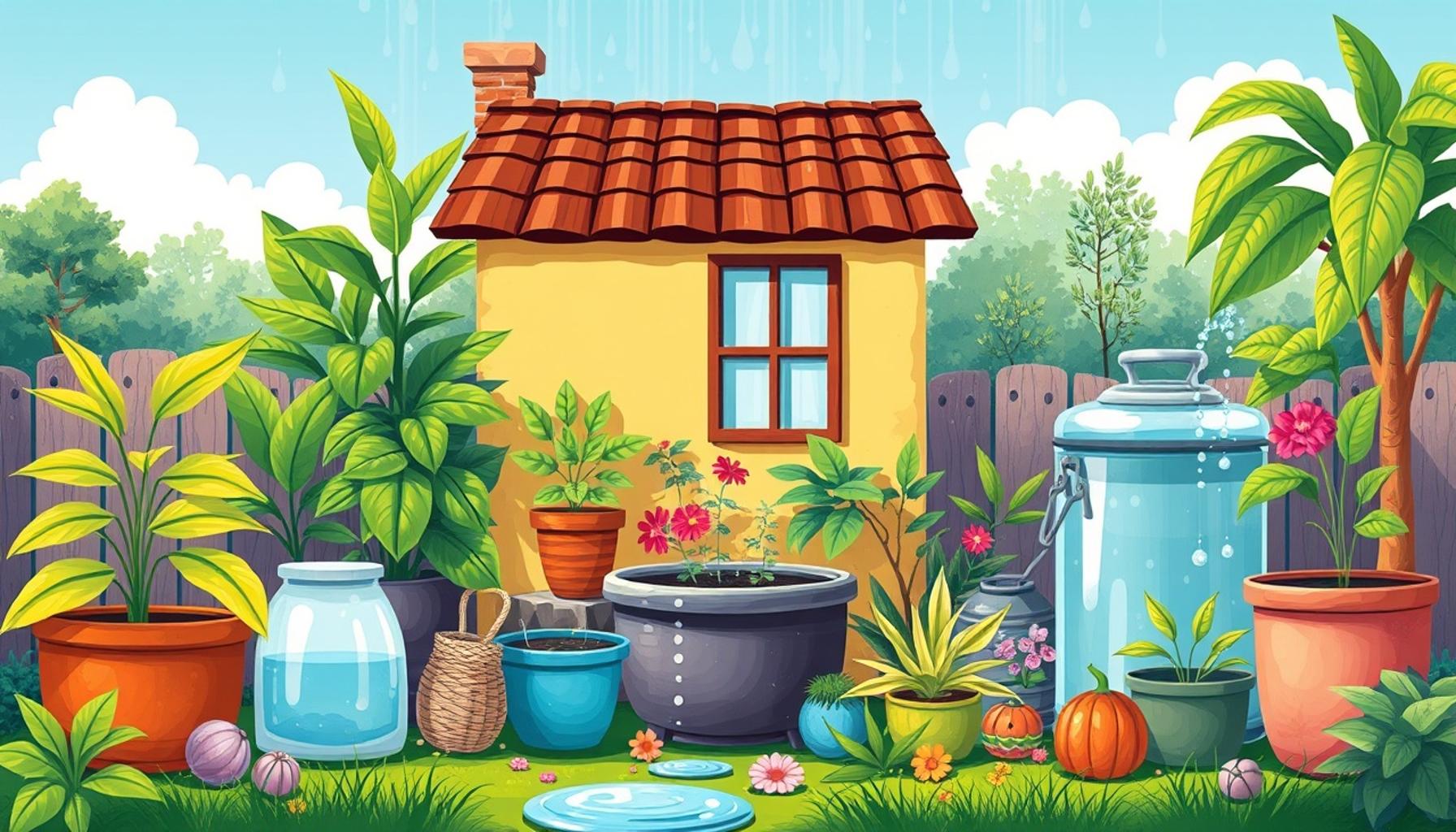
- Utilize Rainwater Harvesting: Taking advantage of rainwater can be an incredibly sustainable approach to watering your garden. By installing rain barrels, you can collect and store rainwater during downpours, providing a natural resource for your plants. Not only does this method help in reducing your water bill, but it also encourages you to adopt environmentally friendly practices.
As you integrate these advanced techniques into your watering schedule, it’s crucial to remain adaptable and responsive to your garden’s unique environment. Keep a close watch on any changes, particularly after implementing new strategies. Take notes on what proves successful, and don’t hesitate to make necessary adjustments.
By embracing these tips for creating an efficient watering schedule, you’ll be well-equipped to manage your garden effectively, leading to healthier plants and a more vibrant landscape. With patience, observation, and continuous learning, your confidence as a gardener will blossom alongside your plants.
DISCOVER MORE: Click here to learn about heirloom vs hybrid plants
Conclusion: Mastering Your Watering Schedule
Creating an efficient watering schedule is vital for any beginner gardener looking to nurture healthy plants and lush landscapes. The journey begins with understanding your plants’ specific watering needs and gradually evolves into an optimized routine that champions sustainability and efficiency. By employing strategies such as timing your watering wisely, utilizing drip irrigation, and applying organic mulch, you can ensure that your plants receive the optimal amount of moisture while conserving water resources.
Moreover, recognizing the distinctive requirements of various plant types allows you to tailor your watering techniques accordingly. This personalized approach not only enhances plant growth but also fosters a stronger connection between you and your garden. Rainwater harvesting presents an additional opportunity to embrace environmentally friendly practices, saving both water and money.
As you experiment with these tips for creating an efficient watering schedule, remember that gardening is an ever-evolving art. Keep a journal to track what methods work best in your specific environment and don’t hesitate to adapt your strategies as needed. With dedication, observation, and continual learning, you will build not only a thriving garden but also confidence in your gardening prowess.
Start today, and watch as your efforts transform your space into a vibrant oasis, one drop at a time.