Natural Methods for Rainwater Collection for Sustainable Home Irrigation
Understanding Rainwater Collection
With the increasing challenges posed by water scarcity, many homeowners are turning to innovative ways to use their resources responsibly. One impactful method is rainwater collection, which is gaining traction not only for its practical benefits but also for its potential to contribute positively to environmental health. Natural methods for rainwater collection offer a path toward sustainability, ensuring that you are making the most of the precipitation available in your area, particularly during the wetter months.
How Rainwater Harvesting Works
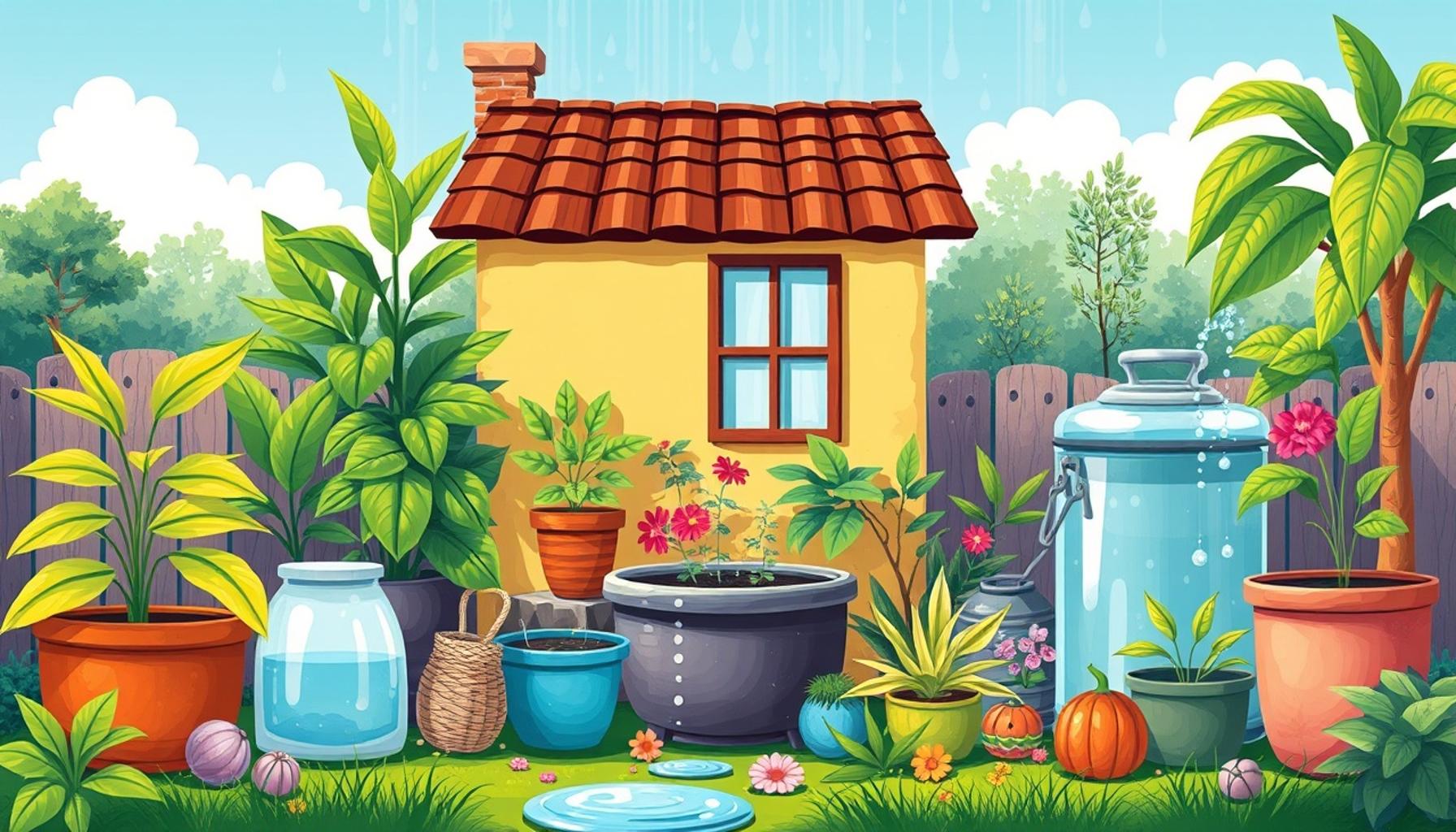
The concept of rainwater harvesting is straightforward: it involves capturing rain as it falls and storing it for later use. This can be as simple as collecting water in barrels from your roof’s gutters or as complex as installing a full-scale underground system. Such systems enable you to irrigate your garden, wash your car, or even supply water for household non-potable uses like flushing toilets. For instance, a well-designed rain barrel system can hold up to 55 gallons of water, which can significantly offset your need for treated municipal water.
Benefits of Rainwater Collection
The benefits of integrating rainwater collection systems into your home are manifold:
- Cost Savings: By utilizing free rainwater, homeowners can significantly reduce their water utility bills. Studies have shown that families can save as much as 30% to 50% on their water costs in regions where rainfall is abundant.
- Environmental Impact: Harnessing rainwater helps mitigate stormwater runoff, which can lead to erosion and water pollution. By capturing rainwater, homeowners can contribute to groundwater recharge, promoting healthier local ecosystems.
- Soil Health: Rainwater is naturally soft and free from the chemicals often found in treated municipal supplies. This means that using harvested rainwater not only nourishes plants effectively but also creates a healthier soil environment, boosting the vitality of your garden.
Examples and Implementation
Regions such as California and Texas have implemented rainwater harvesting systems at a community level with great success, promoting drought resilience through public education campaigns. Homeowners in urban areas can join their peers in the suburbs and rural zones by participating in workshops that share techniques and tips for effective collection. Simple methods, such as installing roof gutters with downspouts leading to collection barrels, can be achieved with minimal investment and effort.
Furthermore, there is a growing variety of technologically advanced systems available, complete with filtration and purification options, that are designed to ease the management of rainwater collection. Whether opting for a simple DIY rain barrel or an elaborate installed system, incorporating these practices contributes to personal and community sustainability.
In conclusion, rainwater harvesting not only fortifies your irrigation strategy but also fosters a deeper connection to the environment. As the nation grapples with varying degrees of water availability, the adoption of natural methods for rainwater collection becomes an essential step in fostering conservation and promoting responsible stewardship of one of our planet’s most vital resources.
DISCOVER MORE: Click here to learn about the advantages of heirloom and hybrid plants
Natural Techniques for Rainwater Collection
Homeowners looking to embrace sustainability and minimize their environmental footprint have numerous natural options for collecting rainwater. These strategies are not only practical but also promote a deeper connection to natural water cycles. Through simple yet innovative installations, it is entirely possible to transform a conventional home into a resource-efficient sanctuary, effectively managing and utilizing rainwater for various needs.
Traditional Rain Barrels
Among the most accessible and effective natural methods for rainwater collection, rain barrels stand out. Placed strategically beneath downspouts, these barrels harness the rainwater falling on your rooftop and direct it to a storage system. A standard home can amass thousands of gallons of water per year, depending on factors such as climate conditions and roof size. Implementing a rain barrel system involves a few key considerations:
- Optimal Placement: Install barrels in shaded areas to minimize sunlight exposure, reducing the risk of algae buildup and maintaining cooler water temperatures that are conducive for most use cases.
- Screening: It is crucial to cover the top of your barrels with screens to deter pests like mosquitoes and to keep out leaves and dirt, which can compromise water quality.
- Multiple Barrels: By connecting several barrels through a simple overflow system, you can significantly increase your storage capacity, especially beneficial in regions that experience heavy rainfall.
These barrels can be utilized for a variety of purposes, from watering gardens to washing cars. When implemented properly, they foster a sense of resourcefulness and environmental stewardship.
Permeable Paving and Rain Gardens
Another innovative technique involves the use of permeable paving and rain gardens. By choosing permeable materials for driveways, patios, and walkways, homeowners can allow rainwater to infiltrate the ground instead of accumulating on impervious surfaces and overwhelming local drainage systems. This approach serves dual purposes: it replenishes groundwater supplies and mitigates the risk of localized flooding during torrential downpours.
Moreover, constructing a rain garden—a specially designed landscape area filled with native plants that thrive in damp conditions—can greatly enhance rainwater absorption while contributing to aesthetic appeal. Not only do rain gardens capture rainwater, but they also support local ecosystems by providing habitats for pollinators and other wildlife. By selecting native plants, you ensure that these gardens require less maintenance and are more resilient to local weather conditions.
Green Roofs
For eco-conscious homeowners seeking a cutting-edge solution, green roofs offer a blend of functionality and beauty. This method involves planting vegetation directly on rooftops, serving multiple purposes—collecting rainwater, improving insulation, and enhancing air quality. A well-planted green roof can absorb a substantial amount of rainfall, effectively reducing runoff while also regulating building temperatures. While the initial investment for installation and design can be significant, the long-term benefits—including energy savings and an increase in property value—often outweigh the costs.
As awareness of water conservation grows, so does the adoption of these natural systems. By employing such natural methods for rainwater collection, homeowners can educate themselves and their communities, cultivating sustainable practices that make a profound impact on both local ecosystems and household water usage. Engaging in these initiatives not only conserves a precious resource but also fosters a greater respect for the environment, inspiring others to take actionable steps toward sustainability.
| Advantages of Rainwater Collection | Key Features |
|---|---|
| Cost Efficiency | Collecting rainwater reduces the need for municipal water and lowers utility bills. |
| Environmental Benefits | Using rainwater alleviates pressure on local water supplies and contributes to sustainable water management. |
| Enhanced Plant Health | Rainwater is naturally soft, free from chemicals, and better suited for irrigation, promoting vigorous plant growth. |
| Water Conservation | Harvesting rainwater is an effective strategy to conserve water resources amid increasing climate variability. |
Exploring these natural methods for rainwater collection not only supports individual gardening efforts but also extends its impact to the broader environment. As climate change continues to affect rainfall patterns, implementing sustainable irrigation practices has never been more critical. People interested in the benefits of sustainable home irrigation can significantly reduce their carbon footprint and contribute to ecological balance by adopting these methods. The more we learn about rainwater management, the more impactful our efforts become, reinforcing the commitment to sustainability in our communities.
DISCOVER MORE: Click here to learn how to plan your garden year-round
Innovative Approaches to Rainwater Utilization
Beyond the traditional methods and systems already discussed, there are a multitude of innovative techniques available for homeowners looking to maximize the benefits of rainwater collection. These approaches not only serve to enhance the efficiency of water usage but also support the overarching goal of sustainable home irrigation.
Subsurface Irrigation Systems
One emerging trend in sustainable irrigation is the adoption of subsurface irrigation systems. This method involves the installation of buried drip lines or tubing that directly deliver water to plant roots, significantly reducing water loss due to evaporation. When combined with rainwater harvesting systems, subsurface irrigation can use stored rainwater effectively, allowing for optimal water distribution across landscaped areas. This targeted watering approach minimizes wet foliage and reduces the risk of fungal diseases, making it a health-conscious choice for plants.
Water-Wise Landscapes
Creating water-wise landscapes is another valuable technique in sustainable home irrigation. This involves designing gardens that require minimal irrigation through the strategic placement of drought-tolerant plants, native species, and xeriscaping principles. By selecting plants that naturally thrive in local conditions, homeowners can ensure their gardens utilize rainwater more effectively. Moreover, incorporating features like mulch and organic matter improves soil structure, enhancing its capacity to retain moisture and facilitate better water absorption during rain events.
Catching the Drips: Gutter Extensions and Contoured Landscapes
When considering rainwater collection, gutter extensions and contoured landscapes can significantly contribute to water management. Gutter extensions can direct overflow from rain gutters into specific areas of the yard, further utilizing every drop of water that falls onto your roof. Outfitting gutters with diverters that lead into designated garden beds or cisterns increases adaptability and allows homeowners to efficiently integrate rainwater into their existing landscape.
In addition, landscaping that is designed with contouring principles can enhance rainwater capture. Creating swales—broad, shallow ditches that follow the natural topography of the land—can direct excess rainwater to plant beds and other garden features. These swales not only help to slow down runoff but also promote water infiltration into the soil, replenishing groundwater and improving soil health.
Rainwater Filtration Systems
Finally, the implementation of rainwater filtration systems opens up new avenues for utilizing collected rainwater for various household applications. With a basic understanding of filtration techniques, homeowners can invest in simple yet effective filtration setups to ensure the collected rainwater is safe for garden irrigation or even use in non-potable indoor applications, such as toilet flushing or washing machines. By proactively filtering rainwater, homeowners can reduce their dependence on municipal water sources, promoting a more sustainable lifestyle overall.
These innovative approaches showcase the potential for expanding rainwater collection methods beyond conventional systems. By employing these natural techniques for rainwater collection, homeowners can effectively harness nature’s resources, enhance irrigation efficiency, and contribute positively toward environmental sustainability.
DIVE DEEPER: Click here to discover more about soil types
Conclusion: Embracing Rainwater Harvesting for a Sustainable Future
As we navigate the challenges of resource management and environmental sustainability, natural methods for rainwater collection emerge as a vital strategy for homeowners seeking to cultivate responsible irrigation practices. Throughout this article, we have explored a range of innovative techniques that not only improve the efficiency of water usage but also encourage a harmonious relationship between our landscapes and the environment.
By implementing subsurface irrigation systems, homeowners can target their watering efforts directly at plant roots, minimizing water loss and promoting healthier growth. Meanwhile, designing water-wise landscapes with drought-tolerant plants not only ensures the wise use of collected rainwater but also enhances aesthetic appeal while reducing overall maintenance. Additionally, the integration of features like gutter extensions and contoured landscapes maximizes the capture and utilization of rainwater, providing exciting new opportunities for effective garden management.
Moreover, adopting rainwater filtration systems opens new avenues for accessing valuable water resources, making it feasible to repurpose rainwater for various household applications, thus lessening reliance on municipal supplies. This holistic approach to water management aligns with a greater shift towards sustainability, fostering resilience in our local ecosystems.
In summary, the potential benefits of embracing natural methods of rainwater collection are extensive and multifaceted. As homeowners cultivate these practices, they not only contribute to their family’s sustainability but also become advocates for a greener future. Exploring these options further can lead to an enriched lifestyle that harmonizes with nature’s cycles, ultimately paving the way for a more sustainable and vibrant community.