The Rise of Clean Beauty: What Consumers Need to Know
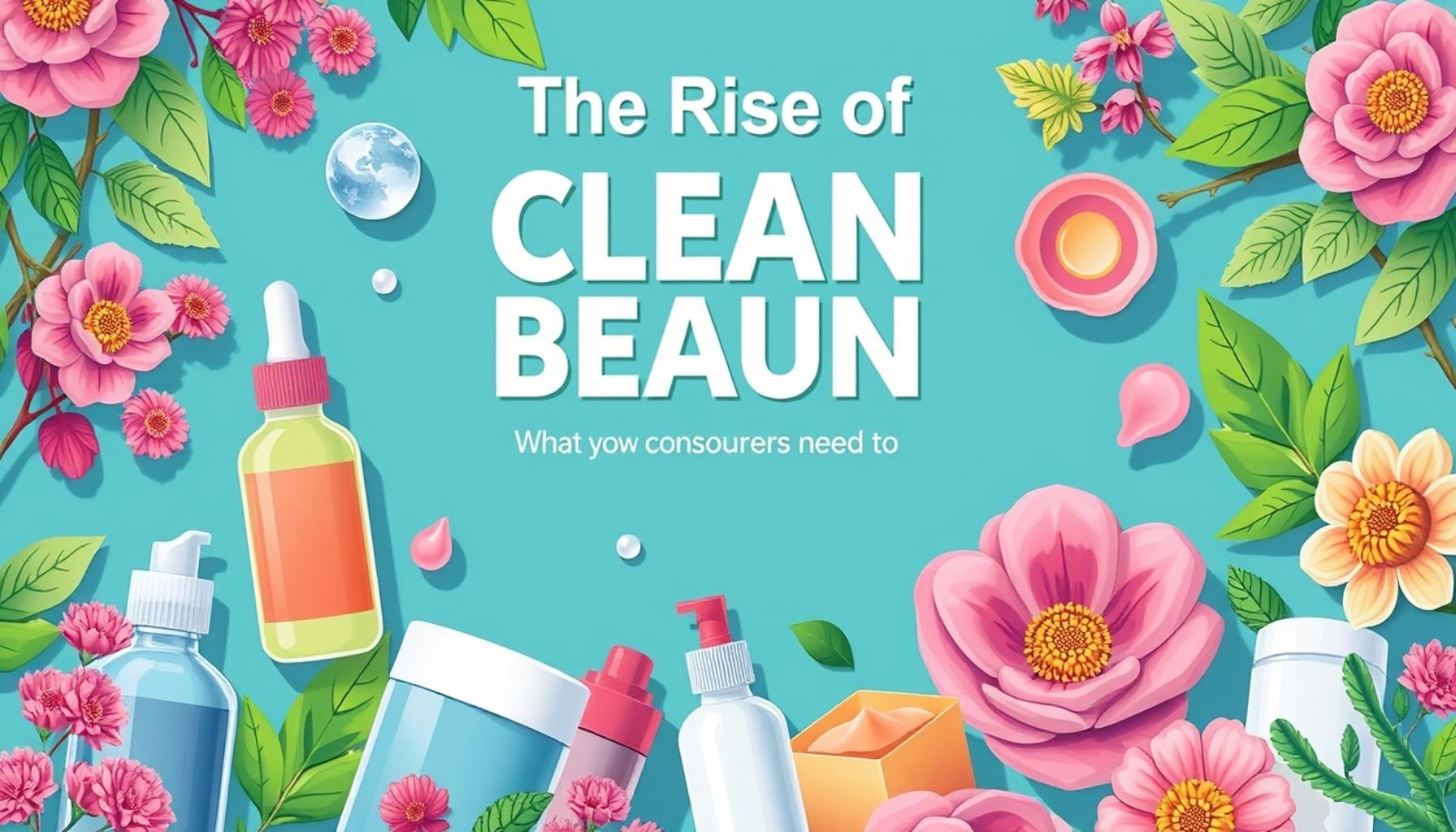
The Rise of Clean Beauty: A Transformation in Cosmetics
In recent years, a substantial shift has emerged in the beauty industry, focusing on products that are not only effective but also ethical. This movement, often referred to as clean beauty, emphasizes the importance of transparency, sustainability, and safe ingredients. The notion of clean beauty is more than just a trend; it represents a fundamental change in how consumers interact with the beauty industry and what they expect from brands.
Consumer Awareness and Preferences
Consumers are increasingly scrutinizing the labels of skincare and makeup products, taking a proactive role in understanding what goes into their beauty regimes. This heightened awareness is evident as individuals prioritize products that meet several key standards:
- Free from harmful chemicals: In a bid to protect their health, many consumers are avoiding ingredients like parabens, sulfates, and phthalates. These chemicals have been linked to various health concerns, spurring a demand for safer alternatives. Brands like Burt’s Bees have gained popularity by offering products that are free from these harmful substances, ensuring healthier options.
- Sustainably sourced: Eco-conscious consumers are also favoring brands that champion environmentally friendly practices. This includes utilizing sustainable packaging and ethically sourced ingredients. For instance, Ethique offers solid shampoo bars that eliminate plastic waste while delivering effective cleansing results.
- Animal cruelty-free: The call for compassion is louder than ever, with shoppers increasingly seeking products that have not been tested on animals. Major brands, such as Tarte Cosmetics, have proudly adopted cruelty-free practices, appealing to ethically-minded consumers.
Market Growth and Target Demographics
According to recent market research, the clean beauty market is expected to reach $22 billion globally by 2024. This surge is especially resonant among millennials and Gen Z consumers. This demographic is distinguished by their commitment to making informed purchasing decisions that align with their values, particularly regarding health and environmental impact.
Millennials and Gen Z possess significant purchasing power and influence trends not only in beauty but across various consumer industries. As such, brands are compelled to adapt their practices to meet the ethical standards of these generations. Many leading brands now feature clear labelling and ingredient transparency, aiming to build trust with consumers.
Navigating the Clean Beauty Landscape
As clean beauty continues to gain traction, it is essential for consumers to navigate this evolving landscape with informed choices. Understanding what defines clean beauty and how to identify authentic brands can significantly impact personal health and environmental sustainability. Educating oneself on reading labels, researching brand practices, and staying updated on industry trends can empower consumers to make responsible choices in their beauty routines.
For those interested in delving deeper into the clean beauty movement, numerous online platforms, podcasts, and social media communities are passionately discussing this shift. Engaging with these resources can enhance one’s understanding and help consumers choose products that align with their values for health and the planet.
DISCOVER MORE: Click here to learn the truths about sunscreen
What’s Driving the Clean Beauty Movement?
The clean beauty movement is fueled by a convergence of factors that resonate deeply with today’s consumers. First and foremost, there is an undeniable shift towards health consciousness. Increased access to information via digital platforms has enlightened consumers about the potential risks associated with certain beauty products. Reports linking various chemicals to health issues have raised alarm, leading shoppers, especially in the United States, to question the safety of what they apply to their skin daily. Brands that prioritize clean ingredients are capitalizing on this concern, providing a sense of security and peace of mind.
Another powerful driver is the growing commitment to sustainability. Climate change and environmental degradation have become prevalent topics in public discourse, making consumers more mindful of their purchasing decisions. A survey indicated that 71% of consumers in the U.S. prefer products that are environmentally friendly. Consequently, beauty brands that embrace sustainable practices—like 100% Pure, which uses natural and organic ingredients and eco-friendly packaging—are experiencing an uptick in popularity and sales.
What Consumers Should Look For
As the clean beauty sector expands, consumers must arm themselves with knowledge to differentiate between genuinely clean products and those that make misleading claims. Here are some key factors to consider:
- Ingredient Transparency: Look for brands that openly disclose all ingredients used in their products. Reputable companies provide comprehensive ingredient lists, allowing consumers to make informed choices.
- Certifications: Third-party certifications can be a reliable indicator of a brand’s commitment to clean beauty. Look for labels such as USDA Organic, Leaping Bunny for cruelty-free, and EcoCert which confirms sustainability practices.
- Brand Reputation: Research the brand’s history, ethos, and commitment to clean practices. Brands with a proven track record of ethical sourcing and sustainable manufacturing often maintain a loyal following.
As informed consumers navigate the clean beauty landscape, they should remain vigilant against greenwashing, where brands exploit popular trends without substantiating their claims. By focusing on verified products and supporting brands dedicated to clean practices, consumers can contribute to a more ethical and sustainable beauty industry.
The Role of Social Media and Influencers
Social media platforms have played a pivotal role in promoting the clean beauty narrative. Influencers and beauty bloggers are increasingly sharing their experiences with clean beauty products, reaching millions of followers. Reviews and tutorials not only educate consumers but also amplify the visibility of brands that are making a positive impact. This social aspect fosters a sense of community where individuals feel empowered to share their clean beauty journeys.
Thus, as the clean beauty trend continues to gain momentum, consumers are not just purchasing products; they are engaging in a movement that prioritizes health, wellness, and environmental responsibility.
| Advantages of Clean Beauty | Consumer Insights |
|---|---|
| Healthier Ingredients | Many consumers are shifting towards products free from harmful toxins and chemicals, favoring brands that disclose full ingredient lists. |
| Environmental Consciousness | Eco-friendly packaging and sustainable sourcing of ingredients resonate with consumers prioritizing eco-conscious brands. |
| Transparency and Trust | Consumers are leaning towards brands that prioritize transparency in their marketing, fostering a sense of trust with their audience. |
| Customization and Personalization | The rise of clean beauty has led to innovative products that can be tailored to individual skin needs, enhancing consumer engagement. |
The clean beauty movement is not just about aesthetics; it is a paradigm shift toward holistic well-being. As consumers become more aware of what they put on their bodies and its environmental impact, they demand stricter regulations and enhanced quality. Moreover, the benefits of clean beauty products extend beyond personal health—these brands often contribute to social responsibility initiatives and support sustainable practices. As the clean beauty trend continues to ascend, it reshapes not only consumer expectations but also the future of the beauty industry as a whole.
DISCOVER MORE: Click here to explore the evolution of beauty textures
Navigating Regulatory Challenges
While the clean beauty movement is flourishing, it faces significant regulatory challenges. In the United States, the Food and Drug Administration (FDA) has limited authority over cosmetic products, which means many products can be marketed without rigorous testing for safety or effectiveness. The FDA’s Federal Food, Drug, and Cosmetic Act allows companies to self-regulate, so it’s crucial for consumers to become proactive in educating themselves about ingredients and potential toxins.
This regulatory gap has led to a patchwork of standards across the clean beauty sector. For instance, while some brands adhere to European Union regulations—which ban over 1,300 harmful chemicals—U.S. brands may legally use ingredients that are not as thoroughly vetted. This disparity raises questions about what constitutes “clean” formulation and underscores the need for consumers to be diligent in their research.
The Importance of Ingredient Knowledge
To navigate the clean beauty landscape effectively, consumers should become familiar with commonly used terminology and their implications. Here are a few key terms that often appear on product labels:
- Parabens: A common preservative in cosmetics linked to hormonal disruptions; many clean beauty brands avoid them altogether.
- Phthalates: Used to enhance fragrance and improve texture, phthalates have been shown to have potential health risks, making their exclusion a priority for many clean brands.
- Sulfates: Known for their foaming properties in shampoos and cleansers, sulfates can irritate skin and eyes. Clean beauty products often tout their sulfate-free formulations.
Understanding these terms can empower consumers to make informed choices and avoid products that may conflict with their health and environmental values.
The Retail Landscape for Clean Beauty
The retail environment for clean beauty has also evolved significantly. Major retailers such as Sephora and Ulta Beauty have dedicated sections for clean beauty products, indicating a consumer shift towards demand for transparency. Sephora even launched a “Clean at Sephora” seal for products that meet its predetermined criteria for being free of harmful ingredients. This has propelled clean beauty brands into the spotlight and helped consumers easily identify safer options.
Moreover, e-commerce platforms are increasingly featuring clean beauty lines, driven by the rise of online shopping during the pandemic. Brands like Ilia Beauty and Tatcha have thrived in this space due to their strong online presence and ability to connect with consumers looking for honest and accessible product information.
Emerging Innovations and Trends
The growth of clean beauty is also spurring innovation. Brands are investing in biotechnology and natural ingredient science to create effective formulations that do not compromise safety or sustainability. Brands such as Biossance use sustainable sugarcane-derived squalane as a moisturizer, proving that safe alternatives can also be highly effective. This emphasis on innovation is changing the landscape and expanding options for consumers who desire both beauty and integrity in the products they use.
As consumers continue to advocate for clean beauty, the market responds with more diverse and ethical choices, making it a pivotal time for those invested in personal health and environmental responsibility.
DISCOVER MORE: Click here to learn about sun protection myths and truths
Conclusion
The rise of clean beauty signifies a transformative shift in consumer behavior, as individuals increasingly prioritize personal health and environmental sustainability in their beauty choices. As the movement grows, it becomes essential for consumers to navigate this evolving landscape with informed discernment. Understanding the implications of ingredient labels and familiarizing oneself with potential toxins, such as parabens, phthalates, and sulfates, is crucial in making well-informed purchasing decisions.
Moreover, consumers should remain aware of the regulatory gaps that exist within the beauty industry. The disparity between brands adhering to stringent European standards and those operating within the more lenient frameworks of the U.S. highlights the importance of due diligence when evaluating products. By advocating for transparency and demanding clear labeling, consumers can play a pivotal role in shaping the future of the clean beauty market.
The trends of innovation in formulation and the robust expansion of clean beauty lines across retailers and e-commerce platforms offer consumers an ever-increasing variety of options. This progress not only enhances the efficacy of products but also aligns them with contemporary values. As consumers become more grounded in their choices, the clean beauty movement is poised to foster a more ethical and responsible beauty landscape. The journey towards clean beauty is just beginning; thus, staying informed and engaged is key to fully realizing the benefits of this exciting evolution.