Emerging Cosmetic Technologies: The Future of Augmented Reality in Makeup Applications
Technological Innovations Shaping the Beauty Landscape
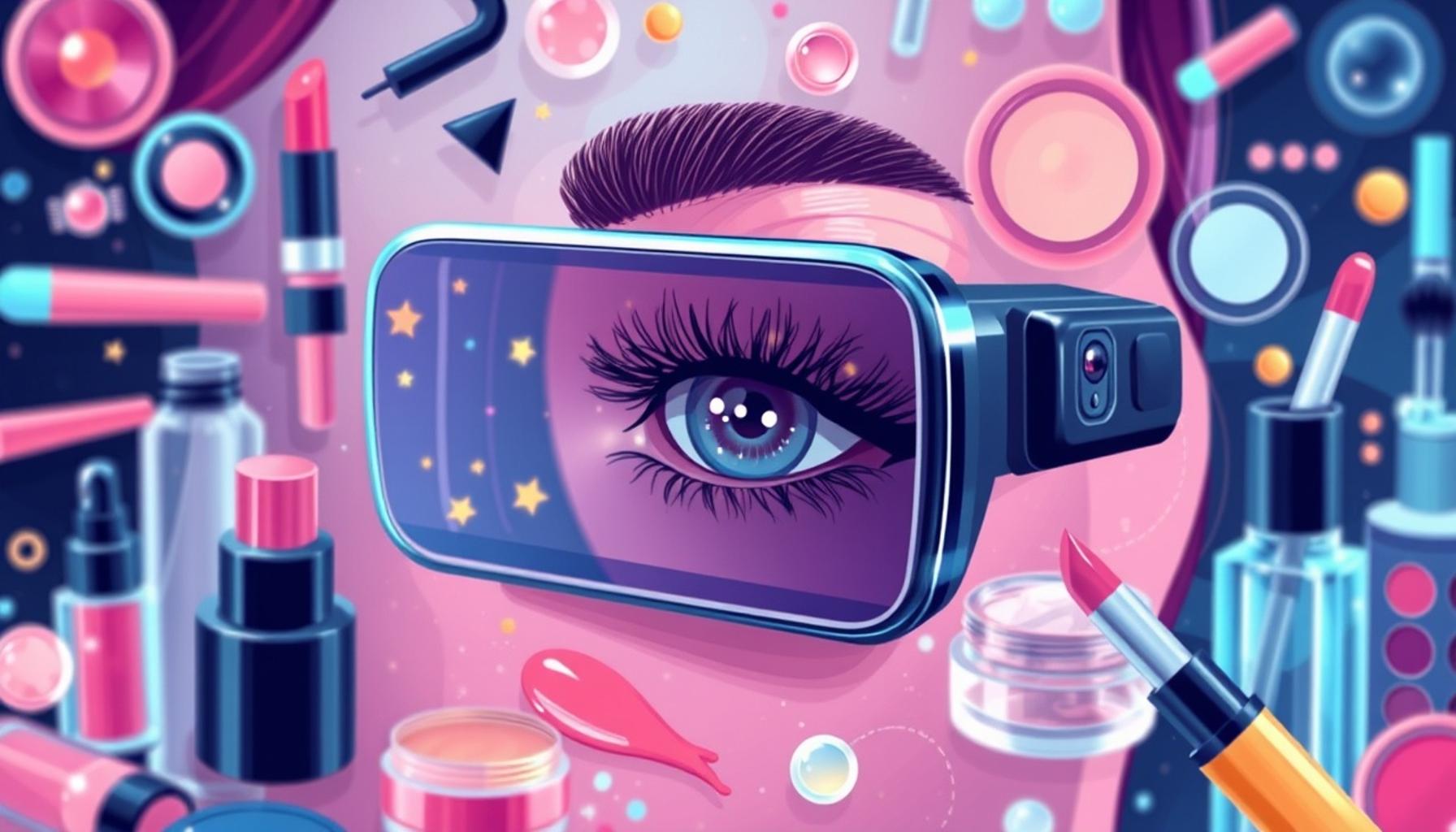
In recent years, the cosmetic industry has been undergoing a dramatic transformation, driven by advancements in technology. One of the most exciting developments is the integration of augmented reality (AR) into makeup applications, opening doors to endless possibilities for consumers and brands alike. This fusion of technology and beauty is not just a trend—it’s indicative of a broader shift towards a more interactive and personalized shopping experience.
Imagine being able to try on various makeup styles without ever picking up a brush. This innovative approach not only enhances the shopping experience but also empowers individuals to experiment with their look in a virtual space. The applications of AR in cosmetics allow users to visualize how a product would look on their skin before making a purchase, reducing the likelihood of buyer’s remorse. Major beauty retailers, such as Sephora and L’Oréal, are at the forefront of this movement, utilizing AR technology to build more engaging customer experiences.
Key Features of AR in Makeup Applications
Several key features of AR in makeup applications make it a game-changer for consumers:
- Virtual Try-Ons: Users can test different shades and products using their device camera, enabling a style discovery process that eliminates the need for physical testers, which can often be unhygienic.
- Personalized Experiences: Advanced algorithms analyze facial features and skin tones to provide tailored product recommendations, heightening the chances of user satisfaction.
- Real-Time Interaction: With instantaneous feedback, users can see changes as they adjust their choices, making the shopping experience both interactive and engaging.
Beyond simply trying on lipstick or eyeshadow, AR technology allows users to experiment with complete makeup looks, from defining their brows to applying blush, all in a fraction of the time it would take to do so in real life. For instance, apps like Ulta Beauty’s virtual try-on feature and Instagram’s face filters illustrate how this technology has permeated social media, allowing everyday users to experiment and showcase their newfound styles in engaging ways.
The Broader Impact of Emerging Cosmetic Technologies
As companies embrace these technologies, creating user-friendly interfaces that cater to a diverse audience, consumers are becoming more empowered in their beauty choices. Data from reports suggest that nearly 70% of consumers prefer to use AR when considering beauty purchases, indicating a significant shift in shopping behavior. This is especially true amongst younger consumers who perceive digital engagement as a critical component of their shopping experience.
The future of beauty is not just about products but about the experiences woven with technology. As we delve deeper into the impact of augmented reality on makeup applications, it is crucial to consider not only its capabilities and challenges but also where it is headed. Can we envision a future where personalized beauty experiences are the norm, rather than the exception? As this technology continues to evolve, the beauty landscape will certainly reflect the profound changes in consumer behavior and technological advancements.
DISCOVER MORE: Click here to learn about the latest anti-aging innovations
Revolutionizing the Beauty Experience with Augmented Reality
The integration of augmented reality (AR) into the cosmetic industry marks a significant evolution in how consumers engage with makeup products. With the ability to visualize products on their own images, beauty enthusiasts can make more informed decisions that align with their personal aesthetics and skin tones. This transformation is breaking down traditional barriers in the shopping experience, creating a landscape where creativity, individuality, and technology coalesce to redefine beauty standards and practices.
One of the hallmarks of AR technology in makeup applications is its capacity to facilitate virtual try-ons. Users now have the opportunity to sample various makeup looks using their smartphones or tablets, removing the uncertainty often associated with purchasing a product that may not suit them. Brands are leveraging this technology to provide realistic representations of how different products will appear on an individual’s face, ultimately enhancing the consumer’s confidence in their purchases. For example, platforms such as Perfect Corp’s YouCam Makeup allow users to apply virtual makeup in real-time, experimenting with colors and styles that might have previously been daunting.
The Advantages of AR Makeup Technology
The rise of AR in makeup applications comes with a plethora of advantages:
- Enhanced Accessibility: Users can access a wide range of makeup options from the comfort of their homes, saving time and eliminating the pressure often felt in traditional retail settings.
- Social Sharing Features: Many AR applications enable users to share their virtual looks on social media, fostering a community of beauty enthusiasts who inspire one another and discover new trends.
- Sustainability Aspect: By reducing the need for physical testers, brands are supporting eco-friendliness, which is increasingly important to consumers who seek sustainable practices in their purchasing habits.
Moreover, AR not only provides a tool for personal exploration but also revolutionizes how brands market their products. The interactive nature of these applications makes them appealing and engaging, leading to higher customer retention rates. Reports indicate that integrating AR features can lead to a notable increase in purchase intent among users—up to 45% in some cases—further underlining the impact technology has on consumer behavior.
Furthermore, AR technology is also paving the way for innovative solutions in skincare and beauty consultations. Through AI-powered analysis, apps can offer personalized skincare regimens based on an individual’s skin type and specific concerns. This holistic approach to beauty is instrumental in delivering not only a surface-level experience but one that considers deeper consumer needs.
The Future of Augmented Reality in Makeup Applications
As the beauty industry continues to embrace emerging cosmetic technologies, the trajectory of AR in makeup applications appears promising. With continual advancements in smartphone cameras and AI algorithms, future iterations of AR will become even more sophisticated. As the technology matures, we can anticipate a landscape where personalized, interactive beauty experiences become a standard expectation rather than a novelty.
In an era where consumers are seeking authenticity and connection with brands, the accountability and transparency offered through AR technology represents a vital turning point. Emerging cosmetic technologies like AR are not just enhancing beauty; they are actively reshaping how consumers perceive themselves and their choices in the marketplace.
| Advantages of AR | Impact on Consumers |
|---|---|
| Enhanced Personalization | Consumers can test products tailored to their unique features and preferences. |
| Real-Time Feedback | Immediate results allow users to experiment confidently with makeup. |
| Social Sharing Capabilities | Users can share their looks on social media, enhancing brand engagement. |
Moving forward, augmented reality (AR) stands at the forefront of revolutionary changes in cosmetic applications. With the integration of AI and machine learning, AR makeup applications can learn from user preferences, thereby enhancing the personalization aspect of makeup shopping. Not only does this cater to individual styles, but it also helps brands market more effectively by identifying trending products among specific demographics.Furthermore, the inclusion of real-time feedback mechanisms empowers users to experiment with different looks without the hassle of physically testing products. This flexibility translates into higher customer satisfaction and reduced rates of product returns. Besides these positive attributes, the ability for users to easily share their enhanced looks on social media platforms creates a buzz around brands, driving organic marketing through genuine consumer engagement. This dynamic approach reinforces the idea that the future of cosmetic technology melded with AR is bright, paving the way for an entirely new shopping experience.
DISCOVER MORE: Click here to learn how to tailor your skincare routine
Driving User Engagement through Personalized Experiences
Beyond the current capabilities of augmented reality (AR), a notable trend in makeup applications is the emphasis on personalization. As brands harness the power of data analytics and machine learning, they are carving pathways toward a more tailored beauty experience. By analyzing user interactions and preferences, AR applications are able to recommend products and looks specifically suited to the individual, creating a sense of inclusivity and enhancing overall user satisfaction. For instance, platforms such as Sephora’s Virtual Artist utilize facial recognition to provide customized recommendations, allowing users to visualize different shades of foundation or lipstick that complement their unique features.
The Impact of Social Media Collaboration
In the age of social media, AR makeup applications are not only reshaping how consumers interact with products but are also becoming pivotal tools for brand collaborations. As influencers and beauty gurus showcase their virtual makeup looks across platforms like Instagram and TikTok, they generate authentic buzz around AR technologies. These influencers are often engaged in co-creating AR filters that reflect their signature styles, leading to viral trends that draw in millions of users. This kind of marketing strategy encourages brands to invest in AR technology to remain relevant and marketable within a dynamic digital environment.
Furthermore, the integration of AR in beauty apps serves as a bridge between the digital and physical shopping experiences. Major beauty retailers are recognizing that seamless integration can elevate customer engagement both online and in-store. For example, companies are developing interactive displays at physical locations that allow consumers to try on makeup virtually before making a purchase, enhancing the overall shopping experience. This blend of digital and physical realms offers a holistic approach to beauty shopping, making consumers feel more connected to their choices.
The Role of Artificial Intelligence in AR Makeup Technologies
Another exciting frontier in augmented reality makeup applications is the use of artificial intelligence (AI)</strong) to enhance user interactions. AI-powered algorithms can analyze users' facial features, skin tones, and even facial expressions to ensure that the AR experience simulates real-world application accurately. This involves not just matching a makeup shade but understanding the nuances of color theory and lighting that affect how makeup appears on various skin types.
Additionally, AI can identify trends and predict new product launches based on consumer preferences. As social media landscape evolves, levels of sentiment analysis can inform brands about the public perception of their latest offerings, guiding future innovations. This synergy between AI and AR creates a continuous feedback loop that ensures consumers receive tailored content and product offerings effectively.
Industry Collaborations for Advanced Innovations
To remain competitive in the fast-evolving landscape of emerging cosmetic technologies, many brands are forming strategic collaborations with tech companies specializing in AR and AI. These partnerships are crucial for driving high-quality innovations and ensuring that the technology remains user-friendly. By combining industry expertise with cutting-edge technology, brands can accelerate their development of impactful AR features that resonate with consumers.
For instance, collaborations between major cosmetic brands and tech giants have led to the development of advanced real-time 3D graphics. This technology allows for hyper-realistic makeup simulations that look and feel as if applied in real life. As these innovations continue to unfold, the user experience is expected to evolve, providing beauty enthusiasts with novel and engaging ways to explore and express their beauty.
As the future of augmented reality in makeup applications unfolds, consumers can expect an era of enhanced creativity, empowerment, and engagement—redefining their relationship with beauty products forever.
LEARN MORE: Click here to find out how to tackle skin issues at any age
Conclusion: A New Era in Beauty with Augmented Reality
As we stand on the cusp of a revolution in the beauty industry, the potential of augmented reality (AR) in makeup applications is becoming increasingly apparent. The convergence of personalization, artificial intelligence (AI), and interactive technologies are not merely enhancing the consumer experience—they are fundamentally reshaping our interactions with beauty products. By marrying the virtual and physical realms, brands can create deeper connections with their customers, paving the way for a more engaging shopping experience.
Through sophisticated AI algorithms and the power of data analytics, AR technology can offer makeup simulations that cater to individual skin tones, preferences, and facial features. The seamless integration of AR in beauty retail—both online and in stores—provides users with the confidence and creativity to experiment with their looks like never before. This accessibility not only promotes inclusivity but heightens the excitement around makeup, transforming beauty routines into personalized journeys.
With collaborative efforts between beauty brands and tech innovators, we can anticipate even more groundbreaking advancements. As trends continue to evolve with the influence of social media, the relationship between consumers and their beauty products will only grow stronger. By harnessing AR technologies, companies are poised to deliver an immersive experience that empowers individuals to express themselves in ways that resonate authentically.
Ultimately, the future of emerging cosmetic technologies through augmented reality is not just about visual enhancement; it’s about empowerment, creativity, and connection. As we look ahead, one thing is certain: the beauty landscape will be forever transformed, inviting everyone to participate in a dynamic exploration of aesthetics.