Compact Fruit Varieties: Growing Fruit Trees in Small Gardens
Unlock the Potential of Your Garden Space
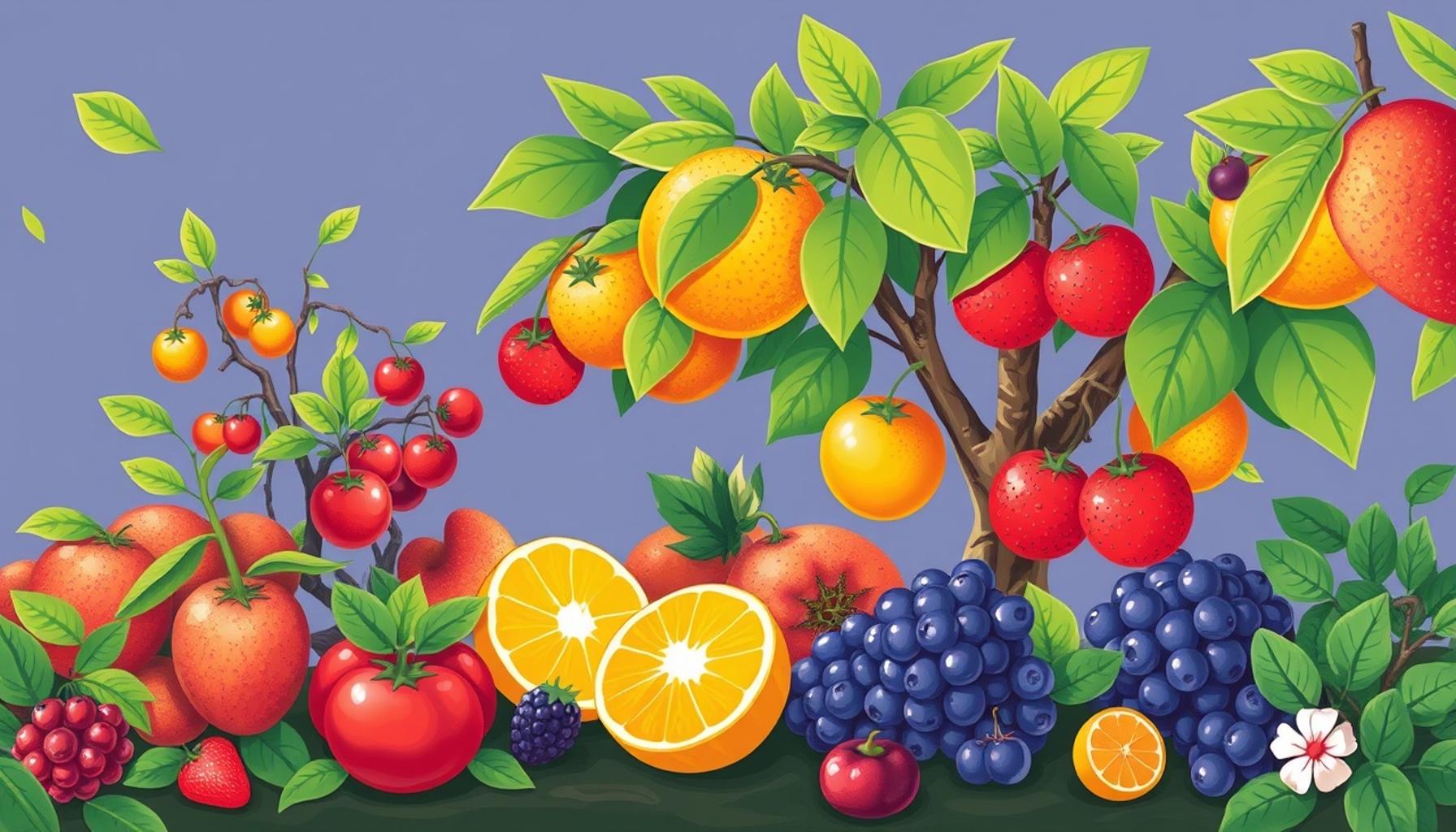
Urban living doesn’t have to mean giving up the joys of homegrown fruits. With compact fruit varieties, you can transform even the smallest gardens into fruitful paradises. The right selection of trees allows you to maximize your space while enjoying fresh produce at your fingertips. Imagine stepping out into your tiny backyard or balcony and indulging in a juicy apple or a handful of fresh cherries, all cultivated from your very own trees.
When it comes to the numerous advantages of growing compact fruit trees, several factors come into play that can significantly enhance your gardening experience:
- Space Efficiency: Compact varieties typically require less room than standard trees, making them ideal for urban gardeners. For instance, columnar apple trees can reach heights of 8-10 feet but only take up about 2-3 feet of space in terms of width, allowing you to efficiently utilize vertical space. This means you can create a mini orchard even in a small yard or large container.
- Ease of Maintenance: Smaller trees are often easier to prune and harvest. Unlike their larger counterparts, compact trees don’t necessitate climbing or extensive tools for care. This makes it simpler for novice gardeners or those with physical limitations to manage their plants effectively.
- Quick Harvest: Many compact fruit trees yield fruit within a few years, often within two to four years of planting. This is particularly appealing for enthusiastic gardeners eager for fast results. For example, dwarf cherry trees can produce delicious, sweet fruits in that time frame, providing satisfaction and motivation for continued gardening.
When selecting varieties for your limited garden space, consider some popular options that thrive in the United States:
- Columnar Apple Trees: These trees grow upwards instead of outwards, making them perfect for narrow spaces. They are available in several varieties, including Honeycrisp and Fuji, which are favorites among many apple lovers.
- Dwarf Cherry Trees: These trees do exceptionally well in smaller plots and offer incredibly sweet rewards. Varieties such as ‘Stella’ and ‘North Star’ yield large cherries that are ideal for fresh eating or baking.
- Miniature Citrus Trees: Think of the zesty fragrance of lemon or the sweet aroma of an orange tree on your patio or balcony! Varieties like ‘Improved Meyer Lemon’ and ‘Calamondin Orange’ not only produce flavorful fruits but also bring a tropical flair to your outdoor space.
As you dive into the world of growing fruit trees in small gardens, explore varieties that suit your space, climate, and taste preferences. Resources such as local gardening clubs or cooperative extensions can offer invaluable advice, local variety recommendations, and even opportunities for community swaps. The journey not only enhances your garden but also enriches your culinary experiences and health. Imagine preparing a fresh fruit salad or canning homemade preserves from the fruits of your own labor—there’s nothing quite like the satisfaction of enjoying produce grown right in your backyard!
DIVE DEEPER: Click here to learn more
Choosing the Right Compact Varieties for Small Spaces
To reap the full benefits of compact fruit varieties, it’s essential to understand which trees work best in limited spaces. A careful selection not only maximizes your garden’s production but also ensures the health and vitality of your plants. Growers in the United States have a wealth of options when it comes to these miniature fruit-bearing trees. As you explore further, consider the following categories of compact trees to help guide your decisions:
- Dwarf Apples: These trees typically grow between 4 and 8 feet high and thrive in various climates. Their small stature allows for easy maintenance and accessibility when it comes time to harvest. Varieties like ‘Honeycrisp’ and ‘Granny Smith’ produce fruit that is not only delicious but also popular among home cooks.
- Patio Peach Trees: With their luscious blooms and sweet fruit, these compact varieties are perfect for creating a picturesque garden. Look for varieties such as ‘Elberta’ or ‘Horttech 44,’ which are designed to flourish in smaller areas while delivering the same delightful taste as their larger counterparts.
- Dwarf Berries: For those who have limited vertical space, dwarf berry bushes such as raspberry and blackberry can be an excellent choice. Varieties like ‘Raspberry Shortcake’ and ‘Blackberry Dwarf’ offer prolific yields and fit comfortably within the confines of raised beds or containers.
In addition to the right choices, it’s important to consider how to cultivate these compact varieties successfully. Here are some tips for ensuring your small garden produces a bounty of fruits:
- Sunlight: Most fruit trees require at least 6-8 hours of direct sunlight each day. Strategically positioning your compact trees where they can soak up the sun will enhance fruit production and overall plant health.
- Soil Quality: Invest in quality gardening soil enriched with organic matter for optimal growth. Good drainage is equally essential for compact varieties to prevent watering issues.
- Container Gardening: If space is extremely limited, consider growing your compact fruit trees in containers. Choose pots that are adequately sized for the specific tree and ensure proper drainage to facilitate healthy root growth.
Another vital aspect to bear in mind when growing fruit trees in small gardens is pollination. While many compact varieties are self-pollinating, having multiple trees can boost fruit set significantly. This practice assures that even small spaces can yield bountiful harvests.
Embarking on the journey of cultivating compact fruit trees brings forth a host of rewards—from the joy of nurturing plants to the satisfaction of enjoying their produce. Not only does this endeavor beautify your outdoor area, but it also contributes to a sustainable lifestyle, aligning perfectly with the eco-consciousness prevalent in modern gardening.
| Advantages | Details |
|---|---|
| Space Efficiency | Compact fruit varieties fit well into small garden plots, maximizing yield without overcrowding. |
| Easy Maintenance | Smaller trees require less pruning and are easier to manage, making them perfect for novice gardeners. |
| Bountiful Harvest | Despite their size, many dwarf fruit trees produce a high volume of fruit, enhancing the overall garden experience. |
| Versatility | These trees can be easily integrated into ornamental landscapes, adding beauty and productivity. |
Growing fruit trees in small gardens is a revolutionary approach that caters to the ever-increasing demand for homegrown produce. The compact fruit varieties not only optimize the available space but also offer an inspiring solution for urban gardeners. By selecting suitable species such as dwarf apple or miniature peach trees, enthusiasts can enjoy fresh fruits without the need for vast expanses of land. Furthermore, these trees can thrive in pots or containers, making them ideal for patios, balconies, or even indoor spaces. With attention to proper watering and fertilization, gardeners can relish a rewarding harvest while beautifying their environment. The charm of growing your own fruit is undeniably compelling, making it essential for individuals to explore the endless possibilities that compact fruit varieties bring to small garden settings. This new trend promises to engage garden lovers to expand their horizons and cultivate a delightful urban orchard.
Dive Deeper: Click here to learn how multifunctional gardening tools can save you space and money
Maximizing Yield with Proper Care and Techniques
After selecting the right compact fruit varieties for your garden, the next step is to consider how to maximize their yield through careful cultivation practices. Understanding the unique needs of each variety is crucial for thriving plants that provide a wealth of fruit. In addition, applying specific techniques can enhance growth and fruit quality, adding a distinctive flair to your small garden.
One effective way to increase productivity is through the practice of pruning. Regular pruning not only maintains the tree’s size but also promotes better air circulation and sunlight penetration. For instance, should you opt for a dwarf apple tree, timely pruning in late winter allows you to shape the tree while encouraging stronger new growth in the spring. This balance contributes to a more fruitful harvest come fall.
Fertilization is equally important. Compact fruit trees typically have distinct nutritional needs. Using organic fertilizers with balanced N-P-K ratios, such as fish emulsion or compost, supports healthy growth without the risk of over-fertilization that can happen with synthetic options. Be mindful of soil testing to ensure optimal nutrient levels are maintained throughout the growth cycle.
- Watering: Watering practices should align with the tree’s needs, especially during critical growth phases. For fruits like peaches and plums, consistent moisture is vital during their fruit set stage. Use mulch to retain soil moisture and suppress weeds, which can compete for nutrients.
- Companion Planting: Introducing environmental allies in your garden can enhance the health of your compact trees. For example, plant marigolds or nasturtiums near your fruiting trees. These flowers can deter harmful pests while attracting beneficial insects, creating a thriving ecosystem.
Exploring Innovative Growing Techniques
For gardeners navigating tight spaces, innovative growing techniques can make all the difference. Espaliering is one such method where trees are trained to grow flat against a wall or trellis. This not only saves space but also maximizes sunlight exposure and showcases the trees as living art in your garden. This technique works beautifully with compact apple and pear trees, allowing for easier harvest and maintenance.
If you prefer to elevate your gardening game, look into vertical gardening, using structured setups that allow fruits to grow upwards. Utilizing tiered planters or wall-mounted pots can free up ground space and create an impressive display of color and produce. Dwarf varieties of strawberries or cascading tomatoes can be particularly effective in these arrangements.
Seasonal Considerations and Pest Management
<p<Ensuring the health of your compact fruit trees throughout the seasons is another critical aspect to their success. Seasonal maintenance involves applying protective measures during cold winters or providing shade during the hottest summer months. Mulching can help regulate soil temperature, while row covers or cloches are effective for protecting tender buds from unexpected frosts.
Pest management is essential to maintaining the vitality of your compact trees. Regular inspections are crucial. Consider the introduction of natural predators, like ladybugs or lacewings, which can help manage aphid populations. Additionally, using neem oil as an organic pesticide can keep common pests at bay without harming beneficial insects.
As you delve deeper into the world of compact fruit varieties, consider incorporating these practical techniques into your gardening routine. Engaging with both innovative practices and traditional care methods leads to a more fruitful and enjoyable gardening experience, further expanding the charm of your small garden while yielding delicious results.
LEARN MORE: Click here for tips on managing garden pests
Conclusion
In the pursuit of creating a fruitful oasis in limited spaces, compact fruit varieties provide an exceptional solution for gardening enthusiasts. By selecting the right trees and implementing effective care techniques, even the smallest garden can yield bountiful harvests, making the most of every square foot. The employment of pruning, fertilization, and a keen eye on seasonal needs not only promotes healthy growth but also enhances the overall aesthetics of your green space.
Moreover, exploring innovative approaches such as espaliering and vertical gardening can elevate your gardening experience, transforming your compact area into a vibrant display of fruits and blooms. By embracing these strategies, you can cultivate an engaging landscape that reflects both creativity and productivity. Moreover, the integration of companion plants enhances biodiversity, which is beneficial for pest management and overall ecological health.
Ultimately, growing fruit trees in small gardens is not merely about harvesting fruits; it’s an enriching journey that fosters a deeper connection with nature. As you experiment with various compact varieties, remember that patience and adaptability are key. With these principles, your small garden can become a thriving hub of flavor and beauty, providing not just fruits, but joyous moments of discovery and accomplishment for years to come. So start planting, and let the adventure of growing your own fruits begin!