Selecting Succulent Varieties to Create a Low-Maintenance Garden at Home
Transform Your Space with Succulents
Creating a beautiful garden doesn’t have to be time-consuming or labor-intensive. With the right selection of succulent varieties, you can easily design a stunning, low-maintenance garden right at home. Succulents are a popular choice for their unique shapes, vibrant colors, and remarkable resilience. Known for their fleshy, water-storing leaves, these plants can bring not only aesthetic appeal but also practicality to your home environment.
Why choose succulents? Consider these features:
- Drought-tolerant: Perfect for dry climates and water conservation. Succulents require less water than many traditional plants. For example, varieties like Echeveria and Agave can thrive with minimal watering, making them ideal for regions experiencing scarcity of rainfall.
- Low upkeep: They require minimal watering and little fertilization. This makes them suitable for busy individuals or those new to gardening. Many succulents can flourish without a complicated routine, allowing you to enjoy nature without the burden of extensive maintenance.
- Diverse range: Offers a wide variety of shapes, sizes, and colors to fit any aesthetic. From the rosette forms of Jade plants to the striking spines of Hens and Chicks, succulents provide options that can complement any interior or exterior space, whether you’re looking for something small and understated or bold and dramatic.
When selecting succulent varieties, it’s essential to consider your home’s environment. Factors such as:
- Sunlight: Ensure adequate sunlight exposure depending on the species. Most succulents thrive in bright, indirect sunlight. For example, String of Pearls prefers bright light, while Snake Plant can tolerate lower light conditions.
- Climate: Choose plants that thrive in your local climate. Areas with extreme heat, like parts of the Southwest, can support various drought-tolerant species. Conversely, if you live in a cooler area, consider hardier varieties such as Sempervivum which can withstand frost.
- Soil type: Use well-draining soil to prevent root rot. Succulents flourish in a gritty, porous substrate. You can either purchase pre-mixed succulent soil or create your own by mixing potting soil with sand and perlite to enhance drainage.
Exploring the countless succulent options available can be both exciting and overwhelming. Popular choices among enthusiasts include Aloe Vera, known not only for its beauty but also for its medicinal qualities, and Haworthia, perfect for indoor spaces. By narrowing your choices based on these unique characteristics and your garden’s specific needs, you can easily curate a low-maintenance sanctuary that stands out. Embrace the joys of gardening with succulents, and discover how they can effortlessly enhance your living spaces while requiring minimal effort on your part.
DON’T MISS: Click here to dive deeper
Understanding Succulent Varieties for Your Low-Maintenance Garden
Selecting the right succulent varieties is crucial to creating a low-maintenance garden that thrives with minimal effort. Engaging with the diverse world of succulents not only allows you to personalize your space but also grants you insight into their unique needs. Below, we explore some of the best succulent types to consider, along with essential tips to help you maintain a flourishing garden suited to your lifestyle.
First, let’s delve into some recommended succulents that excel in both beauty and resilience:
- Jade Plant (Crassula ovata): Known for its thick, glossy leaves and attractive, rounded shape, the Jade Plant is perfect for beginners. This succulent can grow into a small tree under the right conditions and thrives in bright light.
- Echeveria: With their stunning rosette shapes, Echeverias are available in numerous colors and types, making them a favorite among gardeners. They prefer well-drained soil and need occasional watering, making them exceptionally low-maintenance.
- Aloe Vera: Beyond its aesthetic appeal, Aloe Vera is celebrated for its medicinal properties. This succulent prefers bright, indirect sunlight and thrives in low-water environments, making it an excellent choice for indoor gardening.
- Agave: Known for its sculptural leaves and dramatic appearance, Agave varieties can be ideal for outdoor spaces, particularly in warmer climates. They require little care, flourishing in poor soil and indirect sunlight.
- Hens and Chicks (Sempervivum): This hardy variety is perfect for those who want to add texture to their garden. These succulents produce rosettes and form clusters, making them visually appealing while being tough enough to withstand various weather conditions.
Choosing the right plants is just the beginning; it’s equally important to consider their placement within your garden. To maximize their growth and vibrancy, here are a few tips:
- Lighting: Most succulents thrive in bright, indirect sunlight. Position them near windows or in spots that receive ample light throughout the day.
- Watering Schedule: Understanding your succulents’ water needs is key. Overwatering is a common mistake that leads to root rot. It’s generally advisable to allow the soil to completely dry out between watering sessions.
- Container Selection: If you are planting in pots, ensure they have drainage holes to prevent excess moisture retention. This will help create the ideal environment for your succulents to thrive.
By consciously selecting the right succulent varieties and considering their specific needs, you can cultivate a low-maintenance garden that is both visually stunning and easy to care for. Don’t hesitate to explore more about these fascinating plants and their ideal growing conditions; the world of succulents awaits your discovery!
Choosing the Right Succulent Varieties
When it comes to selecting succulent varieties for a low-maintenance garden at home, the options are generous, but certain species stand out for their resilience and beauty. Some of the best choices include Agave, Aloe, Echeveria, and Sedum. These succulents not only thrive in various conditions but also exhibit unique morphological characteristics that add aesthetic appeal to any garden.
Agave
Agaves are known for their stunning rosettes and sharp, architectural leaves. They require little water and can survive in poor soil conditions, making them ideal for dry landscapes. Furthermore, many species produce striking flowers, attracting local pollinators.
Aloe
This versatile succulent, renowned for its medicinal properties, is not only beneficial for skin health but also easy to maintain. With their fleshy leaves storing moisture, they withstand long periods without watering, aiding the busy gardener’s quest for a low-maintenance setup.
Echeveria
A favorite among succulent enthusiasts, Echeverias offer a plethora of colors and shapes that can brighten any space. These rosette-forming plants thrive in bright light and require minimal care, making them perfect for pots and rock gardens.
Sedum
Sedicum species, with their ability to form thick mats of foliage, provide ground cover that suppresses weeds and reduces the need for extensive gardening work. Additionally, they come in diverse forms and bloom in various seasons, adding vibrancy throughout the year.Selecting from these varieties can make your gardening experience more enjoyable, providing beauty without extensive effort. By focusing on these low-maintenance succulents, gardeners can create a thriving oasis that requires minimal upkeep while offering a stunning display of nature’s artistry.
DISCOVER MORE: Click here for expert tips on selecting gardening tools
Creating a Cohesive Low-Maintenance Garden Design
Once you have selected your favorite succulent varieties, the next step in establishing a low-maintenance garden is to consider how to design your space for maximum impact and minimal upkeep. A well-planned layout can enhance both aesthetics and functionality while optimizing the growth conditions for your plants.
Here are some essential design tips to help you create a cohesive garden:
- Group by Water Needs: Since succulents share similar water requirements, grouping plants with comparable needs can simplify your care routine. For instance, cluster low-water succulents like Jade Plants and Hens and Chicks together, allowing you to manage watering with ease.
- Incorporate Ground Covers: Succulents such as sedum work well as ground covers, filling gaps in your garden while preventing weed growth. They not only offer variety but also serve practical functions by aiding soil retention and moisture conservation.
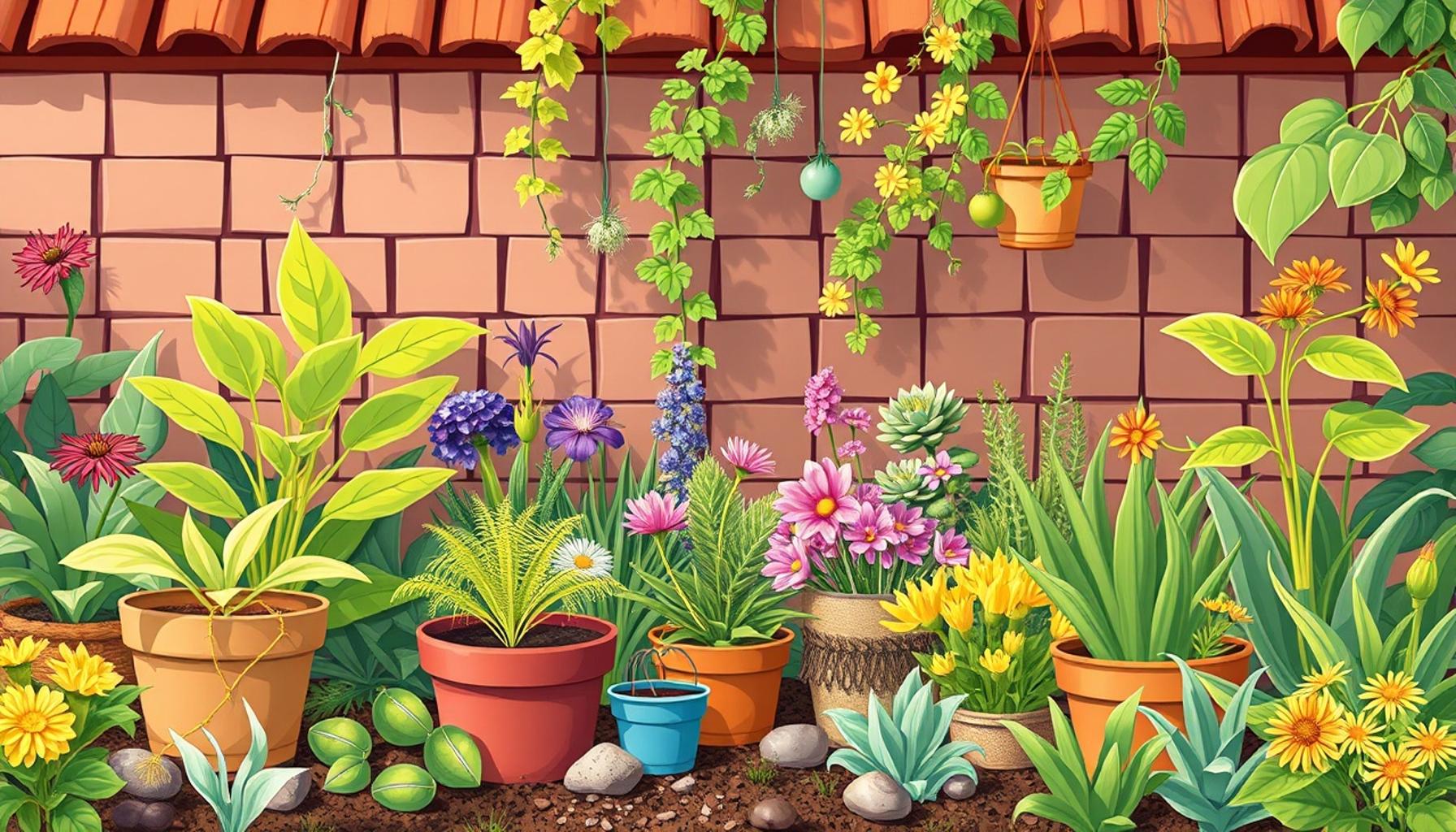
- Vertical Gardening: Consider adding vertical elements to your garden design, such as wall planters or tiered shelves. This approach maximizes space and visually elevates your succulent arrangement, creating an engaging display while making care more convenient.
- Framing with Hardscape: Utilize stones or gravel as part of your garden’s visual appeal. Hardscape elements such as decorative rocks can create texture and structure while reducing the need for regular weeding, as they help suppress undesirable growth.
Moreover, the right arrangement can improve airflow and light exposure for each plant, leading to healthier growth. For example, taller varieties like Agave can serve as focal points towards the back of the garden bed, while smaller plants like Echeveria can brighten the front, allowing each to shine without overshadowing their neighbors.
Seasonal Considerations for Sustained Growth
While succulents are renowned for their ability to endure various environmental conditions, awareness of seasonal changes can further enhance your gardening experience. Here’s how to prepare for changing seasons to maintain a thriving low-maintenance garden:
- Adjust Watering in Winter: During winter, many succulents enter a dormancy phase, requiring less water. This shift reduces the risk of overwatering, which can lead to root rot. Be sure to scale back your watering frequency in line with changing temperatures.
- Protect Against Frost: In regions prone to frost, consider bringing sensitive varieties like Aloe Vera indoors during colder months. Alternatively, cover outdoor plants with frost cloth or move pots closer to sheltered areas, ensuring their survival through chilly temperatures.
- Monitor for Pests: Despite their hardiness, succulents can fall victim to pests like mealybugs or aphids. Regularly inspect your plants, especially in warmer months, and treat any infestations promptly with organic insecticidal soap, keeping your low-maintenance garden holistic and thriving.
By thoughtfully designing your succulent garden layout and being proactive about seasonal adjustments, you will not only create an inviting low-maintenance garden but also one that flourishes beautifully year-round. As you dive deeper into the world of succulent gardening, you may discover unique varieties that captivate your interest even further, enriching your gardening experience.
DISCOVER MORE: Click here to learn about mulching benefits
Conclusion: Embrace the Beauty of Succulents for Effortless Gardening
Your journey into creating a low-maintenance garden at home with succulents can be both rewarding and inspiring. By thoughtfully selecting your succulent varieties and designing a coherent layout, you can assemble a striking and sustainable garden that requires minimal upkeep. Remember, the beauty of succulents lies not only in their resilience but also in their stunning variety, ranging from the vibrant hues of Echeveria to the striking forms of Agave. Each selection contributes to an aesthetic that transforms your outdoor space, providing both beauty and tranquility.
As you cultivate your garden, keep in mind seasonal adjustments and care routines; understanding these nuances will enhance the longevity of your plants and the overall enjoyment of your gardening experience. Whether you are positioning your succulents for optimal sunlight, grouping them by water needs, or utilizing hardscape elements for structure, each decision adds a layer of creativity to your garden.
Moreover, consider the unique environmental conditions of your home and local climate, as these factors play a significant role in the success of your succulent garden. Dive deeper into research about individual species and their compatibility to discover endless possibilities that cater to your personal preferences and aesthetic goals.
Ultimately, stepping into the world of succulent gardening encourages you to express your creativity and embrace sustainable practices. By selecting the right succulent varieties and approaching your garden design thoughtfully, you will not only cultivate a low-maintenance garden but also a breathtaking natural retreat that thrives year-round.