How to Use Automated Irrigation Systems in Small Gardens
The Joy of Automated Irrigation Systems
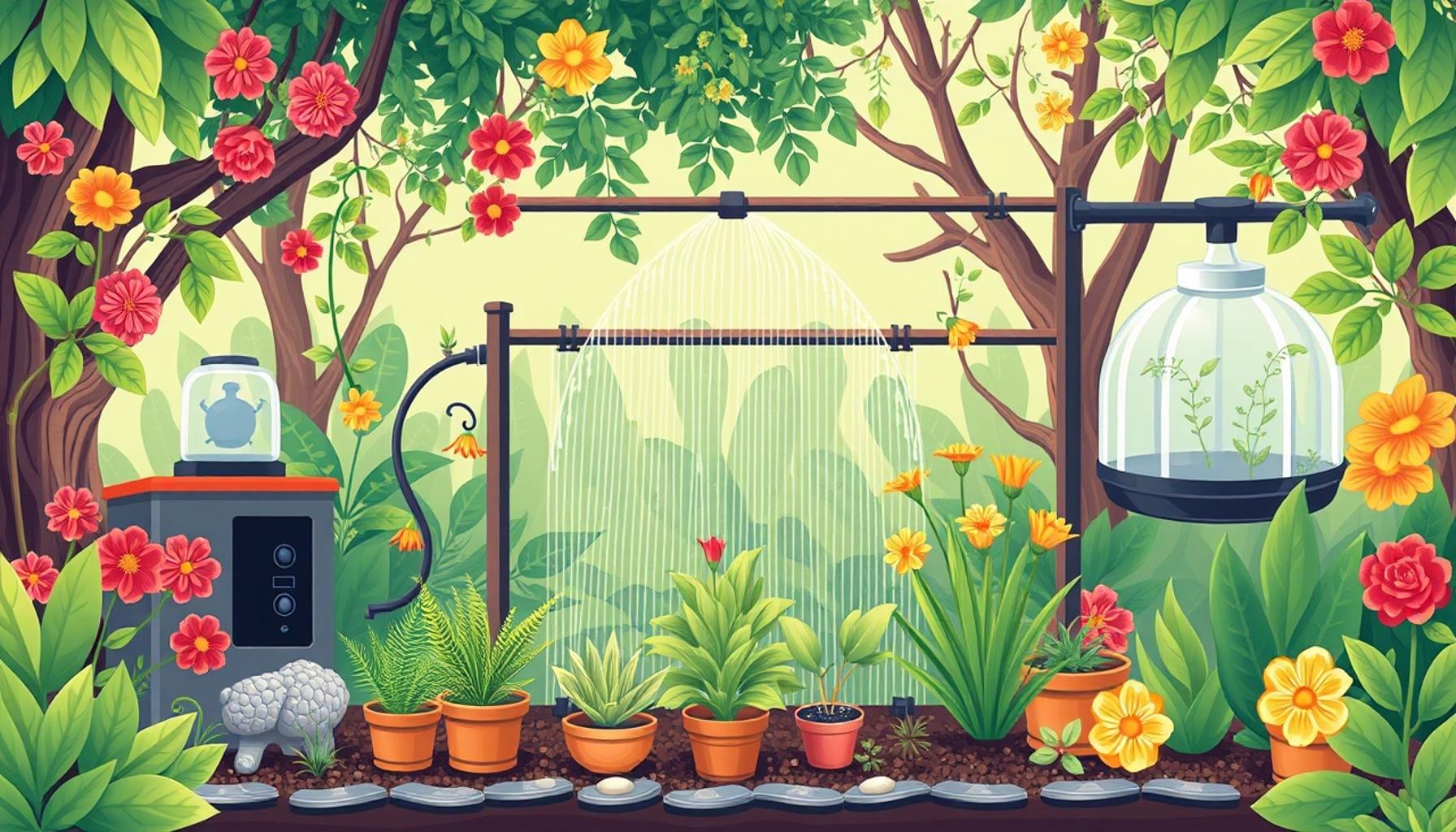
Managing a small garden can be a delightful yet challenging endeavor, especially when it comes to watering. Automated irrigation systems offer a practical solution to ensure your plants receive consistent hydration without the daily hassle of manual watering. Imagine not having to rush home after a long day at work to ensure your plants are adequately watered. This convenience allows you to focus on other gardening tasks, such as planting, pruning, and enjoying your green sanctuary.
These systems can save you time, effort, and resources. Here are a few key benefits of using automated irrigation systems:
- Efficiency: Targeted watering minimizes waste. For instance, drip irrigation systems deliver water directly to the root zone where plants need it most, significantly reducing evaporation and runoff. This efficiency can lead to up to 50% less water usage compared to traditional sprinklers.
- Convenience: Schedule watering at your convenience. Most automated systems come with programmable timers that allow you to set specific watering days and times. This means that whether you’re on vacation or just busy with life, your garden will continue to thrive unnoticed.
- Adaptability: Systems can be tailored to fit any garden layout. Whether you have a small urban balcony garden or a sprawling backyard, these irrigation systems can be custom-designed to suit the unique contours and requirements of your space.
As the climate continues to change, the need for efficient gardening methods becomes even more important. Seasonal shifts have made certain parts of the United States more susceptible to drought, making water conservation a priority for responsible gardeners. By implementing automated irrigation, you’re not just ensuring your plants survive, but you’re also playing a role in the broader conversation about sustainable practices.
This guide will introduce you to the essentials of automated irrigation systems for small gardens, including various options available on the market, installation tips, and maintenance procedures to keep your system running smoothly. From simple hose timers to sophisticated smart irrigation systems that adjust based on weather forecasts, there is a solution for every gardener.
By optimizing your garden’s irrigation, you’ll not only enhance productivity by preventing over or under-watering but also contribute to critical water conservation efforts. Ready to explore the possibilities? Let’s dive into the world of automated irrigation and transform your small garden into a lush paradise. Engaging with these innovative solutions could very well set you on a path to becoming a more sustainable gardener while enhancing the beauty of your outdoor space.
LEARN MORE: Click here for essential tips on preparing your garden soil
Choosing the Right Automated Irrigation System for Your Small Garden
When it comes to selecting an automated irrigation system for your small garden, understanding the different types available on the market is crucial. Not all systems are created equal, and choosing the right one can greatly enhance your gardening experience while ensuring your plants receive the optimal hydration they need. Here’s a breakdown of some popular systems you might consider:
- Drip Irrigation: Ideal for gardens with specific plants that require distinct moisture levels, drip irrigation systems deliver water slowly and directly to the plant roots. This system reduces water waste and minimizes evaporation, making it one of the most efficient options for small spaces.
- Soaker Hoses: These porous hoses allow water to seep out slowly along their length. They are an excellent option for evenly watering flower beds or vegetable gardens. Soaker hoses can be easily connected to a timer for automation, allowing you to set specific watering schedules.
- Sprinkler Systems: While typically associated with larger landscapes, there are compact options available for small gardens. Smart sprinkler systems can adjust their watering cycles based on real-time weather data, further optimizing water usage.
- Smart Irrigation Controllers: These advanced systems vary watering schedules based on real-time weather data, soil moisture levels, and even plant types. They often integrate with smartphone apps, providing you with remote control and monitoring capabilities.
With a range of options at your disposal, the best choice for your garden will depend on several factors, including the types of plants you’re growing, the layout of your garden, and your local climate conditions. For instance, if you’re cultivating drought-resistant plants, a drip irrigation system might be most beneficial due to its focused watering method. On the other hand, if you have a variety of flowers and vegetables that thrive on evenly distributed moisture, soaker hoses could be your best ally.
Before installation, it’s important to plan the layout of your irrigation system. Mapping out your garden and identifying plant groupings can help determine the most effective way to install the system. Consider the following tips for creating an effective irrigation layout:
- Identify Plant Zones: Group plants with similar watering needs together. This will allow you to customize watering schedules based on specific moisture requirements.
- Evaluate Sun and Shade Levels: Understand which areas of your garden receive full sun and which are shaded. This knowledge can help you adjust watering schedules based on evaporation rates.
- Consider Water Pressure: Check your water pressure to ensure your irrigation system can operate efficiently. Low pressure can lead to inadequate watering, while high pressure can damage certain components.
By taking the time to choose the right automated irrigation system and planning its layout effectively, you can significantly increase the efficiency of your small garden. This not only conserves water but also enhances the overall health and vitality of your plants, allowing you to create a thriving green oasis with minimal effort.
Automated irrigation systems present a revolutionary approach to managing water consumption in small gardens. As gardeners become increasingly aware of environmental sustainability, adopting these systems is an effective solution to conserving water while ensuring plants receive the necessary hydration. One of the standout features of automated irrigation is its precision watering. These systems can be programmed to deliver the exact amount of water required by each plant, significantly reducing water waste. For example, using a drip irrigation system, water can be directed straight to the roots, minimizing evaporation and runoff. This not only benefits thirsty plants but also encourages healthier growth by preventing overwatering, which can lead to root rot and other issues.Moreover, timing and scheduling options enhance the functionality of automated systems. Gardeners can set their irrigation to operate during early morning or late evening, optimizing water absorption. Automated systems can also adjust for rainfall, ensuring that water is applied only when necessary. This smart technology also frees gardeners from the mundane task of manual watering, allowing them to focus on other important gardening duties. When considering the installation of an automated irrigation system, it’s essential to choose a setup that accommodates the unique layout and plant types in your garden. Whether opting for a timer-based sprinkler system or a more advanced smart irrigation controller, understanding the specific needs of your garden will lead to the best results. Additionally, integrating soil moisture sensors can further enhance irrigation efficiency, creating a balanced watering schedule tailored to the specific conditions of your garden. This level of control and insight reduces not only water usage but also utility costs, making automated systems not just an environmentally friendly choice, but also an economical one. Implementing an automated irrigation system in your small garden not only supports plant health but also contributes to a more sustainable and efficient gardening approach. As technology advances, staying informed on the latest irrigation solutions will enable you to refine your gardening practices further and yield flourishing results.
DISCOVER MORE: Click here for essential gardening tools that save space and money
Installing Your Automated Irrigation System
Once you’ve selected the ideal automated irrigation system for your small garden, the next step is installation. While it may sound daunting, setting up your system can be a straightforward task with proper planning and the right tools. Here is a comprehensive guide on how to successfully install your chosen system:
- Gather Your Supplies: Depending on the type of system you are installing, your supplies may include hoses, connectors, emitters, stakes, timers, and a pressure regulator. Ensure you have everything on hand before you begin to avoid interruptions during installation.
- Prepare the Area: Clear any debris or obstacles from your garden space. This ensures easy access while you lay out the irrigation components and makes adjustments simpler as you work.
- Lay Out Your Design: Use your garden map to lay out the hoses, emitters, or soaker hoses on the ground where you plan to place them. This visual representation helps visualize the water distribution and ensures no plants are overlooked.
- Connect Components: Assemble your irrigation components based on your layout. For drip irrigation systems, this may involve connecting emitters to the main line according to the needs of your specific plants. For soaker hoses, simply extend them alongside your plant rows.
Once everything is set up, it’s essential to perform a test run. Turn on the water supply to check for leaks or blockages, making any necessary adjustments. This is also a good time to observe water distribution. Make sure the plants receive adequate moisture and adjust the emitters or hoses accordingly for even coverage.
Setting Up a Watering Schedule for Optimal Results
An automated irrigation system shines brightest with a well-organized watering schedule tailored to your garden’s needs. Many systems, especially those with smart controllers, allow you to customize this schedule according to various factors. Here are steps to create an effective watering schedule:
- Monitor Soil Moisture: Understanding the moisture content of your soil is crucial in determining how frequently and deeply to water. Invest in a soil moisture meter for accurate readings, or use a simple finger test by inserting your finger into the soil to gauge dampness.
- Consider Plant Preferences: Different plants have varying water needs. For example, succulents and cacti require less frequent watering compared to vegetables and flowering plants. Tailor your schedule by grouping plants with similar requirements.
- Adjust for Weather Conditions: Your watering schedule should be adaptable based on weather patterns. Automated systems with smart controllers might automatically adjust based on local rainfall and current humidity levels, reducing water waste.
Setting a schedule generally involves running the irrigation system early in the morning or late in the evening to reduce evaporation losses. A good starting point is to water once or twice a week but adjust based on plant response and changing weather conditions. Make note of any signs of over or under-watering, such as wilting or yellowing leaves, and modify your schedule accordingly.
Maintenance of Your Automated Irrigation System
Finally, regular maintenance is essential to ensure your automated irrigation system operates smoothly throughout the growing seasons. Here are some tips for maintenance:
- Inspect Components: Regularly check hoses, emitters, and connections for wear, cracks, or blockages. Any apparent damage should be repaired immediately to avoid water loss or inadequate plant hydration.
- Flush the System: Depending on your water source, mineral deposits can accumulate over time. Make it a routine to flush your system periodically to clear out this buildup, keeping the water flow steady.
- Adjust for Seasonal Changes: As seasons change, so do the watering needs of your plants. Review and recalibrate your watering schedule before each growing season to ensure optimal plant health.
By taking these steps, you’re not only ensuring that your small garden remains vibrant and healthy, but you’re also maximally utilizing your automated irrigation system, creating a sustainable watering practice that conserves resources. Remember, a well-maintained system is key to a thriving garden and a successful gardening journey.
DIVE DEEPER: Click here to discover eco-friendly watering techniques
Conclusion
Incorporating an automated irrigation system into your small garden is not just a time-saving solution, but also a vital step toward sustainable gardening practices. By efficiently managing your water supply, you can promote healthier plants while conserving this precious resource. With the right knowledge and tools, installing and maintaining these systems can be a straightforward and rewarding experience.
Remember, the keys to success lie in understanding your garden’s unique needs—from soil moisture levels to plant preferences—and regularly adapting your watering schedule to reflect seasonal changes and weather variations. By embracing this proactive approach, you can ensure that your plants receive just the right amount of water they require to thrive.
Additionally, regular system maintenance—such as inspecting components, flushing for debris, and recalibrating settings—will keep your automated system functioning optimally. This not only maximizes its efficiency but also extends its lifespan, providing you with consistent performance for your gardening endeavors.
The integration of automated irrigation systems empowers gardeners, big or small, to take control of their watering practices with confidence. As you explore the potentials of your small garden, let your automated system be a cornerstone of innovation, efficiency, and sustainability. Dive deeper into the world of smart gardening techniques, and watch your small garden blossom into a bountiful oasis!