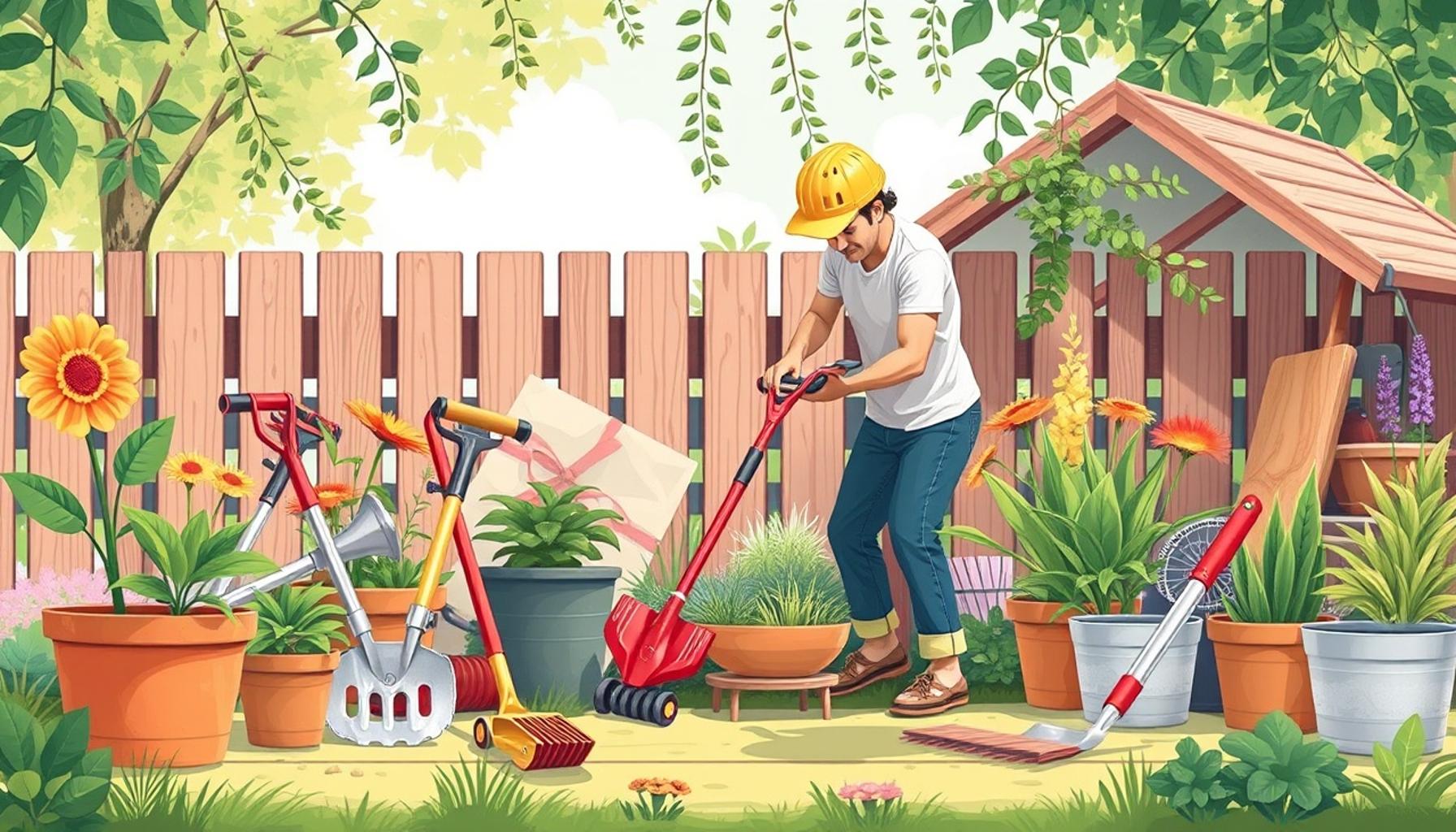
The Importance of Ergonomic Tools in Preventing Gardening Injuries
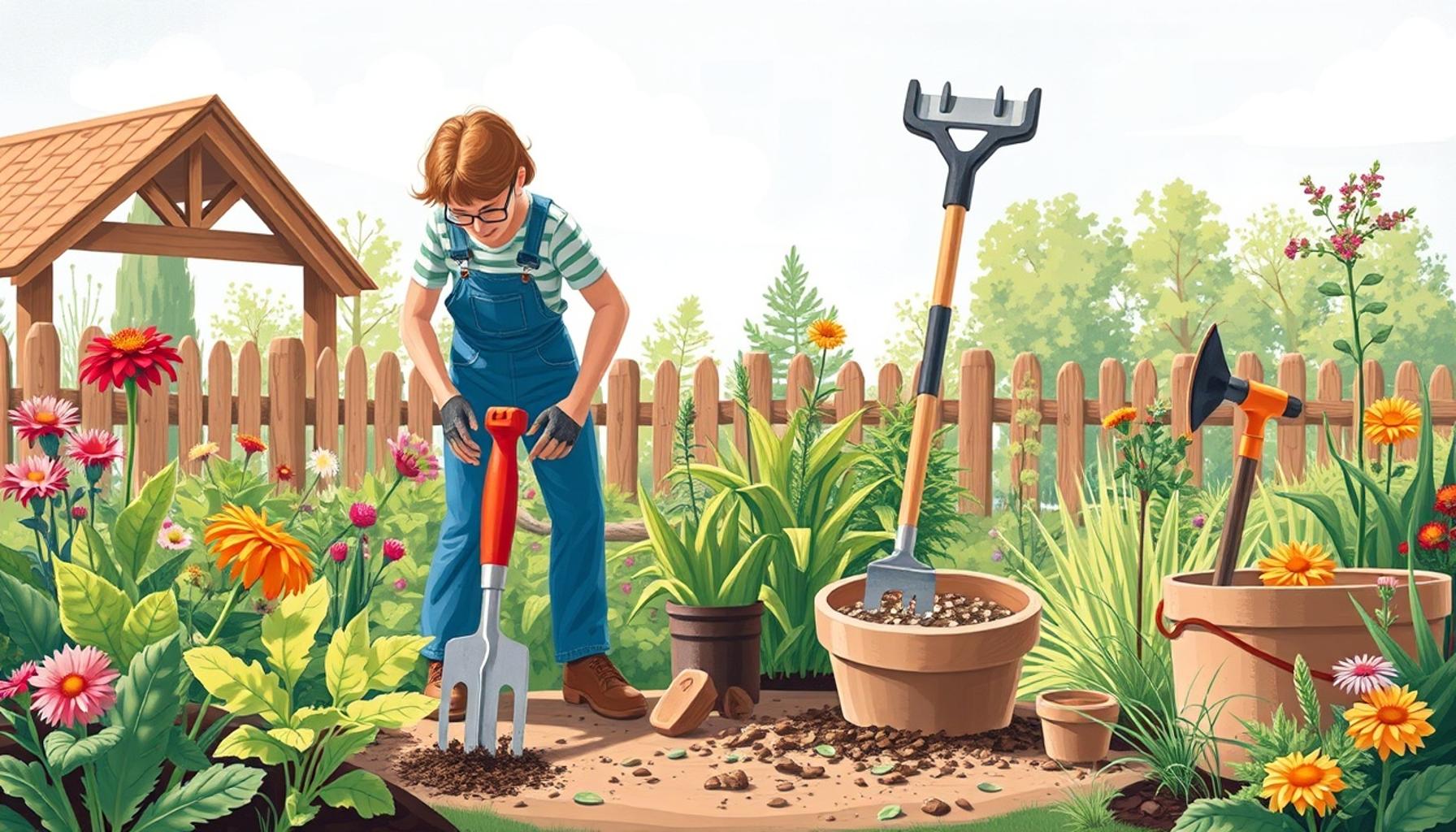
The Importance of Ergonomics in your Gardening Routine
Gardening is a treasured hobby for many individuals across the United States. It not only provides a wonderful escape into nature but also allows for personal creativity and enjoyment of fresh produce. However, many enthusiasts may neglect to consider the physical demands that gardening entails. Engaging in extended periods of digging, planting, and weeding without the right tools can lead to a multitude of injuries and discomfort. Enter ergonomic tools, which act as vital partners in promoting a safer and more enjoyable gardening experience for gardeners of all levels.
Why Ergonomic Tools Matter
The proactive use of ergonomic gardening tools can lead to significant enhancements in comfort and injury prevention. Here’s how these tools positively impact your gardening experience:
- Reducing Muscle Strain: Ergonomic tools are typically designed to distribute weight evenly across your body, alleviating pressure on specific muscle groups. For example, a shovel with a curved handle allows for a more natural wrist position, reducing strain during digging.
- Improving Posture: Many ergonomic tools are structured to promote better body alignment, ensuring that your posture remains upright and healthy. This can diminish back pain and encourage a more fluid gardening motion.
- Lowering Injury Risk: By utilizing tools that fit your body properly and are suited to your gardening tasks, the likelihood of common injuries such as tendonitis, carpal tunnel syndrome, and chronic back pain can be significantly reduced.
When reflecting on the diverse tasks involved in gardening—such as loosening soil, planting seeds, and pulling weeds—it’s clear that repetitive motions can take a toll over time. Prioritizing ergonomic tools, therefore, not only enhances the enjoyment of gardening but also plays a critical role in preserving long-term health and wellness.
What to Look For
Choosing ergonomic gardening tools requires attention to specific features that enhance usability and comfort. Here are several considerations to keep in mind:
- Handles with Grip: Seek out tools equipped with padded or contoured grips, which provide better grip and comfort while reducing pressure on your hands and wrists. This can be especially beneficial when using tools for extended periods.
- Adjustable Lengths: Many ergonomic tools come with adjustable handles, accommodating users of different heights and minimizing the need to bend excessively. This can significantly reduce stress on your back and knees while working in your garden.
- Lightweight Materials: Opt for tools made from lightweight materials, such as aluminum or fiberglass, which ease fatigue, especially during prolonged use. A lighter tool allows for greater maneuverability and reduces the strain associated with lifting heavy objects.
Exploring the advantages of ergonomic tools could ultimately transform your gardening experience. As you seek to connect with nature and express creativity, remember that safeguarding your health with the right equipment can lead to increased satisfaction and less physical strain. Take the plunge into the world of ergonomic gardening and discover the profound ways these tools can change your relationship with your garden!
DISCOVER MORE: Click here for effective pest control strategies
Understanding the Impact of Improper Tools
As gardening enthusiasts delve into their passion, the importance of using the right tools often becomes an afterthought. However, the reality is that utilizing non-ergonomic tools can lead to a range of issues, from minor aches to debilitating injuries. A study conducted by the National Institute for Occupational Safety and Health (NIOSH) highlights that many gardening-related injuries stem from repetitive motions and awkward postures. Recognizing this connection can set the stage for safer practices in your gardening routines.
The Consequences of Ignoring Ergonomics
The consequences of overlooking ergonomics in gardening can be serious and far-reaching. Common issues faced by gardeners include:
- Tendonitis: This painful condition arises from inflammation of the tendons due to repetitive use. Gardeners who perform the same actions—like digging and weeding without breaks—may find themselves suffering from tendonitis, especially in the wrists and elbows.
- Carpal Tunnel Syndrome: Another frequent issue, carpal tunnel syndrome occurs when pressure is applied to the median nerve in the wrist, leading to discomfort and tingling. The use of incorrect tools that force an awkward grip can exacerbate this condition over time.
- Back Pain: Poor posture and excessive bending while gardening contributes significantly to back pain. Using tools not designed for ergonomic support can lead to long-term spinal issues and severe discomfort.
- Knee Problems: For those who kneel or squat while planting or weeding, improper support or lack of padding can lead to strain on the knees, causing both immediate discomfort and long-term joint problems.
These potential injuries can create substantial setbacks, not only affecting your ability to garden but also impacting overall quality of life. The U.S. Gardening Industry reports that the average gardener enjoys around 34 hours a year tending to their plants. Introducing ergonomic tools can play a significant role in extending this enjoyment and ensuring a more sustainable practice long-term.
Enhancing Your Gardening Experience
Transitioning to ergonomic gardening tools doesn’t just prevent injuries; it can fundamentally transform the enjoyment you experience while gardening. With tools designed to fit your body and its natural movements, you can engage in your gardening tasks with greater enthusiasm and less fatigue. Consider how ergonomic innovations—like cushioned handles, adjustable heights, or lightweight materials—allow gardeners to work longer and more comfortably.
Incorporating ergonomic gardening tools provides an invitation to embrace gardening as a healthy and rewarding hobby rather than a potential source of pain. So, as you cultivate your garden, think of the tools you use as essential partners in your journey. By choosing wisely, you will not only enjoy a richer gardening experience but also protect your body and ensure that you can cultivate your green thumb for many years to come.
| Ergonomic Tools | Advantages |
|---|---|
| Ergonomic Hand Tools | Designed to fit the natural grip of your hand, reducing strain. Ideal for prolonged use. |
| Adjustable Garden Kneelers | Provide support and comfort while kneeling, minimizing pressure on joints and enhancing stability. |
| Long-Handled Tools | Allow you to maintain a standing position, preventing unnecessary bending and back strain. |
| Comfort-Grip Gloves | Reduce blistering and provide a secure grip, decreasing the likelihood of accidents during gardening tasks. |
Ergonomic tools</ are not just accessories; they are essential for every gardener aiming to enjoy their hobby without the fear of injuries. Investing in ergonomic equipment means prioritizing your health while enhancing productivity and enjoyment in the garden. Properly designed tools promote better posture, decrease muscle fatigue, and ultimately encourage longer periods of gardening activity. Moreover, using these tools can significantly decrease the risk of chronic issues such as arthritis or back pain which are common among gardeners. The right tools can also lead to improved garden results by allowing for greater precision and control, translating into a more satisfying gardening experience. This highlights the need for serious consideration when selecting gardening tools for both novice and seasoned gardeners alike. With the right ergonomic tools at your disposal, you'll not only protect your body but also improve your overall gardening efficiency.
DIVE DEEPER: Click here to learn about soil types and plant selection
Choosing the Right Ergonomic Tools
To truly harness the benefits of ergonomic tools, it is essential to know what to look for when selecting your gardening implements. Ergonomic tools are specifically designed to align with the body’s natural movements, minimizing strain and promoting comfort. Here are some features to consider when choosing the right ergonomic gardening tools:
- Adjustable Handles: Look for tools with adjustable lengths. This feature can accommodate users of different heights and reduce the need to bend excessively or stretch uncomfortably.
- Cushioned Grips: Tools with padded or contoured handles provide more comfort during prolonged use. They help to reduce stress on the hands and fingers, significantly lowering the risk of conditions like carpal tunnel syndrome.
- Lightweight Materials: Opt for tools made from lightweight materials such as fiberglass or aluminum, which make it easier to maneuver while minimizing fatigue.
- Rotating or Pivoting Heads: Some modern tools come with heads that can rotate or pivot, allowing for a more ergonomic wrist position while digging or weeding. This flexibility can greatly enhance your gardening efficiency.
Moreover, many manufacturers now incorporate scientific research into the design of these tools, using data from physical therapy specialists to ensure that every aspect is centered on reducing strain. For example, the American Occupational Therapy Association encourages the use of tools that promote neutral wrist positions and reduce overall joint stress. As a result, many gardeners are finding improved comfort and performance in their daily tasks.
Innovation in Ergonomics: Tools that Do More
The gardening industry has also witnessed a surge in innovation aimed at enhancing ergonomics. Companies are investing in research and development to create advanced tools that not only address common injuries but also enhance the overall gardening experience. For instance, ergonomic wheelbarrows with modified handles allow for better weight distribution, reducing the strain on the back and arms while transporting soil or plants.
Additionally, gardening kneelers and seats with built-in support can transform strenuous tasks into more manageable activities. These designs support the knees while providing a comfortable surface for planting or weeding, allowing gardeners to work for longer periods without discomfort.
Finally, the growing availability of ergonomic kits, which bundle several hand tools with ergonomic features, allows gardeners to easily transition to safer equipment in one fell swoop. This holistic approach ensures that every tool in your gardening arsenal contributes to a pain-free experience.
As ergonomic gardening tools become more accessible and widely understood, their impact on preventing injuries cannot be overstated. With careful selection and a commitment to prioritizing ergonomic designs, gardeners can significantly enhance their physical well-being while cultivating their beloved plants. By making informed choices today, gardeners across the United States can enjoy a fruitful and injury-free gardening journey for years to come.
DISCOVER MORE: Click here for effective pest control strategies
Conclusion: Embracing Ergonomics for a Healthier Gardening Experience
In conclusion, the significance of ergonomic tools in preventing gardening injuries cannot be emphasized enough. As gardening enthusiasts across the United States engage in this rewarding pastime, the risk of injuries due to repetitive motions and poor tool design remains a pressing concern. By adopting tools engineered with ergonomic principles, gardeners can substantially lower their chances of strain, pain, and long-term musculoskeletal issues.
From adjustable handles to lightweight materials and cushioned grips, these thoughtfully designed implements aim to enhance comfort and efficiency, ensuring that gardeners can spend more time enjoying their gardens instead of nursing aches and pains. Furthermore, as the gardening industry continues to innovate and prioritize ergonomics, the availability of comprehensive ergonomic kits offers a seamless transition for those looking to upgrade their gardening arsenal.
Ultimately, investing in ergonomic tools is not just an investment in equipment; it’s an investment in health and well-being. Gardeners should take the time to explore and educate themselves about available ergonomic options and consider how these tools can transform their gardening experience. By making informed choices today, the joy of gardening can be enjoyed for many years to come, free from the burden of injury. Therefore, let us cultivate our gardens wisely, with ergonomics at the forefront of our gardening practices.