The Influence of Genetics on Skin Aging: What We Can Learn and Apply in Our Routines
The Role of Genetics in Skin Aging
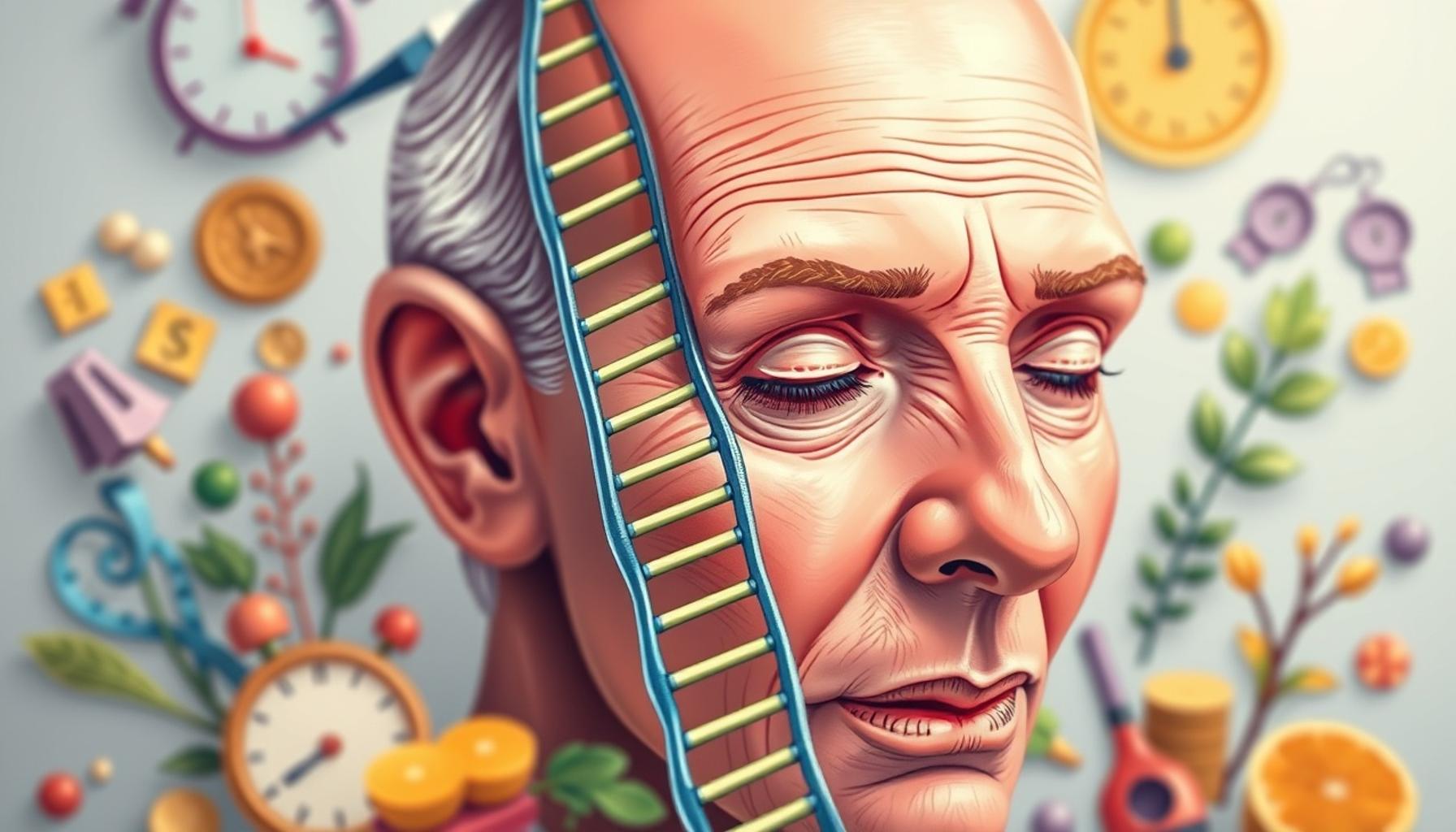
Skin aging is an inevitability of life, but the extent and manner in which our skin ages can vary widely based on individual genetic makeup. Recent studies are shedding light on the significant impact of our genes in determining not just how our skin looks, but how it functions throughout our lives. Understanding these genetic influences empowers us to develop targeted strategies to mitigate the effects of aging.
One of the critical components influenced by genetics is collagen production. Collagen serves as the backbone of skin, providing essential structure and elasticity. As we age, the body’s collagen production naturally declines; however, the rate of this decline can be significantly influenced by our genetic predisposition. For instance, individuals with a family history of sagging skin may find that they produce collagen at a slower rate than others, leading to premature aging signs.
Another significant factor is skin thickness, which also varies by genetics. Research has shown that certain genetic markers are associated with thicker skin, which is less prone to wrinkles and fine lines. The implication is clear: those with genetically thinner skin may notice signs of aging sooner. For example, lighter skin types, often prevalent in individuals of Northern European descent, tend to age differently compared to those with thicker, darker skin tones common among many ethnic groups. This knowledge can empower individuals to make informed choices about their skincare routines.
Sun sensitivity is another area profoundly affected by genetic factors. Some individuals possess genetic traits that make them more susceptible to UV damage, leading to pigmentation, spots, and increased risk of skin cancers. Understanding one’s level of sun sensitivity can be critical in shaping sun care practices, such as the type and frequency of sunscreen application, especially for those with a family history of skin cancer.
While we cannot alter our genetic inheritance, there are steps we can take to manage the aging process effectively. Knowledge is key. By identifying your unique genetic risks and characteristics, you can tailor your skincare routine to address specific concerns. For example:
- Skincare tailored to skin type: Selecting products that cater to your skin’s genetic needs—such as collagen-boosting serums for those with a predisposition to sagging—can significantly enhance your skin’s appearance.
- Sun protection: Individuals with high sun sensitivity should prioritize broad-spectrum sunscreens and protective clothing to mitigate the adverse effects of sun exposure.
- Diet and hydration: Nutritional choices can play a robust role; foods rich in antioxidants can combat cellular damage and support skin health. It’s essential to consume a balanced diet that includes vitamins C and E, omega fatty acids, and adequate hydration to keep skin supple.
By examining the intricate relationship between genetics and skin aging, we open the door to personalized skincare solutions that can enhance our resilience against the signs of aging. As we cultivate a deeper understanding of our individual genetic narratives, we can take proactive steps towards maintaining youthful, healthy skin. With this knowledge, consumers can explore a range of products and practices that align with their unique skin profiles, ultimately leading to better outcomes and increased skin vitality as they age.
DISCOVER MORE: Click here to learn about hydration and youthful skin
Understanding Genetic Markers of Skin Aging
The intricacies of our genetic makeup extend well beyond inherited traits such as eye color or height; they play a pivotal role in how our skin ages. Genetic markers associated with skin aging can provide invaluable insights into how we might personalize our skincare routines. For instance, recent genetic research has identified specific polymorphisms—variants in DNA that can affect various functions in the body—that correlate with the skin’s aging processes. Understanding these genetic markers can offer clues on everything from predisposition to wrinkles to skin texture.
One significant area of study revolves around the expression of genes related to inflammation and oxidative stress. Studies have shown that individuals who carry certain genetic variations may experience chronic inflammation, a condition linked to greater skin damage over time. For them, including anti-inflammatory skincare ingredients like niacinamide or incorporating dietary antioxidants could prove beneficial. The goal is to counteract the inflammatory processes that lead to accelerated skin aging.
In addition to inflammation, the genes that regulate melanin production also merit attention. Melanin is responsible for skin pigmentation and acts as a natural UV protector. Genetic predispositions to higher melanin production often result in reduced risk of sun-induced damages, such as age spots and leathery skin. Conversely, those with lower melanin levels might find themselves needing stronger sunscreen and additional protective measures against UV exposure. With proper understanding, individuals can adjust their sun care practices accordingly.
Key Genetic Factors to Consider
Here are some crucial genetic factors that may influence your skin aging process:
- Collagen-related genes: Variations in genes that influence collagen synthesis can lead to differing rates of skin elasticity and firmness.
- DNA repair genes: Some individuals possess more efficient DNA repair mechanisms, which can slow down the aging process by combating the effects of environmental exposure.
- Skin barrier function genes: Genetic differences might dictate how well skin retains moisture and defends against pollutants, impacting overall skin health and how early aging signs appear.
- Telomere length: Telomeres, which cap chromosomes, shorten as cells divide. Genetic predispositions to longer telomeres may offer added longevity to skin cell renewal processes.
By identifying these genetic factors, individuals can better understand their skin’s vulnerabilities and strengths. Embarking on the journey towards a more personalized skincare regimen isn’t just about following trends; it’s about leveraging what science has revealed about our unique genetic compositions. This meticulous approach to skincare can empower individuals to take steps that are not only informed but also tailored to combat the signs of skin aging effectively.
As we delve deeper into these genetic influences, it becomes increasingly evident that being aware of our genetic predispositions can guide us in selecting targeted treatments and preventive measures—a key aspect in the pursuit of youthful, vibrant skin.
The Influence of Genetics on Skin Aging
Understanding the genetic factors that contribute to skin aging is essential for developing effective skincare routines. Various studies highlight that genetic predisposition significantly influences how our skin appears as we age. For instance, individuals may inherit genes that determine the skin’s elasticity, collagen production, and even the rate at which their skin ages. Those with a family history of youthful skin tend to show similar traits, indicating that our genetics play a pivotal role in skin health.
Collagen and Elasticity
Collagen, a protein responsible for skin structure and elasticity, diminishes as we grow older. The genetic factors that affect collagen synthesis can lead to earlier signs of aging in some individuals compared to others. Additionally, variations in genes related to the extracellular matrix can dictate how resilient or prone to sagging one’s skin may become with age. By understanding these genetic markers, one can tailor skincare routines to accommodate these natural changes, ensuring better upkeep of skin vitality.
Environmental Interaction
Moreover, genetics can also modulate how our skin reacts to environmental factors such as sun exposure and pollution. Certain genetic profiles may provide an advantage in fighting against oxidative stress, which is a significant contributor to skin aging. Those genetically predisposed to better UV protection may require less intensive sun care or anti-aging products. On the other hand, individuals who don’t have such advantages may need to take more proactive measures in their skincare routines to counteract the damaging effects of these external factors.
Learn and Apply
Incorporating knowledge of genetic influences into our skincare practices can significantly enhance their efficacy. Recognizing one’s skin type and understanding how genetics interact with environmental factors can guide personalized skincare approaches. For instance, if someone is genetically prone to faster skin aging, they might benefit from a regimen that includes enhanced hydration, antioxidants, and targeted anti-aging ingredients like retinoids or peptides.Ultimately, by delving into the genetic underpinnings of skin aging, we can better equip ourselves with the knowledge necessary to combat the signs of aging efficiently and effectively. Tailoring routines according to these insights allows for a proactive rather than reactive approach to skincare.
| Genetic Factors | Impact on Skin Aging |
|---|---|
| Collagen Production | Directly influences skin elasticity and firmness |
| Oxidative Stress Resistance | Affects how skin responds to environmental damage |
By diving into these genetic considerations, readers can become more informed and make educated choices about their skincare, ultimately leading to healthier, more youthful-looking skin.
DISCOVER MORE: Click here to learn about sustainable beauty trends
The Role of Lifestyle and Environmental Factors in Genetic Expression
While genetics play a crucial role in skin aging, it is essential to acknowledge that lifestyle choices and environmental factors can significantly influence how these genetic predispositions manifest. The field of epigenetics—the study of changes in gene expression that do not involve alterations to the underlying DNA sequence—suggests that external factors can modify which genes are turned on or off, thereby impacting our skin’s aging process.
For instance, a person who is genetically predisposed to develop fine lines may find that smoking—or exposure to secondhand smoke—exacerbates this tendency due to the oxidative stress and inflammation triggered by tobacco. Harsh weather conditions, such as excessive sun exposure or extreme cold, can also magnify those genetic vulnerabilities, leading to accelerated aging. In the United States, where UV exposure can be intense, it becomes increasingly important for individuals with a low melanin predisposition to adopt stringent sun protection measures. Products boasting SPF (sun protection factor) can mitigate these risks significantly.
Another significant factor is nutrition. Certain dietary habits can either support or hinder skin aging. Individuals carrying genes that promote increased collagen breakdown may benefit from a nutrient-rich diet high in vitamins C and E, which are known for their antioxidant properties and role in collagen synthesis. Foods such as citrus fruits, nuts, and leafy greens can work wonders for skin health. Moreover, incorporating omega-3 fatty acids from sources like salmon or flaxseeds can enhance skin hydration and reduce inflammation, catering to those with genes predisposed to dry skin.
Exercise and Sleep: The Unsung Heroes
Surprisingly, two often-overlooked factors—exercise and sleep—can play a role in how genetics impacts skin aging. Engaging in regular physical activity promotes blood circulation and nutrient delivery to the skin, helping to counteract some of the effects of genetic predispositions towards sagging or dullness. Studies show that consistent exercise not only enhances physical appearance but also contributes to a healthier skin barrier and reduced stress levels, the latter of which can influence gene expression related to skin aging.
Equally vital is the quality of sleep. Our skin undergoes repair and regeneration during sleep, and a lack of adequate rest can lead to an increase in stress hormones like cortisol, which in turn can exacerbate skin aging. Individuals with genetic markers that predispose them to inflammation or a weakened skin barrier may find it even more critical to prioritize restorative sleep as a part of their anti-aging regimen. Strategies such as maintaining good sleep hygiene and creating a peaceful nighttime routine can assist anyone in reaping the benefits of this often underestimated reset period.
Personalized Skincare Regimen: The Future of Anti-Aging
Incorporating knowledge of these genetic and environmental factors can lead to a more tailored and effective skincare routine. Dermatologists are increasingly recommending genetic testing as a way for patients to understand their unique skin profiles better. Armed with this information, consumers can choose products that align with their genetic predispositions, such as those that boost collagen production or combat oxidative stress. Furthermore, integrating personalized formulations based on individual genetic makeup could reshape the skincare industry, moving toward a more effective, bespoke approach to combating skin aging.
As research continues to unfold, the crossroads between genetics and lifestyle becomes clearer, presenting exciting opportunities for enhancing skincare routines. By taking a holistic approach that considers both genetic makeup and modifiable factors, individuals can position themselves not just to age gracefully, but to thrive in their skin’s journey through time.
DISCOVER MORE: Click here to enhance your skincare routine
Conclusion
Understanding the influence of genetics on skin aging opens up a fascinating dialogue about how to take proactive steps to maintain skin health. While our genetic makeup provides insight into our skin’s potential aging path, the interplay between lifestyle choices and environmental factors can significantly alter this trajectory. By embracing a holistic approach—balancing genetic insights with informed lifestyle decisions—we equip ourselves with tools to mitigate the signs of aging.
From integrating nutrient-rich diets and effective exercise routines to prioritizing sleep quality and sun protection, the onus for skin health increasingly shifts from the whims of nature to daily choices. The rising trend of personalized skincare regimens further emphasizes this shift, as individuals gain access to tailored products aligned with their unique genetic profiles. Tools like genetic testing can offer personalized insights that refine skincare strategies, ultimately leading to more effective outcomes in anti-aging treatments.
As we navigate this evolving landscape, continued research into genetics, epigenetics, and their implications for skin aging is vital. This knowledge not only enhances our understanding of the aging process but also empowers us to become advocates for our skin, making informed decisions that align with our individual needs. Ultimately, by interweaving our genetic understanding with health-conscious practices, we can embark on a journey not just towards aging gracefully, but towards thriving as we embrace the passage of time.