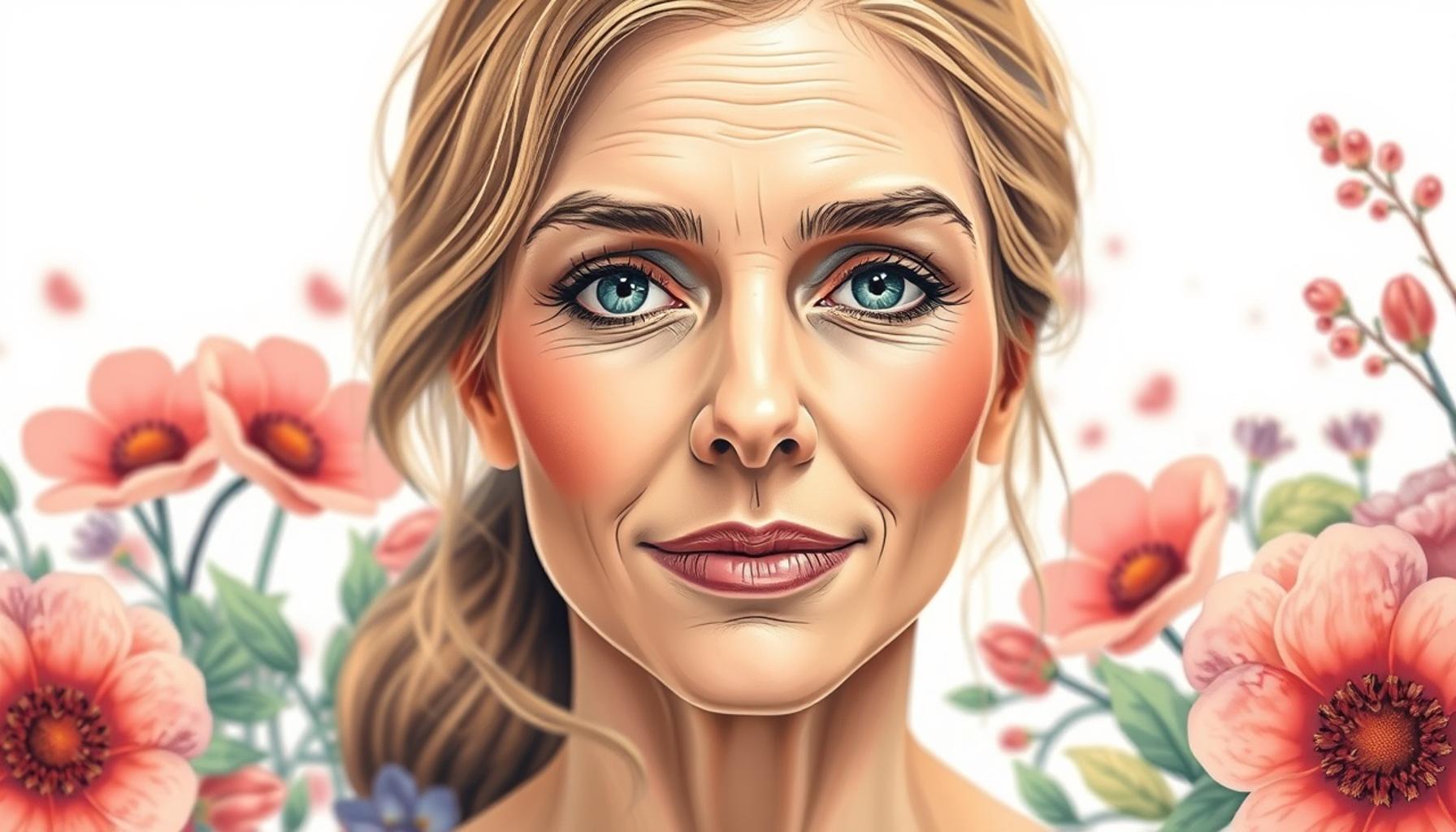
The Importance of Hydration in Maintaining Youthful Skin: Myths vs. Facts
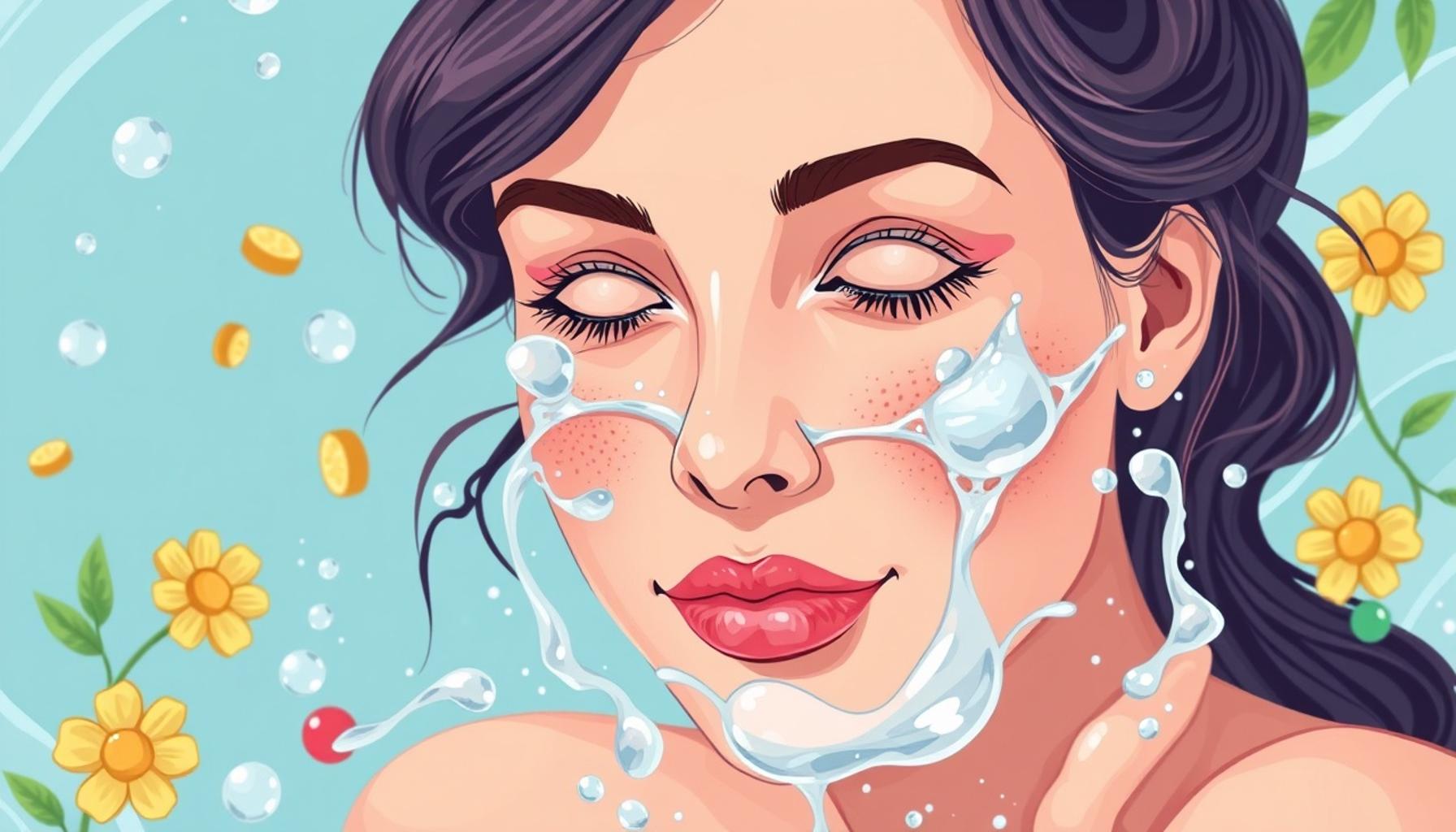
The Essential Role of Hydration in Skin Health
The significance of hydration in promoting youthful skin cannot be overstated. While many of us reach for creams and serums, we often overlook one of the simplest yet most effective strategies: drinking water. This article delves into the intricate relationship between hydration and skin appearance, cutting through the haze of common myths with evidence-based insights.
Myth vs. Reality: Unpacking Common Beliefs
There are numerous widely held beliefs regarding hydration and its effects on skin. For instance, the notion that drinking water prevents wrinkles is often quoted. While hydration is pivotal to skin elasticity and plumpness, it is important to note that aging is a multifactorial process influenced by genetics, UV exposure, and environmental factors.
Another prevalent idea is that moisturizers are enough to maintain skin hydration, which can lead to misconceptions about the necessity of water intake. While moisturizers are critical in locking in existing moisture, they cannot replenish the skin’s hydration levels without adequate water consumption from within.
Finally, there is the belief that skin type matters when it comes to hydration. For instance, individuals with oily skin might assume they need less water than those with dry skin. However, hydration is essential for all skin types, as even oily skin can become dehydrated, leading to increased oil production and potential breakouts.
Understanding the Facts
Considering these myths, let us look at some significant facts regarding hydration and its impact on skin health:
- Skin cells require water: Each skin cell needs adequate water to function optimally. Dehydrated skin can result in a dull appearance, leading to a lack of radiance and elasticity.
- Environmental factors: External elements such as pollution and climate can exacerbate dehydration. In areas with low humidity, such as certain parts of the United States, skin may dry out more rapidly and require extra care.
- Individual variations: Personal factors such as diet, physical activity, and even the season can affect hydration levels. For example, winter months often require increased fluid intake, as heating systems can dry out the air and skin.
As we dissect these myths and facts, it becomes evident that hydration plays a critical role in maintaining youthful skin. A glass of water may not be the sole miracle solution for all skin woes, but it certainly supports the foundation of a holistic skin-care routine.
In conclusion, staying adequately hydrated is an essential component of ensuring your skin remains vibrant and youthful. By dispelling outdated myths and focusing on science-backed facts, we invite readers to reassess their hydration habits and embrace the simplest yet most effective strategy for achieving radiant skin.
DISCOVER MORE: Click here to learn how to adapt your routine
Hydration: The True Foundation of Skin Vitality
A common misconception is that one can achieve glowing skin solely through topical products, yet the truth lies within. Hydration is not just a beauty trend; it is a biological necessity for maintaining skin elasticity and vibrancy. But how much water do we really need, and what are the implications of not consuming enough? Let’s delve into these questions and examine how hydration fundamentally supports skin function and appearance.
The average human body is composed of approximately 60% water, a crucial component for various physiological processes, including those impacting skin health. When our fluid intake dwindles, the skin often bears the brunt of these changes, leading to problems that could affect anyone, regardless of skin type or age. The way dehydration manifests on the skin can range from increased dryness and flakiness to a loss of resilience and glowing complexion.
The Impact of Hydration on Skin Appearance
Maintaining an adequate level of hydration is essential for more than just preventing dryness. Here are a few ways that proper water intake influences skin health:
- Boosts Elasticity: Hydrated skin tends to be more elastic, which helps in resistence against the formation of fine lines and wrinkles.
- Enhances Complexion: Drinking sufficient water can promote blood circulation, contributing to a healthier skin tone and reducing the appearance of dark circles.
- Aids in Detoxification: Water helps flush out toxins from the body, which can minimize breakouts and promote clearer skin.
It’s also important to understand that hydration extends beyond the mere act of drinking water. Factors such as diet and lifestyle play significant roles in our overall hydration levels. Foods with high water content, such as fruits and vegetables, can enhance our hydration efforts. On the other hand, caffeine and alcohol act as diuretics, potentially dehydrating the skin further unless balanced with adequate water intake.
In the hustle and bustle of daily life—especially amid busy work schedules or during the colder months when our bodies require more moisture—it’s easy to overlook hydration. Yet, our skin often bears the consequences of such neglect. The lack of proper hydration can lead to a cycle of seeking more skincare products while overlooking the fundamental pillar of skin health: drinking enough water.
As we navigate the myths versus the facts about hydration, there lies an undeniable connection between fluid intake and skin vitality. While we scrutinize over labels and ingredients in skincare products, let’s remember: the simplest solution often lies in our glass of water. With this foundation, we can work toward achieving the youthful, radiant skin we all desire.
As we delve deeper into the relationship between hydration and youthful skin, it’s crucial to address common myths that often cloud our understanding of this vital aspect of skincare. One prevalent myth is that simply drinking water is all that is required for optimal skin hydration. While adequate water intake is necessary, it is equally important to consider other factors that contribute to skin health. These include diet, environmental influences, and the use of appropriate skincare products that lock in moisture.
A well-balanced diet rich in antioxidants, such as vitamins C and E, plays a significant role in maintaining skin elasticity and fighting oxidative stress. Foods such as berries, nuts, and leafy greens can enhance the skin’s ability to retain moisture and repair itself from environmental damage. Additionally, incorporating healthy fats, like those found in avocados and olive oil, can support the skin’s lipid barrier, essential for preventing dryness.
Furthermore, it is vital to understand the role of topical hydration. Moisturizers that contain ingredients such as hyaluronic acid can significantly boost skin hydration levels by attracting water molecules to the skin’s surface. This scientific approach emphasizes that skin hydration is not solely about internal factors but also requires an appropriate external regimen.
Environmental factors like climate and pollution can lead to increased skin moisture loss. In dry or windy conditions, the skin may require more hydration than in humid environments. It’s essential to adapt one’s skincare routine accordingly and incorporate products that provide intensive moisture and protection against external aggressors.
Lastly, myths abound about the effectiveness of hydrating treatments and the perceived quick fixes. Many aesthetic procedures claiming immediate results often masks underlying issues rather than addressing the core problem—sustainable hydration. Emphasizing good hydration from within and complementing it with effective topical care can contribute significantly to enhanced skin vitality, ultimately leading to a more youthful appearance.
In summary, hydration is a multifaceted topic that goes beyond simply drinking water. Understanding the myths vs. facts surrounding hydration can lead to informed decisions, promoting not only a more youthful complexion but overall skin health.
| Myths | Facts |
|---|---|
| Drinking water is the only way to hydrate skin. | Diet, environment, and skincare products also play crucial roles. |
| Hydration is not essential for aging skin. | Maintaining moisture is key to skin elasticity and youthfulness. |
DISCOVER MORE: Click here to learn about how environmental factors impact skin aging</
Debunking Myths Surrounding Hydration and Skin Care
As we explore the topic of hydration and its significant role in skin health, it’s essential to separate fact from fiction. Many myths circulate about hydration that can lead to confusion about what we actually need for maintaining youthful skin. Understanding these myths can empower individuals to make more informed choices regarding their hydration habits.
Myth #1: Drinking More Water will Instantly Clear Up Complexion
While adequate hydration contributes to skin health, it is a common misconception that simply increasing water intake will instantly solve all skin issues. In fact, skin appearance is influenced by a multitude of factors including genetics, environmental conditions, and dietary choices. For example, consuming sugar and processed foods can lead to inflammation, which may exacerbate conditions like acne, regardless of hydration levels. Hydration should be viewed as part of a holistic approach, alongside proper nutrition and skincare routines.
Myth #2: Dehydrated Skin Only Affects Older Adults
Another misconception is that dehydration primarily impacts elderly individuals. In reality, people of all ages can experience dehydration, leading to a dull complexion and loss of elasticity. Young adults, especially those leading busy lifestyles and often neglecting hydration due to work or school pressures, can also experience the negative effects of inadequate water intake. Studies indicate that young adults who consume less than the daily recommended amount of water may notice premature signs of aging on their skin.
The Role of Humidity and Environment
It’s important to acknowledge how external factors like climate can impact skin hydration. Living in a dry climate or indoors with heating or air conditioning can strip moisture from the skin much faster than in a humid environment. This highlights the importance of adjusting hydration strategies based on environmental conditions. Keeping indoor humidity levels balanced can enhance skin moisture retention and overall hydration.
Hydration and Skin Care Products: A Balanced Approach
Many people assume that layering on hydrating serums or creams can compensate for low water intake. While topical products can provide a level of hydration, they often do not replace the benefits derived from drinking sufficient water. The skin barrier, for instance, flourishes when well-hydrated, but relying solely on products means we may miss out on the core benefits of hydration at the cellular level. Regularly consuming hydrating foods, such as cucumbers and watermelon, can complement topical treatments effectively.
Furthermore, some skincare products might contain alcohol or other drying agents; thus it is critical to scrutinize labels before making purchases. Always remember that hydration begins from within, and your beverage choices can contribute or detract from your skin’s health. Incorporating herbal teas, infused water, or high-water-content fruits can enhance your daily hydration without feeling like a chore.
By identifying these myths, individuals can better navigate their skincare journey and discover new ways to prioritize hydration. As we unravel the myths versus facts surrounding hydration, it’s clear that knowledge leads to empowered choices—a key step towards achieving skin that exudes youthfulness and vitality.
DISCOVER MORE: Click here to uncover the science
Conclusion: The Essential Truth About Hydration and Youthful Skin
In summary, the journey to achieving youthful skin is undeniably intertwined with proper hydration. By debunking common myths and understanding the facts surrounding hydration, individuals can better equip themselves to make informed choices that enhance their skin health and overall appearance. It’s crucial to recognize that while increased water intake is beneficial, it forms just one facet of a multifaceted approach that includes a balanced diet, effective skincare routines, and environmental considerations.
Moreover, being aware of personal hydration needs, influenced by factors such as age, lifestyle, and climate, empowers people to tailor their hydration strategies to their unique circumstances. Focusing solely on topical products for moisture can lead to dissatisfaction; thus, a holistic approach—incorporating both internal and external hydration—is vital for optimal skin health. As we unveil the relationship between hydration and youthfulness, we invite you to explore this topic further, making educated decisions that can positively impact your skin’s vitality.
Ultimately, embracing the truth about hydration not only nurtures the skin but also fosters a greater connection to overall wellness. This knowledge is not merely about achieving a glowing complexion—it’s about cultivating a lifestyle that prioritizes hydration and skin health for years to come.