The Importance of Proper Irrigation for Houseplants
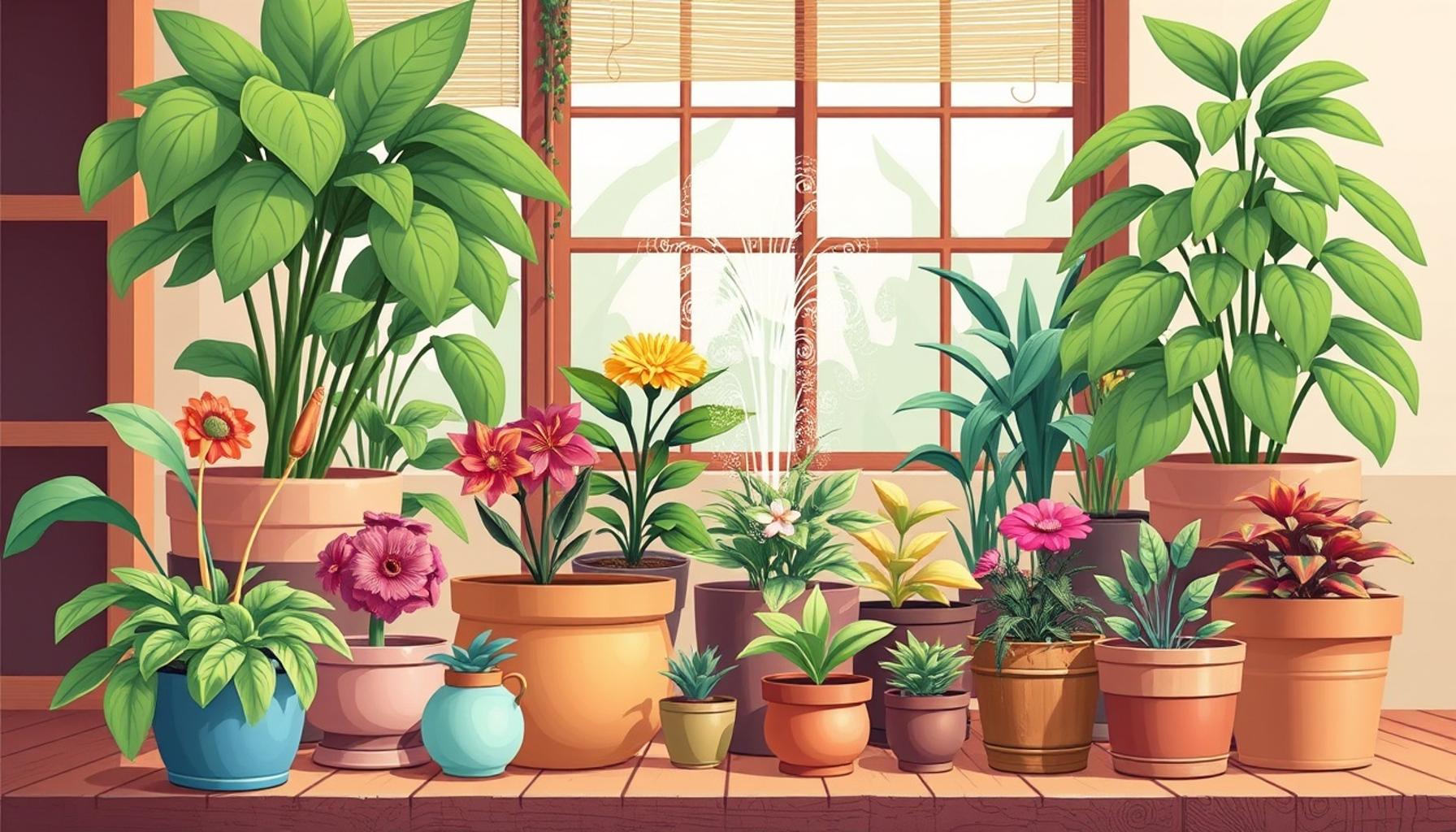
The Role of Proper Irrigation in Houseplant Care
Maintaining healthy houseplants requires a clear understanding of proper irrigation, which is one of the most crucial yet often overlooked aspects of plant care. Watering is not merely a routine; it is a delicate balance that directly impacts a plant’s vitality and overall health. Over-watering can lead to root rot and other fungal diseases, while under-watering can cause dehydration, thereby stressing your plants. The result can be stunted growth or even plant death. Hence, it is vital to grasp the nuances of irrigation to foster thriving indoor gardens.
Key Aspects of Proper Irrigation
- Watering Frequency: The frequency at which you water your plants should cater to the specific needs of each species. For example, succulents, which store water in their leaves, thrive on minimal watering—usually once every two weeks or even longer in cooler months. In contrast, tropical plants like ferns or pothos typically enjoy a more humid environment and may require watering once a week to keep the soil consistently moist.
- Soil Type: Each plant has specific soil requirements that help retain moisture while ensuring adequate drainage. For example, a cactus prefers sandy, well-draining soil, while a peace lily thrives in soil that retains moisture without becoming soggy. Understanding the unique properties of your plant’s soil can help you prevent issues such as soil compaction or root rot.
- Humidity Levels: Humidity is another significant factor affecting irrigation needs. Many indoor plants, particularly tropical varieties, flourish in higher humidity, sometimes requiring extra watering to compensate for dry air, especially during winter months when indoor heating can sap moisture from the environment. You might consider placing a humidifier nearby or grouping plants together to create a micro-humid environment.
In your quest for flourishing indoor plants, discerning the optimal timing and amount of water to provide is essential. A thoughtful approach to irrigation not only encourages robust growth but also minimizes the risk of pest infestations and diseases. Moreover, utilizing tools such as moisture meters can aid in determining when your plants truly need water. By diving deeper into these irrigation essentials and experimenting with various techniques, you can unlock the secrets to maintaining vibrant, healthy houseplants throughout the year, regardless of the climate outside.
Whether you’re a casual plant owner or an avid enthusiast, the knowledge of proper irrigation can transform your indoor gardening experience. Explore beyond the basics and turn your home into a lush, thriving green sanctuary.
DISCOVER MORE: Click here for essential tips on irrigation
Understanding Your Plants’ Watering Needs
To become an effective houseplant caregiver, it is imperative to delve into the intricacies of watering. Often, plant owners equate watering with simply pouring water into the pot. However, the reality is that successful irrigation involves understanding several key factors that affect your plant’s health and growth.
Signs of Under-Watering and Over-Watering
Houseplants communicate their distress through visual cues. Recognizing these signs early can prevent long-term damage and promote a flourishing indoor garden. Here are the common indicators you should be aware of:
- Under-Watering: Leaves may begin to curl, turn crispy at the edges, or appear droopy. The soil often feels dry to the touch, and in severe cases, plants can droop or even shed leaves as a survival mechanism.
- Over-Watering: Symptoms include yellowing leaves, wilting, or mold growth on the surface of the soil. A foul odor may emanate from the pot, often signaling root rot, which can quickly kill your beloved green companions.
Being attuned to your plant’s watering signals is essential for maintaining a healthy indoor garden. But it’s not just about responding to these cues; it’s about knowing the right frequency and quantity of water that suits each plant species. For instance, while a snake plant needs only infrequent watering, a tropical plant like a monstera might require more regular doses to keep its lush green leaves thriving.
The Impact of Plant Size and Pot Size
The size of both the plant and its container also plays a crucial role in irrigation strategies. Larger plants tend to require more water due to their extensive root systems and higher foliage surface area, which increases evaporation. Conversely, smaller plants might dry out quickly if placed in too large of a pot, where water retention can become an issue. Thus, understanding pot size in relation to plant size is vital in tailoring your watering schedule. Choosing a well-draining pot not only helps regulate moisture levels but also enables you to monitor your plant’s hydration needs more accurately.
As you engage in the fascinating journey of houseplant ownership, keep in mind that proper irrigation goes beyond mere frequency. By honing in on your plants’ specific watering signs, taking into account their size and pot conditions, and understanding how to respond appropriately, you’ll lay a solid foundation for a vibrant indoor oasis. Through careful observation and exploration, you will become adept at creating an ideal environment for your houseplants to flourish.
The Importance of Proper Irrigation for Houseplants
Proper irrigation is essential for maintaining the health and vitality of houseplants. Not only does it ensure that plants receive the necessary water, but it also plays a crucial role in the overall growth process. Irrigation approaches can vary widely, and understanding the specific needs of your houseplants is vital to their success.
Moreover, there are profound benefits to adopting the right watering techniques. For instance, overwatering can lead to root rot, a common issue that can devastate your plants. On the other hand, underwatering can cause dehydration, leading to wilting and stunted growth. Thus, striking the right balance is key.
In addition to water quantity, the timing of irrigation is equally significant. Many plants has adapted to their natural environments and may have specific watering needs based on their lifecycle. For example, during the growing season, some plants may require more frequent watering, while others may need reduced moisture in their dormant periods. An analysis of these factors can lead to healthier and more prosperous plants.
| Advantage | Description |
|---|---|
| Prevention of Root Rot | Proper irrigation practices decrease the risk of overwatering, a primary cause of root rot. |
| Improved Nutrient Uptake | Adequate watering enhances the ability of roots to absorb nutrients, leading to healthier growth. |
Additionally, techniques such as drip irrigation can ensure that water reaches plant roots directly, minimizing evaporation and runoff. Understanding the specific water requirements for different types of houseplants allows for better care and enhances their overall aesthetics. Embracing the significance of proper irrigation methods nurtures a thriving indoor garden and prevents unnecessary losses.
DISCOVER MORE: Click here to learn effective pest control strategies
Choosing the Right Watering Techniques
Once you have assessed your plants’ specific needs, the next step involves employing the most effective watering techniques. Understanding the various methods of irrigation can significantly enhance the health of your houseplants and ultimately lead to a thriving home garden.
Watering Methods
Several different watering methods exist, each with its advantages and disadvantages. Here are a few of the most popular:
- Top Watering: This method involves pouring water directly onto the soil surface. It is straightforward and effective for most houseplants. However, caution is required to avoid waterlogging the surface and creating conditions for mold growth. A good practice is to water until the water drains out of the bottom of the pot, ensuring that the roots receive adequate moisture.
- Bottom Watering: For plants that prefer consistent moisture, bottom watering can be particularly effective. This technique entails placing the pot in a shallow tray of water, allowing the soil to absorb moisture from below. This method encourages deep root growth and prevents over-wetting the leaves, which can lead to fungal infections.
- Misting: In some cases, especially with ferns and tropical plants, misting the foliage can provide hydration and humidity. However, misting should not replace proper soil watering, as it may only provide temporary relief. Monitoring plant humidity levels is essential to determine if misting is beneficial.
Knowing When to Water
Timing is equally crucial when it comes to successful irrigation. The frequency of watering can be influenced by various factors, including the season, indoor climate, and plant type. Generally, plants require more water during their active growing season, typically spring and summer, while growth slows down considerably in the fall and winter, leading to reduced water needs.
Utilizing a moisture meter can aid in determining the right moment to water. This handy device measures the soil’s moisture level, providing an accurate snapshot of when your plants may need hydration. Alternatively, sticking your finger into the soil about an inch deep can serve as a rudimentary test; if the soil feels dry at that depth, it’s likely time to water.
Water Quality Matters
Finally, the quality of the water you use can also impact your plants’ health. Tap water often contains chemicals such as chlorine and fluoride, which may be detrimental to certain sensitive houseplants. If you notice leaf tip burn or other issues after watering with tap water, consider using filtered or distilled water instead. In addition, allowing tap water to sit out for 24 hours can help dissipate some of the chemicals, making it more suitable for your green companions.
Ensuring that your houseplants receive the right amount of high-quality water, through appropriate methods and timing, is a significant aspect of proper irrigation. Following these guidelines will not only cater to the specific needs of your plants but will also foster a deeper connection with your indoor greenery.
DON’T MISS: Click here for essential tips
Conclusion
In conclusion, proper irrigation is an essential aspect of successful houseplant care that should never be overlooked. Understanding your plants’ specific watering needs can greatly impact their growth and overall health. Different plant species, such as succulents, tropical ferns, and flowering plants, often have unique hydration requirements. For instance, while succulents thrive in drier conditions, tropical plants prefer consistently moist soil. Learning to recognize these needs will pave the way for lush and vibrant greenery in your home.
The selection of appropriate watering techniques is also crucial. Techniques such as top watering, where water is poured directly onto the soil, are commonly used for most plants, providing quick hydration. Alternatively, bottom watering allows plants to absorb water from the roots up, which can be beneficial for preventing over-saturation on the surface. Misting, on the other hand, can be advantageous for plants that require higher humidity levels, such as orchids and peace lilies, allowing them to relish moisture in the air.
Moreover, monitoring environmental factors, such as light levels and temperature variations, using tools like a moisture meter can enhance your ability to maintain ideal soil conditions. These instruments help determine when to water, ensuring you do not under or over-water your plants. Additionally, the quality of water plays a significant role in maintaining plant health. For example, chlorine and fluoride present in some tap water can harm sensitive species. Therefore, using alternatives such as distilled or aged water is advisable, promoting heightened vitality and growth.
Ultimately, nurturing an understanding of these irrigation elements fosters a deeper connection with your plants and enriches your indoor gardening experience. By implementing these strategies, you empower your houseplants to thrive, transforming your space into a flourishing oasis. As you immerse yourself in the captivating world of plant care, you will discover that your green companions are eager to blossom under your attentive and educated stewardship.