
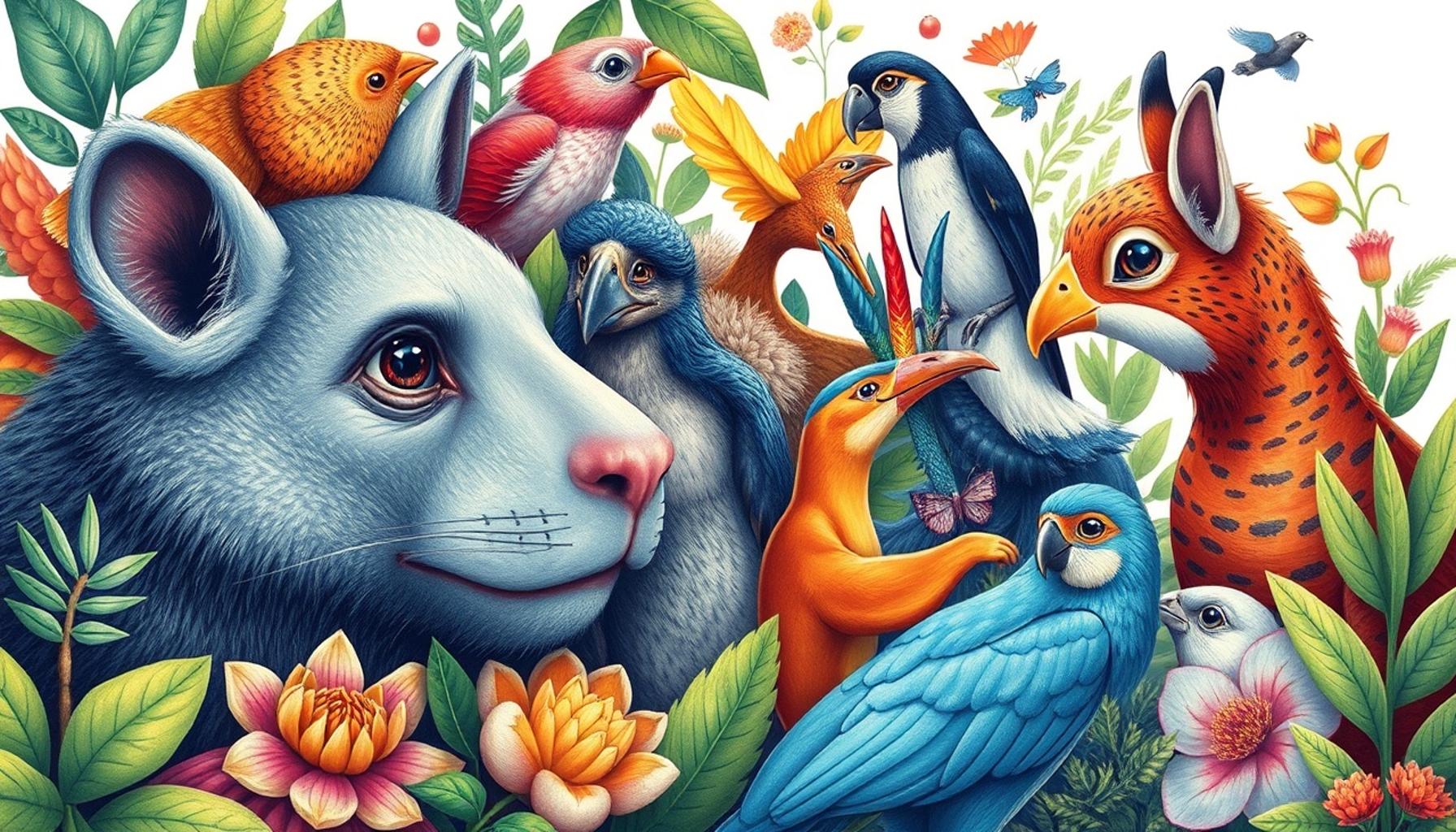
Understanding Pet Species Diversity
In a world where mental health is increasingly recognized as essential, pet species diversity emerges as a powerful ally. The variety of animals we choose to welcome into our homes can significantly influence our emotional and psychological well-being. Studies show that different pet species provide unique benefits, creating a rich tapestry of companionship that can positively affect our lives.
Benefits of Diverse Pets
Having a range of pet species can enhance mental health through:
- Companionship: Each species offers different forms of support and interaction. For instance, dogs are known for their loyalty and ability to understand human emotions, making them great companions for those seeking empathy and support. In contrast, cats often provide a more independent companionship, allowing individuals to enjoy their presence while maintaining their own space.
- Reduced Stress: Animals like fish can create calming environments with their tranquil movements and the soothing sounds of water filtration systems. Watching fish swim can lower blood pressure and induce a meditative state. Meanwhile, dogs encourage physical activity and social interaction, both of which contribute to stress reduction. For example, walking a dog not only provides exercise but also leads to encounters with other pet owners, fostering social connections.
- Enhanced Empathy: Caring for various animals fosters empathy and responsibility in individuals. Whether it’s providing for the needs of a parakeet, which requires attention and social interaction, or a reptile that has specific habitat and dietary needs, engaging with different species cultivates a deeper understanding and respect for life’s diversity, enriching human character.
Beyond traditional pets like dogs and cats, incorporating species like birds, reptiles, and even small mammals like guinea pigs can lead to intriguing and beneficial interactions. Research conducted by the Human-Animal Bond Research Institute has highlighted how diverse pet ownership correlates with improved mood and lower levels of loneliness. For instance, therapy programs increasingly use animals like rabbits and pigs due to their unique characteristics that provide comfort and joy.
Exploring New Connections
By inviting different species into our lives, we open doors to new experiences and emotional connections. Each type of pet brings its own personality and quirks that can spark joy and laughter, underscoring the value of diversity in nurturing our mental health. This diversity not only enriches our daily routines but also teaches us valuable lessons about trust and care. For example, training a dog can foster patience and commitment, while tending to a complex aquarium teaches responsibility and attention to detail.
As we delve deeper into the impact of pet species diversity, we unravel the layers connecting our furry, scaly, and feathered friends to our mental health. By understanding the various benefits that different pets provide, we can make informed decisions about which species best align with our lifestyle and emotional needs. Thus, exploring the world of pet diversity not only enhances our understanding of animal companionship but also empowers us to cultivate a more fulfilling and emotionally connected life.
DISCOVER MORE: Click here to enhance your cat’s playtime
The Unique Contributions of Various Pets to Mental Wellness
Exploring the realm of pet species diversity allows us to understand how different animals can uniquely contribute to our mental well-being. While many are familiar with the companionship of dogs and cats, emerging research suggests that embracing various pet species can provide even broader benefits. Each species, from the familiar to the exotic, can cultivate distinct emotional responses and coping mechanisms in individuals.
Non-Traditional Pets and Their Role in Mental Health
Diversifying our pet choices involves more than just adding to the variety in our homes; it can enhance our emotional landscape. Below are some compelling ways non-traditional pets can specifically improve mental health:
- Birds: Parakeets, finches, and cockatiels not only echo our words but also create an engaging environment. Their playful antics and melodious songs can foster joy and reduce feelings of isolation. Studies indicate that watching birds can elevate moods and diminish anxiety, making them excellent choices for companionship.
- Reptiles: Species like turtles and lizards might seem low-maintenance, but they offer unique benefits. Interacting with reptiles can teach mindfulness, as observing their slow and deliberate movements imparts a sense of calm. This creates a tranquil atmosphere, promoting relaxation and a decrease in stress levels.
- Small Mammals: Pets such as guinea pigs and hamsters often encourage social interaction and bonding. The care routines—feeding, cleaning, and handling—offer individuals a sense of responsibility, which can boost self-esteem. Moreover, their playful nature invites laughter and lighthearted moments, contributing positively to emotional states.
Interestingly, research shows that households with a broader variety of pets tend to report higher satisfaction levels among their members. A study conducted by the American Veterinary Medical Association revealed that 74% of pet owners felt less lonely due to their pet’s companionship, further emphasizing the profound impact pets have on our emotional health. Engaging with diverse species often results in enhanced overall life satisfaction and a more holistic approach to mental wellness.
The Ripple Effect of Pet Diversity
The presence of various species in our lives creates a ripple effect; each interaction, however subtle, contributes to a more serene mental state. The unique quirks of a pet parakeet, the calming presence of a turtle, or the affectionate cuddles from a guinea pig can transform ordinary moments into profound experiences. As such, pet species diversity is not merely an enrichment of the home environment; it embodies a critical aspect of nurturing emotional health.
Understanding the profound ways in which different pets can support mental health encourages us to explore the type of animal that best suits our needs and lifestyle. By doing so, we can ensure that our choices of companionship reflect our own emotional journeys, fostering resilience and joy in the process.
| Advantage | Impact on Mental Health |
|---|---|
| Diverse Interaction | Engaging with different species fosters unique emotional connections, enhancing empathy. |
| Variety in Care | Caring for diverse animals encourages a sense of responsibility, which can build self-esteem. |
| Social Opportunities | Pet diversity can lead to greater social interactions, reducing feelings of loneliness. |
| Therapeutic Benefits | Various pets exhibit distinct therapeutic effects, enhancing relaxation and stress relief. |
The harmonious blend of various pet species contributes to a unique ecosystem of emotional support. Engaging with a spectrum of animals from birds to reptiles not only enriches one’s life experiences but also provides profound mental health benefits. It fosters creativity and stimulates cognitive functions by offering different forms of interaction, which can aid in combating depression and anxiety.Furthermore, pet species diversity often leads to the discovery of less traditional but equally rewarding companions, helping to challenge social stigmas and promote inclusiveness. The act of caring for different types of pets also encourages a routine, which is essential in maintaining mental health stability.In essence, the multi-faceted interplay between pet diversity and mental well-being opens avenues for deeper understanding and appreciation of not just our companion animals, but of the humans they connect us with as well.
DIVE DEEPER: Click here to learn more
Understanding the Benefits of Exotic Pets
The exploration of pet species diversity extends beyond common household pets to include a range of exotic animals that can also play a significant role in enhancing our mental health. While dogs and cats have long been championed for their comforting presence, unique species such as ferrets, hedgehogs, and even mini pigs can offer distinctive advantages that merit attention.
Ferrets: The Playful Companions
Ferrets are known for their playful and curious nature, often engaging in adorable antics that can bring joy and laughter to their owners. Their social behavior mimics that of larger pets, as they enjoy interacting not just with each other but also with humans. Studies suggest that establishing a bond with a ferret can lead to improved emotional stability, as these small mammals often become quite attached to their companions, reducing feelings of loneliness. Moreover, their energetic movements require owners to stay active, promoting physical exercise which has been shown to further boost mental health.
Hedgehogs: The Unexpected Comfort
Though less common, hedgehogs are gaining popularity as pets due to their gentle and calming demeanor. Their naturally solitary nature can create an inviting presence for those who prefer more low-key companionship. Interacting with hedgehogs can encourage mindfulness, as their slow, deliberate movements require a certain level of patience and care, providing an enriching experience and fostering emotional stability. A quiet moment spent observing a hedgehog’s activity can serve as a soothing escape from the stressors of daily life, underscoring the connection between exotic pets and stress relief.
Mini Pigs: Expressive and Engaging
Mini pigs have emerged as trendy pets in recent years, and for good reason. They are not only intelligent but also incredibly social and affectionate. Their capacity to recognize their owners and respond with genuine affection adds a profoundly rewarding aspect to companionship. Evidence from studies indicates that interacting with mini pigs can lead to decreased anxiety and a sense of overall well-being. Their expressive behaviors and playful personalities challenge common misconceptions about pet dynamics, further highlighting the importance of embracing diverse species within domestic environments.
The influence of pet species diversity is not limited to mere enjoyment or companionship; it serves as a powerful tool in managing mental health. Engaging with various pet species can evoke different emotional responses, allowing individuals to tailor their pet-ownership experiences to meet personal needs. A dynamic household filled with unique pets encourages adaptability and growth in emotional resilience, showcasing how a diverse array of animals can significantly impact mental wellness.
Moreover, as society continues to evolve, our understanding of the mental health benefits associated with non-traditional pets can lead to better awareness and awareness of animal care. The more we educate ourselves on the enriching experiences these diverse species can provide, the deeper our appreciation for the critical role they play in enhancing not only our lives but also the emotional landscapes of those around us.
DISCOVER MORE: Click here to learn about the importance of species diversity
Conclusion: Embracing Diversity for a Healthier Mind
As we have explored, the significance of pet species diversity extends well beyond companionship; it encompasses profound impacts on our mental health and overall well-being. From the playful antics of ferrets to the soothing presence of hedgehogs and the affectionate nature of mini pigs, these various species contribute uniquely to enhancing emotional stability and reducing feelings of loneliness and anxiety.
The mental health benefits derived from engaging with different pet species highlight the importance of personalized pet ownership experiences. Individuals can tailor their interactions to suit their emotional needs, creating a dynamic and enriching environment that promotes growth in emotional resilience. With every exotic pet, there exists a potential for new connections and therapeutic experiences, showcasing the healing power of diverse animal companionship.
Furthermore, as awareness of the mental health advantages of various non-traditional pets grows, it paves the way for deeper appreciation and understanding of animal care. By educating ourselves about these unique animals, we enrich our lives and foster stronger bonds that positively affect the emotional landscapes of those around us.
In conclusion, embracing pet species diversity is not just a matter of extending our love for animals; it is an essential approach to nurturing our mental well-being. As we continue to uncover the myriad benefits of diverse companionships, let us consider expanding our affectionate circles, integrating a kaleidoscope of species that foster joy, mindfulness, and emotional health in our daily lives.