How to Identify and Treat Acne at Different Ages
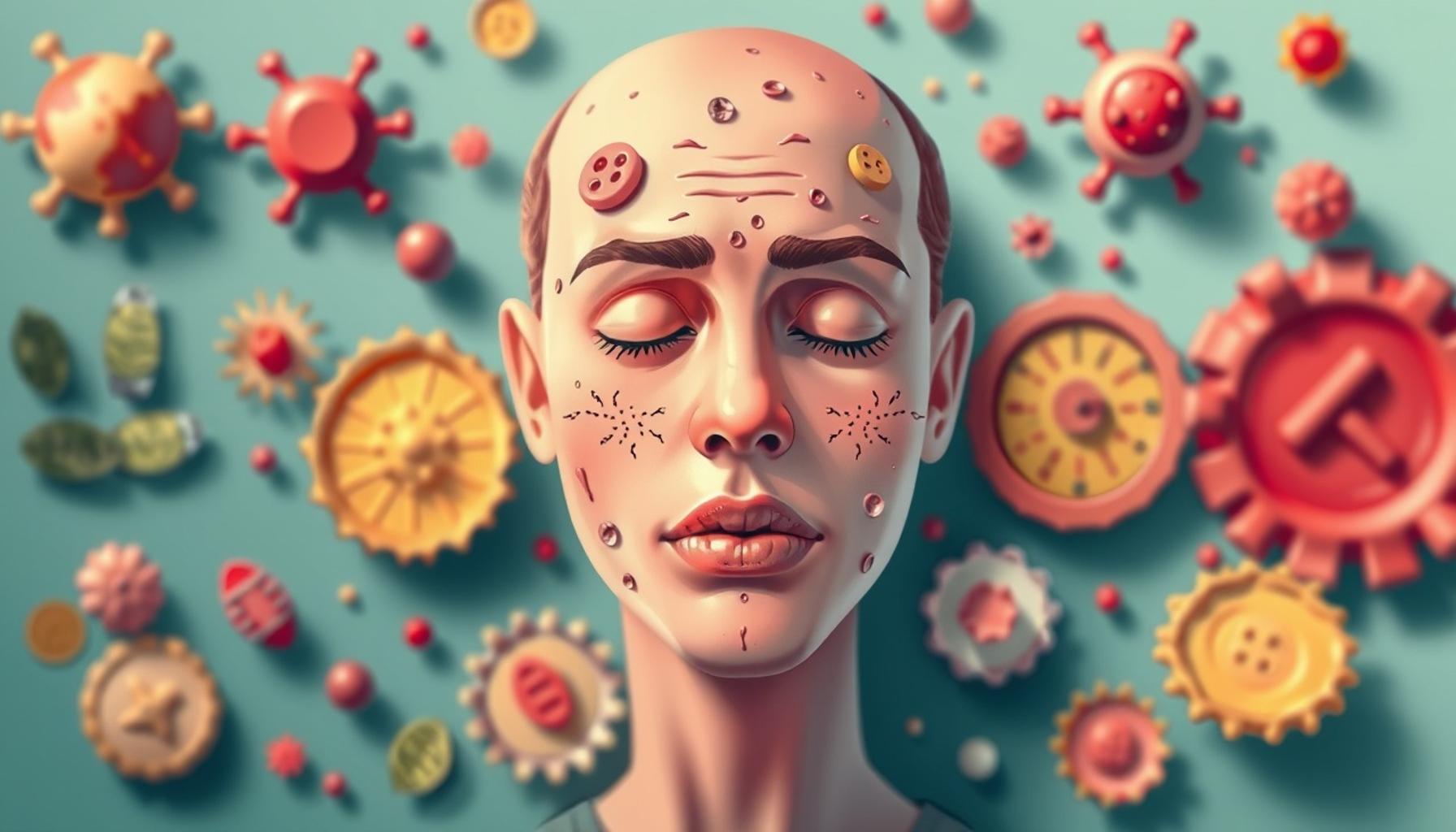
Understanding Acne Across Ages
Acne can strike at various stages of life, affecting individuals from adolescence to adulthood. Identifying and treating acne effectively requires a nuanced understanding of how it presents itself in different age groups. This condition, often dismissed as a mere teenage nuisance, can persist well into adulthood for many people. Understanding the unique characteristics of acne across different life stages is essential for effective management and treatment.
From the teenage years filled with hormonal changes to the adult phase where stress and dietary choices often intervene, recognizing the types of acne you or your loved ones are experiencing is crucial. Here are some key insights:
- Teenagers: During adolescence, hormonal fluctuations triggered by puberty lead to an increase in oil production and subsequent inflammatory acne. This often manifests as pustules and cystic lesions primarily on the face and back. For example, nearly 85% of adolescents experience acne to some degree, which can significantly impact self-esteem and social interactions.
- Young Adults: As individuals transition into their 20s and 30s, stress and lifestyle factors—like diet and sleep habits—become prominent contributors to persistent breakouts. Young adults may experience a combination of hormonal acne and stress-related flare-ups. It’s not uncommon for those in high-pressure jobs, such as in finance or the tech industry, to notice an uptick in acne due to stressful environments.
- Adults: Adult-onset acne can surface due to various factors such as hormonal imbalances, particularly in women around their menstrual cycles or during pregnancy. Additionally, inappropriate skincare choices, including the use of comedogenic products, can exacerbate the condition. It is reported that one in five women experiences acne well into their 30s or 40s, making it a lifelong struggle for many.
Understanding these distinctions not only informs your approach to treatment but also helps in managing the emotional impact of acne. Educating yourself on the best practices and potential remedies for each age group is essential. For instance, teenagers may benefit from topical treatments that contain benzoyl peroxide, while adults might find value in hormone therapy or advanced options like laser treatments.
With the plethora of products and treatments available in the market—from OTC medications to prescription options—knowing what works best for your specific age group is vital. Additionally, integrating a balanced diet rich in antioxidants and omega-3 fatty acids can help mitigate acne flare-ups across all ages.
This article will delve into effective identification strategies and treatment options tailored to the unique challenges posed by acne at different life stages. By gaining insights into these areas, you can take informed steps toward achieving clearer skin.
LEARN MORE: Click here for essential tips
Recognizing Acne Types by Age Group
To effectively manage acne, understanding its manifestations at various ages is key. Each age group exhibits distinct characteristics of acne, influenced by unique physiological, hormonal, and lifestyle factors. Identifying the type of acne you or someone you know is experiencing can pave the way for appropriate treatments and solutions. Below are some common acne types seen in different age brackets:
Teenagers: Hormonal Surge and Breakouts
For teenagers, the combination of rapidly changing hormone levels and increasing oil production leads to a spike in acne occurrences. With nearly 85% of adolescents wrestling with acne, it not only poses a physical challenge but also impacts mental health significantly. Typically, acne in this age group presents in the form of:
- Comedonal acne: This includes blackheads and whiteheads, which are clogged pores filled with oil and debris.
- Pustules: These are small, inflamed lesions filled with pus, often red at the base.
- Cystic acne: A severe form of acne that results in large, painful, and swollen bumps under the skin.
Early intervention using topical retinoids or benzoyl peroxide can significantly help in managing these breakouts, while consistent skincare routines are vital for maintaining clearer skin.
Young Adults: Stress and Lifestyle Influences
As individuals transition into their 20s and 30s, acne can often persist, sometimes resurfacing in surprising ways. This phase commonly witnesses the emergence of adult acne, which may be influenced by lifestyle factors such as stress from work, hormonal changes, and dietary choices. Common types of acne include:
- Hormonal acne: Often cyclical in nature for women, these breakouts typically occur around the time of menstruation.
- Stress-related acne: Linked to the body’s stress response, these breakouts can appear suddenly during high-pressure situations.
- Post-inflammatory hyperpigmentation: Dark spots left on the skin after a blemish has healed, which can be particularly frustrating.
Effective treatments may include oral contraceptives to regulate hormones or topical treatments containing salicylic acid to help maintain clearer skin.
Adults: Navigating Hormonal Changes and Skincare Choices
Adult-onset acne is a reality for many, particularly for women in their 30s and 40s, where it can often be exacerbated by hormonal changes, pregnancy, or factors such as menopause. It’s estimated that one in five women continues to grapple with acne well into adulthood. Those affected may notice:
- Persistent acne: This can arise due to hormonal fluctuations or inappropriate skincare choices.
- Flare-ups linked to stress: The stress of balancing work and family life can lead to sudden breakouts.
- Comedonal types with increased visibility: Acne can become more visible due to aging skin, which may not bounce back as easily from inflammation.
Adults may find relief through hormone therapy or exploring advanced treatments such as laser therapy and professional chemical peels that cater specifically to adult skin.
By recognizing the characteristics of acne at different life stages, you can tailor your approach toward identifying and treating the condition effectively. Understanding these age-specific factors empowers individuals to choose the right treatments, paving the way for healthier skin and improved confidence.
Understanding Acne Across Different Age Groups
Acne is not just a teenage issue; it can affect individuals at different stages of life. Understanding how to identify and treat acne based on age is essential for effective management. Below is a table that outlines key advantages of recognizing acne characteristics and treatments tailored for specific age groups:
| Category | Description |
|---|---|
| Teenage Acne | Characterized by hormonal fluctuations, often appearing on the face, chest, and back. Treatments include topical retinoids and benzoyl peroxide. |
| Adult Acne | Typically occurs in women due to hormonal changes, stress, or skincare products. Treatment options may involve hormonal therapy and personalized skincare regimens. |
| Acne in Older Adults | May develop due to menopause or other health factors. Effective treatments include lifestyle changes and prescription medications that target both acne and skin health. |
Each age group presents unique challenges and opportunities for effective acne treatment, emphasizing the importance of age-appropriate strategies. Furthermore, by identifying the type of acne prevalent at different ages, individuals can tailor their skincare and treatment plans to achieve the best results. These innovations in understanding acne offer new hope for effective management across the lifespan.
DISCOVER: Click here to learn more about hydration in skincare
Adapting Management Strategies Across Life Stages
While identifying the type of acne at various ages is crucial, effective management strategies tailored to each life stage are equally important. This involves not only recognizing the right treatments but also adapting lifestyle habits and skincare routines that align with the skin’s evolving needs. Understanding how to approach acne care based on age can provide a smoother journey toward healthier skin.
Skin Care Basics for Teens: Building a Foundation
For teenagers, initiating a basic skincare routine is vital. The key is to start with gentle, non-comedogenic products that won’t clog pores. Here are some foundational strategies:
- Cleanser: Water-soluble gel cleansers with salicylic acid can penetrate and unclog pores, helping to minimize acne without over-drying the skin.
- Moisturizer: Even oily skin needs hydration. Lightweight, oil-free moisturizers can help balance skin without exacerbating breakouts.
- Sunscreen: Never underestimate the importance of daily SPF protection to prevent post-acne scarring.
Incorporating regular exfoliation two to three times a week can aid in cell turnover and prevent clogged pores. This age is also pivotal for education on the importance of avoiding picking or squeezing acne lesions, which can lead to scarring.
Proactive Measures for Young Adults: Lifestyle Management
Young adults face a unique mix of hormonal fluctuations and stressors, making holistic care essential. Aside from topical solutions, lifestyle adjustments can enhance skin health:
- Diet: Emphasizing whole foods while minimizing sugar and dairy may help in reducing inflammation. Omega-3 fatty acids found in fish can also be beneficial.
- Stress reduction techniques: Regular exercise, mindfulness practices like yoga, and adequate sleep are pivotal for managing stress-related breakouts.
- Skincare regimen coherence: Transitioning to products specifically designed for adult acne can help address concerns like post-inflammatory hyperpigmentation and fine lines.
Utilizing targeted serums that contain ingredients like niacinamide can significantly improve skin texture and tone while complementing existing acne treatments.
Advanced Treatments for Adults: Professional Interventions
As individuals progress into their late 30s and beyond, additional interventions may be required. Adults often benefit from consulting dermatologists to explore more advanced treatments tailored to their unique skin concerns:
- Chemical Peels: These can deeply exfoliate and reduce stubborn acne scars while offering a rejuvenating effect on aging skin.
- Laser Treatment: Various laser therapies target acne-induced inflammation and scarring, providing effective solutions with relatively quick recovery times.
- Prescription medication: In cases where over-the-counter options are insufficient, dermatologists may prescribe oral medications, such as antibiotics or isotretinoin, depending on the severity of the acne.
Additionally, adult women may find hormonal therapies beneficial, especially those experiencing cyclical breakouts related to menstrual cycles or menopause. Understanding that hormonal triggers can still affect skin in adulthood empowers individuals to seek appropriate solutions and achieve lasting relief from acne.
By intertwining personalized skincare routines, lifestyle adjustments, and professional treatments, managing acne at different ages becomes a holistic journey. Recognizing the dynamics of acne across life stages enables individuals to empower themselves toward achieving clearer, healthier skin, augmenting not only their physical appearance but boosting their overall confidence.
DIVE DEEPER: Click here to discover the wonders of botanical butters
Conclusion: Embracing Clear Skin at Every Age
In the journey of understanding how to identify and treat acne at different ages, it becomes evident that an age-specific approach is vital for effective management. From the teenage years—where establishing a foundational skincare routine sets the stage for lifelong habits—to young adulthood, where lifestyle factors amplify skin challenges, each stage requires unique considerations. Notably, as we transition into adulthood, the complexities of acne often necessitate specialized treatments and expert consultations.
Equipping oneself with knowledge about skin care tailored to age contributes significantly to addressing both current concerns and preventing future issues. Integrating healthy lifestyle choices like balanced diets, stress management, and proper skincare can result in transformative effects, enhancing not only the skin but overall well-being. Furthermore, the role of professional interventions cannot be overlooked, as they offer personalized solutions for resistant cases, especially in adulthood.
As you navigate the intricacies of acne at various life stages, remember that every skin type is unique, and what works for one individual may differ for another. Empowering yourself with effective identification techniques and treatment options will facilitate your journey towards achieving clearer, healthier skin, ultimately boosting your self-esteem and confidence. Stay informed, proactive, and engaged with your skincare routine, and allow your skin to reflect your vibrant inner self.