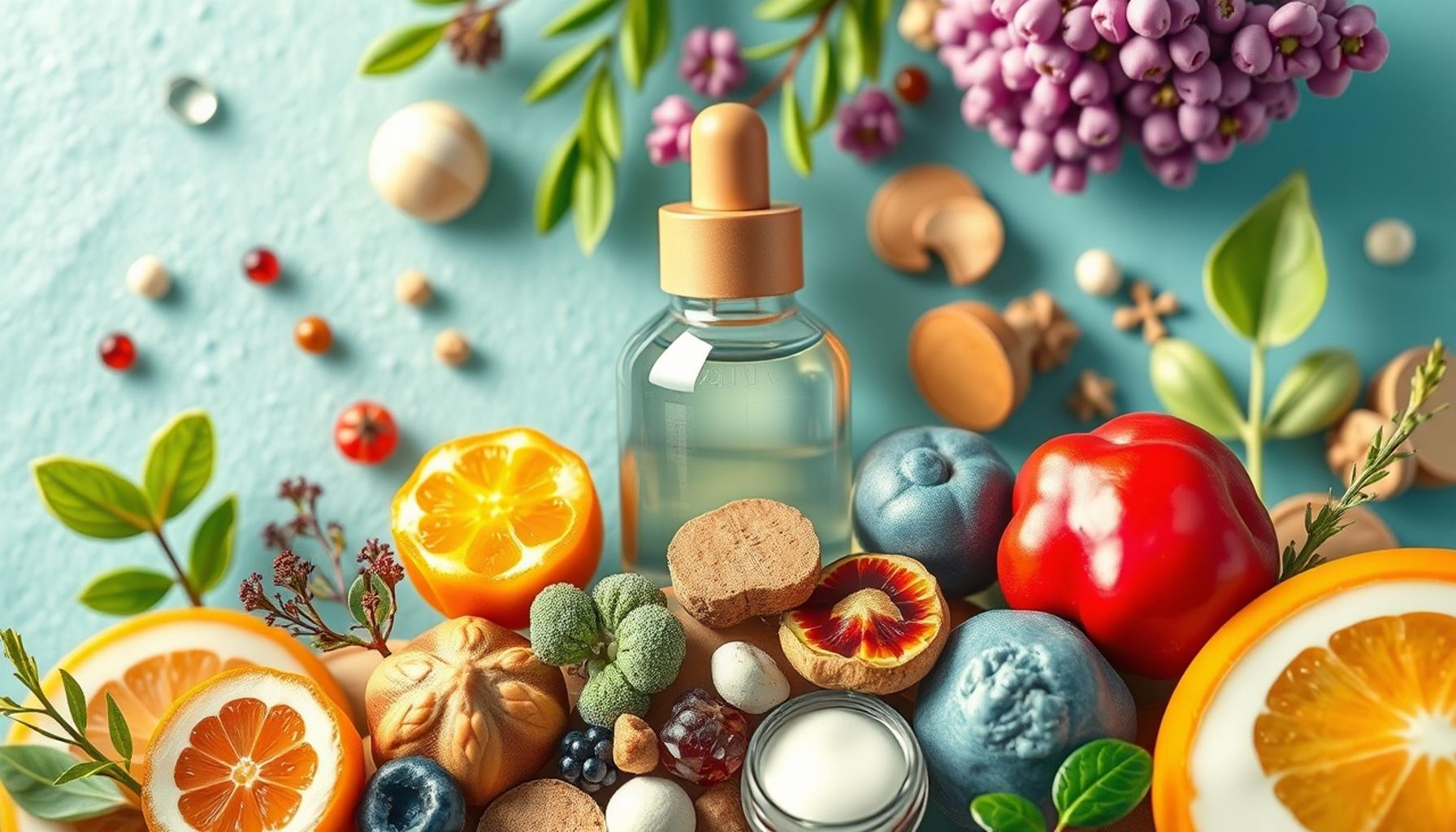
The Impact of Natural Ingredients on Skincare Routines: Trends and Benefits

The Shift Towards Natural Ingredients
The transformation in the skincare industry signifies not just a shift in product formulation, but a fundamental change in consumer mindset. As knowledge around skincare ingredients expands, today’s consumers are more equipped than ever to make informed choices about the products they use. Natural ingredients are rising in popularity for several compelling reasons, reflecting broader societal movements that prioritize health, wellness, and environmental responsibility.
Clean Beauty Movement
The clean beauty movement is rapidly gaining traction, driven by consumers’ desires to avoid synthetic chemicals and potentially harmful additives. Brands like Beautycounter and Herbivore Botanicals have built their reputations on transparency, often disclosing the full ingredient lists and omitting parabens, sulfates, and phthalates. This shift is not expected to slow down anytime soon, as consumers continue to seek products that align with their ethical beliefs and health concerns. The allure of “clean” labels is strong, as they often promise a safer, gentler experience for the skin.
Eco-Friendliness
Natural ingredients tend to be more sustainable and less harmful to the environment, making them highly appealing in an era increasingly aware of climate change and ecological footprints. Many companies are adopting eco-friendly practices by sourcing ingredients responsibly and using recyclable packaging. For instance, brands like Lush advocate for “naked” packaging-free products that minimize waste. The connection between skincare choices and their environmental impact is becoming clearer, prompting consumers to choose eco-conscious formulations that reflect their values.
Health Awareness
With rising health awareness, there’s growing skepticism towards products containing artificial components. Consumers are becoming increasingly educated about potential allergens and irritants present in their skincare products. For example, fragrances, which can often be synthetic, have been shown to cause skin sensitivities for some individuals. This has shifted attention toward gentler ingredients like shea butter and chamomile, which have natural calming properties and are less likely to react adversely with various skin types.
Benefits of Natural Ingredients
The incorporation of natural ingredients into skincare products offers a multitude of benefits that cater to diverse skin types and concerns:
- Moisturization: Ingredients like honey, known for its humectant qualities, and aloe vera, with its soothing properties, are highly effective in keeping the skin hydrated and comfortable.
- Astringent Properties: Natural extracts such as witch hazel have long been recognized for their ability to tighten pores and manage excessive oil production, making them a favorite among those with oily or acne-prone skin.
- Antioxidant Protection: The antioxidants found in plant-based ingredients, like vitamin C from citrus fruits and green tea, play a critical role in fighting free radicals and protecting the skin from premature aging and environmental damage.
As the demand for safer and more effective skincare options continues to rise, understanding the significance and efficacy of these natural ingredients is vital. This exploration of current trends in natural skincare not only highlights the benefits they provide but also offers consumers the opportunity to reconsider their relationship with their daily skincare routines.
DIVE DEEPER: Click here to discover the advantages
Understanding the Dynamics of Natural Skincare
The integration of natural ingredients into skincare routines has become more than just a fleeting trend; it signifies a profound evolution in how consumers perceive beauty and self-care. As the skincare landscape changes, the demand for products that are not only effective but also safe and environmentally responsible is reshaping consumer habits. This shift is fueled by a combination of factors, including a desire for authenticity, growing health consciousness, and an increased awareness of the natural world.
Authenticity and Transparency
Consumers increasingly seek authenticity in the products they use. The rise of social media and access to information has empowered individuals to research the ingredients in their skincare products. As a result, brands that embrace transparency are often rewarded with consumer loyalty. Companies are now openly sharing their ingredient sourcing processes and formulations, fostering a sense of trust. For instance, brands like True Botanicals illustrate this by providing detailed information about their organic ingredients and how they are grown and harvested. The focus on ingredient integrity helps consumers feel more connected to what they are putting on their skin, elevating their overall skincare experience.
Growing Demand for Holistic Approaches
As holistic health practices become mainstream, many individuals are integrating natural elements into their everyday lives. This growing interest in holistic wellness highlights the importance of balance and harmony in skincare. Natural ingredients are often revered for their multifaceted benefits that extend beyond surface-level results. For example, oil-based products containing jojoba or rosehip oil not only provide moisture but also offer nutrients that can help improve the skin’s overall appearance. This holistic approach nurtures the skin from within while delivering tangible results.
Rise of DIY Skincare
The drive toward using natural ingredients is also reflected in the burgeoning do-it-yourself (DIY) skincare trend. More consumers are exploring how to create their own skincare products using simple, natural ingredients found in their kitchens. This movement is fueled by a desire for personalization and a wish to avoid chemical additives that may trigger allergies or sensitivities. DIY enthusiasts often opt for readily available ingredients such as coconut oil, oatmeal, and honey, which not only serve as effective skincare solutions but also bring a sense of fulfillment in crafting something uniquely suited to their individual skin needs.
The Benefits of a Natural Approach
Embracing natural ingredients in skincare regimens yields numerous benefits that cater to diverse skin types and concerns. Here are some of the most significant advantages:
- Gentle on the Skin: Natural formulations are less likely to cause irritation, making them suitable for sensitive skin or individuals with allergies.
- Positive Impact on Skin Health: Ingredients such as turmeric and matcha are known for their anti-inflammatory properties, aiding in the treatment of conditions like acne and eczema.
- Regulation of Skin Oil: Ingredients like tea tree oil are popular for their ability to naturally combat breakouts and excess oil production without harsh chemicals.
This burgeoning understanding of the impact of natural ingredients on skincare routines demonstrates a desire for healthier, safer, and more responsible beauty practices. With each day, consumers are more equipped to embrace the local wisdom and sustainable solutions offered in natural formulations, fostering a profound connection between personal care and environmental stewardship.
The Role of Natural Ingredients in Skincare
In recent years, there has been a substantial shift in consumer preferences towards natural ingredients in skincare routines. Ingredients such as aloe vera, tea tree oil, and hyaluronic acid have gained popularity due to their perceived benefits and minimal side effects. Natural ingredients often provide essential nutrients and antioxidants that support skin health, making them a preferred choice for those looking for safer and more effective solutions.
Another major driving factor behind this trend is the growing awareness about the potential side effects of synthetic chemicals commonly found in skincare products. The push for a more sustainable approach to beauty has led to an emphasis on eco-friendly sourcing and production. Consumers are increasingly curious about the origins of their products and how they impact the environment.
Current Trends in Natural Ingredients
Some notable trends in the use of natural ingredients include the rise of plant-based formulations and the integration of superfoods into skincare products. Ingredients like turmeric, known for its anti-inflammatory properties, and matcha, packed with antioxidants, are being formulated into facial masks and serums, attracting a new wave of health-conscious consumers.
Moreover, the trend of customization is on the rise, with brands offering personalized skincare solutions incorporating natural ingredients tailored to individual skin types and concerns. This movement not only caters to diverse needs but also fosters a deeper connection between consumers and their skincare routines.
Benefits of Using Natural Ingredients
One of the primary benefits of incorporating natural ingredients into skincare is their effectiveness. Natural products often work synergistically with the body’s own systems, providing hydration, nourishment, and protection without harsh irritants. For instance, honey is not only a natural humectant, drawing moisture to the skin, but it also contains antibacterial properties.
Furthermore, natural ingredients tend to be gentler on sensitive skin, making them suitable for a broader range of users. This inclusivity is significant in creating products that appeal to various demographics, from young adults to more mature users seeking gentle solutions.
As we look toward the future of skincare, the impact of natural ingredients will continue to shape the landscape, fostering innovations that balance efficacy with ecological awareness. The blend of traditional wisdom and modern science in harnessing nature’s potential illustrates a promising development within the beauty industry.
| Category | Description |
|---|---|
| Trendy Ingredients | Increasing use of antioxidants like green tea and vitamin C, which combat aging. |
| Consumer Preferences | A growing demand for eco-friendly and non-toxic options in skincare. |
DISCOVER MORE: Click here to find out the best ingredients for your skin
The Science Behind Natural Ingredients and Their Efficacy
As the popularity of natural ingredients swells, so too does our understanding of the science that underpins their efficacy in skincare. Many ingredients derived from plants and minerals boast a history of traditional use that is now being validated through modern scientific research. For example, the effectiveness of aloe vera for soothing irritations and hydrating skin is supported by studies which point to its richness in antioxidants, enzymes, and vitamins, making it a staple in numerous skincare formulations.
Antioxidants and Anti-Inflammatory Properties
Natural ingredients such as green tea extract and vitamin C are lauded for their powerful antioxidant properties. These compounds protect the skin from damaging free radicals, which are generated by pollution, UV radiation, and even stress. Research shows that green tea can reduce inflammation and redness, making it particularly beneficial for those with conditions such as rosacea or acne. Furthermore, vitamin C is essential for collagen synthesis and brightening the skin, proving the dual benefits of natural ingredients beyond mere aesthetics.
Sustainability and Ethical Sourcing
The increasing demand for natural skincare also aligns with a broader trend toward sustainability and ethical sourcing. Consumers are becoming more discerning about the lifecycle of the products they use, seeking out brands that utilize sustainable practices in their ingredient sourcing. Companies like herbivore botanicals not only focus on naturally-derived ingredients but also commit to minimizing their environmental impact by using recyclable packaging and ethically sourced components. Such practices resonate deeply with environmentally-conscious consumers who appreciate the alignment with their values.
Customization and Personalization
One of the most appealing aspects of incorporating natural ingredients into skincare routines is the potential for customization. With the vast array of options available, individuals can create personalized routines to meet their unique needs. Essential oils, for example, can be tailored to target specific skin concerns; lavender oil is prized for its calming effects, while peppermint oil invigorates the senses. This flexibility empowers consumers to experiment and find combinations that resonate with their skin, expanding their connection to their skincare journey.
Health Trends and Mindfulness in Beauty
Moreover, the rise of wellness trends across the country has led to a newfound appreciation for self-care rituals. Aspects of mindfulness are increasingly integrated into skincare routines, encouraging individuals to take a moment for themselves and engage fully with the products they choose. This shift often involves discernment about the ingredients placed on one’s skin, reinforcing the adoption of natural formulations that provide a healthier self-care experience. Meditative practices, such as facial massage combined with organic essences, illustrate how wellness-focused approaches can enhance both the physical and emotional benefits of skincare.
The convergence of natural ingredients with the modern consumer’s values and desires embodies a significant shift in the landscape of skincare. This marriage of efficacy, sustainability, personalization, and mindfulness continues to shape skincare routines and empower individuals in their quest for healthy, radiant skin. As the consumer landscape evolves, it becomes ever more clear that natural ingredients play a crucial role, not just in beauty, but in well-being overall.
DISCOVER MORE: Click here to dive into the benefits of seaweed in skincare
Conclusion: Embracing the Natural Revolution in Skincare
As we wrap up our exploration of the impact of natural ingredients on skincare routines, it is evident that the surge in popularity of these elements is not just a fleeting trend, but rather a reflection of a growing awareness of health, sustainability, and personalized care. The effectiveness of ingredients such as aloe vera, green tea extract, and vitamin C showcases the scientific backing behind their traditional use, providing consumers with confidence in their choices.
The transition towards sustainable and ethically sourced products underscores a collective shift among consumers who are not only seeking efficacy but also valuing the environmental footprint of their skincare selections. Brands prioritizing transparent practices resonate deeply with a demographic that continues to evolve, emphasizing intentionality in purchases.
Moreover, the capability for customizability within natural skincare enables individuals to craft personalized routines that cater to specific needs, aligning beauty with well-being. The integration of mindfulness practices into these routines further enriches the experience, fostering a deeper connection between the user and their products.
In conclusion, the impact of natural ingredients on skincare is far-reaching, encompassing not just results but also lifestyle choices. This vibrant intersection of health, sustainability, and self-care is paving the way for a more conscientious approach to beauty. As consumers deepen their understanding and appreciation for natural formulations, the beauty industry is poised for a transformative future—one that champions both skin health and the planet.