Personalization in Beauty: How AI is Transforming Skincare Routines
The Future of Personalized Beauty Solutions
The beauty industry is experiencing a seismic shift as new technologies emerge, particularly those powered by artificial intelligence. As consumers increasingly look for skincare products that are tailored to their unique skin types and concerns, the demand for personalized solutions has never been higher. This evolution represents a transformative approach to skincare, enabling individuals to navigate the complex world of beauty with confidence and precision.
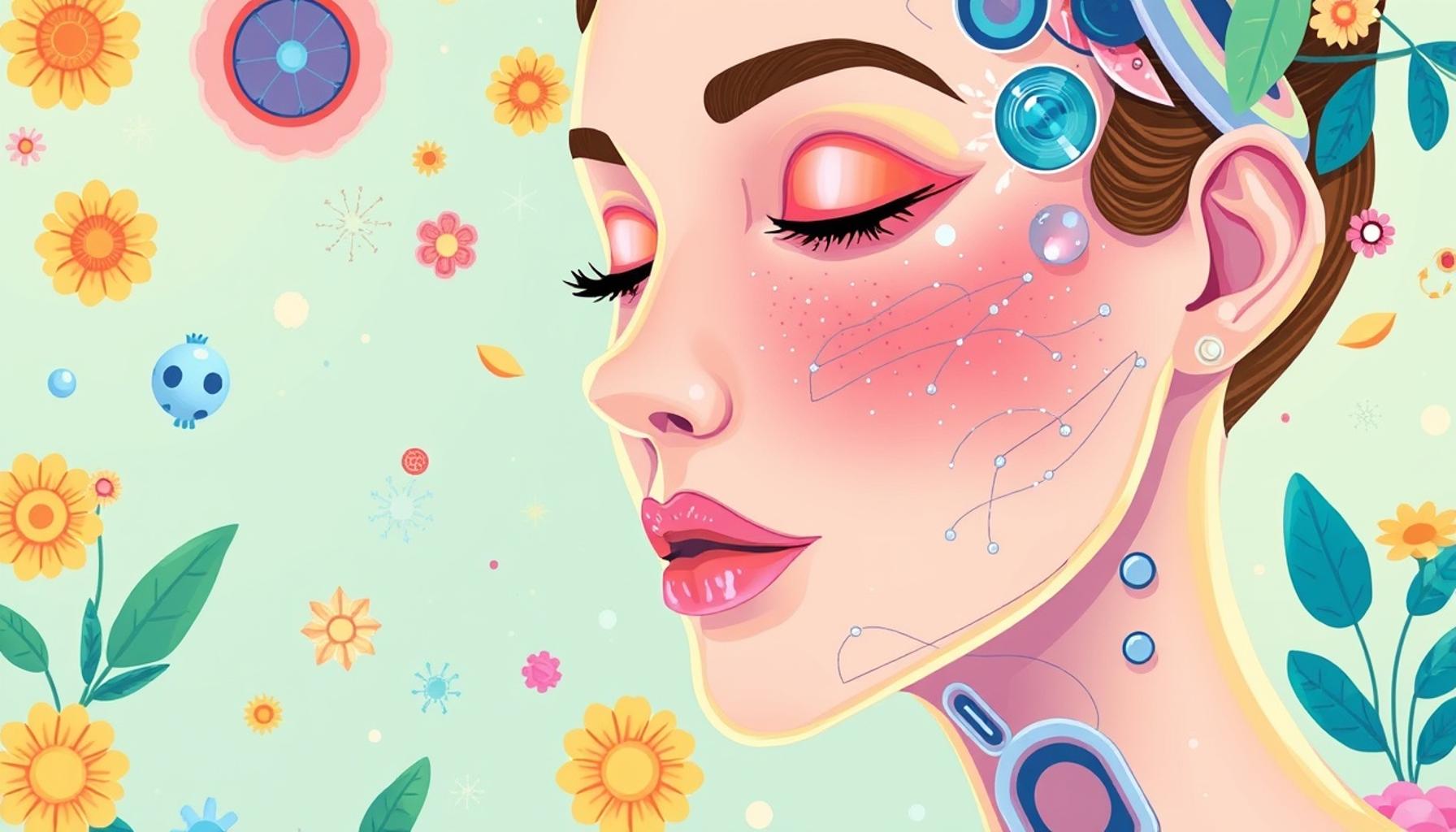
AI technologies now offer remarkable capabilities to identify and address individual skincare needs. For example, facial recognition software can analyze skin conditions, detecting issues such as hyperpigmentation, dryness, or acne. This technology allows algorithms to sift through an expansive database of products, returning personalized recommendations that are specifically suited to an individual’s profile.
Enhanced Personalization
- Personalized Recommendations: Utilizing sophisticated algorithms, skincare brands and apps can provide tailored product suggestions based on a user’s skin analysis, lifestyle, and preferences. For instance, a user with oily, acne-prone skin might receive recommendations for products that contain salicylic acid, while someone with dry skin could be matched with hydrating formulations enriched with hyaluronic acid.
- Data-Driven Insight: Through continuous interaction, skincare apps can collect and analyze user data to offer real-time feedback and actionable tips. For example, an app could remind a user to apply sunscreen based on UV index data in their location, helping them develop a proactive skincare routine that adjusts to their environment.
- Virtual Consultations: With the rise of telemedicine, AI-driven platforms enable users to engage in real-time consultations with dermatologists and skincare experts. This instant access to professional advice allows individuals to receive personalized recommendations without the constraints of geography or scheduling.
As the industry continues to embrace this shift toward AI-driven skincare, major brands are not only enhancing their product lines but also enriching customer engagement through interactive experiences. Companies like L’Oréal and Procter & Gamble have invested in AI solutions that allow customers to virtually test products before purchasing, transforming the conventional shopping experience into something meticulously tailored to consumer needs.
As we stand at the intersection of technology and beauty, it becomes clear that the future of skincare is not solely about the products themselves but about creating an engaging experience customized to each individual. By harnessing the power of AI, brands are empowering consumers to take charge of their beauty routines, leading to more effective treatments and happier, healthier skin. The next time you reach for a skincare product, take a moment to consider how AI might be enhancing not just the product quality, but the entire experience of beauty itself.
DIVE DEEPER: Click here to learn the differences
The Role of AI in Skincare Diagnostics
As technology continues to infiltrate various industries, the beauty sector is making immense strides through the integration of artificial intelligence in skincare diagnostics. AI-driven tools are revolutionizing how individuals assess their skin conditions and select products to optimize their skincare regimens. For instance, mobile applications equipped with AI capabilities can analyze a user’s photo, recognizing specific skin issues by employing advanced machine learning techniques. This provides consumers with an instant snapshot of their skin health and offers tailored solutions based on data rather than guesswork.
This personalized approach to skincare begins with an in-depth understanding of each user’s unique skin profile. The following elements play a pivotal role in ensuring that the recommendations provided are spot-on:
- Skin Type Identification: AI tools can determine whether skin is oily, dry, normal, or combination, allowing users to receive targeted suggestions. Recognizing your skin type is essential for selecting the right products, as it informs the ingredients that will be most beneficial.
- Analyzing Skin Concerns: Beyond identifying skin types, AI technology can also identify specific concerns such as aging, acne, or redness. This data helps consumers choose products that effectively address their issues while promoting overall skin health.
- Tracking Changes Over Time: AI-powered applications can monitor fluctuations in a user’s skin condition over time. By analyzing historical data, these tools can adapt recommendations based on seasonal changes, lifestyle factors, and product efficacy, ensuring that users are consistently using the best formulations for their evolving skin needs.
The implications of these advancements are profound. Traditional skincare regimens often rely on trial and error, wasting time and money on products that may not deliver results. However, with the assistance of AI, consumers can significantly lower this risk by gaining insights tailored just for them. Skincare brands are harnessing this intelligence to create offerings that promise higher satisfaction rates while minimizing the environmental impact of unused products.
Additionally, the infusion of AI personalization into beauty ecommerce platforms is transforming the way consumers shop. Imagine browsing an online store where your digital profile guides every choice, presenting only those items aligned with your skin’s needs. Major retailers in the United States, such as Sephora and Ulta, are already leveraging AI-driven technology to enhance user experiences. Shoppers can receive customized recommendations right at their fingertips, simplifying the often overwhelming task of skincare selection.
As we explore the intersection of technology and beauty further, it becomes evident that AI is not merely a passing trend. The emphasis on personalization and tailored skincare solutions is setting a new standard in the industry, leading to a more informed and confident shopper who is empowered to achieve healthier skin.
| Advantage | Description |
|---|---|
| Tailored Skincare Solutions | AI analyzes individual skin types to recommend personalized products, ensuring effectiveness. |
| Enhanced Customer Experience | Automated consultations provide instant feedback, increasing satisfaction and engagement. |
As AI continues to evolve in the beauty industry, the advantages become increasingly evident. One notable benefit is the creation of tailored skincare solutions; this allows consumers to receive highly specific recommendations based on their unique skin concerns, age, and lifestyle factors. By utilizing data-driven algorithms, brands can develop personalized regimens that truly address the needs of their clientele.Equally important is the impact of AI on enhanced customer experience. Through chatbots and virtual consultations, brands are able to provide immediate feedback and recommendations, creating a seamless interaction that captivates the consumer’s attention. This level of engagement not only fosters loyalty but also encourages exploration of products that one might not have otherwise considered. As a result, consumers are empowered to make more informed decisions about their skincare routines. With these advancements, the personalization of beauty through AI represents a shift towards a future where skincare is as unique as the individuals it serves. Brands leveraging such technologies are likely to stand out in a crowded marketplace, appealing to an audience eager for refined and effective beauty solutions.
DISCOVER MORE: Click here to enhance your skincare routine
Enhancing Product Development through AI
Beyond individual skincare diagnostics, artificial intelligence is also making waves in the realm of product development. The beauty industry has witnessed a paradigm shift as brands increasingly leverage AI tools to craft formulations that meet consumer demands more accurately than ever before. Armed with vast amounts of data, AI can analyze consumer preferences, ingredient efficacy, and emerging trends, thus guiding brands in the development of innovative products tailored for specific audiences.
One of the most compelling advantages of integrating AI into product development is its ability to sift through extensive research databases to identify potential skincare ingredients that may yield beneficial results. For instance, a brand seeking to develop an anti-aging serum can employ AI algorithms to examine scientific literature, consumer feedback, and competitors’ offerings, synthesizing insights to formulate products that not only resonate with consumers but also adhere to the latest scientific standards.
Moreover, brands are utilizing AI-powered simulations to test product formulations before physical prototypes are created. This approach significantly reduces the time and costs associated with traditional R&D processes. These simulations can predict how different skin types will react to various ingredient combinations, allowing formulators to refine their products beforehand, ensuring greater precision in targeting specific skin concerns.
The Rise of Virtual Try-Ons and Augmented Reality
As personalization becomes the norm, the use of augmented reality (AR) technologies powered by AI is on the rise. Many beauty brands are now offering virtual try-on experiences that empower consumers to visualize how products will look and feel on their skin, leading to more informed purchases. For instance, platforms like ModiFace and L’Oréal’s AR technology allow users to virtually apply makeup or skincare products using their device’s camera, thereby simulating the effects in real time.
This interactive approach not only enhances customer satisfaction by reducing the risk of disappointment with purchases but also taps into consumer psychology. By engaging users with personalized experiences, brands can create a deeper connection, encouraging loyalty and repeat business.
The power of data analysis extends further, with AI learning from user interactions to refine and improve recommendations continuously. For instance, if a consumer tries a product virtually and decides to purchase it, AI can analyze this decision along with other user data to improve future recommendations for that individual, making it possible to offer increasingly personalized experiences with each interaction.
Data Privacy and Ethical Considerations
While the benefits of AI personalization in beauty and skincare are significant, they come with certain ethical considerations, particularly regarding data privacy. The collection and analysis of personal data require a careful balance between offering tailored experiences and respecting consumer privacy. Brands must be transparent about data usage, ensuring users feel secure when sharing their information. Regulations like the California Consumer Privacy Act (CCPA) are leading the way in establishing guidelines that encourage responsible data practices, prompting brands to prioritize ethical considerations in their AI strategies.
As technology continues to advance, the interplay of AI and ethical compliance will undoubtedly shape the future landscape of the beauty industry. This ongoing transformation is not just about enhancing consumer experiences but also about ensuring that the methods used to achieve personalization align with broader societal expectations and legal frameworks.
DISCOVER MORE: Click here to learn about the evolution of beauty textures
Conclusion: The Future of Personalization in Beauty
The integration of artificial intelligence into the beauty industry is heralding a new era of personalization that is reshaping skincare routines and revolutionizing how consumers interact with products. By harnessing data-driven insights, brands are not only creating tailor-made solutions that address individual skin concerns, but they are also enhancing product development processes to ensure that innovations resonate with consumer needs. The rise of augmented reality and virtual try-ons has further enriched the customer experience, fostering deeper connections and cultivating brand loyalty.
However, as we embrace these advancements, it is crucial to remain vigilant regarding data privacy and ethical considerations. The beauty industry’s responsibility extends beyond creating personalized experiences; it also encompasses ensuring that consumers feel secure in the sharing of their personal information. Transparency will be key in gaining consumer trust as brands navigate this evolving landscape.
As the beauty industry continues to leverage AI technologies, the potential for customization grows exponentially. Consumers can expect increasingly sophisticated solutions that not only meet their unique skincare needs but also adhere to ethical standards. This ongoing transformation not only reflects the changing demands of modern consumers but also sets the stage for a future where beauty is as personalized as it is effective. In exploring this fascinating intersection of technology and beauty, consumers and brands alike are invited to embark on a journey towards innovation, sustainability, and unparalleled personalization in skincare.