Irrigation Tools for Beginners: What You Need to Know
Understanding Essential Irrigation Tools
Gardening is both an art and a science, and proper irrigation is a critical component of nurturing plants. For beginners diving into this rewarding hobby, the right tools can make all the difference. With a plethora of options available, it’s vital to know which irrigation tools will effectively support your garden’s health.
Why Invest in Irrigation Tools?
Efficient watering not only conserves resources but also ensures plants receive the moisture they need to thrive. Here are some key benefits of using irrigation tools:
- Consistency: Automated systems provide uniform watering, which prevents overwatering or under-watering. This is essential, as plants can quickly become stressed or damaged without a consistent moisture level.
- Time-Saving: Using advanced irrigation tools can significantly cut down the hours spent hand-watering. For instance, a simple timer attached to your irrigation system ensures that your plants are watered even when you’re busy with other tasks.
- Precision: Certain tools allow you to apply water directly to the root zone, reducing waste. With a drip irrigation system, water seeps slowly into the ground, providing a more targeted approach that keeps the surrounding soil dry, deterring weeds.
Key Tools to Consider
Before embarking on your gardening journey, familiarize yourself with these essential irrigation tools:
- Soaker Hoses: These hoses are particularly effective for garden beds and are designed to deliver moisture directly to the soil. As they release water along their length, they ensure that the entire root system receives an even distribution of moisture while minimizing evaporation.
- Drip Irrigation Systems: Often utilized in flower and vegetable patches, these systems maximize water efficiency. They can be customized to address the specific needs of various plants, ensuring that each one receives the right amount of water. Moreover, many states, such as California, encourage drip irrigation as a method to conserve water, making it not only a smart choice for your garden but also an environmentally friendly option.
- Sprinklers: Ideal for larger areas, sprinklers provide quick coverage and are perfect for lawns and expansive plots. With options ranging from stationary to oscillating sprinklers, gardeners can select systems that cater to their specific landscape requirements. For instance, a rotating sprinkler can cover a wide area, making it ideal for large backyards.
Understanding these tools will empower you to make informed decisions that enhance your gardening experience. Moreover, with various resources available, such as local gardening clubs or online forums, you can dive deeper into different irrigation techniques and trends.
With the right irrigation solutions, you’ll set the stage for vibrant plants and flourishing gardens. Not only will you enjoy the visual appeal of your garden, but you will also contribute positively to the ecosystem, making your gardening endeavor a beneficial one for both you and the environment.
DISCOVER MORE: Click here for essential soil preparation tips
Choosing the Right Tools for Your Garden
As you embark on your gardening journey, it’s essential to equip yourself with the right irrigation tools tailored to your specific needs. Depending on the size of your garden, the types of plants you intend to grow, and your local climate, your choices may vary significantly. Understanding your garden’s requirements will not only optimize water usage but also foster healthy plant growth, paving the way for a lush and vibrant garden.
Assessing Your Garden’s Needs
Before making any purchases, take a moment to evaluate your garden. Consider factors such as:
- Garden Size: The layout and size of your garden play a crucial role in determining which irrigation tools to use. Smaller gardens may thrive with something as simple as a handheld sprayer or soaker hose. In contrast, larger areas may benefit from a comprehensive drip irrigation system or sprinkler setup.
- Plant Types: Different plants have varying hydration needs. Vegetables, for instance, often require more frequent watering compared to established shrubs. Understanding the watering requirements of your plants will help you choose the right tools.
- Local Weather Patterns: The climate of your region can greatly influence your irrigation practices. Areas with high temperatures and low rainfall may necessitate more efficient systems, such as drip irrigation or soaker hoses, to conserve water.
Exploring Different Irrigation Methods
After assessing your needs, it’s time to explore various irrigation methods. Each technique comes with its own set of advantages and limitations, making it essential to match the method to your garden’s specific conditions:
- Surface Irrigation: A traditional method often used in vegetable gardens, surface irrigation involves applying water to the soil surface, where it then seeps into the ground. While simple and low-cost, this method requires careful management to avoid water wastage and can lead to uneven distribution if not properly executed.
- Subsurface Irrigation: This method delivers water directly to the root zone through buried tubes or pipes. Though more complex, subsurface irrigation efficiently minimizes evaporation and runoff, making it suitable for water-scarce areas.
- Automated Systems: Consider investing in an automated irrigation system, particularly if your schedule is busy. These advanced systems often feature timers and moisture sensors that ensure your plants are watered on a consistent schedule, even when you’re not around.
Keeping these factors in mind will help you select the tools and methods best suited to your gardening ambitions. By equipping yourself with a solid understanding of irrigation systems, you’ll illuminate a path toward a flourishing garden while conserving precious resources.
Your journey into the world of irrigation doesn’t need to be overwhelming. With a bit of research and the right tools at your disposal, you can create an efficient watering strategy that nurtures your plants and enhances the beauty of your outdoor space.
Irrigation Tools Options for Beginners
When stepping into the world of irrigation, it’s essential to understand the various tools available that cater to beginners. Each tool offers unique advantages that can facilitate efficient watering techniques for your garden or landscape. Here, we explore some critical types of irrigation tools and their benefits, ensuring that newcomers can make informed decisions.
| Irrigation Tool | Advantages |
|---|---|
| Drip Irrigation | Delivers water directly to the plant roots, minimizing evaporation and runoff. |
| Soaker Hoses | Provides an efficient and simplified way to irrigate garden beds without wasting water. |
As you delve deeper into the essential irrigation tools, consider the unique needs of your garden or landscape. Understanding these tools’ functionalities and limitations prepares you for selecting the best option to optimize your watering practices while conserving precious resources. With knowledgeable choices, beginners can create thriving plants and landscapes effortlessly.
IMPORTANT: Click here to learn how to recognize water stress in your plants
Navigating the World of Irrigation Tools
Once you’ve assessed your garden’s needs and explored various irrigation methods, the next step is to dive into the specific irrigation tools available to you. Understanding the features and benefits of each tool is crucial in making informed choices that align with your gardening goals. Below, we spotlight essential tools that every beginner gardener should consider adding to their toolkit.
Essential Irrigation Tools
While options abound, a few specific tools stand out for their utility and effectiveness in different gardening scenarios:
- Hoses: A garden hose is a fundamental tool in any gardener’s arsenal. Available in various lengths and materials, hoses are both versatile and easy to use. Opt for a lightweight hose that is easy to maneuver but durable enough to withstand the elements. Consider a soaker hose if you prefer a gentle watering method that delivers moisture directly to the soil.
- Sprinklers: Ideal for larger garden spaces, there are several types of sprinklers, such as stationary, oscillating, and rotating models. Stationary sprinklers are perfect for smaller areas, while oscillating and rotating sprinklers efficiently cover broader expanses. Be sure to choose a sprinkler head that adjusts to your specific garden layout for optimal watering.
- Drip Irrigation Kits: Drip irrigation is lauded for its efficiency. Kits are available that include everything you need: emitters, hoses, connectors, and timers. These systems deliver water slowly and directly to your plants’ roots, reducing evaporation and runoff. They’re particularly useful for dense plantings or in drought-prone areas where conserving water is essential.
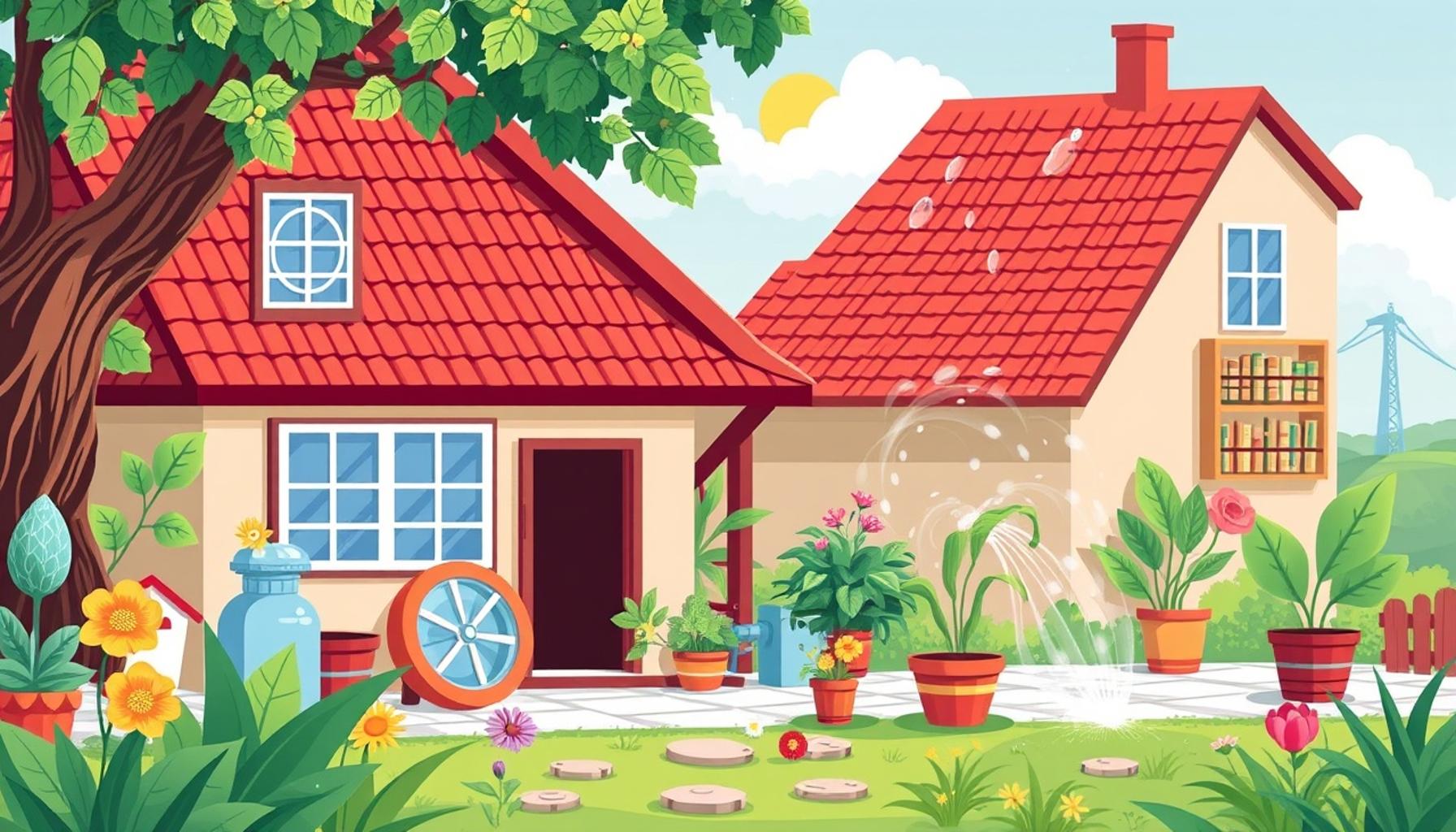
- Rain Barrels: Harvesting rainwater not only conserves resources but also lowers your water bills. Setting up a rain barrel at your downspouts allows you to collect and store rainwater for future use. A simple gravity-fed system can be used to water garden beds effectively, making it an eco-friendly choice.
Understanding Maintenance and Upkeep
Choosing the right tools is only half the battle; proper maintenance ensures their longevity and effectiveness. Here are some key maintenance tips:
- Inspect Regularly: Make it a habit to inspect hoses and connectors for leaks, cracks, or signs of wear. Early detection can save you money and prevent more significant problems down the road.
- Clean Filters: If you opt for a drip system, regularly clean the filters in your emitters to prevent clogs that could disrupt water flow.
- Winterize: In colder climates, don’t forget to winterize your irrigation systems by draining water to prevent freezing and cracking. Storing hoses indoors during winter months also ensures their durability.
Exploring Advanced Features
As you gain experience with irrigation, you might explore advanced features that further enhance efficiency. For instance, automatic timers can be programmed to water at specific times, while moisture sensors can alert you when plants need watering based on soil conditions. Some systems can even be controlled remotely through smartphone applications, allowing for real-time adjustments.
Understanding these various tools and methods will empower you to curate an irrigation strategy that not only meets your plants’ specific needs but also aligns with your personal gardening aspirations. Engaging with the diverse world of irrigation tools can transform your gardening experience, making it rewarding and sustainable.
DIVE DEEPER: Click here for expert tips on natural pest control
Conclusion: Cultivating Your Gardening Journey
Starting your gardening journey can feel overwhelming, especially when navigating the myriad of irrigation tools and systems available today. However, understanding the fundamentals of what you need—like garden hoses, sprinklers, drip irrigation kits, and rain barrels—is essential for cultivating a flourishing garden. Each tool serves a unique purpose, tailored to different gardening styles and plant needs, allowing you to create a thriving ecosystem in your backyard.
Equally important is the maintenance of these tools. Regular inspections and proper upkeep not only ensure their effectiveness but also contribute to the longevity of your gardening equipment, maximizing your investment. By adopting simple maintenance routines, you can prevent common pitfalls, ensuring your irrigation system works efficiently season after season.
As you gain confidence in your gardening skills, consider exploring advanced features such as automated timers and moisture sensors. These innovations can streamline your irrigation process and enhance water conservation, contributing to a more sustainable gardening practice. The technology available today allows you to take control of your watering routine, adapting it to the varying needs of your plants throughout the year.
In conclusion, arming yourself with knowledge about irrigation tools is crucial for any beginner gardener. By carefully selecting the right tools and developing a maintenance plan, you can create a beautiful, healthy garden that flourishes for years to come. Don’t hesitate to dive deeper into each of these tools and systems; the right research today can lead to a lush, productive garden tomorrow. Happy gardening!