Understanding Beneficial Insects: Allies in Your Garden
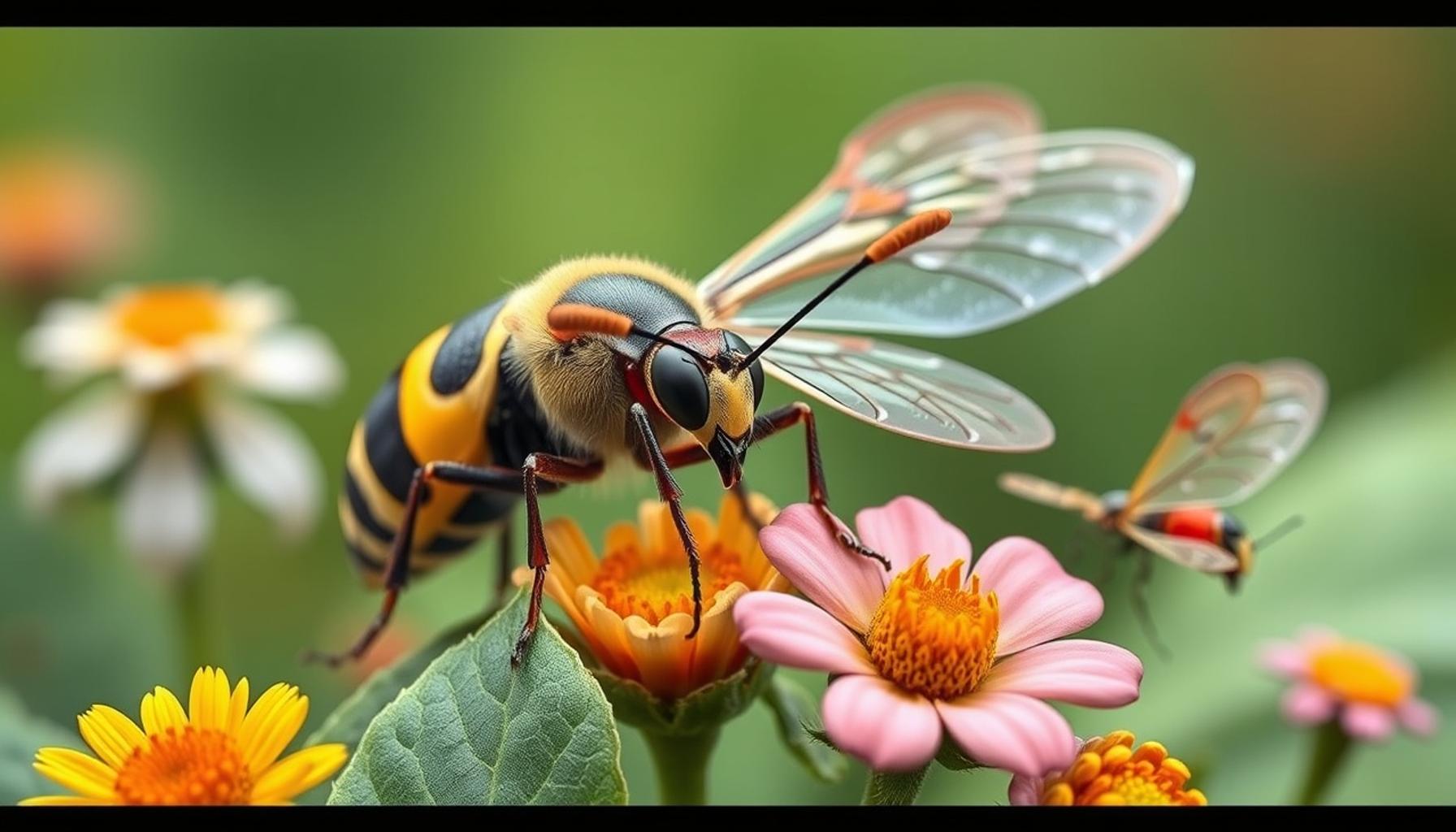
Understanding the Role of Beneficial Insects
In the world of gardening, not all insects are created equal. While some may cause chaos among your plants, others play a crucial role as beneficial allies. It’s essential for gardeners to recognize these beneficial insects and their vital contributions to creating a sustainable garden ecosystem.
One of the most significant advantages of beneficial insects is their role in pollination. Insects such as bees, butterflies, and even some beetles are essential for the reproduction of flowering plants. For instance, honeybees, which are prevalent across the United States, contribute to the pollination of a remarkable array of crops, including fruits like apples, cherries, and blueberries. The impact of these industrious pollinators is simply astonishing, as they are responsible for pollinating about one-third of the food we consume. Moreover, practices like planting native flowers can attract these important pollinators, creating a vibrant community in your garden.
Another critical aspect of beneficial insects is their ability to perform pest control. Predatory insects, such as ladybugs and lacewings, can dramatically reduce populations of pests that are harmful to plants. For example, ladybugs consume vast quantities of aphids, which are notorious for damaging crops and ornamental plants. Just a small population of ladybugs can clear out an aphid infestation before it spirals out of control. Encouraging the presence of these insects can involve creating habitats, such as planting specific flowers that attract them or providing structures for them to shelter.
Additionally, some insects contribute significantly to soil health. Earthworms, for instance, play a vital role in enriching the soil by breaking down organic matter and enhancing nutrient availability. They create channels in the soil that improve aeration and drainage, which are crucial for robust root development. Moreover, some species of beetles and ants also contribute by mixing soil layers and decomposing organic material, thus promoting a fertile environment where plants can thrive.
As gardening enthusiasts across the United States discover the importance of these tiny allies, it’s clear that integrating beneficial insects into your garden can lead to healthier plants and a more balanced environment. By fostering a diverse and welcoming habitat, gardeners not only help these insects thrive but simultaneously create an ecosystem that supports the growth of their plants. The integration of beneficial insects is like establishing a silent army that works tirelessly to ensure the health and abundance of your garden.
In conclusion, recognizing and promoting beneficial insects is essential for any gardener aiming for a thriving, sustainable garden. By understanding the roles these creatures play, gardeners can cultivate a harmonious ecosystem that benefits both plants and the environment as a whole.
DIVE DEEPER: Click here to discover the best eco-friendly gardening tools
The Many Faces of Beneficial Insects
Beneficial insects come in a remarkable variety of shapes and sizes, serving multiple indispensable functions while enriching the garden ecosystem. Among these insects, some are well-known for their roles in pollination and pest control, while others go unnoticed as essential players in soil health and nutrient cycling. Let’s dive deeper into the profiles of these tiny allies and how they contribute to a thriving garden.
Pollinators: The Garden’s Champions
Pollinators are perhaps the most recognized beneficial insects, and for good reason. They ensure the reproduction of many plants, which is vital for producing fruits, vegetables, and nuts. The most common pollinators include:
- Bees: These industrious insects, particularly honeybees and native bee species, are responsible for pollinating over 70 crops in the United States. Their exceptional ability to transfer pollen from one flower to another leads to the formation of fruits and seeds.
- Butterflies: Aside from their beauty, butterflies play a crucial role in the pollination of many flowering plants, aiding in plant reproduction.
- Beetles: Often overlooked, certain beetles also pollinate plants while they feed on pollen, helping to support the growth of various crops.
Creating a welcoming environment for these pollinators can influence your garden’s productivity. Planting a diverse range of native flowers that bloom at different times of the year can attract these crucial insects, ensuring your plants receive the pollination they need.
Pest Predators: Nature’s Pest Control
In the battle against garden pests, beneficial insects act as formidable allies. Predatory insects are crucial for maintaining a balanced ecosystem, as they help control pest populations naturally. Some of the key players include:
- Ladybugs: Known for their distinctive red and black spots, ladybugs can consume thousands of aphids in their lifetime—a significant achievement in managing pest populations.
- Lacewings: Often referred to as “aphid lions” in their larval stage, lacewing larvae consume various soft-bodied pests, including aphids and spider mites.
- Parasitic Wasps: These tiny wasps lay their eggs inside or on pests like caterpillars or aphids, with the emerging larvae feeding on the host, effectively controlling pest populations.
Encouraging these pest predators in your garden can be achieved by maintaining diverse plantings, incorporating flowering plants, or even introducing them to your garden as a form of biological control.
Soil Enhancers: The Unsung Heroes
While pollinators and pest predators often steal the spotlight, numerous insects work tirelessly beneath the soil to enhance its health and structure. They breakdown organic matter, release nutrients, and create air pockets essential for healthy root growth. Some noteworthy contributors include:
- Earthworms: Often called “nature’s plows,” earthworms aerate the soil and improve its structure, making it more conducive for plant roots to access water and nutrients.
- Root-feeding Beetles: Their activities help mix the soil layers, promoting an environment rich in organic material and beneficial microorganisms.
- Ants: As they tunnel through the ground, ants improve soil aeration and help decompose organic matter, which can enhance nutrient cycling.
Understanding the diverse roles played by these beneficial insects not only illuminates their importance but also empowers gardeners to create an environment where both plants and insects can thrive together.
| Category | Key Features |
|---|---|
| Pollinators | Essential insects like bees and butterflies facilitate the reproductive process of flowering plants. |
| Natural Pest Control | Predatory insects such as ladybugs and lacewings help manage pests by preying on common garden nuisances. |
In the context of gardening, understanding the roles of beneficial insects is critical for creating a thriving ecosystem. Pollinators like bees not only enhance flower production but also contribute heavily to crop yields, making them essential for both hobbyists and professional gardeners alike. By attracting these delightful insects, gardeners can enhance biodiversity and improve their garden’s overall health.Moreover, natural pest control is another vital aspect provided by beneficial insects. The presence of predatory insects can drastically reduce the need for chemical pesticides, promoting a healthier environment in your garden. This not only supports plant health but also supports local wildlife, leading to a balanced ecosystem where plants, animals, and the soil thrive symbiotically. Embracing these natural allies can transform your gardening experience, encouraging growth and sustainability.
DISCOVER MORE: Click here for essential gardening tips
Beneficial Insects and Their Multifaceted Roles
In addition to pollination, pest control, and soil enhancement, many beneficial insects play vital roles in disease management, nutrient cycling, and even supporting plant health through symbiotic relationships. Understanding these additional dimensions can help gardeners appreciate the complex interplay of life within their gardens.
Disease Management: Natural Defenders
Some beneficial insects can significantly contribute to managing plant diseases by keeping harmful pests under control. Many pests, such as aphids and thrips, not only damage plants but also act as vectors for plant diseases. By controlling these pests, beneficial insects help to reduce the chances of crop infections. Key players in this role include:
- Predatory Mites: These tiny arachnids feed on other mites that are known to transmit diseases, such as the two-spotted spider mite, thereby fortifying plant health.
- Green Lacewing Adults: While their larvae consume aphids, the adults also partake in pollen and nectar, helping to pollinate flowers and preventing the spread of plant viruses.
- Nematodes: Beneficial nematodes are microscopic roundworms that can control pest populations in the soil by preying on larvae of harmful insects and thereby reducing disease incidence.
By inviting these defenders into your garden, you create a healthier environment where plants can flourish unencumbered by disease, ultimately leading to a more productive garden.
Nutrient Cycle Facilitators: Nature’s Composters
As gardens evolve, the importance of nutrient cycling becomes increasingly apparent. Specific beneficial insects contribute to this process, breaking down organic matter and facilitating nutrient availability for plants. Some of the prominent players include:
- Dung Beetles: Known for their ability to recycle animal waste, dung beetles aerate the soil and return nutrients to the earth, enhancing soil fertility.
- Soil Microfauna: While not insects, beneficial microfauna such as protozoa work closely with insect decomposers to break down organic residue, releasing essential nutrients into the soil.
- Termites: Often misunderstood, termites contribute to nutrient cycling by decomposing wood and other plant residues, enriching the soil chemical composition.
By promoting a diverse array of these organisms in your garden, you ensure a continuous supply of essential nutrients that support plant growth and resilience.
Symbiotic Relationships: The Power of Partnership
A fascinating aspect of beneficial insects is their symbiotic relationships with plants, where both parties mutually benefit. Such partnerships can lead to increased plant health and pest resistance. Notable examples include:
- Aphidius wasps: These tiny wasps not only hunt for aphids but their presence can also trigger chemical defenses in plants, boosting their immunity against pests.
- Ants and aphids: Though ants are often seen as pests, some act as protectors of aphids, which in return secrete honeydew that ants consume. This relationship can, however, pave the way for a delicate balance in pest control if managed correctly.
- Bees and flowering plants: Beyond pollination, the act of visiting flowers encourages flowering plants to produce more blooms, creating an attractive environment that supports both the insects and the plants.
Incorporating companion planting strategies can help strengthen these relationships, allowing for a more resilient ecosystem within your garden.
LEARN MORE: Click here to discover effective soil layering strategies
Conclusion: Embracing the Allies in Your Garden
In summary, understanding beneficial insects enriches our gardening practices and fosters a deeper appreciation for the intricate relationships within our ecosystems. As detailed throughout this article, these essential allies contribute to pest control, disease management, and nutrient cycling, enhancing not only the health of plants but also the overall vibrancy of our gardens. By attracting and maintaining a diverse population of beneficial insects, such as predatory mites, lacewings, and dung beetles, gardeners in the United States can create a balanced environment that supports both plant growth and resilience.
Furthermore, the symbiotic relationships between insects and plants highlight the importance of cooperative interactions in nature. From the pollination efforts of bees to the disease-preventing roles of parasitic wasps, every beneficial insect plays a pivotal part in fostering successful gardening outcomes. To harness the potential of these natural allies, consider adopting practices like companion planting and minimizing chemical pesticide use, which can inadvertently harm beneficial insects.
Ultimately, by embracing the role of beneficial insects, gardeners not only cultivate healthier gardens but also contribute to a thriving ecosystem. As we strive for sustainability and biodiversity, recognizing these allies is vital for nurturing the foundations of agriculture and gardening into the future. Explore new ways to attract and support these invaluable creatures, and watch your garden flourish in response to their unwavering support.