
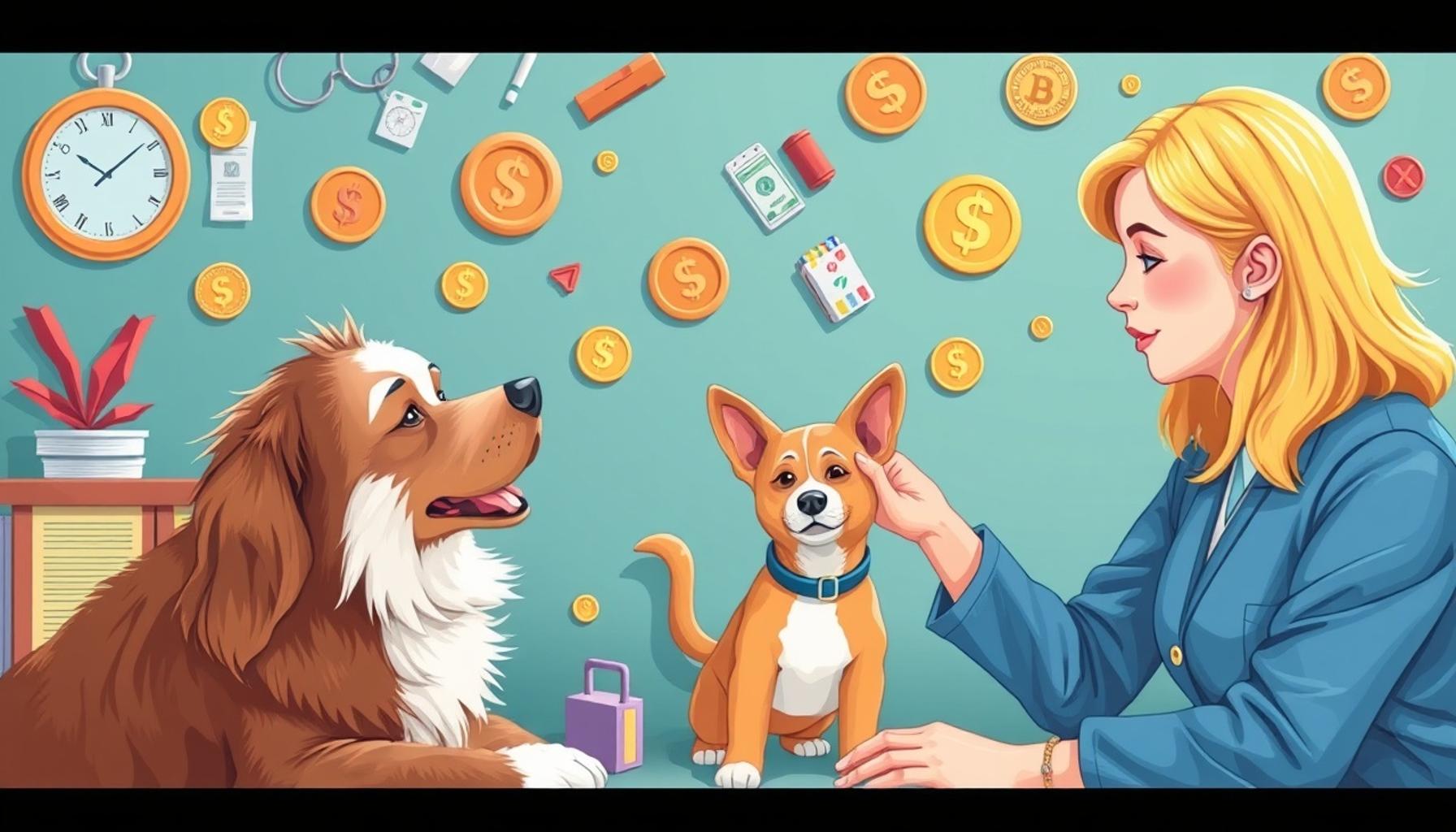
Understanding Pet Body Language
Pets are not merely creatures residing in our homes; they have become integral members of our families, sharing in our joys, sorrows, and daily routines. Thus, mastering the art of communication with them is crucial for fostering a strong and nurturing relationship. One pivotal and often underestimated dimension of this communication is body language. By honing our understanding of both the expressions our pets emit and the signals we convey through our physical presence, we can significantly enhance the training experience and overall bond.
Central to our understanding of pet communication are a few key elements:
- Non-Verbal Cues: Much like humans, dogs and cats have a rich arsenal of body language at their disposal. For example, a dog’s relaxed posture—with ears down, tail wagging gently, and mouth slightly open—typically signals happiness and comfort. Conversely, an arched back, raised hackles, and a stiff tail can indicate fear or aggression. Cats, too, communicate through subtle shifts; a slow-blink towards a human can signify trust, while a puffed-up body and hissing indicate distress or threat.
- Clear Signals: Establishing a calm and confident demeanor while interacting with pets is essential in nurturing trust. Sudden movements, loud voices, or frantic gestures may frighten an animal, leading to confusion or anxiety. For instance, when training a dog, extending your arm in a relaxed manner, maintaining eye contact, and using a soft tone can encourage cooperation and reduce apprehensiveness.
- Reinforcement: Utilizing positive body language reinforces desirable behaviors. When a dog performs a trick or obeys a command, offering a thumbs-up, relaxed stance, and a warm smile can effectively communicate approval. This non-verbal affirmation strengthens the bond and motivates the pet to repeat the desired action.
The realm of body language goes beyond mere commands; it taps into the nuances of emotion and intention. For instance, while it’s common to assume a wagging tail signifies joy, the context of the tail’s movement is critical. A high and fast wag could express excitement, while a low wag accompanied by stiff body language may indicate anxiety. By deciphering these signals, pet owners can cultivate a more profound and rewarding relationship with their animals.
Understanding the intricacies of body language greatly enriches the pet training journey and enhances overall communication. This exploration not only equips pet owners with essential skills for training but also deepens the emotional connections shared with their furry companions. In the following sections, we will delve into practical strategies and tips, revealing how to harness the power of non-verbal communication to transform interactions with your beloved pets and create a harmonious living environment.
DIVE DEEPER: Click here to learn about species diversity in terrariums</p
Interpreting Your Pet’s Signals
As pet owners, it is essential to develop a keen awareness of the subtle signals conveyed by our pets. Recognizing and interpreting these nuances can be the difference between a successful training session and a frustrating one. Just as we rely on verbal communication, our pets depend on their physical expressions to communicate their feelings and needs. Understanding these signals requires patience and observation, allowing pet owners to respond appropriately and foster a positive training environment.
One of the foundational aspects of interpreting pet body language is observing their facial expressions. For dogs, a relaxed mouth, soft eyes, and a calm expression often signal contentment. In contrast, a tense mouth, dilated pupils, or raised hackles may indicate stress or aggression. Similarly, cats reveal their emotions through the positioning of their ears and whiskers. Ears that are pointed forward signify curiosity or interest, while ears that are flattened against the head often indicate a defensive or hostile stance.
Another key area is understanding the importance of posture. Pets express their feelings through body orientation and stance. For example, a dog that approaches you with a loose body, tail wagging mid-height, and head slightly lowered is signaling friendliness. On the other hand, a dog standing tall with a stiff body and direct eye contact may be asserting dominance or showing aggression. Cats exhibit similar behaviors; a cat that approaches with a relaxed posture is generally comfortable, while one that is hunched with arched back may be attempting to appear larger when threatened or scared.
To further grasp the intricacies of body language, consider these common signals and their meanings:
- Tail Position: A wagging tail can indicate happiness, but be mindful of its height and speed. A high, fast wag often signifies excitement, while a slow wag with a low tail may suggest uncertainty.
- Ear Movement: Erect ears indicate alertness or interest, while ears laid back show fear or submission. Understanding these contrasts can help you respond accordingly.
- Vocalizations: Pay attention to the sounds your pet makes. Soft whining might indicate a desire for attention, while growling can act as a warning.
Through a thorough understanding of these signals, pet owners can effectively align their training techniques with their pets’ emotional states, leading to better communication and cooperation. The bond between a pet and its owner is strengthened by the mutual understanding of body language, creating a nurturing environment where both can thrive. In the next section, we will explore how pet owners can fine-tune their own body language to enhance training outcomes, ensuring that they offer clear and supportive cues during their interaction with their furry friends.
| Advantage | Details |
|---|---|
| Enhanced Communication | Understanding your pet’s body language leads to improved communication, allowing you to respond better to their needs. |
| Strengthened Bond | Using appropriate body language techniques fosters a stronger emotional connection, thus making the training process more effective. |
In the realm of pet training, recognizing the significance of body language can be transformative for both the trainer and the pet. The first advantage, “Enhanced Communication,” underscores how interpreting your pet’s gestures can lead to a dialogue that transcends basic commands. For instance, a dog’s wagging tail or relaxed ears conveys feelings of comfort and happiness, while tense body posture might indicate anxiety or fear. By acknowledging and adjusting your actions based on these signals, you can tailor your training methods to your pet’s emotional state.Moreover, the second advantage, “Strengthened Bond,” highlights a crucial aspect of effective training. Employing positive body language not only enriches the interaction but also cultivates trust and friendship. For example, kneeling to the dog’s level fosters a sense of safety, encouraging them to open up and engage more readily. As you explore these aspects of body language in your training approach, you’ll likely discover that results improve significantly, leading to mutual understanding and companionship. Embracing these principles is not just beneficial; it is essential for anyone serious about cultivating a successful training experience with their pets.
DISCOVER MORE: Click here to learn how dental health impacts your pet’s well-being
Adapting Your Body Language for Optimal Communication
While understanding your pet’s body language is crucial, it’s equally important for pet owners to be aware of their own non-verbal cues. Our movements, posture, and expressions can significantly impact how our pets perceive us, influencing their responses during training. By adapting our body language, we can create a conducive environment for learning and enhance the overall training experience.
One essential aspect of effective communication is maintaining a calm demeanor. Pets are exceptionally attuned to their owner’s emotional states. If you approach training with frustration or anxiety, your pet is likely to sense this unease, making them hesitant or uncooperative. Instead, practice deep breathing and enter each training session with a relaxed mindset. Your body language should exude confidence and approachability, setting a positive tone for the interaction.
Another critical factor is your posture and stance. Staying at your pet’s eye level can bridge the gap between human and pet, making you appear less intimidating. For larger dogs, kneeling or sitting can demonstrate that you are open and accessible. This level of comfort allows your pet to engage more freely, fostering their willingness to learn. Conversely, looming over your pet can create feelings of intimidation, potentially leading to resistance. Whenever possible, create an inviting atmosphere by using a soft, open posture and relaxed facial expressions.
Additionally, consider the use of gestures when communicating with your pet. Dogs, in particular, are highly responsive to visual cues. Incorporating consistent hand signals alongside verbal commands can reinforce their understanding and create a clearer learning environment. For example, using a palm-up gesture when inviting your dog to come, or a finger point for “sit,” can complement verbal instructions effectively. Similarly, for cats, using slow hand movements can signal a desire for them to approach, reducing their likelihood of feeling threatened.
A vital component of body language is the proximity you maintain during training. Allowing your pet to initiate contact reinforces their sense of autonomy and trust. For example, if a dog is hesitant, taking a few steps back can encourage them to come closer on their own terms. This independence fosters confidence and strengthens the bond between pet and owner, enhancing the training experience.
Another aspect to consider is the use of rewards and reinforcement during training. The way we present treats or toys can affect how our pets respond. Offering rewards with open palms or smooth, welcoming gestures communicates positivity and encourages desired behaviors. It’s essential to be mindful of your body language when delivering praise, as your enthusiasm should match your pet’s response, ensuring they correlate your actions with positive feelings.
Finally, maintaining a consistent training environment is vital in reinforcing body language cues. Whether indoors or outdoors, changing settings can affect how your pet interprets both their body language and yours. A familiar environment often leads to increased comfort, while a new space may provoke anxiety, requiring you to adapt your approach accordingly.
By aligning your body language with your pet’s understanding, you pave the way for effective communication and successful training sessions. Being aware of how your movements, gestures, and overall demeanor affect your pet is crucial to developing a strong, trusting bond that facilitates learning and creates lasting companionship.
DISCOVER MORE: Click here for essential tips on choosing the right food for your pet
Conclusion: Mastering Non-Verbal Communication for Successful Pet Training
In the intricate dance of pet training, body language plays an indispensable role that often goes overlooked. As pet owners, understanding and adapting our own non-verbal cues can significantly influence our pets’ learning experiences and behaviors. The essence of effective communication lies in our ability to exhibit a calm demeanor, inviting posture, and meaningful gestures, all of which foster a nurturing environment for our pets to thrive and learn.
When we harmonize our body language with our pets’ cues, we build a bridge of understanding that goes beyond words. This alignment not only enhances their receptiveness to commands but also strengthens the bond between pet and owner. By creating a safe space that respects their autonomy and encourages positive interactions, we affirm their status as trusted companions, rather than submissive learners.
Moreover, the thoughtful use of gestures and proximity during training elevates the learning experience, allowing pets to feel empowered and engaged. Reinforcement through rewards tied to our expressive body movements can lead to quicker, more reliable responses from our furry friends, transforming the training process into an enjoyable bonding activity.
Ultimately, a commitment to refining our body language skills isn’t just about effective training; it’s about nurturing a lasting relationship filled with mutual respect and love. As we continue to explore the nuances of non-verbal communication with our pets, let us remain mindful of their perceptions and our actions, paving the way for a harmonious coexistence. For those looking to dive deeper, consider engaging in resources or workshops focused on body language in pet training to enhance your knowledge and techniques further.