
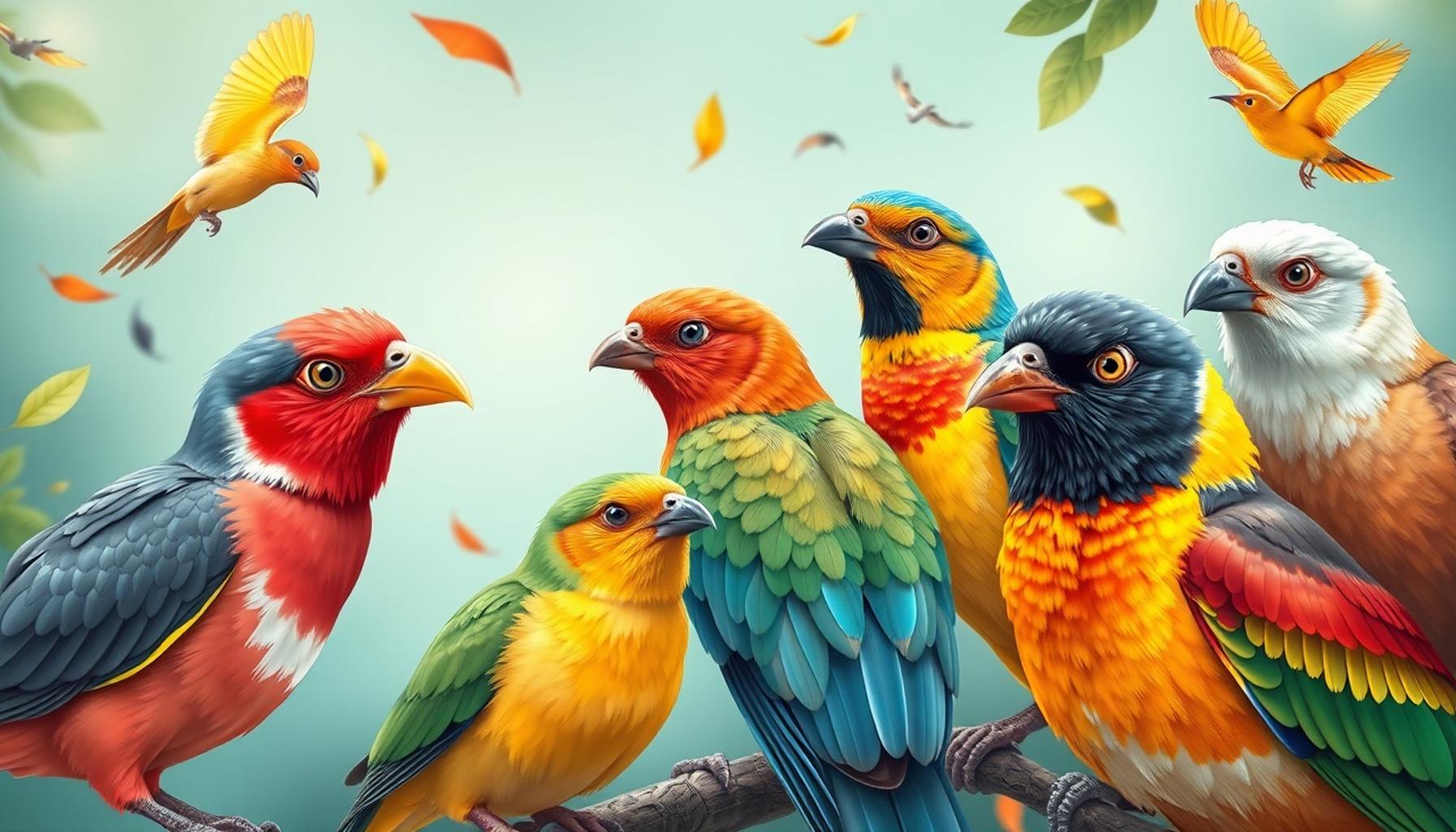
Understanding Pet Birds
Bringing a pet bird into your home can transform your living space into a lively environment filled with song, chatter, and personality. Pet birds can be an excellent choice for individuals and families looking for companionship yet may not have the capacity for a larger pet, like a dog or cat. With a myriad of species to choose from, each bird comes with its own set of characteristics, beauty, and care requirements that make them unique. Knowing these details can enhance your experience and ensure a sustainable relationship with these lively companions.
Popular Pet Bird Species
Each bird species boasts distinctive traits. Here are five of the most popular pet birds in the United States, each with noteworthy attributes:
- Budgerigar (Budgie): A favorite among avian enthusiasts, budgies are small, charming parrots known for their vibrant plumage and engaging personalities. They can learn to imitate sounds and phrases, making them entertaining companions. Budgies thrive in interactive environments where they can socialize with their owners and other birds.
- Canary: These birds are cherished for their beautiful singing capabilities. Canaries, especially the male, are known to provide a stunning serenade that can uplift any room. They require a calm and quiet environment to flourish and are best kept alone or in pairs to maintain their singing prowess without competition.
- Lovebird: True to their name, lovebirds are affectionate and thrive on social interaction. They are often described as lively and playful, requiring plenty of mental stimulation. Due to their need for companionship, it is advisable to keep them in pairs to ensure they remain happy and engaged.
- Cockatiel: With their friendly disposition and adorable crest, cockatiels are one of the most endearing choices. They enjoy human company and can often be found snuggling up to their owners, making them a prime candidate for a family pet. Their ability to whistle tunes adds to their appeal as interactive pets.
- African Grey: Known for their exceptional intelligence and problem-solving skills, African Greys are sometimes regarded as the Einsteins of the bird world. They require ample mental engagement and social interaction, making them suitable for dedicated bird enthusiasts who can invest time into their development.
The Essentials of Avian Care
Caring for pet birds goes beyond providing food and water. It involves understanding their habitat needs, dietary requirements, and social behaviors. Each species has specific needs that must be met for optimal health and happiness. For example, a varied diet including seeds, fresh fruits, and vegetables is essential for most birds, whereas some species might necessitate fortified pellets to ensure they receive adequate nutrition. Proper habitat setups, such as spacious cages, safe perches, and stimulating toys, can significantly improve their quality of life.
It is crucial to frequently observe your bird’s behavior changes, which can be indicative of their health. Regular veterinary check-ups, bird-safe environments, and a commitment to ongoing social interaction will help foster a loving and enriching relationship with your avian companion. By delving deeper into the fascinating world of pet birds, you can contribute significantly to their well-being while enjoying the companionship they provide.
DISCOVER MORE: Click here for insights on adapting your senior pet’s diet
Diving Deeper into Bird Ownership
Owning a pet bird is not merely about having a chirpy companion; it entails embracing a unique set of responsibilities and joys. The popularity of pet birds across the United States is indicative of their charm, intelligence, and the companionship they offer. However, potential bird owners must recognize that each species comes with its own personality traits, social needs, and care demands. Understanding these intricacies will ensure a fulfilling experience for both the bird and the owner, as well as pave the way for a long-lasting bond.
Understanding Bird Behavior and Social Needs
Birds are inherently social creatures. Many species, like the Budgerigar and the Cockatiel, exhibit strong social behaviors and thrive on interaction with their human companions or other birds. Sexual dimorphism, vocal capability, and playfulness vary across different bird species, which means understanding their behaviors will help guide your care approach.
For instance, a Budgerigar can often mimic not just sounds but phrases, reflecting their need for social communication. In contrast, a Canary creates melodious tunes primarily through individual expression, requiring a serene atmosphere away from distractions. It’s essential to recognize these differences when selecting a bird that fits your lifestyle.
The Importance of Proper Habitat
The habitat plays a crucial role in the happiness of pet birds. When considering a bird as a pet, potential owners must invest in a suitable cage that allows ample space for movement along with safe perches and toys to encourage exploration and play. Each species has distinct habitat needs, and failing to meet these can lead to stress and health issues. For example, African Greys require larger cages due to their intelligence and energy levels, while Lovebirds need spaces they can share with a partner or companion.
Nourishing Your Winged Friend
Feeding your pet birds a balanced diet is critical for their well-being. A proper diet can prevent health issues and support their vibrant lifestyles. Here is a breakdown of common dietary needs by species:
- Budgerigar: Should receive a mix of seeds, fresh fruits, and vegetables along with calcium sources for strong bones.
- Canary: Typically thrives on a seed-based diet supplemented with greens and soft foods, especially during breeding seasons.
- Cockatiel: Requires a combination of seeds, pellets, and fresh food options. Variety is key to prevent dietary deficiencies.
- African Grey: Demands a diverse diet that includes high-quality pellets, fresh produce, and occasional treats to keep their intellect engaged.
- Lovebird: Needs a blend of seeds, pellets, and fruits while being cautious with high-fat items.
By ensuring your pet bird’s nutritional needs are met, you will not only promote health but also contribute to their longevity. It’s crucial to conduct further research tailored to the species you choose, as detailed understanding will shape a better life for your feathered friend.
The Variety of Pet Birds: Discovering the Most Popular Species and Their Care
When it comes to selecting a feathered friend, the choices can be as diverse as the pet birds themselves. Understanding the unique characteristics of each species is essential for potential bird owners to ensure they choose a companion that fits their lifestyle. From the charming Budgerigar to the colorful Macaw, each species offers distinct features, personalities, and care requirements.
For example, the Budgerigar, often referred to as a “budgie,” is known for its friendly nature and ability to learn to talk. These small parrots are perfect for first-time bird owners due to their manageable size and social demeanor. On the other hand, Lovebirds are renowned for their affectionate behavior and bond closely with their owners, needing ample interaction to thrive. In contrast, large birds like African Grey Parrots command attention with their intelligence and require a substantial commitment in terms of time and care.
Furthermore, caring for pet birds involves understanding their dietary needs, habitat preferences, and social behaviors. For instance, many birds thrive on a diet comprising a variety of seeds, pellets, fresh fruits, and vegetables. This nutritional balance not only promotes a healthy lifestyle but also enhances their vibrant plumage and overall well-being. Additionally, depending on the species, the size and layout of their cage can greatly influence their happiness. A spacious cage equipped with stimulating toys is crucial for birds like Amazon Parrots that are known for their playful antics.
To deepen your understanding of pet birds, exploring their care needs, grooming practices, and interaction habits is vital. With the right knowledge and dedication, you can ensure that these lively companions lead fulfilling lives within your home. Let’s take a closer look at the advantages of having pet birds and the specific care each species requires.
| Category 1 | Category 2 |
|---|---|
| Social Interaction | Birds like Lovebirds thrive on companionship, making them ideal for social households. |
| Vocal Abilities | Species such as Budgerigars can mimic phrases, adding lively conversations to your home. |
| Cognitive Skills | Birds like the African Grey are known for their problem-solving abilities, providing engaging challenges. |
| Colorful Displays | The Macaw showcases stunning feathers, enhancing the aesthetic appeal of any space. |
Now that we have laid the groundwork regarding species and care, let’s explore the essential aspects of maintaining a healthy environment for your pet birds and enhancing their quality of life.
DISCOVER MORE: Click here to enhance your cat’s playtime!
The Enrichment and Engagement of Pet Birds
Caring for a pet bird involves much more than just providing food and shelter; it requires a commitment to enriching their lives through mental and physical stimulation. Birds, especially those known for their intelligence, require engaging activities to keep them happy and healthy. Birds such as African Greys or <strong cockatoos are particularly needy in terms of mental engagement. These species thrive on problem-solving activities, toys that stimulate their cognitive functions, and social interaction that promotes emotional security.
Choosing the Right Toys and Enrichment Activities
When it comes to toys, variety is essential. Birds can quickly lose interest in the same items, which can lead to boredom and behavioral issues. Here are some engaging toy types and activities suitable for various popular pet bird species:
- Interactive Toys: Toys that require the bird to solve a puzzle to receive a treat or toy can be incredibly stimulating. For Cockatiels or Budgerigars, bell toys and foot toys that involve dexterity are excellent choices.
- Chew Toys: Offering natural wood perch or chewable toys beats any synthetic materials. African Greys particularly enjoy toys they can shred, which also assists in beak maintenance.
- Foraging Opportunities: Hiding food in various areas or using foraging toys promotes a natural behavior that birds engage in the wild. This is crucial for all species but especially significant for Lovebirds and Cockatoos.
- Time Out of the Cage: Allowing your bird routine out-of-cage time is vital for both physical exercise and social interaction. It encourages exploration and mental stimulation.
Incorporating these toys and activities will not only improve your bird’s quality of life but also strengthen your bond as you engage together during playtime.
Understanding Lifespan and Health Management
The lifespan of pet birds varies significantly by species, with Budgerigars typically living around 5 to 10 years, while African Greys and Amazon Parrots can live up to 50 years or more with appropriate care. Recognizing this longevity underscores the long-term dedication associated with bird ownership.
A strong understanding of health management is crucial. Regular veterinary check-ups are fundamental, as birds often hide symptoms of illness until they become severe. Preventive care including vaccinations and regular physical examinations can help in early detection of health issues. This is especially pertinent for species prone to specific health concerns, like Cockatoos and their susceptibility to obesity, which can affect their overall health.
Diet management is another essential component; ensuring your bird has access to a varied diet that considers their unique needs can promote optimal health. Adding supplements based on veterinary advice can also help address specific dietary deficiencies.
The Irreplaceable Bond of Bird Ownership
The relationship formed with a pet bird goes beyond mere ownership; it is enriched by trust, companionship, and a shared understanding of each other’s needs. Conure species, for instance, are known for their playful and affectionate nature, creating an interactive environment where social bonding occurs seamlessly. Keeping an open line of communication with your feathered friend — be it through vocalization, training, or simply spending time together — can lead to a deeper understanding of your pet’s personality.
Patience and engagement are key; your interactions set the groundwork for a trustful relationship, fostering an environment where both bird and owner can thrive together.
DISCOVER MORE: Click here to learn about safe pet treats
Conclusion
In conclusion, the world of pet birds is as diverse as it is fascinating, offering a plethora of species each with unique personalities, care requirements, and companionship potential. From the charming Budgerigar to the inquisitive African Grey, understanding the characteristics and needs of these birds is essential for any prospective owner. With their long lifespans and remarkable intelligence, birds like Cockatoos not only become beloved members of the family but also require a long-term commitment to their well-being.
Effective care encompasses providing a nutritious diet, regular veterinary check-ups, and, crucially, enriching their daily lives through play and interaction. Birds thrive in environments that stimulate their mental and physical abilities, making it vital for owners to engage in activities that promote problem-solving and social interaction. As we’ve seen, a variety of toys and enrichment methods can be employed to keep your feathered friend entertained and healthy.
The bond formed between a bird and its owner is truly irreplaceable, built over time through shared experiences and mutual understanding. By investing the necessary time and effort into their care, owners can enjoy a rewarding relationship marked by trust and affection with their avian companions. For those considering adding a bird to their household, exploring the variety of available species and their specific needs can lead to a fulfilling experience that enhances both the lives of the birds and their human caretakers.
Ultimately, the journey of pet bird ownership is one filled with learning, joy, and an opportunity to appreciate the uniqueness of these incredible creatures. As you embark on this rewarding endeavor, always remember to research, prepare, and create a nurturing environment, ensuring a harmonious life together.