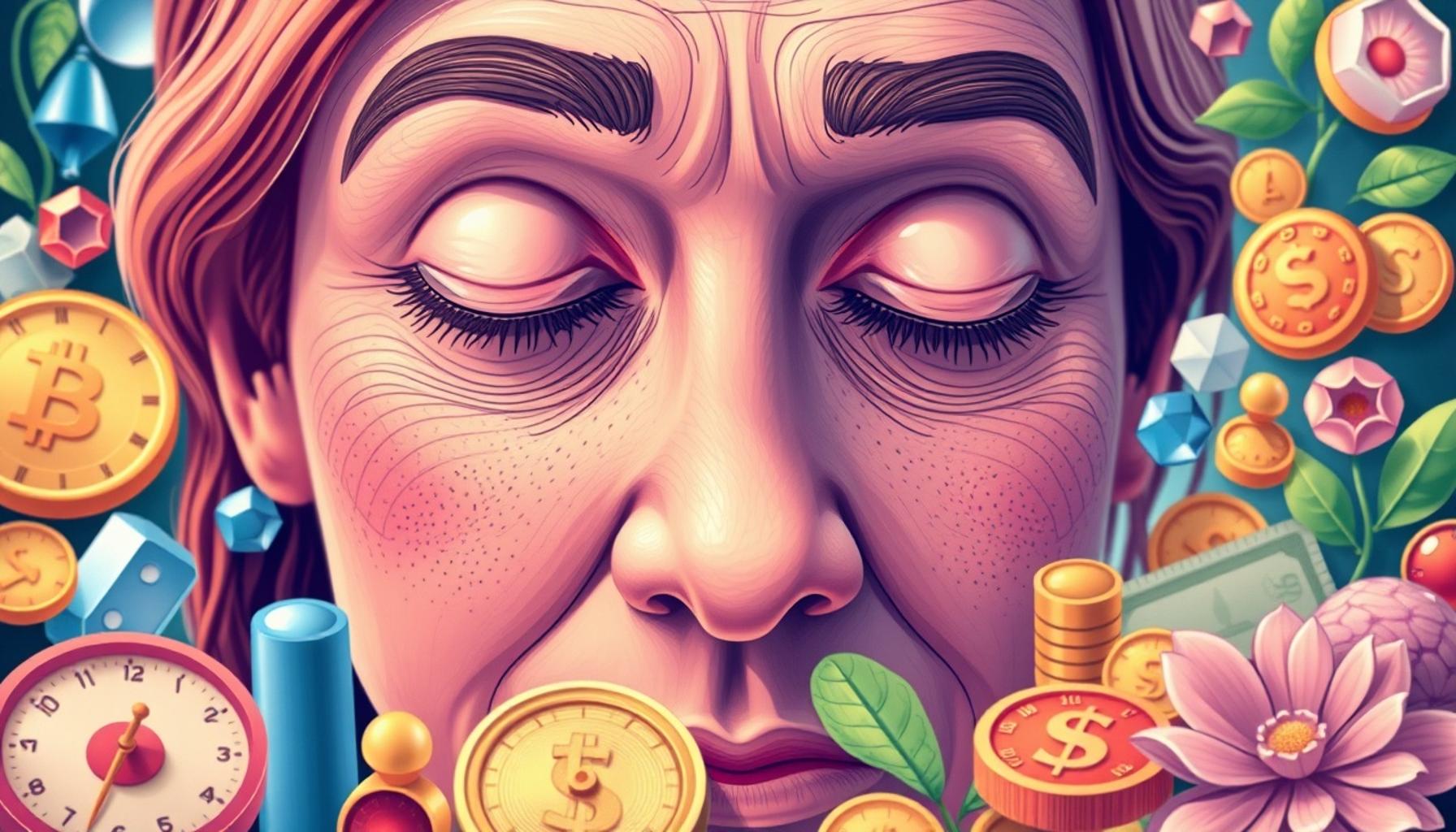
The Relationship between Stress and Skin Aging: Strategies for Lasting Beauty

Understanding the Connection Between Stress and Skin Health
Every day, we encounter an array of stressors that can weigh heavily on our mental and physical health. Surprisingly, one of the most overlooked consequences of stress lies in its impact on our skin. Despite being the body’s largest organ, our skin is often the first to show signs of stress, making it essential to recognize this relationship to preserve a youthful appearance.
When the body experiences stress, a cascade of physiological changes occurs. These changes can manifest visibly, often leading to conditions that make our skin look tired and aged. Here are several critical ways stress can affect skin health:
- Increased Cortisol Levels: When you are under pressure, your body produces higher levels of cortisol, the stress hormone. This excess cortisol can lead to increased skin inflammation, as seen in conditions like acne and eczema. For example, stressful periods like exams or work deadlines often trigger flare-ups for many individuals, emphasizing the importance of stress management.
- Dehydration: Stress can also lead to poor hydration, both internally and externally. When we’re stressed, we may forget to drink enough water or neglect our skincare routines, resulting in a dry and lackluster complexion. Studies have shown that chronic stress can diminish skin elasticity, contributing to a faint, aged look over time.
- Premature Aging: Another alarming effect of chronic stress is its potential to accelerate skin aging. Prolonged levels of stress can hasten the breakdown of collagen and elastin, essential proteins that maintain skin’s firmness and flexibility. Consequently, fine lines and wrinkles may appear earlier than they would in a more relaxed state.
The correlation between stress and skin issues underscores the necessity of effective stress management techniques. This isn’t just about feeling good; it’s about safeguarding the health of your skin, too. To mitigate stress’s adverse effects, it’s vital to cultivate targeted strategies that can enhance both mental well-being and skin health.
In the following sections, we will dive deeper into:
- Effective stress-reduction techniques that can easily fit into your lifestyle
- Skincare routines specifically designed for those grappling with stressed skin
- The crucial role of nutrition in promoting skin health, emphasizing the link between diet and stress response
As we embark on this exploration, it becomes clear that finding balance amid life’s pressures is key to maintaining a radiant and youthful complexion. The journey toward enduring beauty indeed starts with understanding how stress impacts us—both inside and out.
DIVE DEEPER: Click here to discover the benefits of adaptogens in skincare
Strategies for Managing Stress and Enhancing Skin Health
Understanding how stress influences skin aging is the first step towards developing effective strategies to combat its effects. While we can’t completely eliminate stress from our lives, we can certainly manage it in ways that foster both mental well-being and skin vitality. Here are some practical stress-reduction techniques that can be seamlessly integrated into daily routines, allowing you to preserve your skin’s youthful appearance:
- Mindfulness and Meditation: Engaging in mindfulness practices such as meditation can significantly lower stress levels. Studies suggest that even a few minutes of meditation each day can help decrease cortisol production. Focusing on your breath and allowing your mind to quiet can promote relaxation, resulting in healthier skin.
- Regular Exercise: Physical activity is an excellent way to alleviate stress. Whether it’s a brisk walk, yoga, or hitting the gym, exercise increases blood circulation, helping deliver nutrients to your skin. Furthermore, it lowers cortisol levels and promotes the release of endorphins, known as the body’s natural mood lifters.
- Quality Sleep: Adequate sleep is crucial for skin repair and overall well-being. Lack of sleep can exacerbate stress and contribute to skin aging. Aim for 7-9 hours of good quality sleep each night to allow your skin to regenerate and combat fine lines and dullness effectively.
In addition to these techniques, it’s important to examine your skincare routine. When stress manifests in the form of breakouts and dull skin, adapting your skincare products and regimen can offer substantial benefits. Consider the following:
- Hydrating Ingredients: Look for moisturizers enriched with hyaluronic acid and glycerin to provide hydration to stressed skin. These ingredients help retain moisture, keeping your skin plump and youthful.
- Anti-Inflammatory Products: Incorporate serums and creams that contain ingredients like niacinamide or green tea extract which are known for their soothing properties. They can alleviate redness and calm inflamed skin, making them ideal choices for those dealing with stress-related skin issues.
- Consistent Routine: Establish a regular skincare routine that includes cleansing, moisturizing, and sun protection. Consistency is key, as it not only promotes better skin health but also creates a sense of control that can help reduce overall stress levels.
Another key element often overlooked in conversations about stress and skin health is nutrition. What we consume can influence both our mental health and our skin’s condition. A diet rich in antioxidants, vitamins, and healthy fats can enhance your skin’s resilience to stress. Foods such as berries, leafy greens, nuts, and salmon are not only beneficial for your overall health but can also provide the necessary nutrients to combat the visible signs of skin aging.
As we explore these approaches in greater detail, it becomes increasingly evident that the path to maintaining radiant and youthful skin is intertwined with our ability to manage stress and cultivate healthy habits. The battle against skin aging is not only fought with skincare products but also with lifestyle choices that nurture both mind and body.
| Category | Key Characteristics |
|---|---|
| Emotional Resilience | Developing coping mechanisms to help manage stress better. |
| Skin Nourishment | Incorporating vitamins and antioxidants that combat skin aging. |
Exploring the complexities of emotional resilience, it becomes evident that managing stress effectively can have a profound impact on skin health. Practices such as mindfulness, yoga, and meditation not only enhance emotional well-being, but they also improve circulation and promote a healthy glow. Stress can lead to inflammation and exacerbate skin conditions, making emotional resilience a cornerstone of maintaining youthful skin.Additionally, the significance of skin nourishment cannot be overstated. A diet rich in essential nutrients—such as vitamins E and C, which are potent antioxidants—can fortify the skin against oxidative stress. This protective nutritional strategy is vital for cellular repair and renewal, contributing to lasting beauty. The integration of topical treatments that feature these nutrients can synergize with a balanced diet for optimal results.Furthermore, understanding the connection between stress and collagen degradation reveals how chronic stress accelerates the aging process. With less collagen, skin experiences a loss of elasticity, resulting in the appearance of fine lines and wrinkles. Techniques that reduce stress can not only help improve general mood but also directly enhance the skin’s integrity and longevity. By delving deeper into these concepts, readers can uncover sustainable strategies to mitigate the effects of stress on skin aging, fostering an enduring sense of beauty.
DISCOVER MORE: Click here for insights
Harnessing the Power of Stress Management for Youthful Skin
In addition to the aforementioned techniques and skincare regimens, it crucial to delve deeper into the psychological aspects of stress management, as they play a pivotal role in enhancing skin health and promoting longevity. The connection between beauty and mental clarity should not be underestimated, leading us to explore additional approaches that can bolster both psychological well-being and skin resilience.
- Journaling: Putting pen to paper can be incredibly cathartic. Keeping a journal helps individuals express their thoughts and emotions, reducing stress and anxiety levels. Research indicates that journaling can enhance problem-solving skills and emotional processing, which in turn can positively impact skin health. By alleviating stress, you may reduce the occurrence of stress-related skin conditions such as acne and eczema.
- Social Connections: Building strong relationships and maintaining a supportive social circle can significantly lessen feelings of stress. Engaging in conversations and sharing experiences with friends and family can serve as a buffer against the adverse effects of stress. Moreover, laughter, a natural stress reliever, has been shown to reduce cortisol levels, allowing the skin to retain its glow amidst life’s challenges.
- Limit Social Media Exposure: With the pervasive nature of social media, it’s essential to be mindful of its effects on our mental health. Continuous exposure can lead to comparison, dissatisfaction, and heightened stress. Setting boundaries around social media usage can mitigate these feelings, preserving both mental peace and skin health. Consider a digital detox to refresh your perspective and alleviate unnecessary pressure.
Furthermore, embracing herbal and natural remedies can augment stress management systems and skin vitality. Incorporating herbal supplements such as ashwagandha and chamomile tea has been linked to reduced stress levels and improved emotional resilience. These natural remedies not only contribute to a calmer mind but also support skin health by mitigating reactions to stress that can lead to premature aging.
Another significant factor in the quest for youthful skin is establishing a holistic approach to self-care that encompasses overall well-being. This entails understanding the interconnectedness of body and mind. Simple practices like aromatherapy, where essential oils (such as lavender and eucalyptus) are used to promote relaxation, can lead to decreased stress responses and clearer skin. By integrating these methods into your lifestyle, you are equipping yourself with powerful tools to combat skin aging.
The Role of Professional Guidance and Support
For many, the challenges of managing stress may seem insurmountable. Seeking professional help, such as therapy or counseling, can provide invaluable support. Mental health professionals can offer personalized strategies to navigate stress and its manifestations, including skin issues. Understanding that it’s perfectly acceptable to ask for help is key in developing a comprehensive approach to stress management and beauty.
Lastly, it’s essential to recognize that while lifestyle changes can be incredibly effective, they may require time and consistency to observe significant improvements. Consider setting measurable goals for your stress management and skincare practices, allowing you to track your progress and celebrate small victories along the way. This way, you nurture both your skin and your spirit, fostering an environment conducive to lasting beauty.
LEARN MORE: Click here to discover the truth about sunscreen
Conclusion: Embracing a Holistic Approach to Beauty
In summary, it becomes increasingly clear that the relationship between stress and skin aging is profound and multifaceted. Stress not only affects mental well-being but can also catalyze skin deterioration, making it essential to adopt effective strategies for stress management. By prioritizing emotional health through practices such as journaling, nurturing social connections, and employing natural remedies, individuals can enhance their resilience against stress and foster a radiant complexion.
The incorporation of holistic approaches, such as aromatherapy and herbal supplements, further supports the notion that beauty is inherently linked to one’s mental state. Recognizing the importance of psychological well-being allows for the development of comprehensive beauty routines that do not solely focus on external treatments but also emphasize emotional care.
Moreover, seeking professional guidance can offer invaluable tools to navigate stressors and enhance emotional stability. Whether through therapy or counseling, understanding and addressing the root causes of stress can significantly improve skin health, ensuring longevity and vitality.
As we continue to deepen our understanding of the intricate connection between stress and skin aging, we uncover a vital lesson: true beauty transcends surface-level appearances. By fostering a balanced lifestyle, setting realistic goals for self-care, and staying mindful of both mental and physical health, we create a lasting foundation for beauty that withstands the test of time. Therefore, invest not just in skincare but also in self-nurturing practices that celebrate your mental and emotional well-being, resulting in the timeless beauty we all desire.