The Influence of Diet on Skin Health: Integrating Nutrition into Your Skincare Routine
Understanding the Role of Nutrition in the Pursuit of Healthy Skin
Many individuals invest a significant amount of time and money into skincare products, hoping to achieve the radiant complexion they desire. However, this quest for beautiful skin goes beyond topical applications; it’s rooted in the food we consume. The idea that nutrition plays a pivotal role in skin health is becoming increasingly acknowledged, supporting the belief that “you are what you eat.” As modern research unfolds, it is clear that the nutrients we take in can dramatically influence the skin’s appearance, texture, and overall health.
- Antioxidants: Foods that are rich in vitamins C and E are essential for combating oxidative stress, which can lead to premature aging. For example, citrus fruits like oranges and berries such as blueberries are packed with vitamin C, while nuts and seeds offer an abundance of vitamin E. Incorporating these into one’s diet can help neutralize harmful free radicals.
- Healthy Fats: Omega-3 fatty acids, which are prevalent in fatty fish like salmon and plant-based sources such as walnuts and flaxseeds, play a critical role in maintaining sufficient skin hydration. These fats help to strengthen the skin barrier, preventing dryness and irritation, thus promoting a smoother appearance.
- Hydration: The importance of hydration cannot be overstated. Drinking enough water daily supports skin elasticity and combats dryness, contributing to a plump and youthful appearance. Hydrated skin often appears more vibrant and resilient, enhancing one’s natural beauty.
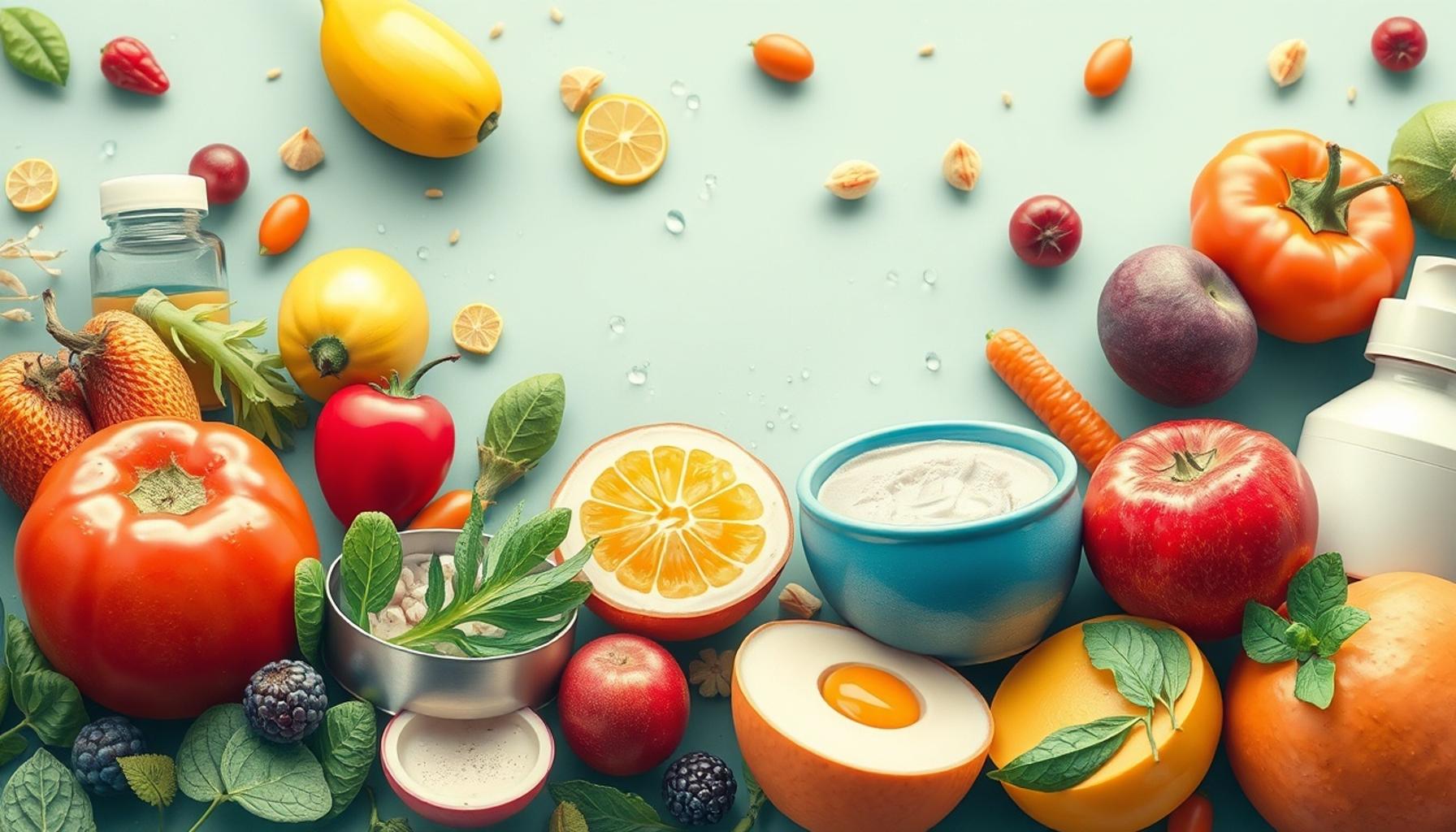
Visualize the transformative potential of integrating superfoods into your daily diet. Rich in antioxidants, vitamins, and minerals, colorful fruits and vegetables such as kale, carrots, and avocados can significantly promote skin rejuvenation. For instance, carrots are high in beta-carotene, which the body converts into vitamin A, a crucial nutrient for skin cell production and repair.
It is equally important to be aware of the potential drawbacks of certain dietary choices. Research has shown that high intake of processed sugars and dairy can lead to skin issues such as acne and inflammation. By shifting towards a diet rich in whole, unprocessed foods, many individuals have reported clearer skin and reduced inflammation, suggesting a direct correlation between diet and skin health.
Making Dietary Adjustments for Better Skin Health
Exploring simple, practical ways to enhance your diet can serve as a crucial step in your skincare regimen. Consider incorporating a variety of nourishing foods into your meals and snacks. Experiment with adding a colorful assortment of vegetables to your salads or blending a smoothie with spinach, avocado, and berries for an extra nutrient kick.
By aligning your diet with your skin health goals, you can unlock a new dimension of beauty that radiates from within. This journey not only promises potential improvements in skin appearance but also contributes to overall health and well-being. Embracing these dietary changes is a step towards achieving the skin you’ve always wanted, demonstrating that sometimes, the richest benefits come from what’s on your plate, not just your bathroom shelf.
DIVE DEEPER: Click here to learn how self-care can benefit your skin
Nutrition: The Foundation of Radiant Skin
As a society increasingly influenced by the aesthetics of social media, the pursuit of perfect skin can often lead to a significant reliance on cosmetic treatments and skincare products. However, what many may overlook is that healthy skin isn’t solely the result of external applications—it begins with what we consume. Emerging research underscores the profound connection between diet and skin health, revealing that the nutrients we ingest can directly impact our skin’s condition and appearance.
One of the essential components of a skin-friendly diet is the incorporation of antioxidants. These invaluable compounds help combat oxidative stress in the body, one of the leading contributors to visible aging and skin conditions. Consuming a variety of antioxidant-rich foods can help delay the signs of aging and improve the texture of your skin. For instance:
- Berries: Strawberries, blueberries, and blackberries contain high levels of vitamin C, assisting in collagen production and providing skin with a firmer appearance.
- Leafy Greens: Spinach and kale supply iron and vitamins, contributing to a healthy glow.
- Dark Chocolate: Packed with flavonoids, this indulgent treat can improve skin hydration and overall texture.
In addition to antioxidants, healthy fats are crucial for maintaining your skin’s resilience and moisture. Incorporating omega-3 fatty acids into your diet can produce remarkable effects on skin hydration and elasticity. Foods such as fatty fish (like salmon), walnuts, and chia seeds serve as excellent sources of these beneficial fats. Recent studies suggest that individuals consuming higher amounts of omega-3 rich foods experience lower incidences of inflammatory conditions, including psoriasis and acne.
The notion of hydration also plays a pivotal role in skin health. While external moisturizers are commonplace, true skin hydration starts from within. Drinking an adequate amount of water daily—and consuming hydrating foods like cucumbers and watermelons—by fostering elasticity and combating dryness, can lead to a visibly improved complexion. The importance of hydration is underscored by the fact that even mild dehydration can lead to dull, flaky skin.
Making conscious choices about our diet can also involve identifying items that may be detrimental to our skin. Foods high in refined sugars and processed dairy have been associated with increased inflammatory responses in the body, which may exacerbate conditions like acne and eczema. Thus, steering clear of these products and opting for whole, unprocessed options may yield clearer skin.
Simple Dietary Changes for Enhanced Skin Health
Transitioning to a diet that supports skin health doesn’t have to be overwhelming. Simple adjustments can pave the way towards a more radiant complexion. Start by exploring a variety of whole foods in your meals:
- Add a variety of colorful vegetables to each meal, boosting your intake of essential vitamins and minerals.
- Incorporate more nuts and seeds as healthy snacks, offering both energy and skin-friendly nutrients.
- Experiment with smoothies packed with fruits and greens to deliver a powerful dose of nutrients in one serving.
By aligning your diet with your skincare goals, you empower yourself to unlock the beauty benefits that come from what you eat, paving the way for healthier, more vibrant skin. Embracing these dietary changes not only enhances your outward appearance but also supports overall well-being, demonstrating the powerful influence of nutrition on skin health.
The connection between diet and skin health is becoming increasingly evident in both scientific research and skincare communities. A well-balanced diet rich in vital nutrients can significantly improve skin vitality, texture, and overall appearance. Various studies highlight that foods high in antioxidants, vitamins, and minerals promote skin renewal and combat signs of aging. For instance, fruits and vegetables such as berries, spinach, and carrots are packed with essential nutrients that support collagen production and enhance skin elasticity.
Moreover, healthy fats like those found in avocados and nuts play a crucial role in maintaining the skin’s moisture barrier. These fats provide the necessary fatty acids that help reduce inflammation, thus minimizing the chances of conditions like eczema and psoriasis. Additionally, hydration is another key factor. Consuming adequate amounts of water and hydrating foods such as cucumbers and watermelon can significantly impact skin hydration levels, giving it that youthful glow.
Another dimension worth exploring is the role of probiotics and gut health in the skin’s appearance. The gut-skin axis suggests that a healthy microbiome can reduce skin blemishes and promote an even skin tone. Fermented foods like yogurt and kimchi are powerful allies in this pursuit.
As we integrate nutrition into our skincare routines, it’s vital to recognize the importance of avoiding processed foods, sugars, and unhealthy fats. These can trigger inflammatory responses in the body, leading to breakouts and dull skin. A diet focused on whole, nutrient-dense foods not only benefits the skin but also enhances one’s overall health and well-being.
Incorporating dietary changes might seem daunting, but starting with small adjustments can lead to significant changes. Consulting a nutritionist for personalized dietary plans can offer clarity, ensuring that you are making the best choices for your skin health journey.
| Nutritional Factors | Impact on Skin Health |
|---|---|
| Vitamins (e.g., A, C, E) | Support collagen production and protect against UV damage. |
| Healthy Fats | Improve skin hydration and reduce inflammation. |
| Antioxidants | Combat oxidative stress, promoting skin rejuvenation. |
| Probiotics | Enhance gut health and reduce skin blemishes for improved clarity. |
Dive deeper: Click here to discover the latest breakthroughs
The Role of Vitamins and Minerals in Skin Vitality
Micro-nutrients, particularly vitamins and minerals, play an indispensable role in maintaining skin health. Each nutrient contributes uniquely to skin vitality, showcasing the importance of a balanced diet rich in diverse whole foods. For instance, Vitamin A, which can be found in carrots, sweet potatoes, and apricots, is crucial for skin cell production and repair. It aids in reducing the appearance of fine lines and wrinkles, helping to create a smoother complexion.
Moving to Vitamin E, this powerful antioxidant helps protect the skin from damage caused by free radicals and UV exposure. Nuts, seeds, and green leafy vegetables serve as rich sources of Vitamin E. Studies reveal that adequate levels of Vitamin E can not only enhance skin hydration but also encourage a youthful glow. Furthermore, pairing Vitamin E with Vitamin C, often sourced from citrus fruits and strawberries, can maximize its benefits, offering a dual defense against environmental stressors.
Zinc and its Impact on Skin Clarity
Zinc is another essential mineral that significantly influences skin health. Known for its anti-inflammatory properties, zinc can reduce acne lesions and promote healing. Foods like legumes, seeds, nuts, and whole grains are excellent sources of zinc. Interestingly, research suggests that individuals with acne may have lower levels of zinc in their systems; thus, incorporating zinc-rich foods may support clearer skin over time. Its role in the formation of collagen also reinforces its importance in maintaining skin elasticity and firmness.
Probiotics: The Gut-Skin Connection
In recent years, the relationship between gut health and skin health has garnered attention, demonstrating that probiotics can enhance skin conditions. Probiotics are beneficial bacteria found in fermented foods such as yogurt, kefir, and sauerkraut. They work to balance the gut microbiome, which has been linked to inflammation and skin issues. By promoting a healthy gut, probiotics can help manage conditions like eczema and rosacea, making them a worthy addition to any skin-friendly diet.
The concept of prebiotics—fiber found in foods like bananas, onions, and garlic—is equally important, as they feed the beneficial bacteria in the gut, helping to bolster your skin’s health from the inside out. A balanced gut may lead to reduced inflammation, ultimately translating into clearer, healthier skin.
Hydration Beyond Water: Foods that Nourish the Skin
While the importance of hydration has been emphasized through water intake, specific foods can further enrich your skin’s moisture levels. Fruits and vegetables high in water content not only hydrate but also provide vital nutrients. For instance, bell peppers and zucchini are not just hydrating but also rich in beneficial vitamins and minerals. Incorporating a rainbow of fresh produce into your meals can effectively boost your skin’s health while keeping you hydrated.
Moreover, certain herbal teas, such as green tea, offer unique benefits due to their high concentration of polyphenols. Research has shown that the antioxidants found in green tea can improve skin’s elasticity and protect against UV damage, contributing to a more youthful appearance.
Integrating a range of nutrient-dense foods into your diet can unlock the secrets to healthier skin, revealing that a well-rounded nutritional approach aligns directly with radiant, resilient skin. As you explore the myriad of options, remember that what you eat can significantly shape your skincare success, turning your diet into an effective ally in your pursuit of optimal skin health.
DISCOVER MORE: Click here for expert cleansing techniques
Conclusion: Nourishing Your Skin from Within
In conclusion, the intricate connection between diet and skin health reveals a compelling narrative that goes beyond topical treatments. As we have explored, the vital roles played by vitamins, minerals, probiotics, and hydrating foods underscore the need to prioritize nutrition as an essential part of any effective skincare routine. A diverse array of whole foods—rich in antioxidants, essential fatty acids, and gut-friendly probiotics—can significantly enhance skin vitality, leading to a radiant and resilient complexion.
Moreover, the integration of nutrient-dense foods into your diet not only supports skin health but can also help combat various skin conditions, from acne to eczema. Emphasizing hydration through both water intake and moisture-rich foods can further bolster your skin’s natural barrier, promoting elasticity and mitigating damage from environmental stressors. This holistic approach demands that we rethink our skincare regimes to incorporate a well-rounded nutritional strategy, ultimately guiding us toward a healthier lifestyle.
As you embark on this journey of dietary exploration, consider keeping a food diary to identify how different foods affect your skin. Doing so may unveil profound insights about your personal skin health, prompting you to make informed dietary choices tailored to your individual needs. So, next time you reach for a skincare product, remember that the foundation of your skin health lies not just in what you put on your face but in what you nourish your body with every day. The power to achieve glowing, healthy skin resides within your plate.