Inclusive Makeup Trends: Celebrating Diversity in the Beauty Industry

Growth of Inclusivity in the Beauty Industry
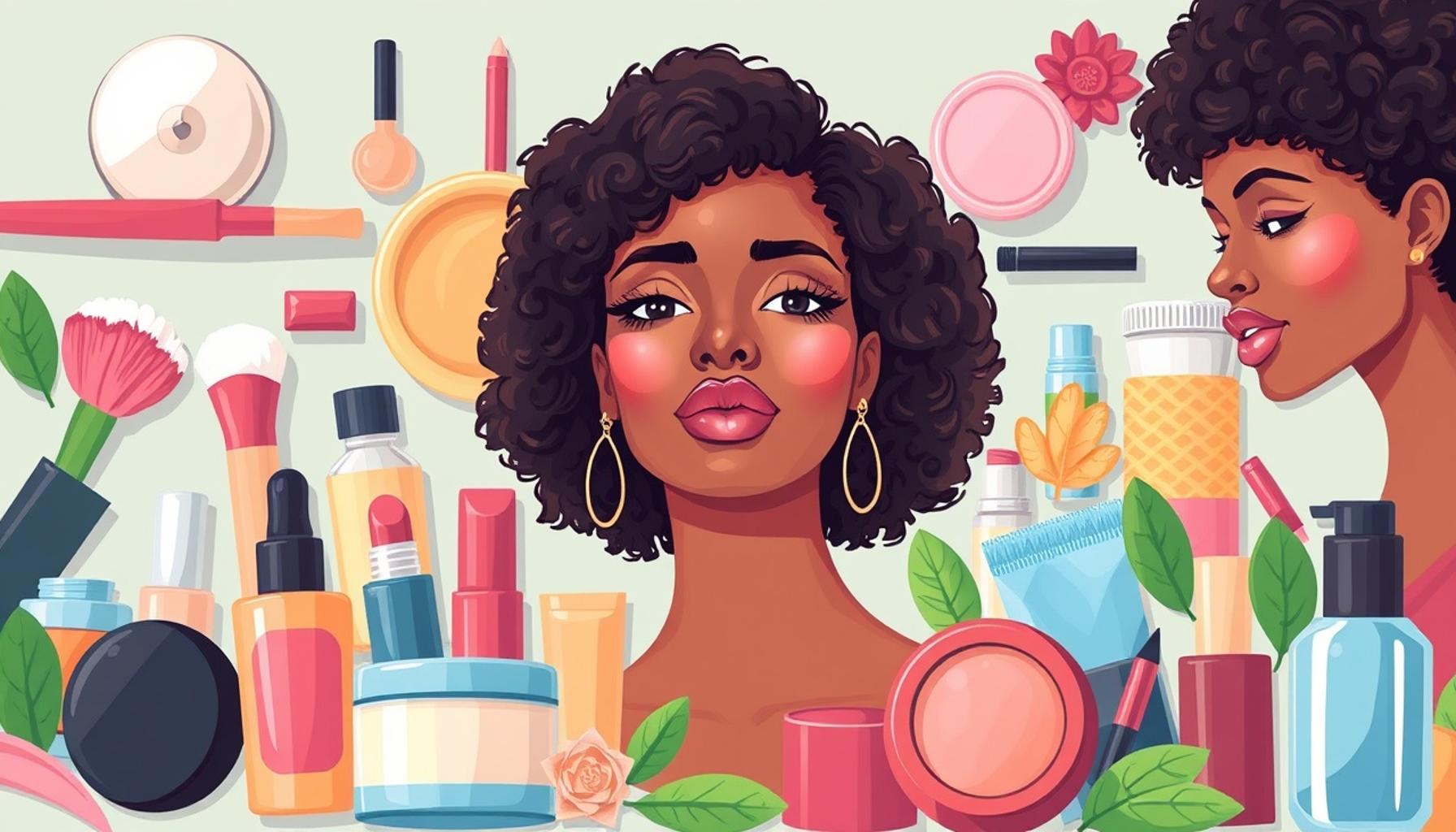
The beauty industry has experienced a profound transformation over the past few years, making significant progress toward inclusivity. This evolution is not merely a trend; it represents a fundamental shift in how beauty is perceived and celebrated across various demographics. Increasingly, consumers find themselves demanding products that align with their individual identities, cultures, and, crucially, skin tones. This has undeniably led brands to rethink their strategies and offerings.
Expanded Shade Ranges
One of the most remarkable changes has been in expanded shade ranges. Major makeup brands like Fenty Beauty, launched by Rihanna, have set a new benchmark by providing foundations in over 50 shades. This ensures that individuals with deeper skin tones, often overlooked by traditional beauty brands, can find products designed to suit them. Companies such as Maybelline and L’Oréal have followed suit, introducing comprehensive lines to cater to a diverse spectrum of skin tones. This dramatic shift in shades has empowered many consumers who previously struggled to find suitable matches, thus fostering a sense of belonging and acceptance.
Gender-Neutral Products
Furthermore, the trend toward gender-neutral products is reshaping the beauty landscape. Brands like Glossier and Tarte are creating collections that welcome all genders, moving beyond the binary distinctions that have historically defined makeup. This inclusivity acknowledges that beauty is a personal experience—not one limited by gender labels. The growing acceptance of makeup among men and non-binary individuals reflects broader societal changes, making beauty a form of self-expression accessible to everyone.
Collaborations with Diverse Influencers
In addition, collaborations with diverse influencers play a crucial role in this movement. Partnerships with social media personalities from various ethnic backgrounds not only broaden representation but also add authenticity to brand messaging. For example, beauty brands that work with influencers like Jackie Aina or Patrick Starrr create campaigns that resonate deeply with their respective communities, casting a wider net of appeal. These collaborations highlight the multifaceted nature of beauty, inviting consumers from different walks of life to participate in a shared conversation about self-expression.
The Cultural Significance of Inclusivity
This movement extends beyond product offerings; it symbolizes a cultural recognition of the need for diversity in beauty. As consumers become more discerning, they gravitate toward brands that reflect their values and experiences. Research has shown that when individuals see themselves represented in marketing and products, they are more likely to feel confident and accepted. This sense of empowerment can extend into various areas of life, resulting in increased self-esteem and social acceptance.
As we explore this evolving landscape, it becomes evident that the push for inclusivity in the beauty industry is not just a fleeting trend; it is a call for brands to engage more authentically with their consumers. The future of beauty lies in its ability to embrace all identities and narratives, and many brands are exemplifying this shift with innovative solutions and meaningful engagements. As consumers, staying informed and supporting these efforts can pave the way for a more inclusive and celebratory beauty culture for everyone.
DISCOVER MORE: Click here to dive into DIY beauty tips
Revolutionizing Beauty Through Innovation
The shift toward inclusivity in the beauty industry is not merely cosmetic; it encompasses a wide array of innovations pushing traditional boundaries. As consumers demand more from their beauty brands, companies are increasingly embracing technology and science to craft products that cater to unique needs. This drive for inclusivity has birthed new advancements, particularly in skincare and makeup formulations.
Personalized Makeup Solutions
One of the most exciting trends emerging from this inclusivity movement is the proliferation of personalized makeup solutions. Brands like Function of Beauty and bareMinerals have taken customization to a new level, allowing consumers to create products that cater specifically to their skin type, tone, and personal preferences. This trend acknowledges that each individual’s beauty needs are distinct and should be celebrated. With advancements in artificial intelligence and machine learning, consumers can receive tailored recommendations based on their unique characteristics, further enhancing the sense of empowerment in their beauty journeys.
Formulations for All Skin Types
Inclusivity also extends to product formulations designed for an array of skin types and conditions. Brands are increasingly acknowledging that beauty isn’t one-size-fits-all; they are developing products that cater to diverse skin concerns including sensitivity, acne, and aging. For instance, clean beauty brands like Tarte and Bite Beauty are formulating products free from harmful ingredients, ensuring accessibility for those with allergies or skin sensitivities. Such innovations foster a sense of safety and inclusiveness, empowering consumers to select products that resonate with their individual needs.
Diverse Advertising Campaigns
The manner in which brands communicate their values is equally important in celebrating diversity. Diverse advertising campaigns are crucial in pushing the narrative that beauty is multifaceted. Historic campaigns featuring individuals of all races, sizes, and genders challenge societal beauty standards and create a more inclusive image of beauty. Brands like Dove, with their ‘Real Beauty’ campaign, have paved the way for more representative advertising, showcasing real stories and real faces. This level of representation can significantly influence perceptions and self-esteem that resonate across different demographics.
The Role of Community Engagement
Furthermore, fostering a strong sense of community is vital in promoting inclusive beauty. Many brands now engage directly with their consumers through social media platforms, where they encourage dialogue about beauty from different cultural perspectives. Campaigns that spotlight consumer voices not only bolster representation but also build trust. Brands like ColourPop have taken feedback from their customer base to create products that reflect broader societal trends and preferences, showcasing an evolving interaction between brands and their clientele.
- Emerging technologies help in tailoring products for individual consumers.
- Formulations are being adapted for various skin types and conditions.
- Diverse marketing campaigns are redefining societal beauty standards.
- Community feedback drives product development and brand authenticity.
The beauty industry’s commitment to diversity is not just about expanding product ranges; it reflects a deeper cultural understanding and acceptance that resonates with modern consumers. As we dive deeper into the world of trending inclusivity in the beauty realm, we discover that these efforts are redefining industry standards and ultimately contributing to a more inclusive society. By making informed choices and celebrating innovative brands, consumers can play a pivotal role in this movement, paving the way for a future in beauty that genuinely celebrates diversity.
| Advantages | Impact on the Beauty Industry |
|---|---|
| Wider Shade Ranges | Inclusive brands offer products suitable for various skin tones, creating a sense of belonging and representation. |
| Enhanced Brand Loyalty | Consumers gravitate towards brands that embrace diversity, fostering emotional connections and encouraging repeat purchases. |
| Empowerment and Expression | Makeup becomes a medium for self-expression, allowing individuals from diverse backgrounds to celebrate their unique beauty. |
| Increased Representation | Diverse campaigns and models reflect the true beauty landscape, enhancing visibility for underrepresented communities. |
The movement towards inclusivity in makeup trends is rapidly reshaping the beauty landscape, ensuring that everyone, regardless of their ethnicity or skin tone, can find products that match their unique needs. As brands continue to expand their offerings, they are not only catering to a wider audience but are also playing a critical role in challenging beauty standards that have long been considered the norm. The interest surrounding this evolution is palpable, prompting consumers to engage with brands that prioritize diversity. It’s clear that the beauty industry is on a transformative journey—one that not only advocates for representation but also enriches the consumer experience. With more brands recognizing the merits of inclusive practices, the future looks promising, brimming with opportunities for creativity, empowerment, and communal involvement in makeup artistry.
DIVE DEEPER: Click here to uncover the secrets of herbal extracts
Championing Representation Through Collaboration
The commitment to inclusivity in the beauty industry also manifests through strong collaborations with diverse voices and communities. Influencer partnerships with individuals from varied backgrounds not only amplify underrepresented perspectives but also make beauty products more relatable. For example, Fenty Beauty’s collaborations with makeup artists and beauty influencers from across the spectrum have highlighted the importance of representation. By featuring faces that reflect a broad range of ethnicities, skin tones, and experiences, these partnerships have successfully changed the narrative in the beauty conversation. This movement emphasizes that beauty knows no boundaries and encourages interactivity and authenticity in marketing efforts.
Accessible Beauty for All
Accessibility in beauty products is an essential aspect of the inclusive makeup movement. Many brands are focusing on affordability and availability to ensure that products reach a wider audience. Drugstore brands such as e.l.f. Cosmetics and NYX have become pioneers in crafting high-quality makeup products that are not only inclusive but also budget-friendly. This shift allows consumers from different socioeconomic backgrounds to access a diverse range of colors and formulations. By bridging the gap between luxury and affordability, these brands not only celebrate beauty but also democratize it, encouraging everyone to find their style without financial constraints.
Inclusive Beauty Education
Education plays a crucial role in demystifying beauty standards and empowering consumers. Many brands are now focusing on inclusive beauty education through workshops, online tutorials, and community outreach programs. For example, companies like Glossier and Urban Decay offer makeup masterclasses that are tailored to diverse audiences. These initiatives not only promote the proper use of makeup but also teach consumers how to embrace their unique features and enhance their individuality. By prioritizing education, brands are fostering confidence in consumers, allowing them to make informed choices about their beauty routines and celebrate their differences.
Environmental and Ethical Considerations
Alongside inclusivity, environmental concerns are becoming increasingly intertwined with beauty trends. Many consumers now seek sustainable beauty products that are made with ethically sourced ingredients. This trend coincides with the inclusivity movement by demanding representation in sourcing practices and environmental impact. Brands such as RMS Beauty and ILIA have focused on integrity in their ingredients, ensuring that their products are not only suitable for a diverse clientele but also produced sustainably. The marriage of inclusivity with ethics enhances the consumer experience while holding brands accountable for their impact on the planet.
- Collaborative partnerships with diverse influencers have shifted beauty narratives.
- Affordability expands access to makeup products for everyone, regardless of background.
- Inclusive education empowers consumers and elevates their makeup experience.
- Sustainable practices are becoming integral to the inclusivity movement in beauty.
The drive for an inclusive beauty industry has transformed not just the way products are marketed but also the values behind those brands. As trends evolve, it’s evident that the celebration of diversity shapes the future of beauty—creating an environment where every individual can express themselves freely and confidently.
DISCOVER MORE: Click here to explore minimalist beauty
Conclusion: A New Era of Beauty
The inclusive makeup trends sweeping the beauty industry stand as a testament to a profound shift in values that embrace diversity and representation. As brands increasingly recognize the necessity of catering to a broad array of skin tones, gender identities, and cultural backgrounds, they are setting a new standard for the industry. The emphasis on collaboration with diverse influencers ensures that authentic narratives resonate with audiences, making beauty feel more personal and accessible.
Moreover, with affordability and accessibility at the forefront, brands are breaking down financial barriers that have long divided consumers based on socioeconomic status. The rise of affordable beauty options means that people from all walks of life can engage with makeup in ways that complement their unique identities without feeling excluded or limited by their budgets. In addition, initiatives focused on inclusive beauty education empower individuals to not only master their makeup techniques but also to embrace their individuality, further strengthening the relationship between beauty and self-expression.
As we navigate this transformative period, it’s crucial for consumers to champion brands that prioritize sustainable and ethical practices, pairing inclusivity with a commitment to environmental responsibility. Together, these efforts contribute to a comprehensive and holistic beauty industry that values not only the products we use but also the impact they have on our world. The journey towards an inclusive beauty landscape is one of continuous evolution, and for enthusiasts—both seasoned and new—the call to celebrate diversity is more potent than ever. This newfound embrace of inclusivity invites everyone to express their beauty proudly, fostering a more vibrant and inclusive future.