How to Prepare Healthy Meals with Accessible Ingredients
Understanding the Essentials of Healthy Cooking
Cooking healthy meals doesn’t have to feel like a daunting task. With the right approach, anyone can create nutritious dishes using accessible ingredients. It’s all about understanding what’s readily available and how to maximize those resources. The key lies in being aware of your options and utilizing them creatively, which can not only make meals healthier but also more enjoyable.
The landscape of grocery shopping has evolved in the United States, with an increasing number of stores catering to health-conscious individuals. Grocery aisles are now filled with a variety of affordable options that can form the base of wholesome meals. When you think about your next meal, consider incorporating the following staples:
- Fresh fruits: Think of versatile fruits like apples, bananas, and oranges, which are not only nutritious but also great for snacking. Apples can be added to oatmeal or salads, while bananas are perfect for smoothies or baking.
- Vegetables: Incorporate a rainbow of vegetables such as spinach, carrots, and bell peppers. These can be sautéed, steamed, or eaten raw as crudités. For example, a colorful stir-fry featuring these veggies can enhance any meal.
- Whole grains: Foods like brown rice, quinoa, and oats are excellent sources of fiber. Quinoa can be used as a base for salads or veggie bowls, while oats serve as a nutritious breakfast option that you can personalize with nuts, seeds, or fruits.
- Proteins: Beans, lentils, and eggs are cost-effective sources of protein. Lentils can be transformed into soups or stews, while eggs can be used in breakfast scrambles or frittatas, making them perfect for any meal of the day.
These ingredients contribute to a balanced diet and are typically available in your local supermarket or farmer’s market. As you explore meal preparation, remember that combining these foods in various ways can lead to delicious, healthy meals that cater to diverse tastes and dietary preferences. For example, you can create a hearty bean chili using lentils and various vegetables, or enjoy a refreshing quinoa salad topped with fruits and a light vinaigrette.
Understanding how to effectively prepare healthy meals empowers you to make better food choices. A few simple strategies can significantly enhance your cooking experience. For instance, plan your meals for the week, incorporating these staples to avoid last-minute unhealthy choices. Keep your pantry organized and stocked with essentials, and try batch cooking on weekends to save time during busy weekdays.
This article will guide you through practical strategies and easy-to-follow recipes, focusing on nutrition, budget management, and simplicity. By embracing healthy cooking, you not only invest in your well-being but also rediscover the joy of preparing and sharing meals with family and friends.
DISCOVER: Click here for delicious 3-ingredient recipes!
Stocking Your Kitchen with Healthy Essentials
To successfully prepare healthy meals, it’s crucial to have your kitchen equipped with the right ingredients. Understanding which items are both nutritious and affordable allows you to build a foundation for a variety of dishes. By stocking up on these essential items, you set yourself up for culinary success. Here are some key categories of ingredients to consider:
- Canned and Frozen Foods: These provide convenience without sacrificing nutrition. Canned tomatoes, beans, and frozen vegetables like broccoli or peas are accessible and can be used in various recipes. For instance, a can of chickpeas can be transformed into a delightful hummus or tossed in salads for extra protein.
- Herbs and Spices: Adding flavor with herbs and spices can elevate even the simplest of meals. Items like garlic, cumin, oregano, and paprika not only enhance taste but also bring health benefits. For example, garlic is known for its potential anti-inflammatory properties and can easily be added to stir-fries or roasted vegetables.
- Dairy and Alternatives: Items such as yogurt, milk, or plant-based alternatives like almond or oat milk are rich in calcium and can be utilized in smoothies, dressings, or baking. Greek yogurt, for instance, can be a base for creamy sauces or healthy dips.
- Nuts and Seeds: These are great sources of healthy fats and protein. Almonds, walnuts, chia seeds, and flaxseeds can be sprinkled on salads, blended into smoothies, or used in baked goods. Incorporating these foods not only boosts nutrient intake but also keeps you satisfied longer.
Once you have stocked your kitchen with these items, the next important step is learning how to combine them effectively. Healthy cooking is all about balance and variety, ensuring that each meal is loaded with nutrients to fuel your body. Think about how you can mix and match these ingredients to create diverse meals throughout the week.
Meal prepping is a great strategy to incorporate these ingredients into your daily routine. By setting aside a couple of hours each week, you can prepare components that can be easily assembled into different meals. For instance, cook a large batch of quinoa and sauté an array of vegetables, which can be used as a base for multiple lunches or dinners during the week. This method not only saves time but also makes it easier to stick to a healthy eating plan.
In addition to meal prepping, take advantage of seasonal produce as much as possible. Shopping at local farmers’ markets or grocery stores that source local foods can yield fresh and flavorful options that are typically more affordable. Incorporating seasonal fruits and vegetables into your dishes can also spark creativity, as each season brings a unique variety of produce.
In conclusion, preparing healthy meals with accessible ingredients begins with a well-stocked kitchen. By keeping a diverse and balanced selection of foods on hand, along with some practical cooking strategies such as meal prepping and utilizing seasonal produce, you can enjoy a myriad of delicious and nutritious meals without the stress of complicated recipes or high costs. In the following sections, we will delve deeper into specific recipes and cooking techniques tailored to working with accessible ingredients.
Exploring Accessible Ingredients for Healthy Meals
When it comes to preparing healthy meals, the key lies in using accessible ingredients that not only contribute to your health but also fit within your budget. Seasonal produce is a fantastic option that enhances the nutritional profile of your meals. Local fruits and vegetables are often fresher and more affordable, and they contain essential vitamins that can boost your immune system. Another important aspect is focusing on whole grains. Swap out refined grains for whole grains like brown rice, quinoa, or oats. These grains are rich in fiber, which is essential for good digestive health, and they keep you feeling full longer. This swap can help manage weight while providing sustained energy levels throughout the day.Additionally, legumes, such as lentils, chickpeas, and black beans, are not only affordable but also packed with protein and fiber. Incorporating these into your meals can greatly assist in achieving a balanced diet without breaking the bank. Incorporating these ingredients into your meals opens a door to a world of culinary variety, promoting not just health but also creativity in the kitchen. Adopting these methods can transform your meal preparation into a fun and enriching experience while ensuring that healthy eating is within everyone’s reach.
| Category | Benefits |
|---|---|
| Seasonal Produce | Rich in nutrients, budget-friendly, supports local farmers |
| Whole Grains | High in fiber, keeps you full longer, helps maintain energy |
| Legumes | Affordable protein source, rich in fiber, versatile for meals |
Embracing these accessible ingredients not only supports a healthy lifestyle but also nurtures the art of cooking in ways that instill confidence and satisfaction in your meals. By selecting these ingredients, you are empowering yourself to make better choices while enjoying the flavors and benefits they bring.
DISCOVER MORE: Click here to learn how to save while eating well
Creative Cooking Techniques for Flavorful Meals
Once you have stocked your kitchen with healthy essentials, the next step is to explore creative cooking techniques that will transform these ingredients into nutritious and delicious meals. Incorporating a variety of cooking methods not only enhances flavors but can also maintain the nutrient content of your food. Consider trying the following techniques:
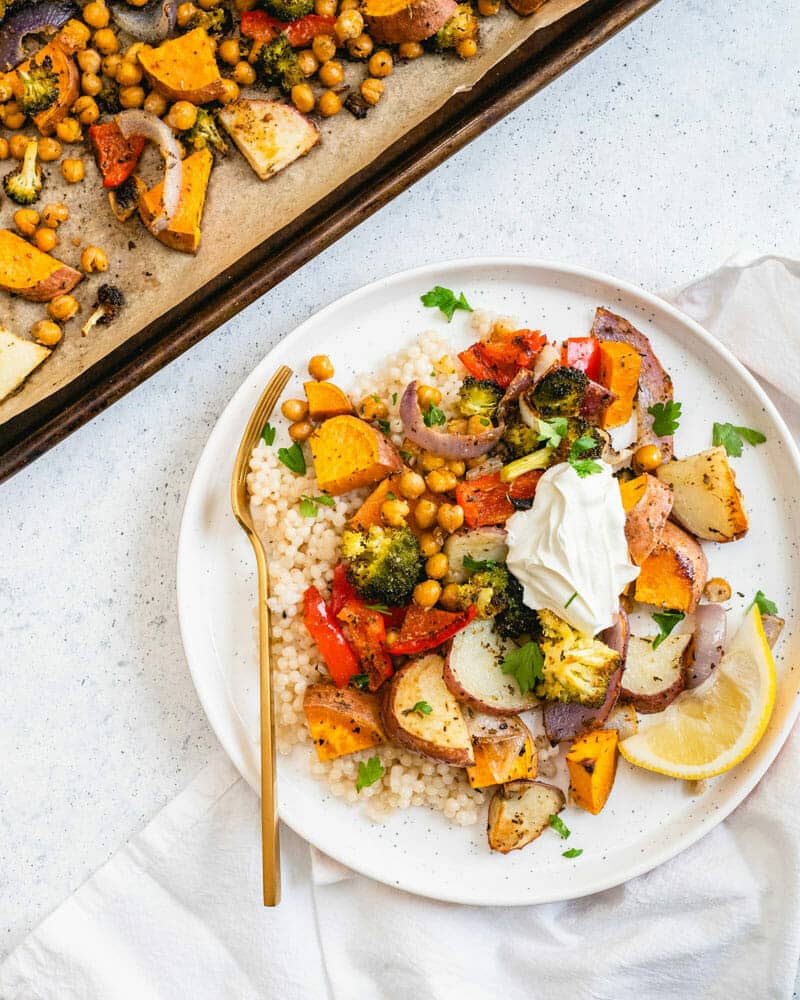
- Roasting: This method can bring out the natural sweetness in vegetables. Drizzle seasonal produce like carrots, Brussels sprouts, or sweet potatoes with olive oil, sprinkle with your favorite spices, and roast them at high heat until they’re caramelized. The result is a satisfying side dish or a hearty addition to grain bowls.
- Stir-frying: A traditional Asian technique, stir-frying is a quick way to cook vegetable and protein combinations. Use a non-stick skillet or wok over high heat to sauté frozen vegetables with tofu or shrimp, adding soy sauce or sesame oil for flavor. Not only is it fast, but it also preserves the vibrant colors and nutrients of the ingredients.
- Blending: Smoothies are an easy way to consume multiple servings of fruits and vegetables in one go. Utilize your stocked yogurt or nut milk as a base and combine it with fruits like bananas, spinach, and berries. These drinks can serve as meal replacements or energizing snacks, packed with vitamins and minerals.
- Batch Cooking: Preparing a large quantity of a recipe and dividing it into portions for the week can save time and keep you on track with healthy eating. Consider making soups or stews that incorporate protein sources (like lentils or chicken) and vegetables. Store in individual containers for easy access during busy days.
With these cooking techniques at your disposal, you can easily diversify your meals while using the ingredients you have on hand. Another invaluable tip is to focus on one-pot meals. These recipes simplify cleanup and maximize flavor. For example, consider making a hearty chili using canned beans, tomatoes, and cooked ground turkey, simmered in a single pot. Serve it over brown rice or quinoa for a complete meal.
Smart Substitutions for Healthier Options
When preparing meals at home, it’s beneficial to make smart substitutions to boost nutritional value without compromising taste. Here are a few ideas to incorporate into your cooking:
- Whole Grains: Swap refined grains for whole grains. Instead of white rice or pasta, choose brown rice, quinoa, or whole grain noodles. They provide more fiber and essential nutrients, and they can be just as versatile in recipes.
- Greek Yogurt for Sour Cream: Greek yogurt can replace sour cream in recipes, offering a similar taste and creaminess while adding protein. Use it in dips, dressings, or as a topping for baked potatoes.
- Nut Butters Instead of Cream: When baking, use nut butters as a substitute for cream or oil. This swap delivers healthy fats and can lend flavor to your favorite desserts.
- Reduce Added Sugars: Many recipes can be adjusted to use less sugar by integrating natural sweeteners such as mashed bananas or applesauce, especially in baked goods. Not only does this cut calories, but it also adds a bit of extra fiber.
By integrating these cooking techniques and substitutions into your meal prep, you can significantly enhance the flavor and nutritional profile of your dishes. Exploring the diverse methods of preparing healthy meals with accessible ingredients will not only keep your palate excited but will also contribute to a sustainable lifestyle centered around nutritious eating.
DIVE DEEPER: Click here to discover budget-friendly meals
Final Thoughts on Preparing Healthy Meals with Accessible Ingredients
In a world where health and convenience often seem at odds, mastering the art of preparing healthy meals with accessible ingredients is a valuable skill. The journey begins with knowing how to stock your kitchen with nutrient-rich foods that can easily be transformed into a variety of meals. As we’ve discussed, employing creative cooking techniques such as roasting, stir-frying, and blending allows you to extract maximum flavor and nutrition from everyday ingredients.
Moreover, making smart substitutions can elevate your dishes while increasing their health benefits. Swapping refined grains for whole grains, or using Greek yogurt instead of sour cream, are simple yet effective methods to bolster the nutritional profile of your meals without sacrificing taste. These small adjustments can make a significant impact on your health in the long run.
Furthermore, incorporating efficient cooking strategies such as batch cooking and one-pot meals can not only save you time but also ensure that delicious, healthy meals are readily available on busy days. By embracing these techniques and strategies, you cultivate a culinary environment that values both flavor and health, enabling you to enjoy nourishing meals without the need for specialized or hard-to-find ingredients.
As you embark on your culinary adventure, remember that cooking is a creative process. Experiment with various ingredients, and don’t be afraid to innovate. With the right mindset and preparation, you will find that preparing healthy meals with accessible ingredients is not just achievable, but incredibly rewarding. Embrace the journey to healthier eating, and allow it to enrich both your body and your lifestyle.
Related posts:
Tips for Replacing Expensive Ingredients with Affordable Alternatives in Your Recipes
5 Easy Desserts That Won't Break the Bank
One-Pot Meals: Delicious and Budget-Friendly Recipes
Quick and Cheap Recipes for Family Meals
5 Cost-Effective Ingredients for Quick Weeknight Meals
Cooking with Canned Goods: Quick and Affordable Meal Solutions

Beatriz Johnson is a seasoned home cook and recipe developer with a passion for simplifying the art of budget-friendly and easy-to-make meals. With over a decade of experience in the kitchen, she specializes in topics like meal planning on a budget, affordable ingredient swaps, and quick cooking techniques for busy households. Through her work, Beatriz empowers readers to create delicious, satisfying meals while saving money and making the most of every grocery trip.