How Diet Affects Skin Health and Which Foods to Include in Your Diet
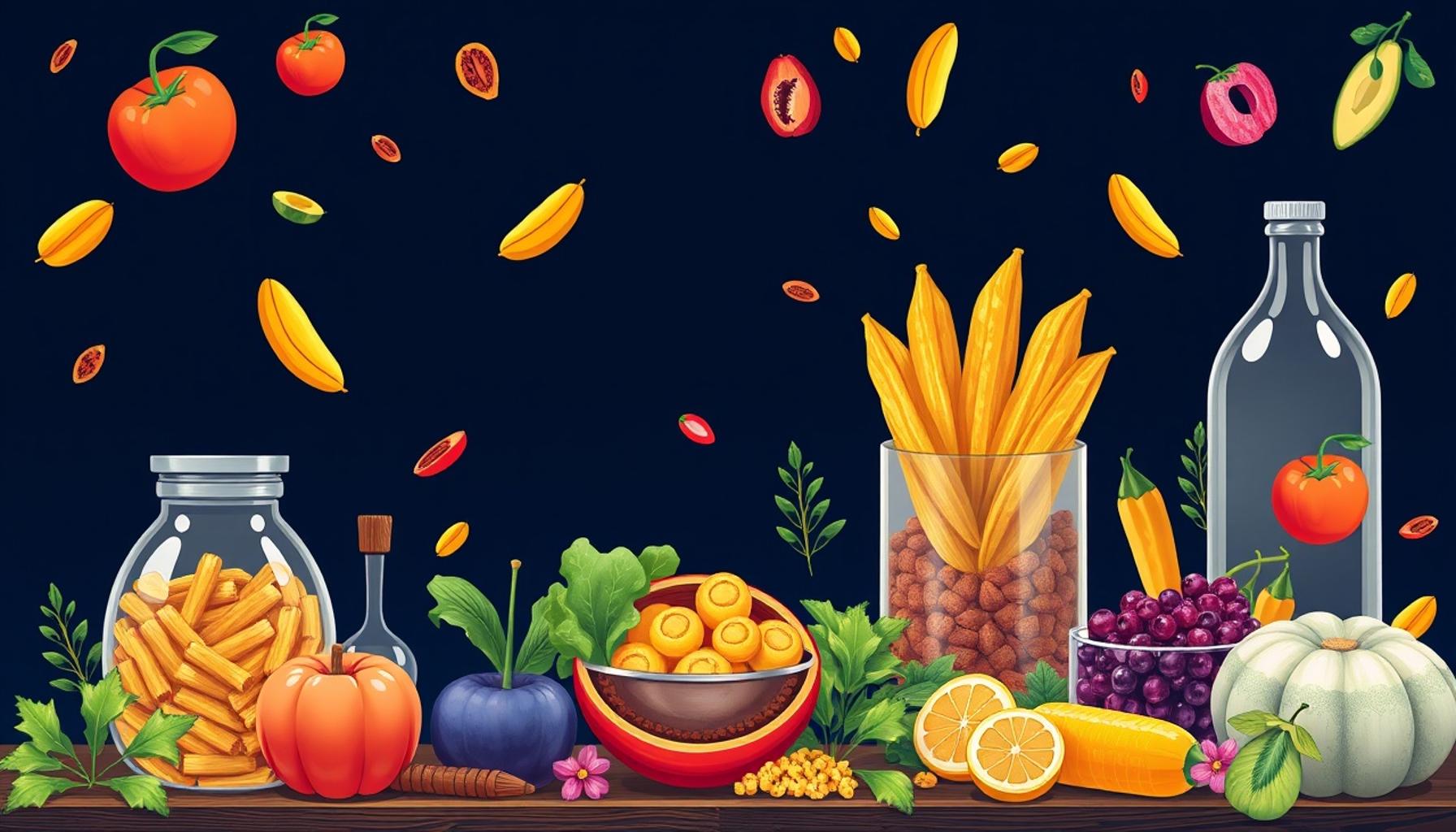
The Impact of Food Choices on Skin Health
The intricate relationship between diet and skin health is a burgeoning field of interest among health enthusiasts, dermatologists, and researchers alike. As we adopt a more health-conscious lifestyle, it becomes essential to recognize that our dietary choices can profoundly influence not just our physical well-being, but also the vitality and aesthetics of our skin. By making mindful food selections, individuals can foster a glowing complexion that appears youthful and vibrant.
Understanding the Essentials for Healthy Skin
Key factors contributing to skin health include:
- Hydration: Maintaining sufficient hydration is crucial, as water-rich foods—such as cucumber, watermelon, and oranges—not only replenish fluid levels but also help retain moisture within skin cells, leading to a plump and radiant appearance.
- Vitamins and Minerals: Essential nutrients like Vitamin C, prevalent in citrus fruits and broccoli, and Zinc, found in nuts and seafood, are instrumental in collagen synthesis and skin repair, effectively combating signs of aging.
- Antioxidants: Foods abundant in antioxidants, such as berries, dark chocolate, and green tea, can inhibit oxidative stress. This can slow down the aging process by neutralizing free radicals that contribute to skin damage.
Foods That Enhance Skin Appearance
Several food categories are particularly beneficial for maintaining healthy skin:
- Fruits: Berries—like blueberries, strawberries, and blackberries—are power-packed with antioxidants. Additionally, citrus fruits, such as lemons and grapefruits, help bolster collagen production, contributing to firmer skin.
- Vegetables: Leafy greens—such as spinach and kale—are rich in vitamins A, C, and K. These nutrients play vital roles in skin repair, reducing irritation and inflammation.
- Healthy Fats: Incorporating avocados, olive oil, and nuts into your diet can enhance skin elasticity and moisture retention. Their fatty acids support the skin’s barrier, reducing dryness and flakiness.
Identifying Harmful Dietary Patterns
However, not all food choices promote skin wellness; certain diets may negatively impact skin health, leading to conditions such as acne, rosacea, or premature aging. For instance, high-glycemic foods, including white bread and sugary snacks, can trigger inflammatory responses, exacerbating breakouts. Similarly, dairy products have been shown in some studies to correlate with increased acne in susceptible individuals. By recognizing these patterns and adjusting dietary habits, people can assert greater control over their skin health.
Ultimately, the connection between what we consume and how we present ourselves to the world is profound. This article aims to further explore the captivating interplay between diet and skin wellness, guiding readers through the best foods to embrace for vibrant, healthy skin. By delving deeper into this fascinating subject, individuals can make informed choices that will benefit not only their skin but also enhance their overall health and well-being.
DISCOVER MORE: Click here to delve into cultural views on beauty and aging
Nourishing Your Skin from Within
As we delve deeper into the connection between diet and skin health, it’s essential to understand that our skin is not just a protective barrier; it is also a reflection of our internal health. The foods we consume affect our skin’s elasticity, hydration, and resilience against environmental stressors. To cultivate a luminous complexion, a comprehensive understanding of nutrition is paramount. By incorporating specific foods into our daily diet, we can help combat skin issues and unlock our skin’s natural radiance.
Critical Nutritional Components for Optimal Skin Health
Several key nutritional components play a pivotal role in promoting skin health. These include:
- Omega-3 Fatty Acids: These essential fats are primarily found in fatty fish such as salmon and walnuts. They help maintain skin cell integrity and prevent inflammation, making them vital for those struggling with conditions like eczema and acne.
- Vitamin E: An antioxidant powerhouse, Vitamin E is abundant in foods like almonds, sunflower seeds, and spinach. It protects skin cells from oxidative stress and aids in skin repair, promoting a smoother, healthier complexion.
- Polyphenols: Found in green tea, grapes, and dark chocolate, polyphenols help reduce inflammation and improve skin hydration. They also combat photoaging by protecting the skin from UV damage.
The Role of Gut Health in Skin Vitality
Another fascinating aspect of the diet-skin connection is the role of gut health. Emerging studies suggest that a balanced microbiome—rich in probiotics from foods like yogurt and fermented vegetables—can improve skin conditions such as acne, rosacea, and psoriasis. This connection highlights the importance of a diverse and nutrient-rich diet in maintaining not just gut health, but consequently, skin health as well.
Emphasizing Whole, Natural Foods
Incorporating whole, nutrient-dense foods into your eating habits can significantly affect your skin’s appearance. Here are some food categories to consider:
- Lean Proteins: Sources like chicken, turkey, and legumes assist in tissue repair and collagen production, which are fundamental for maintaining skin firmness.
- Whole Grains: Foods like quinoa, brown rice, and oats provide steady energy and essential nutrients, supporting overall skin health and combating dullness.
- Herbs and Spices: Incorporating anti-inflammatory herbs such as turmeric and ginger can enhance your diet, as they contain potent compounds that reduce skin redness and irritation.
By broadening the understanding of how different foods influence skin health, individuals can harness the power of nutrition to cultivate a more vibrant and youthful complexion. This exploration into the relationship between diet and skin health invites readers to rethink their eating habits, ultimately empowering them to make choices that promote not only aesthetic appeal but overall well-being.
Understanding the Link Between Diet and Skin Health
The relationship between diet and skin health is profound. Nutrition plays a crucial role in maintaining a vibrant, youthful complexion, and certain foods can significantly enhance the skin’s appearance. Nutrients like antioxidants, vitamins, and healthy fats are particularly beneficial. For instance, fruits and vegetables rich in vitamin C, such as oranges and bell peppers, help with collagen production, contributing to skin elasticity. On the other hand, foods high in sugars and saturated fats can trigger inflammation, potentially leading to skin issues like acne.
Key Foods to Include in Your Diet
When considering diet adjustments for better skin health, focus on incorporating foods known for their skin-enhancing properties:- Fatty Fish: Rich in omega-3 fatty acids, which help maintain skin moisture and elasticity.- Avocados: Packed with healthy fats and vitamins, avocados support skin’s hydration and improve its overall texture.- Nuts and Seeds: Almonds, walnuts, and flaxseeds provide essential fatty acids and antioxidants that combat oxidative stress.- Berries: Blueberries, strawberries, and blackberries are high in antioxidants, which protect the skin from damage caused by UV exposure.Incorporating these foods into your daily diet not only supports skin health but also promotes overall well-being. A diverse range of nutrients is essential for repairing damaged skin and fighting off environmental aggressors.
Hydration Matters
Water intake is equally vital when discussing skin health. Staying well-hydrated helps maintain skin elasticity and promotes a healthier complexion. Skin can lose its plumpness and appear dull when properly hydrated; therefore, aim for at least eight glasses of water a day. To further educate readers on the profound effects of diet on skin health, consider exploring how specific dietary habits can influence skin conditions like eczema or psoriasis. Additionally, understanding the role of probiotics in gut health may reveal further insights into achieving clearer skin.
| Category 1 | Category 2 |
|---|---|
| Nutrient-Rich Foods | Foods such as berries, fatty fish, and leafy greens are rich in vitamins and minerals that help repair skin. |
| Antioxidants | They protect skin from damage, promoting a healthier look; include fruits and vegetables for the best results. |
Exploring these connections between dietary choices and skin health can empower individuals to make informed decisions that lead to healthier skin over time. The impact of a balanced diet is indeed significant, and understanding what helps your skin can lead to transformative results.
DISCOVER MORE: Click here to learn about nutrition’s impact on skin aging
Hydration: The Unsung Hero of Skin Health
While we often consider food when thinking about skin health, we mustn’t overlook the significant impact hydration has on our complexion. Water is essential for maintaining skin elasticity and preventing dryness, which can lead to flaky, dull-looking skin. Studies suggest that drinking adequate water can improve skin hydration levels while minimizing the appearance of fine lines and wrinkles. Aim for 8 to 10 glasses of water a day, but remember that hydrating foods, such as cucumbers, watermelon, and oranges, can also contribute to your daily intake.
The Importance of Antioxidants
Antioxidants are vital in counteracting the harmful effects of free radicals, unstable molecules that can cause premature aging and skin damage. A diet rich in fruits and vegetables can significantly boost your antioxidant levels. Vitamins C and A, found in bell peppers, strawberries, sweet potatoes, and carrots, support collagen production and cellular repair. Collagen, a protein essential for skin elasticity and firmness, requires a constant supply of these vitamins for synthesis. Incorporating a variety of colorful produce ensures a well-rounded intake of these critical nutrients, fortifying your skin’s defenses against oxidative stress.
Say Goodbye to Processed Ingredients
In addition to adding beneficial foods, it’s equally important to limit those that may compromise skin health. Processed foods, laden with sugars and unhealthy fats, can exacerbate skin conditions, contributing to inflammation, acne breakouts, and premature aging. Ingredients such as refined grains, excessive sugar, and trans fats can lead to increased oil production and clogged pores. Instead, aim to replace these items with whole foods that nourish your body from the inside out.
Choosing the Right Fats for Skin Health
Not all fats are created equal. Healthy fats, particularly monounsaturated and polyunsaturated fats, play a significant role in maintaining skin suppleness and hydration. Foods like avocados, olives, and nuts provide essential fatty acids that nurture the skin, enhancing moisture retention and elasticity. On the other hand, certain fats found in fried and heavily processed foods can wreak havoc on your skin. Being discerning in your fat choices can dramatically alter the appearance and health of your skin.
Foods to Avoid for Optimal Skin Conditions
While many foods are beneficial, some should be consumed sparingly to promote clear and healthy skin:
- Dairy Products: Some individuals may find that dairy exacerbates acne and inflammation due to hormones present in milk.
- Sugary Drinks: Sodas and sweetened beverages raise insulin levels, contributing to skin issues such as acne and dullness.
- Excess Alcohol: Alcohol can dehydrate the skin and cause inflammation, leading to a drained appearance and exacerbated skin conditions.
Exploring the intricate relationship between diet and skin health encourages a holistic approach to beauty. By focusing on a balanced, nutrient-rich diet and steering clear of problematic foods, individuals can substantially improve their skin health. Emphasizing hydration, wholesome ingredients, and healthy fats lays the groundwork for a glowing complexion, signaling the undeniable power of food in our pursuit of skin vitality.
DISCOVER MORE: Click here for tips on choosing the right skincare products
Final Thoughts on Diet and Skin Health
Understanding the connection between diet and skin health opens the door to a holistic approach to beauty that extends beyond cosmetic products. As we have explored, maintaining hydration, prioritizing antioxidant-rich foods, and choosing healthy fats are key components in ensuring a vibrant complexion. The foods we consume can either fortify our skin’s natural barrier or contribute to blemishes and premature aging.
For those looking to enhance their skin health, incorporating a diverse array of fruits, vegetables, nuts, and healthy fats should be a priority. Foods rich in vitamins C and A, along with omega fatty acids, play a pivotal role in collagen production and moisture retention. Furthermore, eliminating inflammatory ingredients such as refined sugars and processed foods can lead to significant improvements in skin clarity and texture.
As consumers become increasingly aware of how diet affects skin health, it is important to take an individualized approach. Skin responses can vary greatly from person to person; thus, monitoring how certain foods influence your skin can provide insights into creating a personalized diet. Adopting a mindful attitude toward food choices may very well lead to radiant skin and overall better health.
In conclusion, the journey to healthy skin doesn’t merely lie in topical treatments but begins at the dinner table. By reinforcing your diet with nourishing foods and keeping harmful ingredients at bay, you can unlock your skin’s potential and embrace a more vibrant, healthful lifestyle.