Frozen Meal Recipes: How to Plan and Save Time in the Kitchen
Unlock the Secrets of Time-Saving Frozen Meals
In today’s fast-paced world, finding time to cook can feel like a daunting task. Frozen meal recipes offer a convenient solution, combining nutrition and efficiency without sacrificing flavor. These meals not only save time but also provide endless options for busy lifestyles.
Planning ahead can significantly enhance your kitchen experience. Consider these benefits of frozen meals:
- Time efficiency: Preparing meals in advance and storing them for later allows you to have a delicious homemade dinner ready with just a few minutes of reheating. This is particularly helpful on busy weeknights when you have obligations, whether it’s work, family commitments, or social engagements.
- Cost-effectiveness: When you buy ingredients in bulk, you can create meals at a lower cost per serving while significantly reducing food waste. For instance, purchasing a whole chicken and using all parts in various frozen meals ensures that every bit is utilized, sparing you the expense of buying pre-packed meals.
- Healthier choices: By making your meals at home, you have full control over the ingredients. This means you can avoid preservatives typically found in store-bought frozen meals and cater to specific dietary requirements, whether that involves gluten-free, vegan, or low-carb options.
Beyond these advantages, the variety of frozen meal recipes can cater to diverse tastes and dietary needs. The options range from savory casseroles, such as chicken and broccoli alfredo, to hearty soups like minestrone or chili con carne. The choices are virtually endless. Additionally, you can prepare individual portions in freezer-safe containers, making it even easier to grab a meal on the go. Some popular trends include grain bowls packed with quinoa, roasted vegetables, and a protein source, offering a balanced meal in one convenient package.
Investing time upfront to create these nutritious meals enables you to have quick, satisfying dinners that can be easily reheated in a matter of minutes. This not only allows you to spend more time with your family and catch up on the day but also alleviates the stress of mid-week meal planning.
Ready to revolutionize your cooking routine? Learning simple techniques for freezing meals, such as blanching vegetables before freezing them or creating freezer bags with pre-measured ingredients, can be beneficial. By following these strategies, you will discover how enjoyable and manageable your kitchen can become, even amidst the chaos of a busy modern life.
DISCOVER MORE: Click here to uncover delicious grain-based recipes
Strategically Planning Your Frozen Meal Adventure
Creating a well-organized plan for frozen meals not only simplifies your meal prep but also ensures you optimize your time and resources effectively. To embark on this culinary journey, start by gathering your favorite frozen meal recipes and deciding which meals will be your go-to options for the coming weeks. A well-curated meal plan can make a significant difference in your weekly grocery budget and cooking habits.
One of the most essential steps in planning is to analyze your schedule. Consider the following factors:
- Busy Nights: Identify which evenings are typically packed with activities such as sports, late work hours, or social gatherings. These are prime candidates for frozen meals, allowing you to reclaim precious time without compromising on nutrition.
- Ingredient Availability: Assess the ingredients you regularly use and see if you can incorporate them into multiple meals. This will minimize waste, ensuring that perishables are used efficiently. For example, roasted vegetables can be included in grain bowls, casseroles, or served on the side of various proteins.
- Bulk Cooking Sessions: Designate a day to batch cook your meals. This could be a Sunday afternoon when you have some downtime. Preparing multiple meals at once can cut your cooking time in half throughout the week.
After identifying the meals you want to freeze, it’s time to consider portion sizes. Depending on your family size and eating habits, you can prepare:
- Family Portions: Ideal for meals that can be easily reheated, such as lasagnas or casseroles. This way, everyone can enjoy a hearty serving at once.
- Individual Portions: Perfect for quick lunches or solo dinners. Meal prep containers make it easy to grab a pre-made meal when you’re in a rush.
- Snack Portions: Consider freezing snacks like veggie sticks or homemade energy balls. These are excellent for kids or anyone looking for a healthy bite between meals.
To ensure you get the most out of your frozen meals, proper storage plays a critical role. Invest in high-quality freezer-safe containers or resealable bags designed for freezing to prevent freezer burn. Label each container with the name of the meal and the date it was prepared, allowing you to rotate and use older meals first. An organized freezer is key to maintaining variety and avoiding boredom with your meals.
By strategically planning your frozen meals and considering portion sizes, you’re setting yourself up for a hassle-free kitchen experience. With a thoughtful approach, you can maximize both your time and culinary creativity while enjoying the convenience that frozen meal recipes bring to your everyday life.
Maximizing Efficiency with Frozen Meal Planning
One of the greatest advantages of incorporating frozen meal recipes into your cooking routine is the significant time savings they offer. Planning meals in advance not only helps in streamlining grocery shopping but also minimizes daily cooking time, allowing you to enjoy homemade meals without the usual hassle. Here, we will delve into clever strategies for planning and preparing frozen meals that can serve busy families or individuals looking to make the most out of their culinary efforts.
Smart Planning Techniques
Start with creating a weekly meal plan. Outline dinners for the week, focusing on recipes that can be easily frozen. Batch cooking is another effective method, where you cook larger portions of recipes and freeze them in individual servings. Be sure to label each container with the dish name and the date it was prepared, which can help ensure freshness and quality.
Choosing the Right Recipes
When selecting recipes, opt for dishes that freeze well. Casseroles, soups, stews, and sauces are all excellent candidates. Not only do they maintain flavor and texture upon thawing, but they also often taste even better after sitting for a while. This surprising fact can elevate your meal preparation game and make frozen meals an enticing option.
Storage Solutions
Investing in high-quality freezer-safe containers or vacuum-sealed bags can vastly improve the longevity of your meals. It’s essential to remove as much air as possible to prevent freezer burn and retain moisture. Moreover, using portion-sized containers makes it easy to pull out just what you need for a meal without having to thaw an entire batch, thus saving time and minimizing waste.
Using a Variety of Ingredients
Make sure your frozen meals incorporate a variety of nutritious ingredients. Seasonal vegetables, lean proteins, and whole grains can be frozen for later use. This practice not only offers benefits in terms of time savings but also allows you to maintain a balanced diet that is essential for overall well-being.
Creating a Frozen Meal Inventory
Maintaining an inventory of your frozen meals can help in meal planning and ensure you are using ingredients before they lose their quality. You can keep a simple chart on your fridge with the contents and expiration dates of your frozen items, making it easier to plan meals around what you already have on hand.
Incorporating these strategies into your kitchen routine will not only save you time but will also make the process of cooking and eating enjoyable and satisfying. The benefits of frozen meals are profound, paving the way for a more organized and efficient kitchen experience.
| Category | Advantages |
|---|---|
| Time-Saving | Reduced daily cooking times, enabling quick meal solutions. |
| Variety | Ability to enjoy diverse meals made with seasonal ingredients even weeks later. |
DISCOVER: Click here for quick and healthy meal ideas
Maximizing Flavor and Nutrition in Your Frozen Meals
While the convenience of frozen meals is undeniable, it’s essential to ensure that the flavor and nutritional quality maintain their integrity during the freezing process. This requires both careful recipe selection and the adoption of some tried-and-true kitchen strategies. By focusing on how to create meals that stand the test of time in the freezer, you can ensure you’re always satisfied with your choices.
When selecting frozen meal recipes, consider dishes that freeze well rather than those with fresh greens or delicate proteins that may not hold their texture. Meals high in moisture, like hearty soups, stews, and casseroles, tend to fare better, as the liquid helps maintain their consistency. Take classic comfort foods, like chicken and rice casserole or beef stew, for example; these are culinary staples that can still deliver both flavor and comfort long after they’ve been frozen.
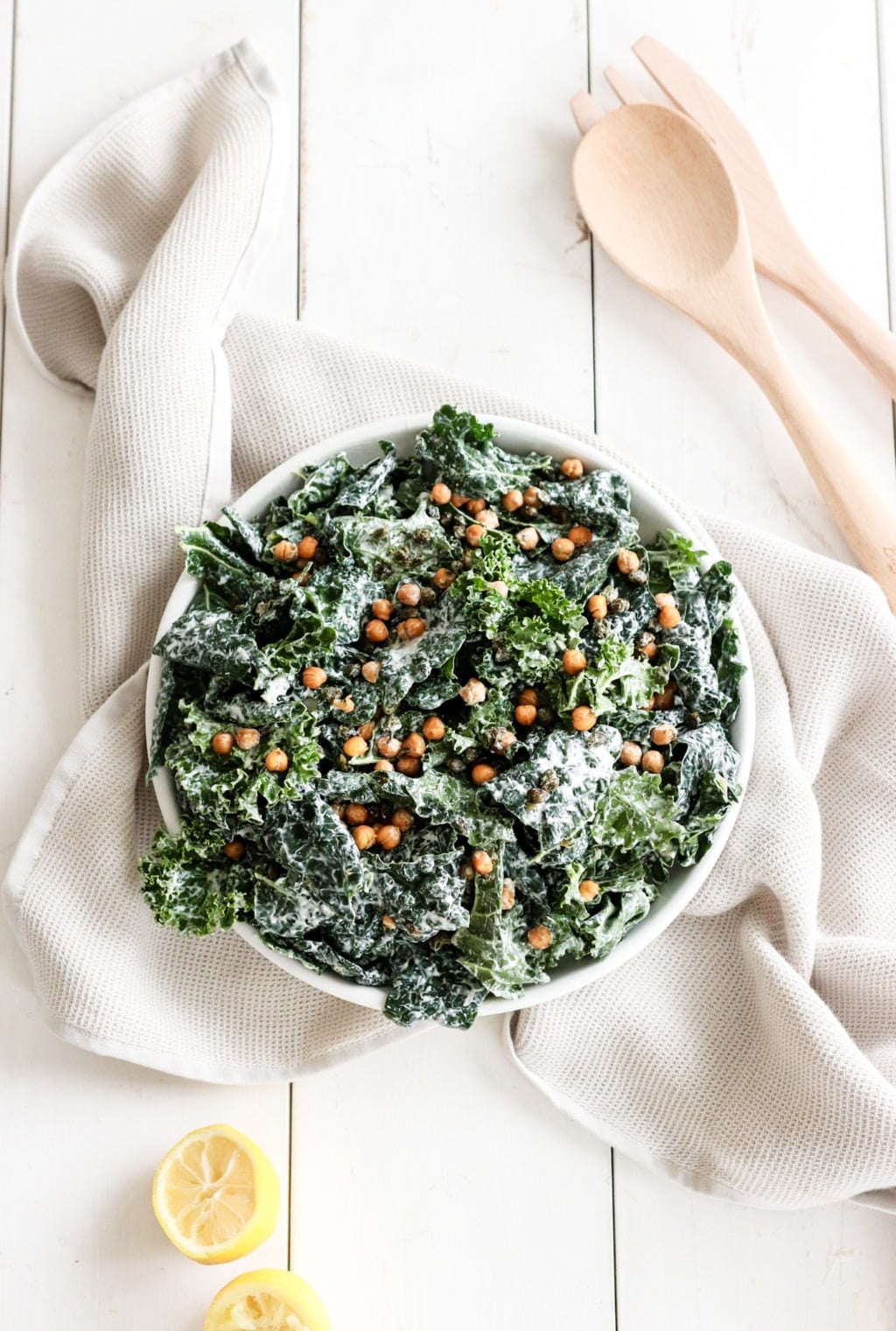
Incorporating a variety of ingredients is key. Include plenty of colorful vegetables, whole grains, and high-quality proteins to boost both the visual appeal and nutrition of your meals. Consider using vibrant bell peppers, kale, or chickpeas, which not only add an extra layer of taste but also pack a punch in vitamins and minerals. Additionally, incorporating spices and herbs can elevate the taste of your meals significantly. Freezing meals with spices like cumin, paprika, or rosemary can infuse flavors that are only enhanced during the reheating process.
The cooking method also plays a crucial role in the quality of frozen meals. Methods such as steaming, roasting, and sautéing help lock in flavors and nutrients. Steamed vegetables can retain their color and nutrients more effectively than those boiled. If a recipe calls for sautéing, try doing so swiftly to avoid overcooking; this quick cooking method ensures that textures remain appealing even after being stored in the freezer.
Perfecting the Freezing Process
Once your meals are ready, the next step is freezing them properly to retain their flavor and freshness. Here are some useful tips to enhance your freezing experience:
- Cool Before Freezing: Allow your meals to cool to room temperature before sealing them in containers. This practice prevents condensation, which can lead to ice crystals forming and affecting your meal’s texture.
- Avoid Freezer Burn: To minimize exposure to air, opt for vacuum-sealed bags or containers that minimize headspace. These methods are essential for preserving the taste and texture of your frozen dishes.
- Use Ice Cube Trays for Small Portions: For items like sauces, broths, or purees, consider using ice cube trays. Once frozen, transfer them to a refrigerator-safe bag. This allows you to easily thaw just the amount you need!
If you are looking to incorporate a variety of cuisines in your frozen meal repertoire, don’t hesitate to explore international flavors. Dishes like Thai green curry, Moroccan tagine, or Mexican enchiladas not only provide exciting flavor profiles but are also perfect for freezing. Many of these recipes are designed to intensify flavors during the reheating process, making them ideal for your busy week nights.
Overall, crafting a selection of frozen meal recipes that are both delicious and nutritious requires a blend of strategic planning, careful execution, and smart storage solutions. The small maintenance tasks you incorporate now will pay off as you save time in the kitchen and enjoy well-rounded meals throughout the week.
DISCOVER MORE: Click here for delicious grain-based recipes
Conclusion
In conclusion, the art of creating frozen meal recipes presents an excellent opportunity to save time in the kitchen while maintaining the quality and nutrition of your meals. By strategically selecting recipes that are compatible with freezing, such as hearty casseroles, flavorful soups, and vibrant grain bowls, you can ensure that every bite retains its delightful taste and texture. Understanding the intricacies of the freezing process, from cooling meals before storage to using appropriate containers, is vital in preventing unwanted freezer burn and the loss of flavor.
Moreover, infusing your dishes with a variety of spices, vegetables, and high-quality proteins not only enhances the nutritional value of your meals but also encourages culinary creativity. Diving into international cuisines can add excitement to your frozen meal lineup, ensuring that dinners never become mundane. As you implement these tips and techniques, the investment you make in time and effort today will yield profound benefits during those busy weeknights when a quick meal is essential.
Ultimately, adopting a proactive approach to meal planning encourages healthier eating habits while alleviating the stress of daily cooking. So, why not explore the world of frozen meal recipes and rethink your kitchen strategy? With thoughtful preparation, you can revolutionize your dining experience—giving you one less thing to worry about as you savor delicious, home-cooked meals throughout the week.
Related posts:
Cooking with leftovers: transforming scraps into delicious and economical dishes
5-Ingredient Cooking: Simple and Affordable Recipes for Quick and Tasty Meals
Tips for optimizing the use of appliances in preparing economical dishes
One-Pot Recipes: Time and Energy Savings in the Kitchen
Microwave Recipes: Easy and Economical Dishes for Quick Cooking
Pre-preparation Techniques to Accelerate Cooking Processes and Reduce Waste

Beatriz Johnson is a seasoned home cook and recipe developer with a passion for simplifying the art of budget-friendly and easy-to-make meals. With over a decade of experience in the kitchen, she specializes in topics like meal planning on a budget, affordable ingredient swaps, and quick cooking techniques for busy households. Through her work, Beatriz empowers readers to create delicious, satisfying meals while saving money and making the most of every grocery trip.