
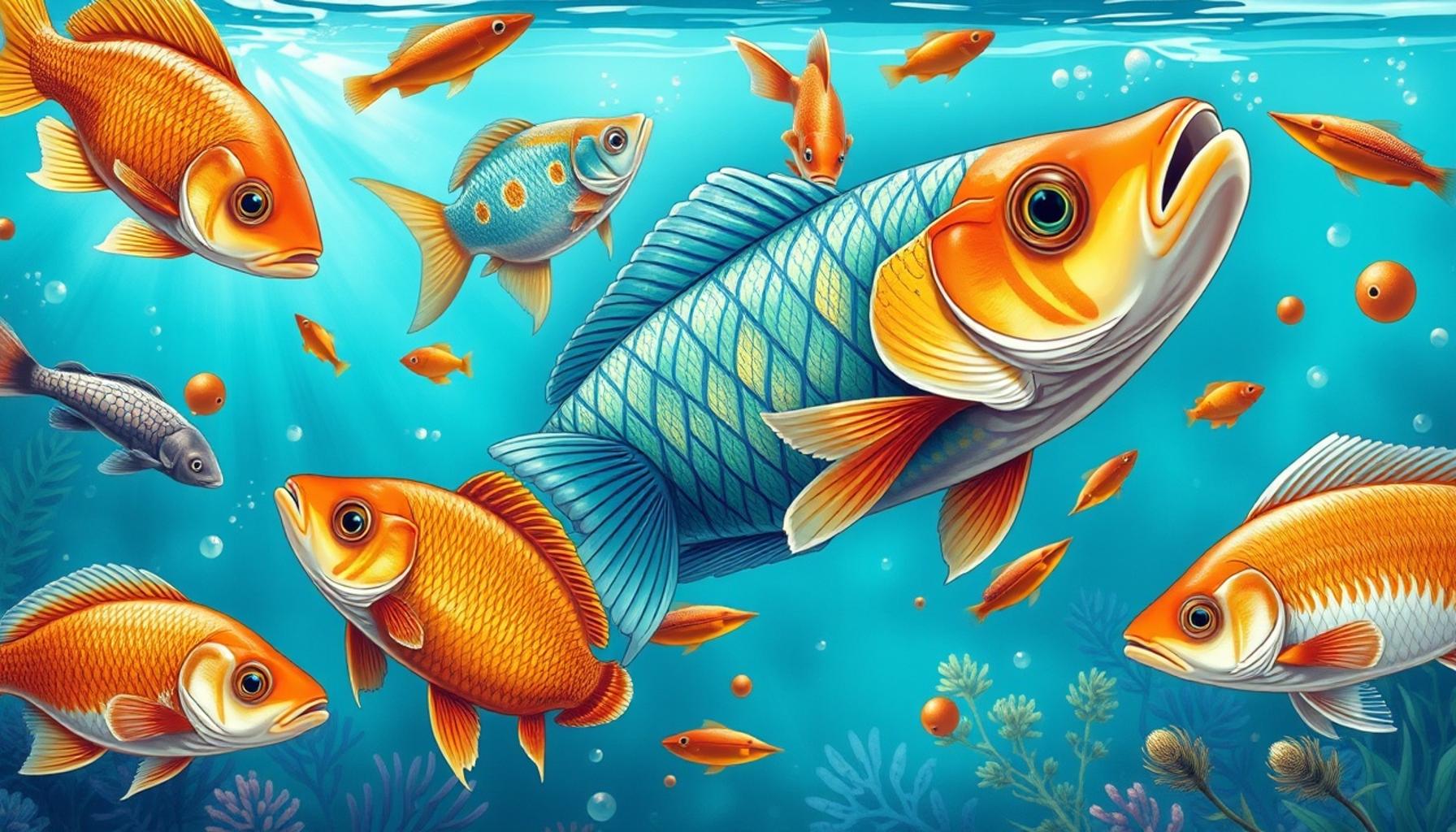
Welcome to the World of Aquarium Fish
For many, aquarium fish represent not just decoration but a vibrant community of life. With thousands of species available, choosing the right fish for your home can be an exhilarating yet daunting task. The diversity of freshwater and saltwater fish offers a myriad of options for enthusiasts at every level, from casual hobbyists to dedicated aquarists.
Why Diversity Matters
Understanding the variety of aquarium fish species can significantly enhance both the aesthetic appeal and ecological health of your aquarium. When selecting fish, compatibility is crucial. For instance, community tank enthusiasts often appreciate species like neon tetras, which are small and peaceful, making them ideal companions for other non-aggressive fish like guppies or rasboras. On the contrary, territorial species such as betta fish can become aggressive, especially when housed with similar-looking fish, making careful selection essential.
Size is another critical factor; it greatly affects tank dynamics. For example, keeping a small school of pencilfish in a 10-gallon tank might be delightful, but introducing larger species like oscar fish requires a minimum of 55 gallons, as these fish grow significantly and can become dominant in the tank environment. Lastly, the amazing array of colors and patterns in fish species, such as the eye-catching hues of discus or the striking patterns of clownfish, can transform an ordinary tank into a breathtaking underwater landscape.
Factors for Choosing
When diving into the aquatic realm, it’s vital to pair your selection process with thorough research. Evaluating water parameters is essential since different species thrive in varying pH and temperature levels. For example, while many tropical fish prefer a temperature range of 75-80°F, marine species often require cooler waters, which significantly impacts your setup.
Feeding habits should also be taken into account. Some fish are herbivorous, such as certain species of swordtails, while others are strictly carnivorous, like piranhas. This differentiation influences not only your choices in fish, but also the overall ecosystem of the tank, as feeding practices must align with dietary needs. Finally, tank size is a fundamental consideration; ensuring you have adequate space is vital for the long-term health of your fish. A cramped environment can lead to stress, aggression, and even disease.
By thoughtfully exploring the fascinating world of aquarium fish, you can create a beautiful and harmonious aquatic environment. The journey of setting up your aquarium is just the beginning. Join us as we delve deeper into specialized selections, breeding opportunities, and the intricacies of maintaining a thriving aquarium ecosystem.
DISCOVER MORE: Click here to enhance your dog’s agility
As you immerse yourself in the captivating realm of aquarium fish, it’s essential to recognize the intricate complexities that govern the care, compatibility, and aesthetic beauty of your aquatic haven. Each fish species presents its own set of needs and characteristics that can greatly influence not only their health but also the overall harmony of your aquarium. When embarking on this endeavor, there are several crucial factors to consider in your fish selection process.
Compatibility Among Species
- Social Structure: The social dynamics of fish can significantly impact the ecosystem of your tank. For example, schooling fish such as neon tetras and zebra danios flourish in groups, creating a lively display as they glide through the water together. In contrast, solitary species like the renowned betta fish can exhibit aggressive territorial behaviors, often leading to conflicts. Therefore, a thorough understanding of these social structures is vital to ensure peaceful coexistence.
- Behavior Patterns: Understanding species behavior is equally essential for compatibility. For instance, some varieties of cichlids—like the vibrant African cichlids—are known for their aggressive nature, especially during breeding periods. Mixing them with more docile species could lead to stress and potential harm. This underscores the need for careful selection based on behavioral traits to maintain a balanced community tank.
Water Condition Requirements
Every fish hails from a unique natural habitat, which shapes its preferences for water conditions. Recognizing these needs is key to creating a thriving aquatic environment:
- pH Levels: The pH level in your aquarium can significantly affect fish health. Freshwater species often thrive in a pH range of about 6.5 to 7.5, while many marine species prefer a slightly alkaline environment with a pH between 8.1 and 8.4. Regular water testing can help you achieve and maintain these levels, ensuring a stable habitat for your inhabitants.
- Temperature: Temperature stability is paramount for tropical fish. For instance, the elegant discus fish favors warm waters around 82°F, necessitating a heater to maintain this environment. Conversely, species like the cold-hardy goldfish can thrive in cooler waters, demonstrating the spectrum of temperature requirements.
Dietary Needs
The feeding habits of your aquatic companions will not only influence your maintenance routines but also dictate compatibility:
- Herbivores: Certain species, including angelfish and omegas, require lush plant material alongside algae to meet their nutritional needs. When selecting tank mates, ensure that their dietary preferences align to avoid resource competition.
- Carnivores: Fish like clownfish and piranhas, on the other hand, necessitate protein-rich diets, which can include live or frozen food options. Introducing herbivorous fish into a tank with such carnivorous species can create a feeding imbalance and thrive if not carefully managed.
By addressing these fundamental considerations, you not only enhance the overall health and well-being of your fish but also set the stage for an engaging and enriching aquarium experience. The more you delve into their unique traits and behaviors, the more you’ll discover the captivating interplay within the ecosystem you are creating. As you continue down this journey, prepare to unlock the vibrant diversity of species and delve into the artistic possibilities that your home aquarium has to offer.
When delving into the captivating world of aqua life, understanding the various aquarium fish species is crucial in designing a thriving home environment. The selection goes beyond aesthetic appeal; it includes assessing compatibility, tank conditions, and even behavioral traits. It’s essential to create a harmonious balance in your aquarium, allowing both fish and aquatic plants to prosper.
One excellent way to start is by considering the size of your aquarium. Some species, such as Betta fish or Guppies, thrive in smaller tanks, while others, like Angelfish, require larger environments to thrive. Each species has unique requirements in terms of water temperature, pH, and filtration. Moreover, a mix of schooling fish, like Tetras, alongside more solitary ones, can create a vibrant ecosystem in your tank.
Potential fish keepers must also take into account the behavioral characteristics of any species they consider. Some fish are territorial, while others exhibit calm dispositions. Understanding these dynamics will help you make better choices regarding tank mates, reducing the risk of aggression and stress among your aquatic inhabitants.
In your quest to find the perfect fish, consider starting with a living aquarium community. Visit your local fish store or join online forums where experienced aquarists share their insights. They can provide valuable information on species that not only coexist well together but also flourish, enhancing the visual and emotional benefits of your aquarium.
| Category | Description |
|---|---|
| Compatibility | Understanding which fish thrive together is essential for a healthy aquarium. |
| Behavioral Traits | Observing fish behavior helps to choose species with compatible temperaments. |
By diving into the vibrant array of aquarium species, you’re likely to discover not just fish, but an entire ecosystem that can flourish in your home. The journey of setting up a tank offers joys, challenges, and endless learning opportunities. Explore, research, and connect with fellow enthusiasts to enrich your aquaristic experience.
DON’T MISS: Click here for essential tips
Creating a Balanced Ecosystem
Designing an aquarium goes beyond merely selecting beautiful fish; it entails creating a balanced ecosystem where species can thrive harmoniously. This balance is achieved through careful consideration of the factors outlined earlier, complemented by a few additional essential components.
Tank Size and Space Requirements
- Space Needs: Different fish species have varying space needs based on their size, activity level, and social behavior. A goldfish, for instance, can grow up to a foot long and requires a minimum of 20 gallons of water to swim freely. In contrast, smaller species such as guppies or neon tetras can thrive in smaller tanks but still require adequate room to reduce stress and territorial disputes. Always account for adult fish size when choosing tank capacity to avoid overcrowding.
- Aquascaping: The layout of your aquarium plays a vital role in establishing territories and reducing potential aggression. Incorporating rocks, plants, and hiding spaces not only enhances aesthetics but also provides necessary refuge and stimulation for your fish. For instance, placing driftwood or large stones can create hiding spots for more timid species like cardinal tetras, offering them comfort and reducing stress levels.
Breeding and Lifespan Considerations
If you’re interested in breeding fish, understanding the lifespan and breeding habits of species is crucial:
- Breeding Behavior: Some fish species, such as platies and guppies, are prolific breeders, producing multiple offspring in a short period. If you’re not prepared to manage the eventual population boom, consider species that breed less frequently. Cichlids have unique breeding behaviors that may require additional monitoring and space, adding complexity to your aquarium’s ecosystem.
- Lifespan: Knowing the average lifespan of aquarium fish aids in planning your tank’s future. While species like neon tetras may live up to 5 years, others like koi can live for decades. This consideration is particularly important if you plan to create a community tank over many years.
Ethical and Sustainable Sourcing
As you navigate the diverse array of aquarium fish species, purchasing choices also come into play. The origin of your fish can have significant ethical implications:
- Wild-Caught vs. Farm-Raised: Consider opting for farm-raised fish, which can alleviate the stress on wild populations, especially for species that are vulnerable due to overharvesting. Researching reputable retailers and ensuring they source their fish sustainably promotes responsible fishkeeping.
- Conservation Efforts: Certain fish species, such as the Mandarin Dragonet, face threats due to habitat degradation and over-collection. By choosing to support suppliers engaged in conservation efforts, aquarists can contribute to the preservation of aquatic ecosystems worldwide.
By addressing these additional elements, you not only craft an engaging aquatic environment for your fish but also foster a deeper connection with the vast tapestry of life beneath the water’s surface. The knowledge you gain will not only empower your fishkeeping journey but also enhance your home aquarium’s beauty, making it an inviting focal point for all who encounter it. Continue to explore and understand the vibrant diversity of fish species, each contributing uniquely to the marvel of life in your tank.
IMPORTANT: Click here to discover safe snack options for your pets
Conclusion
As you journey through the fascinating realm of aquarium fish species, it becomes evident that there is much more to consider than just aesthetics. Choosing the best fish for your home aquarium requires a comprehensive understanding of their unique behaviors, habitat needs, and how they can coexist to sustain a vibrant ecosystem. By taking into account factors such as tank size, breeding habits, and sustainable sourcing, you position yourself as a more responsible aquarist. Each species offers distinct advantages and characteristics that can enhance the overall experience of fishkeeping.
Moreover, fostering an appreciation for the diversity of aquatic life encourages ethical and sustainable practices, ultimately benefiting both your aquarium and the environments from which these beautiful creatures hail. The decision to support farm-raised or sustainably sourced fish not only preserves our ecosystems but also contributes to the longevity of the hobby we cherish.
In conclusion, your selections should resonate with your values and aspirations for your home aquarium. By continuously exploring the vast spectrum of species available, you not only enrich your own aquarium experience but also participate in a greater movement towards responsible fishkeeping. So embark on this journey with curiosity and respect for the underwater world, and let your aquarium reflect the beauty and diversity that nature has to offer.