
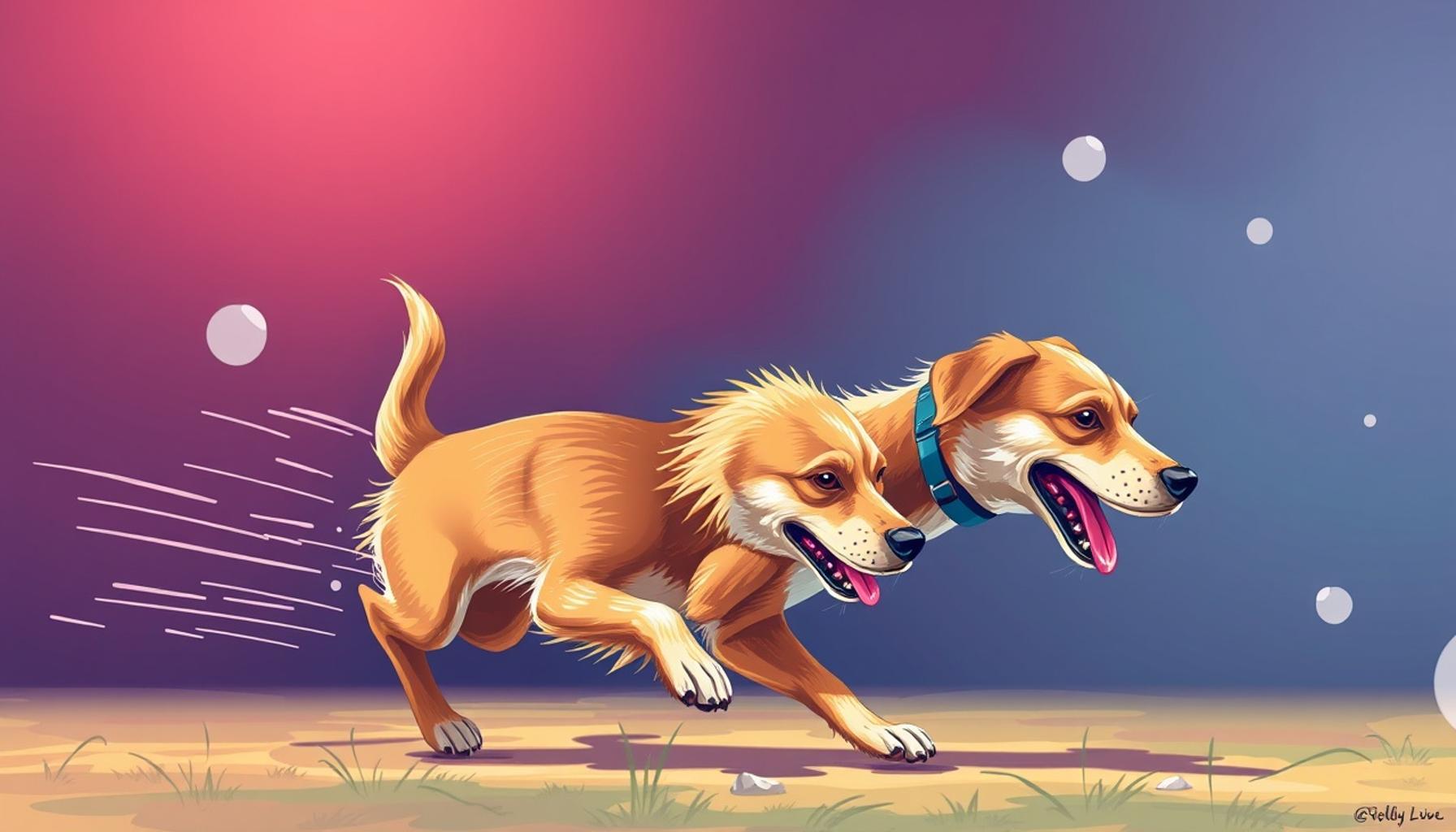
The Joy of Canine Agility
In the realm of canine athletics, advanced agility training has evolved into a captivating discipline that not only brings joy but also strengthens the bond between dogs and their handlers. This exhilarating sport involves navigating a series of obstacles, and it is becoming increasingly popular across the United States, drawing in participants from various backgrounds—whether seasoned professionals or enthusiastic hobbyists.
What makes advanced agility training so compelling? There are several key features that differentiate it from basic obedience training and elevate it to a thrilling activity. For one, agility training focuses heavily on enhanced speed; techniques are strategically designed to improve a dog’s quickness in navigating obstacles like jumps, tunnels, and weave poles. This swift movement not only helps dogs outperform their peers but also increases their overall physical fitness.
Another significant component is improved precision. In agility, dogs must accurately follow commands while executing complex maneuvers. Handlers often employ various cues, both verbal and physical, to guide their dogs through the course. This aspect of training is crucial, as the difference between a successful run and a disqualified performance can hinge on a dog’s ability to execute commands with pinpoint accuracy.
A lesser-known but equally important aspect is cognitive development. Advanced agility training goes beyond physical prowess; it engages a dog’s mind through mental challenges embedded in the course design. This includes problem-solving tasks, which require dogs to make quick decisions and think critically. The combination of physical and mental exercise contributes to a well-rounded pet, fostering not only agility skills but also enhancing behavioral responses and overall temperament.
Techniques and Training Methods
By incorporating elements such as obstacle courses, structured drills, and targeted exercises, owners can unlock their dog’s full potential in agility training. For example, agility classes often feature a mix of jumps, stretched tunnels, and movable obstacles. Handlers learn how to create a seamless flow for their dogs, ensuring they move smoothly between challenges.
Furthermore, innovative training techniques have emerged, utilizing positive reinforcement and reward-based systems to encourage dogs and increase motivation. Treats, praise, and play are critical in this advanced training phase, creating an environment of trust and excitement for the dog.
As you embark on this journey into advanced agility training, expect to discover a new realm of possibilities for you and your canine companion. Whether you aim to compete in local agility trials or simply wish to have fun together, the skills learned can enhance your dog’s agility performance and ultimately deepen your connection.
Join us in exploring essential strategies and tips in this dynamic sport that could transform your pup into an agility superstar. With commitment and the right training regimen, the sky’s the limit!
DON’T MISS: Click here for essential tips
Mastering the Fundamentals of Agility
Before diving into advanced agility techniques, it’s vital to establish a strong foundation. The key to enhancing speed and precision in your dog lies in mastering fundamental skills and behaviors. A successful agility training program should prioritize core components that set the stage for more complex maneuvers. These components include essential commands, coordinated movement, and an understanding of the agility equipment.
First and foremost, training should begin with basic commands that serve as the bedrock for your dog’s agility journey. Commands such as sit, stay, come, and heel must be second nature to your canine companion. Consistent practice of these commands not only reinforces discipline but also prepares your dog to respond reliably under pressure. By creating a solid command base, you ensure a smoother transition to more intricate agility tasks.
In parallel, handlers should focus on developing their dog’s body awareness and coordination. This includes teaching dogs to navigate simple obstacles, such as low jumps or small tunnels, allowing them to build confidence and agility in their movements. Engaging in teeter-totter exercises can also enhance a dog’s balance and spatial awareness, skills that are crucial when they face a competitive course.
Engaging Techniques for Advanced Agility
Once your dog has mastered the basics, it’s time to introduce advanced techniques that will significantly improve speed and precision. Below are some engaging methods to integrate into your training regimen:
- Weave Pole Training: Teaching your dog to maneuver through weave poles is critical for agility. Start by guiding your dog with treats and gradually decrease direct assistance to promote independent navigation.
- Jumping Skills: Focus on varying jump heights and distances. Use a combination of different jump types, such as single jumps and double jumps, to build versatility and skill.
- Handling Techniques: The way handlers position themselves on the course can significantly affect a dog’s performance. Practice techniques like cross-body leads and behind-the-back cues to help your dog understand how to navigate obstacles effectively.
- Speed Work: Incorporate interval training into your sessions. Short bursts of speed followed by recovery periods will prepare your dog for the demands of an agility course.
It’s also beneficial to include agility games that stimulate both physical and mental engagement. Games like “hide and seek” or obstacle courses designed around everyday environments can be an entertaining way to reinforce learned skills while keeping training enjoyable.
As you progress in your training, remember that patience and consistency play vital roles in your dog’s development. Through steadfast practice, you’ll witness your dog not only excel in agility but also build a significant emotional rapport with you. With a commitment to advanced training techniques, you’ll unlock your dog’s full potential, forging a path toward an impressive agility career.
| Category | Advantages |
|---|---|
| Enhanced Speed | Utilizing specialized agility techniques, dogs can significantly increase their running speed. This can lead to improved performance in competitive settings. |
| Improved Precision | Training methods focus on accuracy in movements, helping dogs navigate obstacle courses with tighter turns and better coordination, reducing the chance of errors. |
| Physical Fitness | Regular agility training promotes overall physical health by providing a structured exercise routine, which helps maintain a healthy weight and strengthens muscles. |
| Mental Stimulation | The challenges posed by agility equipment engage a dog’s mind, enhancing problem-solving skills and focus, essential qualities in a well-trained canine athlete. |
Agility training not only emphasizes physical prowess but also enriches the dog’s mental capacity, creating a more balanced pet. These advanced techniques are vital for those looking to refine their dog’s agility skills for competitions or simply for fun. With appropriate methods and equipment, dogs can master the art of agility, showcasing their natural abilities while forming a deeper bond with their handlers through teamwork and trust. The journey of agility training often leads to joint adventures, fostering a healthy lifestyle for both the pet and the owner. Embracing these training options can unveil hidden potentials, transforming your dog into a remarkable athlete. Exploring the benefits of agility training further unveils how participation in agility activities can enhance a dog’s willingness to learn and adapt, ultimately shaping their overall behavior positively. Engaging with various obstacles not just builds their skillset, but also instills confidence, making them well-rounded companions in various environments.
DISCOVER MORE: Click here to learn about hydration for your pets
Integrating Advanced Strategies into Your Training Routine
With a foundation of grasped essentials and initial techniques mastered, dog handlers have the opportunity to layer in advanced strategies that will propel their canine companions’ agility performance to new levels. These additional techniques not only enhance speed and precision but also add an element of excitement to training sessions.
Obstacle Sequence Training
One of the most potent methods to improve a dog’s agility skills is through obstacle sequence training. This entails preset courses, which consist of multiple obstacles that dogs must navigate in a specific order. By practicing sequences, dogs learn how to transition seamlessly from one challenge to another, building confidence and improving their ability to anticipate upcoming tasks. Incorporating elements such as jumps, tunnels, and weave poles in a randomized order encourages adaptability, honing the dog’s problem-solving skills on the fly.
Advanced Handling Techniques
As your dog becomes more proficient, consider refining your own handling skills. Advanced handling techniques, such as front crosses, rear crosses, and “180 turns,” can dramatically influence how dogs perceive and react to their environment. For example, executing a front cross enables a handler to change direction effectively while keeping the dog focused on the next obstacle, thereby enhancing their agility flow. To develop these skills, engage in specialized workshops or online courses tailored to agility handling, offering handlers the chance to learn from seasoned professionals.
Focus and Distraction Training
Training within environments rife with distractions is another crucial aspect of advanced agility training. Dogs must be adept at focusing on their handlers, even when external elements, such as other animals or loud noises, emerge. Incorporating focus and distraction training can mimic the pressure of competition. For instance, using treats and toys as rewards, handlers can practice commands while gradually introducing distractions, reinforcing the dog’s bond and commitment to responding reliably in challenging scenarios.
Distance Handling Exercises
Building a dog’s ability to respond to commands from a distance is key for maximizing their agility potential. Distance handling exercises allow handlers to cue their dogs from various lengths away, which can be particularly beneficial during competition. Start with simple commands at short distances, then progressively increase the gap as your dog grows more confident. Including distance challenges in practice not only enhances a dog’s independence on the course but also requires them to trust their handler’s instructions more thoroughly.
Utilization of Technology
Modern technology presents exciting opportunities for agility training. Smart collars and fitness trackers can provide valuable data on a dog’s performance, such as their speed and overall activity levels. Utilizing this information can help trainers tailor their sessions to address specific strengths and weaknesses, optimizing training approaches for both speed and precision. Furthermore, video analysis can be a powerful tool, allowing handlers to review performance and identify areas for improvement.
Integrating these advanced strategies will undoubtedly enrich your agility training program and build an impressive rapport between handler and dog. Through consistent practice and a focus on diverse techniques, both parties will flourish in their quest for agility excellence, setting the stage for potential competitions and shared accomplishment.
DISCOVER MORE: Click here for essential socialization tips
Conclusion
In the pursuit of enhancing a dog’s agility, the integration of advanced agility training techniques is essential for achieving remarkable levels of speed and precision. With strategies such as obstacle sequence training, advanced handling techniques, and distance handling exercises, handlers can fine-tune their dogs’ performance, ultimately fostering a solid bond based on trust and communication.
Moreover, incorporating focus and distraction training creates a robust framework for dogs to thrive in competitive environments, allowing them to navigate obstacles while maintaining concentration amid external chaos. Embracing the use of technology, including smart collars and video analysis, enables handlers to monitor progress closely, allowing for personalized training adjustments that cater to each dog’s unique needs.
As dog handlers embark on this journey of advanced agility training, it is crucial to maintain an atmosphere of motivation and excitement. The combination of structured exercises and diverse challenges not only enhances athletic performance but also enriches the overall training experience for both handler and dog. Ultimately, investing time and effort into these techniques pays off in the form of shared achievements, whether in the thrill of competition or the joy of mastering new skills together. Take the first step towards elevating your dog’s agility capabilities and witness the transformation into an agile athlete bursting with confidence and enthusiasm.