DIY: How to Create Your Own Line of Beauty Products with Natural Ingredients

Unleash Your Creativity with DIY Beauty
In a world increasingly focused on sustainability and wellness, the demand for natural beauty products is skyrocketing. Many consumers are turning to DIY beauty solutions to gain control over the ingredients they apply to their skin and hair. The appeal of crafting personalized beauty products not only connects you with nature but also promotes a sense of autonomy in your beauty regimen.
Creating your own line of beauty products can be both fulfilling and fun. Here are some compelling reasons to consider embarking on this journey:
- Personalization: One of the most enjoyable aspects of DIY beauty is the ability to tailor products to suit your individual skin type and preferences. For example, if you have oily skin, you can create lightweight moisturizers that won’t clog your pores. Conversely, if your skin is dry, you can focus on rich, hydrating lotions infused with nurturing oils.
- Cost-Effective: Making your own beauty products at home can lead to significant savings compared to purchasing boutique beauty items, which often come with hefty price tags. A simple homemade scrub using sugar or coffee grounds can be far more effective and affordable than those found in stores.
- Natural Ingredients: The DIY beauty movement allows you to ensure that your products are free from harmful chemicals commonly found in commercial skincare lines, such as parabens and synthetic fragrances. By opting for natural ingredients, you minimize the risk of skin irritations and allergic reactions.
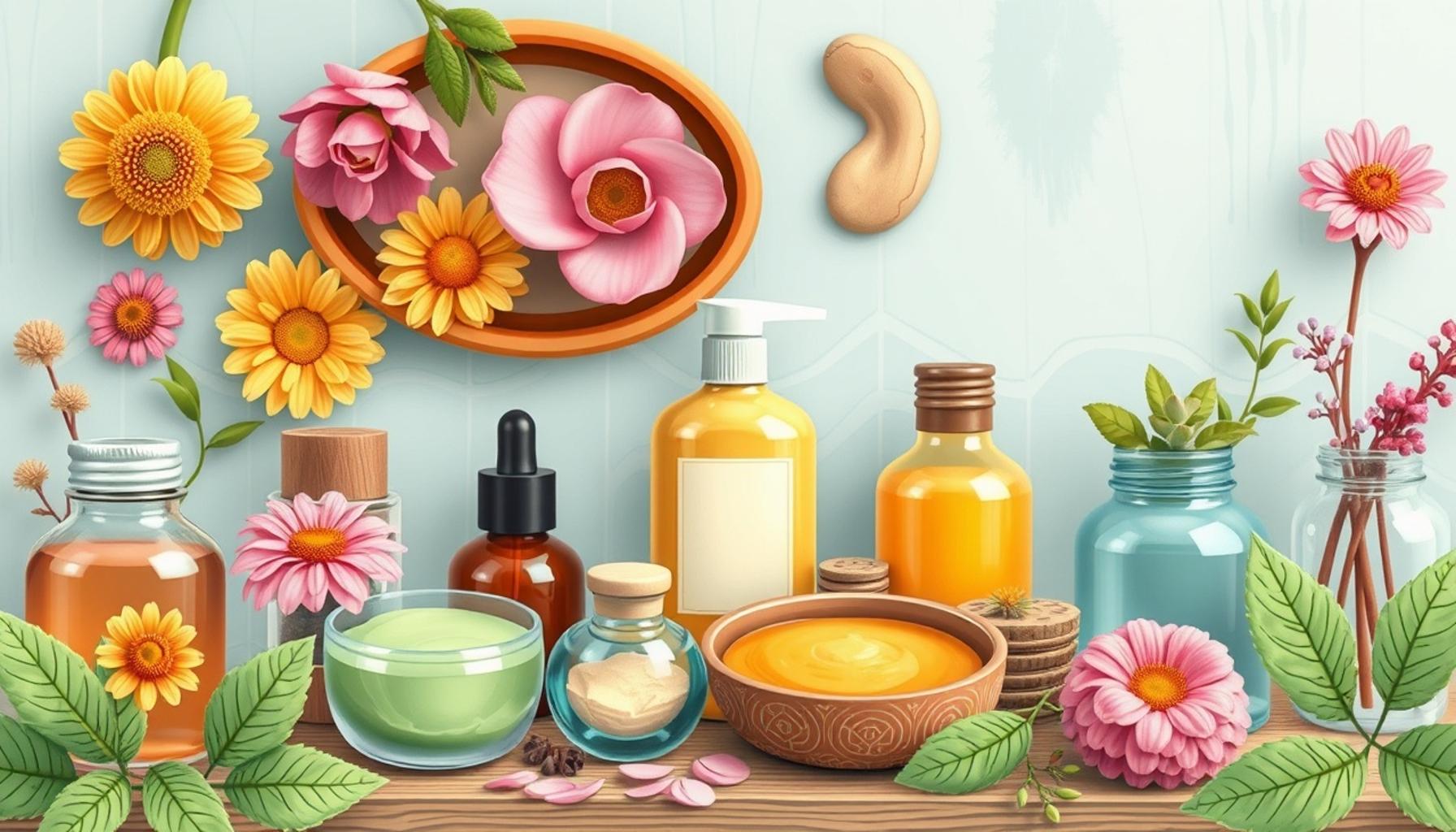
With just a handful of ingredients, you can whip up everything from moisturizers to lip balms. Here are some popular ingredients to include:
- Coconut Oil: A versatile base for many recipes, coconut oil is renowned not only for its moisturizing properties but also for its ability to act as a natural antibacterial agent. It’s an ideal ingredient for lip scrubs and hair masks.
- Aloe Vera: This plant is celebrated for its soothing properties, making it perfect as an ingredient in after-sun lotions or as a cooling gel for sunburn relief. It can also serve as a light moisturizer for oily skin types.
- Essential Oils: These oils can add delightful fragrances while offering various benefits, from relaxation (like lavender oil) to invigoration (such as citrus blends). Essential oils can easily be incorporated into creams, washes, or bath products.
The possibilities truly are endless when it comes to DIY beauty. With the right guidance, you can create a line of beauty products that reflect your style and values while also being conscious of your health and the environment. This article will dive deeper into the process, providing you with practical steps and inspiration to kickstart your DIY beauty journey. Explore various recipes, tips, and tricks that can help you become a confident beauty creator in your own right.
So why not take the plunge? Start small with a simple lip balm or a sugar scrub, and gradually expand your repertoire. As you explore new ingredients and techniques, you will not only enhance your beauty routine but also cultivate a rewarding, creative hobby that emphasizes your individuality and commitment to sustainability.
DISCOVER MORE: Click here to learn about the importance of personalization in skincare
Essential Steps to Launching Your DIY Beauty Line
Creating your own line of beauty products with natural ingredients is not just an imaginative pursuit; it is a methodical process that can lead to rewarding results. Whether you are looking to develop unique gifts for friends and family or aiming to build a brand, understanding the foundational steps is crucial. Here, we will outline a clear framework to guide you through the initial stages of your DIY beauty adventure.
First, it is vital to conduct some market research. Investigate what products are already available in the beauty market and identify gaps that your creations could fill. Ask yourself: what makes your product different? Is it more sustainable, customizable, or accessible? Knowing your target audience and their preferences will help in developing products they will love.
Next, consider your formulations. Draft recipes that utilize natural ingredients known for their efficacy and skin benefits. Take the time to experiment with various combinations; for example, a base blend of coconut oil, shea butter, and essential oils can create an effective moisturizer. Here are some essential elements to consider when crafting your formulations:
- Texture: Decide if you want your product to be creamy, gel-like, or oily. The texture can impact its usability and appeal.
- Scent: Incorporate natural fragrances using essential oils that not only smell delightful but also provide aromatherapeutic benefits.
- Preservation: While natural ingredients are a great choice, consider how to keep your products safe for longer use. Natural preservatives, such as Vitamin E oil or grapefruit seed extract, can be good options.
After perfecting your formulations, create samples to conduct testing on friends and family. Gather feedback on aspects such as scent, texture, and effectiveness. Keep a detailed record of the responses to refine your recipes further. This step can be pivotal in determining whether your products resonate with your target market.
As you continue to work through your formulations, consider the packaging and branding of your DIY beauty products. The packaging should not only be visually appealing but also environmentally responsible, which aligns with the ethos of natural beauty. Explore options such as recyclable materials or even repurposing containers for a sustainable approach.
Finally, think about how you will share your creations with the world. Whether through a local market, a social media platform, or an online store, having a clear strategy for marketing and distribution is essential for reaching your potential customers. Use visuals that highlight the natural elements in your products, as they will attract a like-minded audience interested in wellness and sustainability.
With these foundational steps, you are well on your way to creating your line of beauty products that not only captivate users but reflect your values and creativity. As you embark on this journey, remain curious and open to learning; each creation is an opportunity to enhance your skills and express your vision in the burgeoning world of DIY beauty.
Creating Your Own Beauty Products: A Step-by-Step Guide
In the world of beauty, creating your own line of products can be a fulfilling adventure, especially when utilizing natural ingredients. This DIY approach not only empowers you but also enables you to tailor your products to meet specific skin needs that are often overlooked by commercial brands. Let’s explore how you can start this exciting journey.
The Essentials of DIY Beauty Products
When venturing into DIY beauty, understanding your ingredients is crucial. Natural ingredients such as essential oils, botanicals, and natural preservatives play a significant role in the efficacy of any product. The *foundation* products typically include:- Carrier Oils: Base oils like jojoba, coconut, and almond oil serve as excellent moisturizers.- Essential Oils: These are not only aromatic but also offer therapeutic benefits, depending on the oil you choose.- Exfoliants: Natural exfoliants like ground oatmeal or sugar can rejuvenate your skin by removing dead skin cells.- Thickeners and Stabilizers: Ingredients such as beeswax or arrowroot powder help achieve the desired texture of creams and balms.
Formulating Your First Product
Start with something simple, such as a *moisturizing body butter*. You will need:1. Ingredients: Gather shea butter, coconut oil, and your choice of essential oils.2. Tools: Use a double boiler, a mixing bowl, and a whisk or hand mixer.3. Process: Melt the shea butter and coconut oil together, add a few drops of essential oil, and whip until creamy. Pour the mixture into containers and allow it to set.It’s important to keep in mind that DIY beauty is all about experimentation. Feel free to adjust the ingredients according to your skin type or preferences. As you become comfortable, try complex formulations like serums and masks. Each unique creation allows you to explore the myriad benefits that natural ingredients offer while reinforcing your brand’s value in sustainability and wellness.
| Advantages of DIY Beauty | Key Features |
|---|---|
| Customization | You can tailor formulations to cater to specific skin types or preferences. |
| Natural Ingredients | Products are chemical-free and safe for the environment, promoting sustainability. |
Diving deeper into the world of DIY beauty products not only enhances your knowledge but also provides personal satisfaction that comes from self-sufficiency. Whether you’re aiming to create your own unique line or simply to enjoy the process of crafting, the power of natural ingredients is pivotal. Engaging with these formulations fosters a connection to your beauty routine that mass-produced products cannot replicate. Explore, create, and enjoy the journey as you uncover the secrets of nature’s offerings for beauty enhancement.
DISCOVER MORE: Click here for insights on sustainable beauty
Understanding Regulations and Safety in DIY Beauty Products
As you venture into creating and marketing your own line of beauty products, it is crucial to consider the regulatory landscape surrounding cosmetics in the United States. The FDA does not require pre-market approval for cosmetics, but it mandates that products are safe for consumers. This means that conducting thorough safety assessments of your ingredients and formulations is imperative.
Utilize resources from the Cosmetic Ingredient Review (CIR), an organization that evaluates the safety of cosmetics ingredients in the U.S. Familiarizing yourself with ingredient guidelines can help you avoid common pitfalls, such as using ingredients that may cause allergic reactions or irritation. Keeping abreast of banned or restricted substances will safeguard your products and your brand’s integrity.
Another important aspect to consider is labeling compliance. Your product labels must accurately reflect the contents, including the list of ingredients in descending order by weight. Utilizing natural and organic certifications can also enhance your product’s credibility; however, these labels often come with stringent requirements. Researching what qualifies your product for such certifications can aid in making more informed decisions along the way.
Building Your Brand Identity
Branding is an essential component of any beauty line. As a DIY beauty entrepreneur, you want your products to resonate with your audience and stand out in a saturated market. Create a compelling brand story focused on your values, particularly around natural ingredients and sustainability. This narrative can be woven into your marketing materials and social media campaigns.
Consider designing an eye-catching logo and a cohesive visual identity that reflects the essence of your products. Crafting an appealing tagline can also help in communicating your brand’s vision succinctly. Leverage platforms like Instagram to share visually striking images of your products in natural settings, enhancing the perception of authenticity and quality.
Exploring Distribution Channels
Once you have firmed up your formulations, safety compliance, and branding, it is time to think about distribution channels. The rise of e-commerce has provided various pathways to market your DIY beauty products. Setting up a shop on platforms like Etsy or Shopify can provide you with an instant audience interested in handmade and natural products.
If direct-to-consumer is not your preferred route, consider partnering with local boutiques or artisan markets where niche beauty products tend to thrive. Building relationships with vendors allows your products to reach broader audiences while fostering community connections.
Leveraging Social Media and Influencer Marketing
In today’s digital age, utilizing social media and influencer marketing is a practical strategy for promoting your beauty line. Create engaging content around your products and share tutorials or tips that showcase their benefits. Collaborating with beauty bloggers or micro-influencers who resonate with your brand can result in authentic endorsements, tapping into their follower base to gain credibility and visibility.
Lastly, do not underestimate the power of customer feedback. Encourage your buyers to share their experiences on social platforms and product review sites. User-generated content can be a goldmine for building community trust and improving product visibility. By consistently engaging with your audience, you’ll not only grow your brand but also gather valuable insights for future products and enhancements.
DIVE DEEPER: Click here to discover how a skincare routine can enhance your mental well-being</p
Conclusion: Embarking on Your DIY Beauty Journey
Creating your own line of beauty products with natural ingredients is not only a rewarding venture but also a pathway to express your creativity and connect with like-minded consumers. By following the steps outlined in this article—from understanding product safety regulations and effective branding to exploring various distribution channels—you can strategically build a brand that resonates within the booming natural beauty market.
The shift towards natural and organic beauty products is undeniable, as consumers increasingly seek transparent and eco-conscious options. As a DIY beauty entrepreneur, embracing this trend allows you to meet the demand while aligning with your personal values. Remember, the emphasis on safety and compliance is paramount; ensuring that your formulations adhere to regulations will not only protect consumers but also enhance your brand’s reputation.
Moreover, don’t underestimate the potential of social media and influencer partnerships in amplifying your reach. By sharing your brand’s story and engaging authentically with your audience, you create a community of loyal customers eager to support your journey. Utilize their feedback to refine your offerings and keep your product line fresh and relevant.
As you embark on this exciting journey, remain open to learning and adapting. The world of beauty is ever-evolving, and your passion for natural ingredients can pave the way for a successful venture that not only enhances beauty but also promotes holistic wellness. So, gather your supplies, infuse your creativity, and start crafting products that bring joy and confidence to yourself and others.